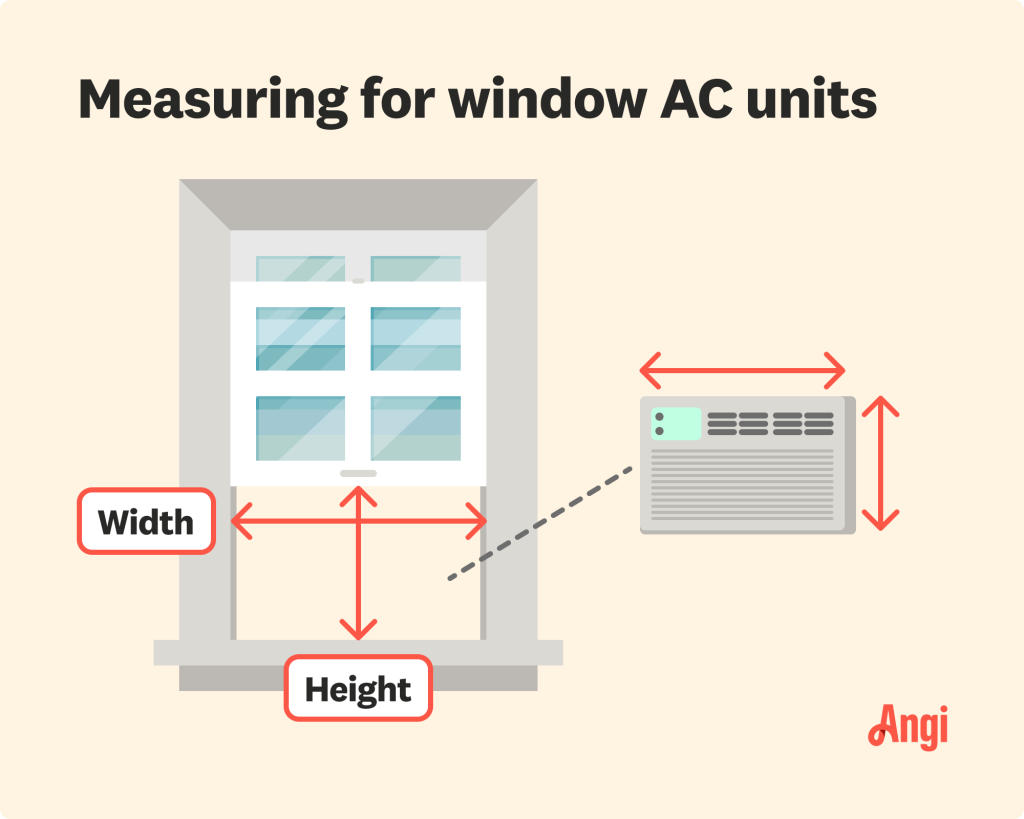
Are you wondering if the size of your closet in square feet affects the kind of air conditioner you need? It’s a question that many homeowners and renters ask when trying to keep their space cool and comfortable.
Understanding how your closet’s size impacts the air conditioner choice can save you money and energy while keeping your clothes and belongings fresh. You’ll discover exactly how closet size plays a role in selecting the right air conditioner, and you’ll learn easy tips to make the best decision for your space.
Keep reading to make sure you don’t pick the wrong unit for your closet!
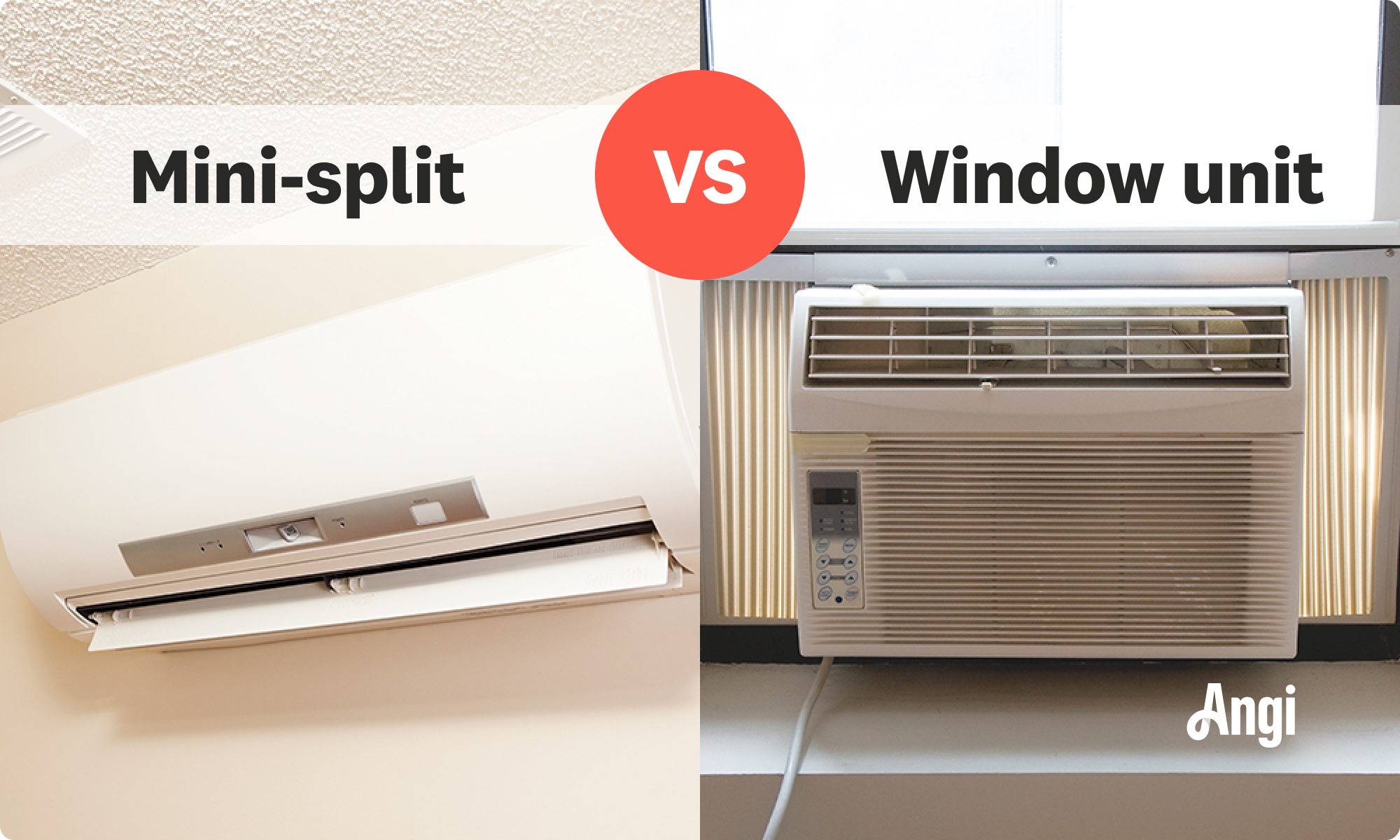
Credit: www.angi.com
Air Conditioner Efficiency Basics
Air conditioners keep rooms cool by removing heat and moisture. Their efficiency depends on many factors.
Knowing these basics helps you choose and use your air conditioner well.
Does Closet Size Affect Cooling Needs?
Closets are small spaces, but they still need proper cooling. The size in square feet matters for air conditioner capacity.
Too large a unit wastes energy. Too small one will not cool enough.
How To Calculate Square Feet For Cooling
Measure the length and width of the closet. Multiply these to get square feet.
- Measure the longest wall length in feet
- Measure the adjacent wall width in feet
- Multiply length by width for total square feet
Use this number to find the right air conditioner size.
Matching Air Conditioner Size To Closet Space
Air conditioners have cooling capacity measured in BTUs. Higher BTUs cool larger areas.
| Square Feet | Recommended BTU |
| 50 or less | 5,000 BTU |
| 51 to 100 | 6,000 – 8,000 BTU |
| 101 to 150 | 8,000 – 10,000 BTU |
This table helps pick the right unit for your closet size.
Other Factors Affecting Efficiency
- Closet insulation quality
- Heat from lights or electronics
- Airflow and ventilation
- Sunlight exposure
Check these factors to improve cooling and save energy.
Measuring Square Footage For Ac
Choosing the right air conditioner size depends on your room’s square footage. Accurate measurement helps cool the space efficiently.
Closets and small rooms can affect your AC needs. Understanding how to measure will guide your choice.
Does The Closet Count In Square Feet For Air Conditioner?
A closet inside a room usually counts toward total square footage. This space adds to the area your air conditioner must cool.
If the closet shares air with the room, include it in your measurement. If it is separate or sealed, you may not need to count it.
How To Measure Square Footage For Ac
Measure the length and width of the room in feet. Multiply these two numbers to find the square footage.
Include any closets or connected areas that share air with the main room in your measurements.
- Measure length of the room
- Measure width of the room
- Multiply length by width
- Add closet area if it shares air
Why Accurate Square Footage Matters For Ac
An AC too small will not cool the space well. Too large wastes energy and money.
Counting all areas, including closets, ensures you pick the right AC size for comfort and efficiency.
Role Of Closets In Square Footage Calculation
Closets are part of a home’s total square footage. They can affect air conditioner size needs. Understanding how closets count helps with proper cooling plans.
This article explains the role closets play in calculating square footage for air conditioning purposes.
What Counts As Square Footage?
Square footage includes all finished, heated areas of a home. Closets that are inside these areas usually count. Unfinished or unheated spaces do not count.
How Closets Affect Air Conditioner Size
Closets add to the total area that needs cooling. The air conditioner must cool the whole space evenly. Ignoring closet space can cause the AC to work harder.
Factors To Consider For Closet Inclusion
- Closet size and location
- Whether the closet is heated or cooled
- Closet insulation and airflow
- Access points for air circulation
Example Of Closet Space Impact
| Area Type | Square Feet |
| Main Living Space | 1,200 |
| Closets Included | 150 |
| Total Square Footage | 1,350 |
Including closets in the total square footage raises the space an air conditioner must handle. This example shows closets add a significant area.
Impact Of Closet Size On Cooling Needs
Choosing the right air conditioner size depends on many factors. One important factor is the size of the closet where it will be installed.
A small closet and a large closet will need different cooling power. Understanding this helps you pick the right air conditioner.
How Closet Size Affects Cooling Capacity
The size of the closet changes how much air needs to be cooled. A bigger closet holds more heat and air volume.
A small closet requires less cooling power because it traps less heat. A large closet needs more power to cool the space well.
Square Feet Measurement And Air Conditioner Sizing
Closet size is usually measured in square feet. This helps to calculate the right air conditioner size.
To find square feet, multiply closet length by closet width. This number guides the cooling capacity needed.
- Small closets: under 20 square feet
- Medium closets: 20 to 50 square feet
- Large closets: over 50 square feet
Effects Of Poorly Sized Air Conditioners In Closets
Using an air conditioner that is too small will not cool the closet properly. This can cause moisture and damage.
An air conditioner that is too large will waste energy and cause temperature swings. It will turn on and off too often.
- Too small: poor cooling and high humidity
- Too large: high energy use and uneven cooling
- Right size: efficient and steady cooling
Industry Standards For Ac Sizing
Choosing the right air conditioner size is important for comfort and efficiency. Many people wonder if the closet size in square feet affects the AC size needed.
Industry standards help guide the correct sizing of air conditioners. These standards focus on the entire room or area, not just closets.
What Determines Ac Size?
AC size depends on the total space it needs to cool. This includes the square footage of all connected rooms, not just a small closet.
Other factors like ceiling height, insulation, and sunlight also affect the size of the air conditioner.
- Room square footage
- Ceiling height
- Insulation quality
- Sun exposure
- Number of windows and doors
Closets And Ac Sizing
Closets are usually small and do not need their own air conditioner. Instead, the whole room’s AC covers the closet area.
Industry standards do not count closets separately when sizing an air conditioner. The total room size is the main focus.
Btu Guidelines For Cooling
BTU stands for British Thermal Unit and shows how much cooling power an AC has. Correct BTU sizing matches the room size.
Here is a simple BTU guide based on room size:
| Room Size (sq ft) | BTU Needed |
|---|---|
| 100 – 150 | 5,000 BTU |
| 150 – 250 | 6,000 BTU |
| 250 – 350 | 8,000 BTU |
| 350 – 450 | 10,000 BTU |
| 450 – 550 | 12,000 BTU |
Consulting Professionals For Accurate Sizing
Experts use detailed calculations to size air conditioners. They consider more than just square feet, like climate and home design.
Getting professional advice helps avoid problems like an AC that is too big or too small for your space.
Factors Affecting Ac Performance
The performance of an air conditioner depends on several important factors. These factors influence how well the AC cools a space and how efficient it operates. Understanding these can help in choosing the right unit and maintaining comfort.
Some of the key elements include the quality of insulation, the room layout, and the climate where the AC is used. Each plays a role in how effectively the air conditioner works.
Insulation And Sealing
Good insulation keeps cool air inside and warm air outside. If a closet or room is poorly insulated, the air conditioner must work harder to maintain temperature. Sealing gaps around doors and windows also prevents air leaks.
- Use weather stripping on doors
- Seal cracks in walls and ceilings
- Choose insulation materials with high R-values
- Check for leaks around vents and pipes
Room Layout And Obstacles
The shape and size of the room impact airflow and cooling. Furniture or other obstacles can block air circulation. This reduces the AC’s ability to cool evenly and increases energy use.
| Factor | Effect on AC |
| Large open spaces | Requires more cooling power |
| Furniture blocking vents | Reduces airflow |
| High ceilings | Causes warm air to rise |
| Closet size | Smaller space cools faster |
Climate And Regional Differences
Different climates affect how an air conditioner performs. Hot and humid areas demand more from the AC. Cooler regions may need less cooling power. Adjusting settings based on local weather saves energy and improves comfort.
Consider these climate factors:
- Humidity levels affect cooling needs
- Temperature swings influence AC runtime
- Sun exposure on walls increases heat load
- Altitude can change air density and cooling efficiency
Tips For Accurate Ac Sizing
Choosing the right air conditioner size is important for comfort and energy use. A unit too big or small will not cool well.
Many people wonder if the closet size in square feet affects AC sizing. This guide explains how to measure and size correctly.
Understand The Room Size
Measure the length and width of the room to find its square feet. This helps estimate the cooling power needed.
The closet size in square feet matters if you want to cool that space. Include all areas that need air conditioning.
Calculate Cooling Capacity
Use the room’s square feet to find the right British Thermal Units (BTUs) for your AC. More square feet need higher BTUs.
- Up to 150 sq ft: 5,000 BTUs
- 150 to 250 sq ft: 6,000 BTUs
- 250 to 350 sq ft: 8,000 BTUs
- 350 to 450 sq ft: 10,000 BTUs
Closets often need less cooling. Use smaller units or vents from main rooms to save energy.
Consider Heat Sources And Insulation
Closets may have heat from lights, electronics, or poor insulation. These add to the cooling load.
Good insulation lowers the BTU needed. Check walls, doors, and windows for drafts or leaks.
Account For Airflow And Ventilation
Closets with poor airflow need more cooling to avoid moisture and heat buildup.
- Ensure vents or fans move air well
- Use AC units with proper air circulation
- Avoid blocking vents with storage items
Seek Professional Advice
An HVAC expert can measure your closet and rooms accurately. They offer the best AC size recommendations.
They also consider other factors like ceiling height and climate. This helps prevent wrong sizing mistakes.
Common Mistakes In Ac Installation
Installing an air conditioner correctly is very important. Many people make mistakes that reduce the AC’s efficiency.
These errors can cause higher energy bills and poor cooling. Knowing what to avoid helps get the best results.
Ignoring Closet Size In Square Feet
Many assume the closet size does not affect the air conditioner. This mistake leads to poor airflow and overheating.
The closet must have enough space for the AC unit and proper ventilation. This helps the AC work well and last longer.
Incorrect Ac Unit Size
Choosing the wrong size AC unit causes problems. Too small units cannot cool properly. Too large units waste energy.
- Calculate the closet size in square feet before buying an AC.
- Match the AC capacity to the room size for best results.
- Consult a professional for accurate sizing advice.
Poor Ventilation Setup
Many closets lack proper ventilation for AC units. This causes heat to build up and reduces cooling efficiency.
| Ventilation Type | Description | Effect on AC |
|---|---|---|
| Closed Closet | No air movement inside the closet | Overheats AC, shortens lifespan |
| Partial Ventilation | Small vents or gaps present | Better cooling but not optimal |
| Full Ventilation | Large vents or ducted airflow | Maintains AC temperature well |
Ignoring Electrical Requirements
Using the wrong electrical setup can cause AC failure. The closet needs proper wiring and a dedicated circuit.
- Check voltage and amperage requirements before installation.
- Use a dedicated circuit to avoid overload.
- Hire a licensed electrician for safe wiring.
Professional Advice On Ac Sizing
Choosing the right air conditioner size is important for comfort and energy savings. Many people wonder if closet size in square feet matters for AC sizing.
This guide explains how closet space affects AC size and what you should consider for proper cooling.
Understanding Closet Size And Cooling Needs
Closets are small, enclosed spaces. They usually do not need the same cooling power as larger rooms. Air conditioners sized by square feet often exclude closets.
Instead, closets may get cooled by air flow from nearby rooms or vents. This means you rarely need a separate AC unit just for a closet.
Factors That Affect Ac Size
- Room square footage
- Ceiling height
- Number of windows
- Sun exposure
- Number of people usually inside
- Heat from appliances or lighting
Closets usually have less impact on these factors, so they do not add to the AC size needed.
When To Consider Closet Cooling
Some closets store heat-sensitive items or electronic equipment. In these cases, extra cooling may be necessary.
| Closet Type | Cooling Recommendation |
| Standard clothes closet | No extra AC needed |
| Closet with electronics | Small vent or dedicated AC unit |
| Walk-in closet with windows | Include in room AC size |
Tips For Proper Ac Sizing
- Measure the total square footage of the cooled space, excluding small closets.
- Note room height and sunlight exposure.
- Check insulation quality.
- Use an online BTU calculator or consult a professional.
- Consider special cooling needs for closets with electronics or valuables.

Credit: www.angi.com

Credit: www.carrier.com
Frequently Asked Questions
What Is Closet Cooling In Square Feet Air Conditioners?
Closet cooling refers to air conditioners designed for small spaces like closets. They efficiently cool compact areas measured in square feet. These units are ideal for preventing heat buildup in closets without overcooling the home.
How To Choose Ac Size For Closet Square Footage?
Measure your closet’s square footage accurately. Select an AC with a cooling capacity matching that size. Proper sizing ensures efficient cooling and energy savings without wasting power.
Can A Regular Ac Cool A Closet Effectively?
Regular ACs are often too large for closets. They may overcool or fail to fit properly. Specialized closet air conditioners are more effective for small, enclosed spaces.
Why Is Square Footage Important For Closet Ac Selection?
Square footage determines the cooling load required. An accurate measurement ensures the AC unit is neither oversized nor undersized. This balance improves performance and reduces energy costs.
Conclusion
Choosing the right air conditioner size matters for your closet’s square feet. A small unit may not cool properly. A large one can waste energy and money. Measure your closet space carefully before buying. This helps keep your clothes safe and fresh.
Remember, the closet’s size guides your AC choice. Stay comfortable without overspending. Simple steps lead to better cooling results. Keep your closet cool and energy-efficient.