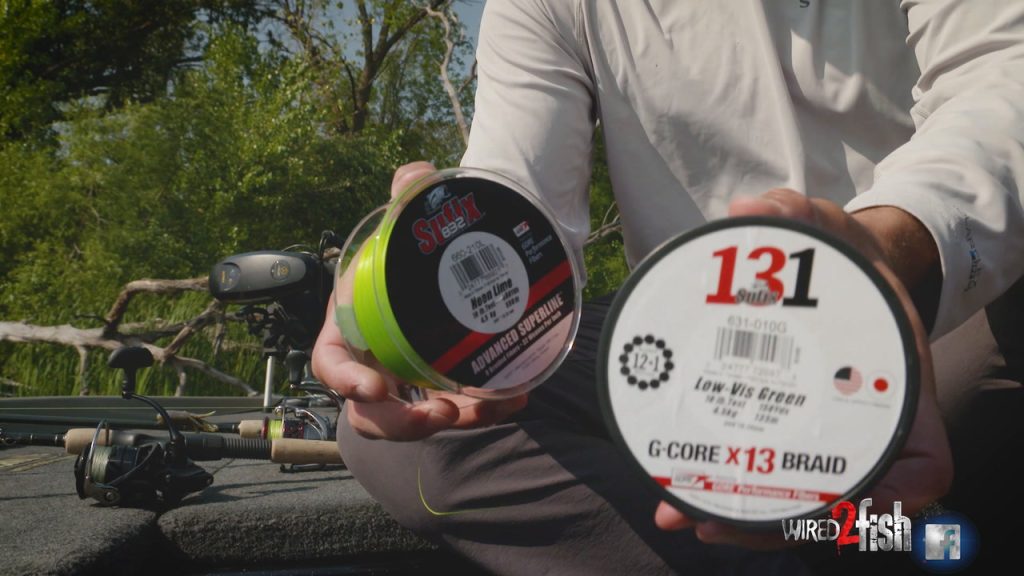
Have you ever wondered if the color of your fishing line really makes a difference? You might think it’s just about looks, but the truth could change the way you fish forever.
Choosing the right line color can help you catch more fish, avoid spooking them, and even make your fishing experience easier and more enjoyable. You’ll discover why color matters and how to pick the perfect line for your next trip.
Keep reading—your best catch might depend on it.
Fishing Line Colors Explained
The color of fishing line affects how visible it is to fish and anglers. Choosing the right color helps catch more fish.
Fishing lines come in many colors. Each color works best in certain water and light conditions.
Common Colors And Their Uses
Clear or transparent lines work well in clear water. Green lines blend with water plants. Blue lines suit deep or open water.
- Clear: Best for clear water and calm conditions.
- Green: Ideal for areas with lots of vegetation.
- Blue: Works well in deep or open water.
- Fluorescent: Easy for anglers to see above water.
- Brown: Good for muddy or stained water.
Visibility Underwater
Underwater, light changes by depth and water clarity. Some colors become invisible faster than others.
| Color | Visibility Underwater | Best Water Type |
| Clear | Least visible | Clear water |
| Green | Blends with plants | Vegetated water |
| Blue | Visible in deep water | Open water |
| Brown | Hides in stained water | Muddy water |
| Fluorescent | Highly visible above water | Any water |
Light Conditions And Color Choice
Light affects how colors look underwater. Bright light can make lines more visible. Low light calls for subtle colors.
- Sunny days: Use green or blue to blend in.
- Cloudy days: Clear or brown lines work well.
- Low light: Choose less visible colors to avoid spooking fish.
- Night fishing: Fluorescent lines help anglers see their line.
Impact On Fish Behavior
The color of fishing line can affect how fish behave around it. Fish see colors differently than humans. This can change how they react to the line.
Choosing the right line color may help reduce fish spooking. Understanding fish vision helps anglers pick the best line color.
How Fish Perceive Colors
Fish have different ways of seeing colors. Many fish see colors better in clear water. Some see fewer colors in deep or murky water.
Light changes in water can also affect how fish see color. Blue and green light travel farther underwater. This changes how bright or visible a fishing line looks to fish.
Color Sensitivity Of Different Species
Different fish species see colors in unique ways. Some fish are more sensitive to certain colors. Others may not notice color differences much.
- Trout see reds and oranges well in shallow water.
- Bass can detect green and yellow colors easily.
- Catfish rely more on smell and touch than color.
- Saltwater fish often see blue and green better than red.
Knowing a fish’s color sensitivity helps anglers pick line colors that blend in.
Line Color And Fish Spooking
Bright or unnatural line colors can scare fish away. Fish may see bright lines as threats or strange objects. Clear or green lines often blend better in water.
- Clear lines are less visible in most water types.
- Green lines blend well in weedy or green water.
- Fluorescent lines may attract or scare fish depending on species.
- Dark lines are good for deep or stained water to avoid glare.
Choosing a line color that matches water and fish helps reduce spooking and improves chances of a catch.
Water Types And Line Colors
The color of your fishing line can affect how well fish see it. Different water types change how visible the line is. Choosing the right color helps you catch more fish.
This guide explains how to pick line colors for clear water, murky water, and saltwater or freshwater fishing.
Clear Water Strategies
In clear water, fish can see your line easily. Use line colors that blend with the water. Light green, blue, or clear lines work best. These colors reduce visibility and help you stay hidden.
- Use clear or blue lines for open water
- Choose light green near plants or weeds
- Match line color to the water depth and light
Murky And Stained Water Tips
In murky water, fish see less. Bright or dark line colors can help you track your line. Use colors that stand out to you but blend enough so fish don’t notice easily.
| Water Type | Best Line Colors | Reason |
| Brown Murky Water | Yellow, Orange | High visibility for anglers |
| Green Stained Water | Fluorescent Green, Chartreuse | Easy to see and blends with water |
| Dark Water | Black, Dark Green | Low reflection and less visible to fish |
Saltwater Vs Freshwater Considerations
Saltwater is often clearer but has strong sunlight. Use blue or clear lines to match the ocean. Freshwater varies more, so choose colors based on water clarity.
Tips for saltwater and freshwater lines:
- Saltwater: use abrasion-resistant lines with blue or clear colors
- Freshwater: adapt line color to water clarity and fish species
- Always consider weather and light conditions when picking line color

Credit: fishingbooker.com
Line Materials And Color Durability
Fishing line color affects how visible the line is in water. The material of the line changes how colors last over time. It is important to know which materials keep their color well and which do not.
Different fishing lines use different materials. Each type reacts differently to sun, water, and wear. This guide explains color stability in monofilament, fluorocarbon, and braided lines.
Monofilament Color Stability
Monofilament lines are made from nylon. They come in many colors. These colors tend to fade with use and sun exposure. The fading can make the line easier or harder to see in water.
- Colors fade faster in clear water and sunlight
- Dark colors last longer than bright ones
- Some monofilament lines include UV protection
- Regular use and abrasion speed up color loss
Fluorocarbon And Visibility
Fluorocarbon lines are nearly invisible underwater. Their color is usually clear or light green. The color does not fade much because fluorocarbon resists sunlight and water damage well.
| Feature | Impact on Color |
| Material | Fluorocarbon resists UV rays |
| Water Absorption | Very low, keeps color stable |
| Visibility | Almost invisible in clear water |
| Durability | Maintains color longer than nylon |
Braided Line Color Options
Braided lines use woven fibers. They come in many colors and patterns. The colors stay bright longer than monofilament but can still fade. Anglers choose colors based on water type and fishing style.
- Bright colors for easy line tracking
- Camouflage colors to blend with water
- Multi-color patterns to show line depth
- Colors resist fading but wear can dull them
Matching Line Color With Lures
The color of your fishing line can affect how fish see your lure. Matching the line color with your lure helps the lure blend better in the water.
Choosing the right line color can improve your chances of catching fish. It makes the lure look more natural and less suspicious.
Enhancing Lure Presentation
Using a line color that matches your lure helps the lure look like real bait. Fish are less likely to notice the line and more likely to bite.
A good match between line and lure color lets the lure move naturally. This makes your fishing more effective.
Camouflage Vs Contrast
Camouflage means using line colors that blend with water and lure colors. This hides the line from fish.
Contrast uses line colors that stand out. Sometimes, bright lines can attract fish or help you see the line better.
- Camouflage colors: clear, green, blue, brown
- Contrast colors: bright yellow, orange, red
- Choose based on water clarity and fish behavior
Seasonal Adjustments
Water color and light change with seasons. Adjust your line color to match these changes for better results.
In clear summer water, use light or clear lines. In murky winter water, darker or bright lines can help.
- Spring: clear or light green lines
- Summer: clear or blue lines
- Fall: brown or green lines
- Winter: dark or bright lines
Practical Tips For Choosing Line Color
The color of your fishing line can affect how well fish see it. Choosing the right color helps you catch more fish.
Some colors blend in better with water, while others are easier for you to see. It is important to pick a color that fits your needs.
Testing And Personal Preference
Try different line colors to see what works best for you. Testing helps you find a color that feels right.
Your choice might depend on your fishing spot and the type of fish you want. Personal preference plays a big role in picking line color.
Balancing Visibility And Strength
Choose a color that is hard for fish to see but easy for you to track. This balance helps you fish better.
Some bright lines show well above water. Dark lines blend in underwater. Pick a color that fits your fishing style.
- Clear lines are less visible to fish
- Fluorescent lines are easy to see for anglers
- Green or blue lines blend with water
Adjusting For Different Fishing Techniques
Change line color based on your fishing method. Different techniques need different visibility levels.
For example, bright lines help with topwater fishing. Dark or clear lines work well for deep or clear water fishing.
- Use bright lines for night or low light fishing
- Pick clear or green lines for clear water
- Choose darker colors for heavy cover or murky water
Common Myths About Line Color
Many anglers believe the color of fishing line changes their catch rate. They think some colors attract fish more than others. This idea is popular but not fully true.
This article looks at common myths about line color. It explains what really matters when choosing fishing line color.
Color Does Not Affect Catch Rate
The color of the fishing line does not make fish bite more or less. Fish mostly react to the bait or lure movement and smell. Line color does not change this behavior.
Line Color And Line Strength
Some think colored lines are weaker than clear ones. Actually, line strength depends on the material and thickness. Color does not reduce line strength or durability.
| Line Color | Material | Strength |
| Clear | Monofilament | 8 lbs |
| Green | Monofilament | 8 lbs |
| Blue | Fluorocarbon | 10 lbs |
| Red | Braid | 15 lbs |
Fish Cannot See Line Colors
Fish have limited color vision. They cannot see fishing line colors clearly. The line often blends with water and light conditions. This makes color less important to fish.
- Fish see shapes and movements better than colors.
- Clear or light-colored lines are less visible underwater.
- Dark lines may stand out in clear water but not scare fish.
Credit: reactiontackle.com

Credit: www.youtube.com
Frequently Asked Questions
Does Fishing Line Color Affect Fish Bites?
Yes, fishing line color can affect bites. Fish see colors differently underwater. Choosing a line color matching water clarity can reduce visibility and increase bites.
What Is The Best Fishing Line Color For Clear Water?
In clear water, transparent or light green lines work best. These colors blend well with water, making the line less visible to fish and improving catch rates.
How Does Fishing Line Color Impact Underwater Visibility?
Line color impacts how easily fish see it. Bright colors are visible but can scare fish. Camouflaged colors reduce visibility, helping anglers fish stealthily.
Should I Change Fishing Line Color For Different Water Types?
Yes, adjust line color based on water type. Darker lines suit murky water, while lighter or clear lines work better in clear water for stealth.
Conclusion
Selecting the right fishing line color can affect success. Fish may notice bright lines, causing them to swim away. Clear or subtle colors often work better. Water clarity also plays a crucial role. In murky waters, bright colors can still be effective.
Consider the fish species as well. Each type might react differently to line colors. Experimenting helps find what works best for your fishing spot. Trust your instincts and adapt based on experience. The color choice isn’t the only factor, but it contributes to a good catch.
Happy fishing!