Have you ever wondered if your car’s radiator has anything to do with how well your air conditioner works? It might seem like two separate parts, but they actually share a connection that could affect your comfort on hot days.
Understanding this link can help you avoid unexpected breakdowns and keep your vehicle running smoothly. If you want to learn how your radiator impacts your air conditioner and what you can do about it, keep reading. This simple knowledge could save you time, money, and a lot of frustration.
How Radiators And Air Conditioners Work
Radiators and air conditioners both help control temperature. They keep things cool but work in different ways.
This article explains how radiators and air conditioners work. It shows how they affect each other in vehicles.
Radiator Functions In Vehicles
Radiators cool the engine by removing heat. Hot coolant from the engine flows into the radiator.
Air passes through the radiator fins. This air cools the hot fluid inside. Then, the cooled fluid goes back to the engine.
- Prevents engine from overheating
- Keeps engine at the right temperature
- Uses air flow to cool the coolant
- Works with a fan to improve cooling
Basics Of Air Conditioner Operation
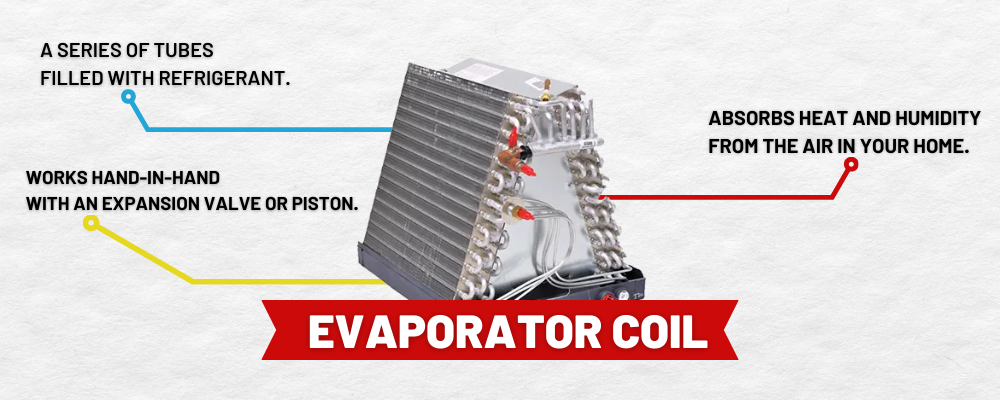
Air conditioners cool the air inside the vehicle. They use a refrigerant to absorb heat from the cabin air.
The refrigerant moves through the AC system. It changes from gas to liquid and back. This change cools the air blown inside.
- Removes heat from inside air
- Uses compressor to move refrigerant
- Condenses refrigerant to release heat outside
- Evaporates refrigerant to cool cabin air
Credit: choosesanford.com
Interactions Between Radiator And Air Conditioner
The radiator and air conditioner work closely in a vehicle. They both help control temperature but do different jobs.
Understanding how these parts affect each other helps keep the car cool and running well.
Heat Exchange And Engine Temperature
The radiator cools the engine by removing heat from the coolant. This keeps the engine at a safe temperature.
If the radiator does not work well, the engine gets hotter. A hotter engine can cause problems for the air conditioner.
- The radiator lowers engine heat by circulating coolant.
- Cool engine means less heat to remove inside the car.
- Overheated engine puts extra strain on the air conditioning system.
Impact On Air Conditioning Efficiency
The air conditioner uses the engine’s power and heat levels to cool the car’s interior. If the engine is too hot, AC works harder.
When the radiator fails, the AC might blow warm air. This lowers comfort and can increase fuel use.
- Good radiator function helps AC cool better.
- Engine heat affects how well the AC cools inside the car.
- Fixing radiator issues can improve AC performance and save fuel.
Common Issues From Radiator And Ac Interference
The radiator and air conditioner work close to each other in a vehicle. Sometimes, problems in the radiator can affect how well the AC works. This can cause discomfort during hot weather.
Understanding these issues helps in fixing them fast. It also keeps the car running smoothly. Below are common problems caused by radiator and AC interference.
Overheating Problems
The radiator cools the engine by removing heat. If the radiator is blocked or leaking, the engine can overheat. Overheating makes the AC work harder and less efficiently.
Overheating can cause damage to the AC compressor. The compressor needs cool engine parts to work well. Heat from the radiator can reduce its lifespan.
- Blocked radiator slows engine cooling
- Leaking radiator causes engine to overheat
- Hot engine parts reduce AC compressor life
- Overheating raises cabin temperature
Reduced Cooling Performance
When the radiator does not work well, the AC may blow warm air. This happens because engine heat affects the AC system. The AC condenser is near the radiator and can get too hot.
Reduced cooling means the AC cannot keep the car interior comfortable. It also uses more power, which lowers fuel efficiency. Fixing radiator issues helps the AC cool better.
- Radiator heat warms AC condenser
- Warm condenser lowers cooling power
- AC uses more energy when cooling is weak
- Passenger comfort decreases with poor AC

Credit: www.guchen.com
Maintenance Tips To Optimize Both Systems
Radiators and air conditioners both keep your home comfortable. Proper care helps them work well.
Regular maintenance prevents breakdowns and saves energy. This guide covers key checks for both.
Regular Radiator Checks
Check your radiator often to avoid leaks and blockages. Clean dust and dirt from the surface.
- Inspect for signs of rust or corrosion
- Ensure valves open and close smoothly
- Bleed air from the radiator to remove trapped air
- Keep the area around the radiator clear for better heat flow
- Check water pressure if you have a hot water radiator
Air Conditioner Servicing
Air conditioners need regular cleaning and checks to run efficiently. Replace filters often.
| Service Task | Frequency | Reason |
| Clean or replace air filters | Every 1-3 months | Improves air flow and air quality |
| Check refrigerant levels | Annually | Ensures cooling efficiency |
| Clean condenser coils | Annually | Prevents overheating and damage |
| Inspect electrical connections | Annually | Prevents failures and hazards |
| Clear drainage lines | Every 6 months | Prevents water leaks and mold |
Signs Of Radiator Affecting Ac Performance
The radiator plays a key role in keeping your engine cool. If it has issues, the air conditioner (AC) may not work well. Noticing the signs early can help you fix problems fast.
Two common signs show when the radiator affects AC performance. They include unusual temperature changes and increased fuel use.
Unusual Temperature Fluctuations
When the radiator is not working properly, your engine may get too hot or cool down unexpectedly. This causes the AC to blow warm air or stop cooling well. Watch for these temperature issues:
- Sudden rise in engine temperature gauge
- AC blowing hot or inconsistent air
- Engine overheating during idle or slow traffic
- Coolant leaks near the radiator
Increased Fuel Consumption
A faulty radiator can make the engine work harder to stay cool. This extra effort uses more fuel. You might notice your car needs gas more often than before.
| Cause | Effect on Fuel Use |
| Radiator blockage | Engine heats up, burns more fuel |
| Coolant leak | Engine runs inefficiently, fuel consumption rises |
| Fan failure | Poor cooling, increased fuel needed |
Upgrades And Solutions For Better Performance
Car cooling systems work best when all parts function well together. The radiator and air conditioner both help keep your vehicle cool. Improving the radiator can help the air conditioner work better.
Here are some upgrades and solutions to improve radiator and air conditioner performance.
Radiator Improvements
Upgrading the radiator helps the engine stay cool. A cooler engine means the air conditioner can cool the cabin more efficiently. Some common radiator improvements include using better materials and improving airflow.
- Install aluminum radiators for faster heat transfer
- Use high-quality coolant to prevent overheating
- Clean radiator fins to improve airflow
- Check and replace damaged radiator hoses
- Add electric fans to increase air movement
Enhancing Air Conditioner Efficiency
Improving the air conditioner system helps lower cabin temperatures. A well-maintained radiator supports this by keeping the engine cooler. Efficient AC parts and regular service also make a big difference.
| Upgrade | Benefit |
| High-capacity compressor | Better cooling power |
| New condenser | Improved heat release |
| Clean filters | Better airflow inside cabin |
| Proper refrigerant level | Efficient cooling cycle |
| Thermostat calibration | Precise temperature control |

Credit: autoacrepair1.com
Frequently Asked Questions
Does The Radiator Impact Air Conditioner Performance?
Yes, the radiator can indirectly affect air conditioner efficiency. A faulty radiator can cause engine overheating, reducing AC cooling power. Proper radiator function ensures optimal engine temperature, supporting the AC system’s performance and preventing strain.
Can A Radiator Leak Cause Ac Problems?
A radiator leak can lead to engine overheating, which may reduce AC effectiveness. Overheating forces the AC compressor to work harder, potentially causing damage. Fixing leaks promptly helps maintain both radiator and air conditioner health.
How Does Radiator Temperature Affect The Air Conditioner?
Radiator temperature controls engine heat. If the radiator fails to cool the engine, the AC system may overheat and underperform. Maintaining correct radiator temperature supports efficient air conditioner operation and prevents system breakdowns.
Is Radiator Maintenance Important For Ac Efficiency?
Yes, regular radiator maintenance ensures proper engine cooling, which supports AC functionality. Clean radiators prevent overheating and reduce stress on the air conditioner. Routine checks extend the lifespan of both systems and improve vehicle comfort.
Conclusion
Understanding the radiator’s role is crucial for air conditioner efficiency. Both systems share the engine, impacting each other. A well-maintained radiator aids in optimal cooling. This ensures the air conditioner works effectively. Overheating can strain both components. Regular check-ups are essential for smooth operation.
Clean radiators prevent unnecessary stress on your air conditioner. Proper coolant levels also play a vital role. Addressing issues early saves money and hassle. Consider expert advice for complex problems. A balanced system leads to a comfortable ride. Prioritize maintenance for a durable and efficient vehicle climate system.