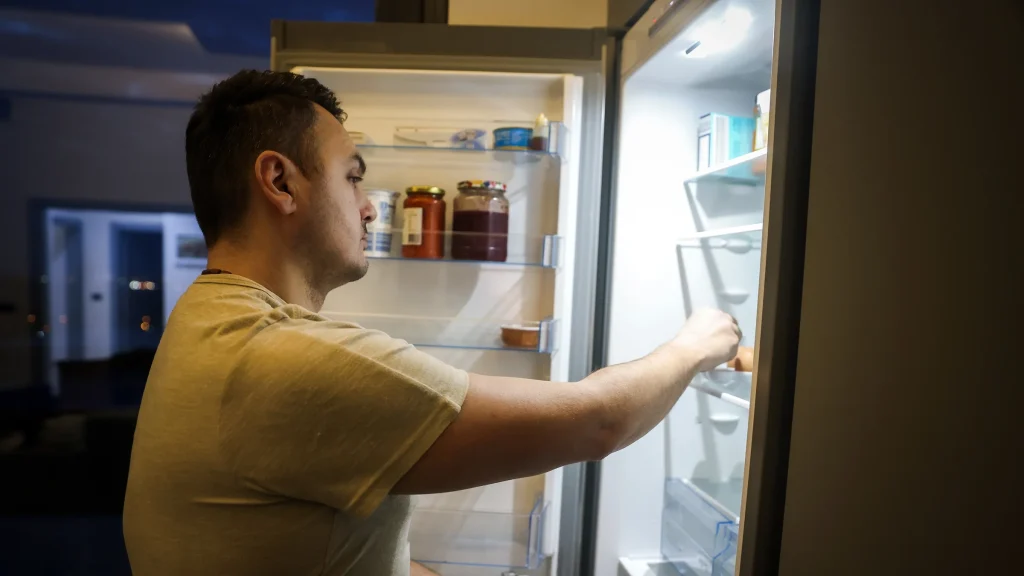
Have you ever wondered if you’re storing your medications correctly? It’s a common concern, especially when it comes to new treatments like Tirzepatide.
You might be asking yourself, “Does Tirzepatide have to be refrigerated? ” Understanding the proper storage of medications is crucial for their effectiveness and your health. We’ll uncover the details you need to know about Tirzepatide storage. By the end, you’ll feel confident in managing your medication correctly, ensuring it works just as your doctor intended.
Stick with us, and let’s clear up the confusion once and for all.

Credit: www.reddit.com
Tirzepatide Basics
Understanding the basics of Tirzepatide is essential before diving into its storage requirements. This medication has gained attention for its unique approach to managing blood sugar and weight. Knowing what Tirzepatide is and how it works will help you appreciate why proper handling, like refrigeration, might be necessary.
What Is Tirzepatide
Tirzepatide is a prescription medicine used mainly to treat type 2 diabetes. It belongs to a class of drugs that mimic natural hormones in your body to regulate blood sugar levels. Unlike some other medications, Tirzepatide targets two hormones at once, making it a standout option for many patients.
It comes as a once-weekly injection, which is convenient for people who prefer fewer doses. Many users have noticed not only better blood sugar control but also weight loss, which adds to its appeal. Have you ever wondered how a single drug can impact multiple aspects of your health?
How Tirzepatide Works
Tirzepatide works by activating two key hormones called GLP-1 and GIP. These hormones help your body manage blood sugar by increasing insulin release after meals and lowering the amount of sugar your liver produces. This dual action helps keep your blood sugar stable throughout the day.
Additionally, Tirzepatide slows down how quickly food leaves your stomach, which can reduce hunger and help with weight loss. This effect can be a game-changer for those struggling with both diabetes and obesity. Have you noticed how controlling hunger can make managing health easier?
Storage Requirements
Proper storage of Tirzepatide ensures its effectiveness and safety. Understanding the right conditions helps maintain the medication’s quality. Incorrect storage can reduce its potency and might cause health risks.
Ideal Temperature Range
Tirzepatide should be kept in a cool place. The best temperature range is between 2°C and 8°C (36°F and 46°F). Storing outside this range can damage the medicine. Avoid freezing the drug, as it can ruin its structure.
Refrigeration Benefits
Refrigeration keeps Tirzepatide stable for longer. It slows down chemical changes that reduce drug strength. The cool environment prevents bacteria growth. This keeps the medicine safe for use during its shelf life.
Handling Tirzepatide Safely
Handling tirzepatide safely ensures the medicine works well and stays effective. Proper care prevents damage and keeps the drug safe to use. Understanding storage and handling steps is important for all users.
Before First Use
Store tirzepatide in the refrigerator between 2°C and 8°C (36°F to 46°F). Do not freeze the medication. Keep it away from direct sunlight and heat sources. Check the medicine’s expiration date before use. Do not use if the solution looks cloudy or has particles.
Keep the pen or vial in its original packaging. This protects it from light. Avoid shaking the product. Handle it gently to keep the medicine stable.
After First Use
After opening, you may store tirzepatide at room temperature up to 30°C (86°F). Use the medicine within 21 days. Do not refrigerate after first use. Keep the pen or vial away from heat and light during this time.
Always recap the pen or vial after each dose. Dispose of needles safely. Never share your tirzepatide pen or vial with others. Follow all instructions from your healthcare provider carefully.

Credit: www.reddit.com
Consequences Of Improper Storage
Proper storage is essential for tirzepatide to work effectively. Incorrect storage can lead to serious problems. This section explains what happens if tirzepatide is not stored correctly.
Effect On Medication Potency
Tirzepatide loses strength if not kept cold. The medicine may break down faster at room temperature. This reduces its ability to control blood sugar. Weak medication may cause poor treatment results. Patients might need higher doses or different drugs.
Risks Of Using Spoiled Tirzepatide
Using spoiled tirzepatide can be dangerous. It may cause unexpected side effects or allergic reactions. The drug might look cloudy or change color when spoiled. Spoiled tirzepatide may not lower blood sugar as expected. This raises the risk of high blood sugar and related complications.
Traveling With Tirzepatide
Traveling with Tirzepatide requires careful attention to how you store and handle the medication. Since Tirzepatide needs specific temperature conditions, maintaining its effectiveness while on the go can be challenging. Understanding the best ways to keep it safe during travel is essential for anyone relying on this medication.
Maintaining Temperature Control
Tirzepatide must be kept refrigerated between 2°C and 8°C (36°F and 46°F) to stay effective. When traveling, sudden temperature changes can occur, so it’s important to keep the medication cool without freezing it.
Consider using an insulated bag or cooler pack to keep the medication at the right temperature. Avoid placing Tirzepatide directly on ice, as freezing can damage the drug. Check your medication regularly during your trip to ensure it hasn’t overheated or frozen.
Portable Storage Options
Several portable solutions help you carry Tirzepatide safely. Small, battery-powered mini refrigerators are now available and can maintain a stable temperature for extended periods.
If you prefer simpler options, insulated travel cases with gel packs are lightweight and easy to use. These cases keep your medication cool for hours and fit easily in your carry-on or handbag.
- Use a temperature monitor to track your medication’s condition in real-time.
- Label your medication clearly to avoid any confusion during airport security checks.
- Always carry a doctor’s note explaining the need for refrigeration to prevent any travel delays.
Have you ever faced challenges keeping your medication safe while traveling? What tools or tricks did you find most helpful? Sharing your experience might help others manage their Tirzepatide on the go more confidently.

Credit: www.reddit.com
Common Storage Mistakes
Storing tirzepatide correctly can be tricky, and many people make common mistakes that reduce its effectiveness. These errors often happen because of misunderstandings about temperature and handling requirements. Knowing what to avoid can save you money and ensure your medication works as intended.
Avoiding Freezing
Freezing tirzepatide is a frequent mistake that can ruin the medication. If you accidentally place it in the freezer or in the coldest part of your fridge, the drug can lose its potency. Have you ever found a medication that looked fine but didn’t work? That might be why.
Keep tirzepatide away from freezing temperatures by storing it in the main body of the refrigerator, not the freezer compartment. If your home experiences power outages, consider a cooler with ice packs to maintain a safe temperature temporarily.
Keeping Away From Heat And Light
Heat and direct sunlight can quickly degrade tirzepatide. Leaving it on a sunny windowsill or near a heat source can reduce its strength without any visible change. Have you ever noticed your medicine instructions warning against light exposure?
Store tirzepatide in its original packaging to protect it from light. Choose a cool, dark spot in your fridge or a dedicated medicine cooler. Regularly check the temperature and avoid storing it near the fridge door, where temperature fluctuates more often.
Tips For Monitoring Tirzepatide
Monitoring Tirzepatide carefully ensures you get the best results and avoid any risks associated with improper storage or usage. Keeping an eye on its condition helps you know when it’s safe to use and when it’s time to replace it. Here are some practical tips to help you track your medication effectively.
Checking Expiry Dates
Always check the expiry date on your Tirzepatide packaging before use. Expired medication can lose effectiveness or cause unexpected side effects.
Keep a reminder on your phone or calendar to review your supply regularly. This small habit can prevent the accidental use of outdated medicine.
Have you ever discovered expired medication in your fridge? It’s a common mistake that can be avoided with simple checks.
Signs Of Degradation
Look closely at the appearance of Tirzepatide before injecting. Changes in color, cloudiness, or particles floating in the solution are warning signs.
If you notice anything unusual, don’t use the medication. Contact your pharmacist or healthcare provider immediately for advice.
Remember, medication that looks different may have lost its potency or become unsafe.
Frequently Asked Questions
Does Tirzepatide Need Refrigeration Before Use?
Yes, Tirzepatide must be refrigerated between 2°C and 8°C (36°F and 46°F) before use. Proper storage preserves its effectiveness and safety.
Can Tirzepatide Be Kept At Room Temperature?
Unopened Tirzepatide should not be kept at room temperature. Once opened, it can be stored at room temperature for up to 21 days.
What Happens If Tirzepatide Is Not Refrigerated?
Not refrigerating Tirzepatide can reduce its potency. This may lead to less effective blood sugar control and treatment failure.
How To Store Tirzepatide During Travel?
During travel, keep Tirzepatide in a cool insulated bag with ice packs. Avoid freezing or direct sunlight exposure.
Conclusion
Tirzepatide needs to be stored in the refrigerator to stay effective. Keep it between 36°F and 46°F (2°C and 8°C). Avoid freezing or exposing it to heat. Always check the medicine label for exact instructions. Proper storage helps maintain its strength and safety.
Remember, handling medicine carefully protects your health. Storing tirzepatide right ensures it works well for your treatment. Simple steps make a big difference in your care.