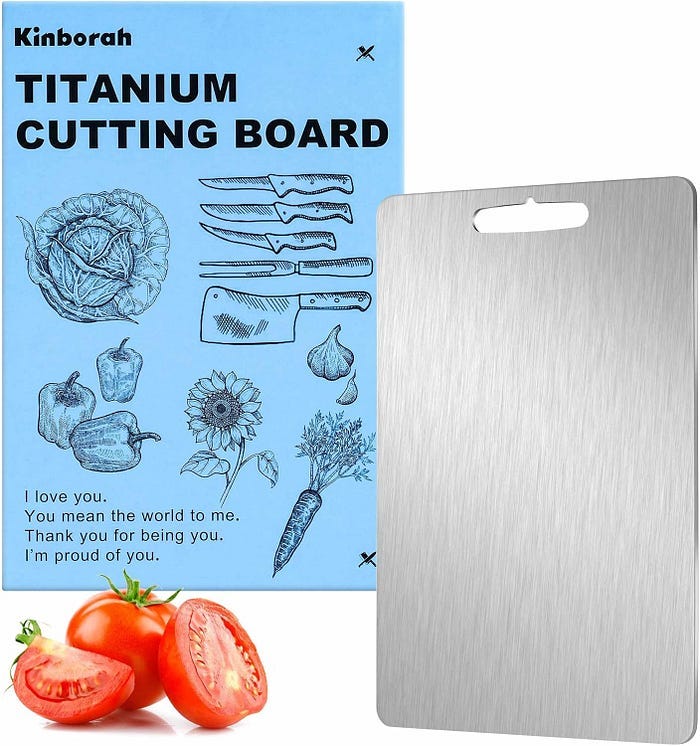
Are you worried that using a titanium cutting board might ruin your knives? You’re not alone.
Many people wonder if this tough material could dull their blades faster than other boards. If you want to keep your knives sharp and your kitchen tools in top shape, understanding how titanium cutting boards affect your knives is key.
Keep reading to find out the truth and learn how to protect your knives while enjoying the benefits of titanium.
Titanium Cutting Boards Explained
Titanium cutting boards are a newer option in kitchen tools. They use titanium metal as the main material.
People wonder if these boards dull knives faster than other types. Let’s look at what makes titanium boards unique.
Material Properties
Titanium is a strong and light metal. It resists rust and corrosion well. This makes it last a long time in kitchens.
The surface of titanium is very hard. This hardness can affect knife blades when cutting on it.
- Lightweight but very durable
- Non-porous and rust-resistant
- Very hard surface
- Easy to clean
Common Uses In Kitchens
Titanium cutting boards are used by people who want a strong and clean surface. They are less common than wood or plastic boards.
Chefs use them for cutting fruits, vegetables, and cooked meats. They are not ideal for heavy chopping because the hard surface may dull knives faster.
- Cutting soft foods
- Serving as a clean work surface
- Used in kitchens needing rust-free tools
- Good for light cutting tasks
How Knife Edges Work
Knife edges are very thin and sharp. They cut by slicing through materials with a fine line.
Over time, edges lose their sharpness due to use and contact with cutting surfaces.
Blade Sharpness And Wear
Sharp blades have a very thin edge that cuts easily. This edge wears down with use.
Wear happens from cutting, scraping, or hitting hard surfaces. The edge becomes dull and less effective.
Factors Affecting Dullness
Several things make knife edges dull faster. These include the material of the cutting board and how you use the knife.
- Hard cutting surfaces wear edges quickly
- Cutting bones or hard foods dull knives faster
- Improper sharpening can damage the edge
- Using a titanium cutting board may affect wear differently
Impact Of Titanium On Knives
Titanium cutting boards are known for their strength and durability. Many wonder if using them can dull knives faster than other materials.
This article looks at how titanium affects knife edges and blade sharpness during cutting.
Hardness Comparison
Titanium is a very hard metal, harder than wood or plastic cutting boards. Its hardness can affect knife blades differently.
Hard surfaces usually dull knives faster because the blade edge hits a tough surface each time.
- Titanium hardness is around 6 on the Mohs scale.
- Hardwood boards range from 2 to 3 on Mohs scale.
- Plastic boards score about 2 to 3 as well.
- Knife steel hardness varies but blade edges are softer than titanium.
Surface Texture Effects
The texture of a cutting board surface affects how blades wear down. Titanium boards often have a smooth, metal finish.
Smoother surfaces offer less grip, causing blades to slide more. This can cause more edge wear over time.
- Rough or softer surfaces like wood cushion the blade edge.
- Smoother titanium surfaces provide less blade protection.
- Metal surfaces can cause small chips or nicks on knives.
- Using a titanium board may require more frequent sharpening.
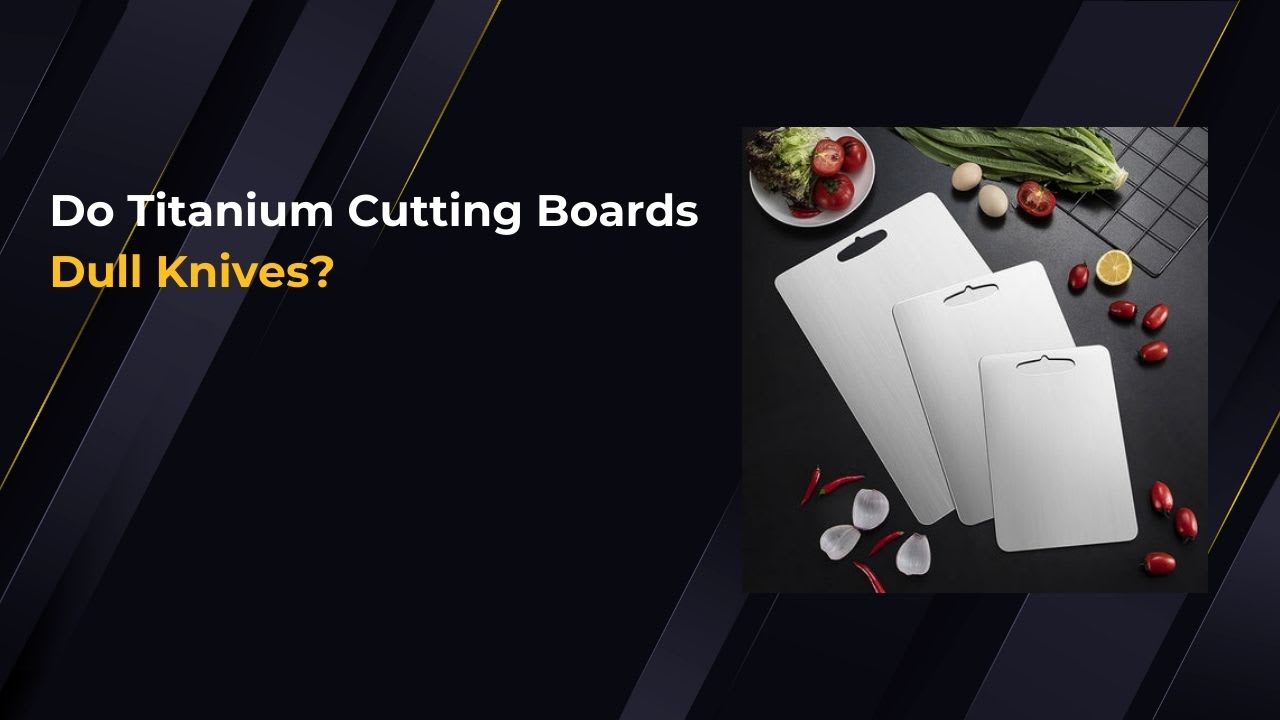
Credit: vocal.media
Comparing Cutting Board Materials
Choosing the right cutting board is important for your kitchen. Different materials affect your knives differently. Let’s explore how titanium boards compare with others.
Wood Vs Titanium
Wooden boards are gentle on knives. They are made from soft materials like maple or walnut. These boards help keep your knives sharp longer.
Titanium boards are more durable. They are harder than wood. This means they might dull knives quicker than wood boards.
- Wood is gentle on knives
- Titanium is more durable
- Titanium might dull knives faster
Plastic Vs Titanium
Plastic boards are popular for being easy to clean. They are softer than titanium, which helps protect knife edges.
Titanium boards last longer. They do not get scratches easily. But, they may cause knives to lose sharpness over time.
| Plastic | Titanium |
| Softer on knives | Long-lasting |
| Easy to clean | Harder on knives |
Glass And Ceramic Boards
Glass and ceramic boards are very hard. They look nice in kitchens. But, they are not knife-friendly. They can dull knives quickly.
Titanium boards are a better choice than glass and ceramic for knife care. They offer more durability without the extreme hardness.
- Glass and ceramic are very hard
- Titanium is less likely to dull knives
- Glass and ceramic look stylish
Real User Experiences
Many people wonder if titanium cutting boards dull knives quickly. Real users share their thoughts and experiences on this topic. These insights help understand the pros and cons better.
Below are common opinions from those who have tried titanium cutting boards in their kitchens.
Positive Feedback
Some users say titanium cutting boards do not dull their knives much. They find the boards very durable and easy to clean. The hard surface resists scratches and stains well.
- The boards are lightweight but strong.
- Knives stay sharp after cutting for weeks.
- Good for heavy use in busy kitchens.
- Some users notice less knife damage compared to glass boards.
Common Complaints
Other users report their knives dull faster with titanium boards. The hard metal surface may be too tough on blades. Some feel it causes small chips or dull edges.
| Complaint | Details |
| Knife dulling | Blades lose sharpness quickly after use |
| Chipping | Small chips appear on fine knives |
| Noise | Cutting sound is louder than with wood or plastic |
| Surface marks | Knives leave visible marks on board surface |
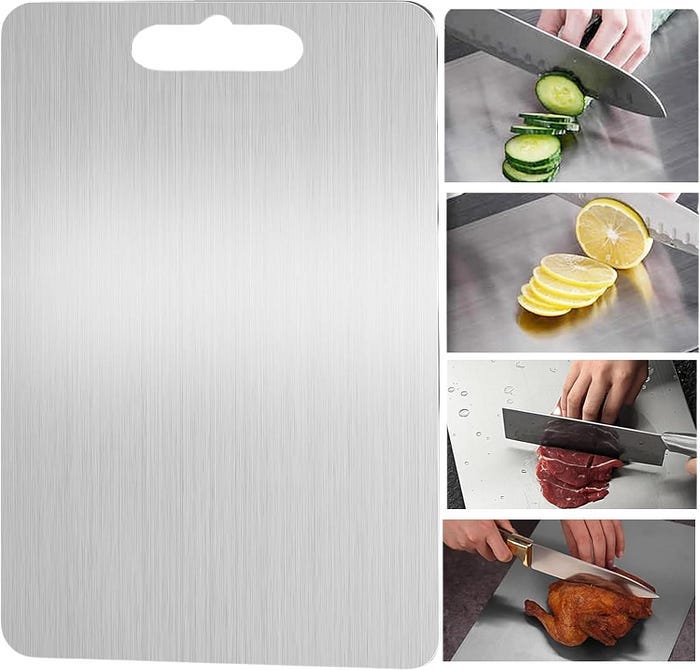
Credit: medium.com
Maintaining Knife Sharpness
Using the right cutting board helps keep knives sharp longer. Titanium cutting boards are strong but may affect blade edges.
Knowing how to maintain your knives and care for your cutting board protects your tools and improves cooking.
Sharpening Techniques
Sharpen knives regularly to keep a clean, sharp edge. Dull knives need more pressure and can be unsafe.
Use sharpening stones, manual or electric sharpeners to restore the blade’s edge. Keep the angle steady while sharpening.
- Use coarse grit to fix chips or dull edges
- Use fine grit to polish and refine the blade
- Hone knives often with a honing rod for minor edge fixes
Proper Cutting Board Care
Clean your cutting board after every use to avoid damage. Avoid harsh scrubbing on titanium boards to protect the surface.
Store the board in a dry place. Avoid cutting hard objects like bones on the board to reduce wear on your knives.
- Wash with warm, soapy water and dry well
- Do not put titanium boards in the dishwasher
- Use separate boards for meats and vegetables
- Inspect the board surface regularly for scratches or dents
Expert Recommendations
Choosing the right cutting board can protect your knives from dulling quickly. Experts share tips on cutting board materials and how to avoid damage to your blades.
Titanium cutting boards are rare and often misunderstood. Knowing the best options helps you keep knives sharp and safe for long use.
Best Cutting Board Choices
Wood and plastic remain the top choices for cutting boards. They balance durability and knife safety. Titanium boards may be hard but can wear down knives faster.
- Wood boards are gentle on knives and self-healing.
- Plastic boards are affordable and easy to clean.
- Titanium boards are very hard and can dull knives quickly.
- Bamboo boards are eco-friendly but a bit harder on blades.
Avoiding Knife Damage
To keep knives sharp, avoid cutting on very hard surfaces. Use the right board and maintain your knives properly.
| Tip | Reason |
| Use wooden or plastic boards | Protects knife edges better |
| Do not cut on metal or titanium boards | Hard surfaces dull blades fast |
| Sharpen knives regularly | Keeps edges clean and effective |
| Clean boards properly | Prevents damage and bacteria |
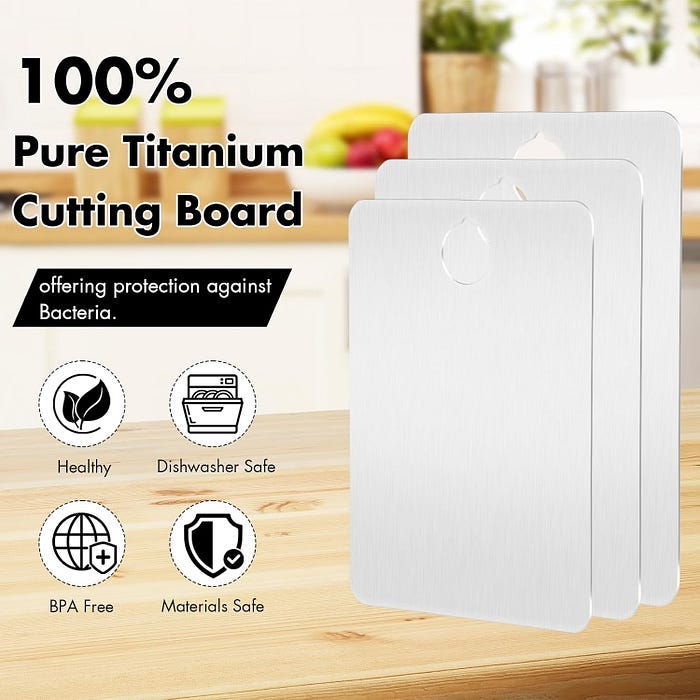
Credit: medium.com
Frequently Asked Questions
Does A Titanium Cutting Board Dull Knives Faster?
No, titanium cutting boards are gentle on knives. They resist scratches and maintain blade sharpness longer than harder surfaces like glass or stone.
Are Titanium Cutting Boards Better For Knife Longevity?
Yes, titanium boards offer a balanced hardness that protects knife edges. They reduce the chance of dulling compared to harder or overly soft boards.
How Does Titanium Compare To Wood Or Plastic Boards?
Titanium cutting boards are more durable and less porous than wood or plastic. They resist bacteria buildup and keep knives sharper without damaging blades.
Can Titanium Boards Withstand Heavy Chopping Without Damage?
Yes, titanium cutting boards are strong and resist dents or cracks. This durability helps maintain a smooth surface that protects knife edges during heavy use.
Conclusion
Titanium cutting boards do not dull knives quickly. They offer a strong, smooth surface for cutting. Knives stay sharper longer compared to harder surfaces like glass or stone. Using proper cutting techniques also helps protect your blades. Choose a cutting board that suits your knife type and cooking style.
Regular maintenance keeps both your knives and board in good shape. This way, you enjoy better cutting performance every time.