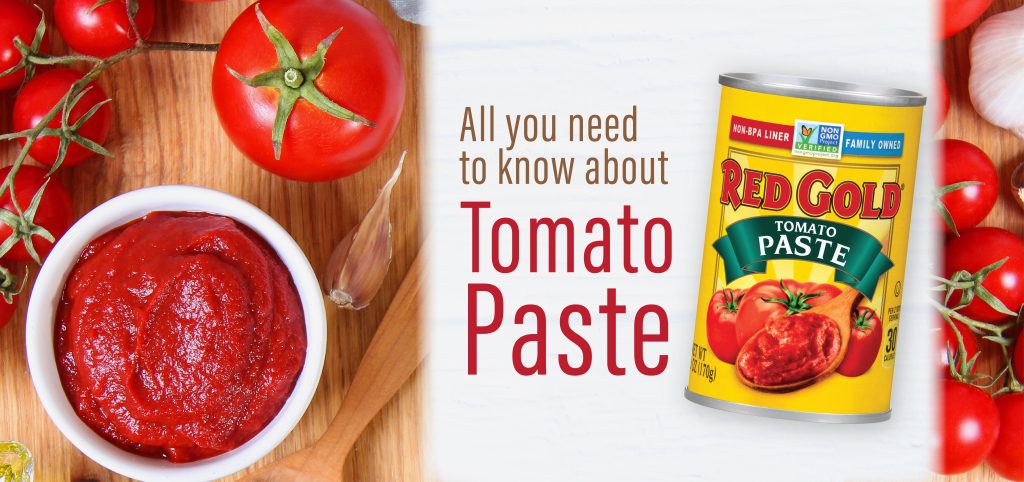
Have you ever found yourself standing in your kitchen, staring at that half-used can of tomato paste, and wondering if it needs to be refrigerated? You’re not alone.
This common kitchen conundrum sparks curiosity and a bit of anxiety for many home cooks. The last thing you want is to ruin your next meal with a spoiled ingredient. But worry not! This article will unravel the mystery for you, ensuring your tomato paste stays fresh and your culinary creations remain delicious.
Dive in to discover the simple secrets of storing tomato paste and never second-guess your kitchen habits again.
Tomato Paste Basics
Understanding the basics of tomato paste is essential before diving into its storage needs. Tomato paste is a pantry staple that adds rich, concentrated tomato flavor to countless dishes. Knowing what it is and how you use it can help you handle it properly and avoid waste.
What Is Tomato Paste?
Tomato paste is made by cooking down tomatoes to remove most of the water content. This process leaves behind a thick, dense product packed with intense tomato flavor. Unlike tomato sauce or puree, tomato paste is highly concentrated and usually comes in small cans or tubes.
Its thickness means you only need a small amount to boost your recipes. Have you ever noticed how a spoonful of tomato paste can transform a soup or sauce? That’s the power of this concentrated ingredient.
Common Uses In Cooking
Tomato paste is incredibly versatile and appears in many recipes. It’s often added to soups, stews, and sauces to deepen the flavor. You might also find it in meat dishes, chili, and even some pasta recipes.
- Enhances the richness of tomato sauces
- Adds depth to slow-cooked dishes like chili or stew
- Used as a base for homemade ketchup or barbecue sauce
- Boosts flavor in casseroles and baked dishes
Have you ever tried adding tomato paste to a dish and felt it was missing something before? That missing piece often comes from this simple ingredient. It’s a small addition with a big impact.

Credit: www.gianteagle.com
Storage Requirements
Understanding how to store tomato paste properly can save you from wasting food and money. The storage requirements depend on whether the tomato paste is opened or unopened. Knowing these differences helps you keep the paste fresh and flavorful for your meals.
Shelf Life Before Opening
Unopened tomato paste usually lasts a long time due to the airtight packaging and preservatives. Most cans or tubes come with an expiration date that can range from 12 to 18 months from the manufacturing date.
Keep it in a cool, dry place away from direct sunlight. A pantry or cupboard works perfectly. Have you ever found an old can of tomato paste in the back of your pantry? Chances are it was still safe to use if unopened.
Shelf Life After Opening
Once opened, tomato paste becomes more vulnerable to spoilage. You should transfer any unused paste into a clean, airtight container to avoid contamination and moisture exposure.
Refrigerate the container immediately. Typically, opened tomato paste will stay fresh for about 5 to 7 days in the fridge. If you want to keep it longer, freezing small portions in ice cube trays is a great trick.
Refrigeration Benefits
Keeping tomato paste in the refrigerator offers many benefits. It helps maintain the quality and safety of the product. The cold environment slows down spoilage and keeps the paste usable for longer.
Preserving Freshness
Refrigeration keeps tomato paste fresh by slowing down oxidation. This prevents the paste from losing its rich flavor and vibrant color. The cool temperature helps maintain its thick texture. Fresh tomato paste enhances the taste of your meals every time.
Preventing Bacterial Growth
Tomato paste is moist and can attract bacteria if left out. Refrigeration creates a cold environment that stops harmful bacteria from growing. This reduces the risk of foodborne illnesses. Keeping tomato paste in the fridge ensures it stays safe to eat for weeks after opening.
Credit: taichytomato.com
Alternative Storage Methods
If you’re wondering how to keep tomato paste fresh without using the fridge immediately, there are smart alternatives you can try. These methods not only extend the shelf life but also preserve the taste and texture. Let’s look at some practical ways to store tomato paste effectively.
Freezing Tomato Paste
Freezing tomato paste is one of the easiest and most convenient ways to store it for a longer time. You can spoon small portions into an ice cube tray, freeze them, and then transfer the cubes into a sealed freezer bag. This lets you thaw just the amount you need without wasting the rest.
I once had leftover tomato paste that I froze in tablespoon-sized portions. Weeks later, I simply popped out a cube and added it straight to my sauce. It saved me time and kept the flavor fresh, avoiding the hassle of spoiling paste in the fridge.
Using Airtight Containers
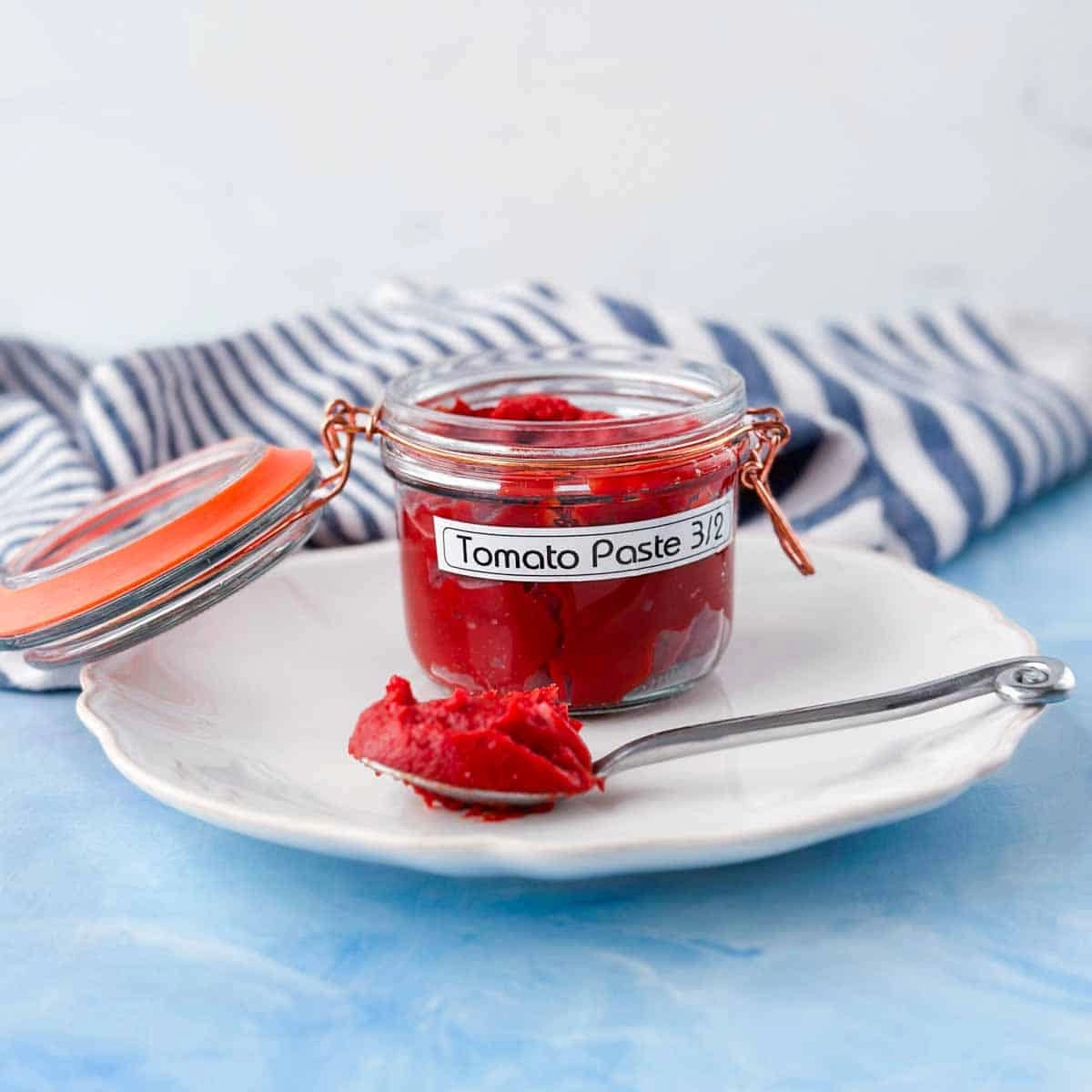
If freezing isn’t an option, airtight containers can help keep your tomato paste fresh in the fridge. Transfer the paste into a small container and press a piece of plastic wrap directly on the surface before sealing it. This minimizes air exposure, which slows down spoilage.
Glass jars with tight lids work well here, too. They don’t absorb odors and are easy to clean. Have you tried storing tomato paste this way? You might be surprised how much longer it lasts compared to keeping it in the original can.
Signs Of Spoilage
Tomato paste can spoil if not stored properly. Knowing the signs of spoilage helps avoid bad taste and health risks. Check tomato paste regularly for any changes. Spoiled tomato paste has clear signs that anyone can spot.
Visual Changes
Look for any mold on the surface or edges. Mold can be white, green, or black. Dark spots or unusual color changes also show spoilage. Fresh tomato paste is bright red and smooth. If it looks dull or brownish, it may be bad. Liquid separation is normal but too much liquid can be a problem.
Smell And Texture
Smell the tomato paste before use. A sour or off odor means it is spoiled. Fresh paste has a strong, pleasant tomato smell. Texture changes like thick clumps or sliminess are warning signs. Spoiled paste feels sticky or mushy instead of smooth. Trust your senses to know if it is safe.

Credit: naturevalleyuae.com
Tips For Longer Storage
Storing tomato paste properly keeps it fresh and tasty for longer. Good storage habits reduce waste and save money. Simple steps can extend the life of your tomato paste.
Portioning Techniques
Divide tomato paste into small, usable portions before storing. Use ice cube trays or small containers for easy measurement. Freeze portions to prevent spoilage and avoid thawing the whole batch. Transfer frozen cubes to a sealed bag for space-saving storage.
Labeling And Dating
Mark each container or bag with the date of storage. Use a permanent marker or labels for clear visibility. Dating helps track freshness and prevents using old paste. Rotate older portions to the front for quick use.
Frequently Asked Questions
Does Unopened Tomato Paste Need Refrigeration?
No, unopened tomato paste can be stored in a cool, dry pantry. Refrigeration is unnecessary until after opening to maintain freshness and prevent spoilage.
How Long Does Tomato Paste Last Refrigerated?
Refrigerated tomato paste lasts about 5 to 7 days. Store it in an airtight container to keep it fresh and avoid contamination.
Can You Leave Tomato Paste Out After Opening?
No, once opened, tomato paste should be refrigerated. Leaving it out increases the risk of bacteria growth and spoilage.
Is Freezing Tomato Paste A Good Option?
Yes, freezing tomato paste extends its shelf life. Freeze in small portions to use conveniently without thawing the entire batch.
Conclusion
Tomato paste lasts longer when kept in the fridge. It helps keep the flavor fresh and stops spoilage. Always seal the container tightly after use. Avoid leaving tomato paste out for many hours. Refrigeration slows down bacteria growth and keeps it safe.
This simple step saves food and money. Now you know how to store tomato paste well. Use this tip for better cooking results every time.