
Are you wondering if turning off your air conditioner really helps save money? It’s a simple question, but the answer might surprise you.
You’ve probably heard different opinions—some say switching it off is the best way to cut costs, while others think leaving it on uses less energy. What if the truth lies somewhere in between? You’ll discover the facts behind your energy bills and learn smart tips to keep your home cool without wasting money.
Keep reading to find out how small changes can make a big difference for your wallet.

Credit: www.directenergy.com
How Air Conditioners Impact Energy Bills
Air conditioners use a lot of electricity to cool your home. This can make your energy bills higher during hot months.
Turning off the air conditioner can reduce energy use. But how much money you save depends on many factors.
Energy Consumption Patterns
Air conditioners use the most energy when they start running. They work hard to cool down your space quickly.
Once the room is cool, the AC uses less energy to keep the temperature steady. It cycles on and off throughout the day.
- AC uses more power at startup
- Energy drops during steady cooling
- Longer run times mean higher bills
- Turning off AC stops all energy use
Factors Affecting Ac Efficiency
Several things can make your air conditioner use more or less electricity. These affect how much money you spend.
Clean filters, good insulation, and proper maintenance help the AC work better. Old or broken parts use more energy.
- Dirty filters reduce airflow and efficiency
- Poor insulation lets cool air escape
- Leaky doors or windows increase energy use
- Regular maintenance keeps AC running well
Cost Implications Of Turning Off The Ac
Turning off your air conditioner can affect your electricity bill. People often think it saves money right away.
It is important to look at both short-term savings and long-term costs. This helps you understand the real impact.
Short-term Savings
When you switch off the AC, your electric meter slows down. This means you pay less for power each day.
- You use zero electricity while the AC is off.
- This can reduce your energy bill immediately.
- It helps if you only need cooling at certain times.
- Lower usage also reduces wear on the system.
Potential Long-term Costs
Turning off the AC often can cause it to work harder later. This may increase repair bills over time.
| Effect | Explanation | Cost Impact |
| System Stress | AC needs more power to cool after being off | Higher energy bills |
| Wear and Tear | Frequent starts and stops can wear parts | More maintenance and repairs |
| Humidity Build-up | Moisture can damage ducts and walls | Possible repair costs |
When Turning Off Ac Saves Money
Turning off your air conditioner can save money if done at the right times. It depends on the temperature outside and how you use your thermostat.
Understanding when to turn off the AC helps reduce energy bills without losing comfort. Let’s look at two ways to save money by managing your air conditioner.
During Cooler Hours
Turning off the AC during cooler hours, like early morning or late evening, can lower your energy use. The outside air is cooler, so your home stays comfortable longer without cooling.
- Open windows to let in cool air
- Turn off AC when temperatures drop below 75°F (24°C)
- Use fans to circulate air inside
- Keep curtains closed during sunny hours
Using Thermostat Wisely
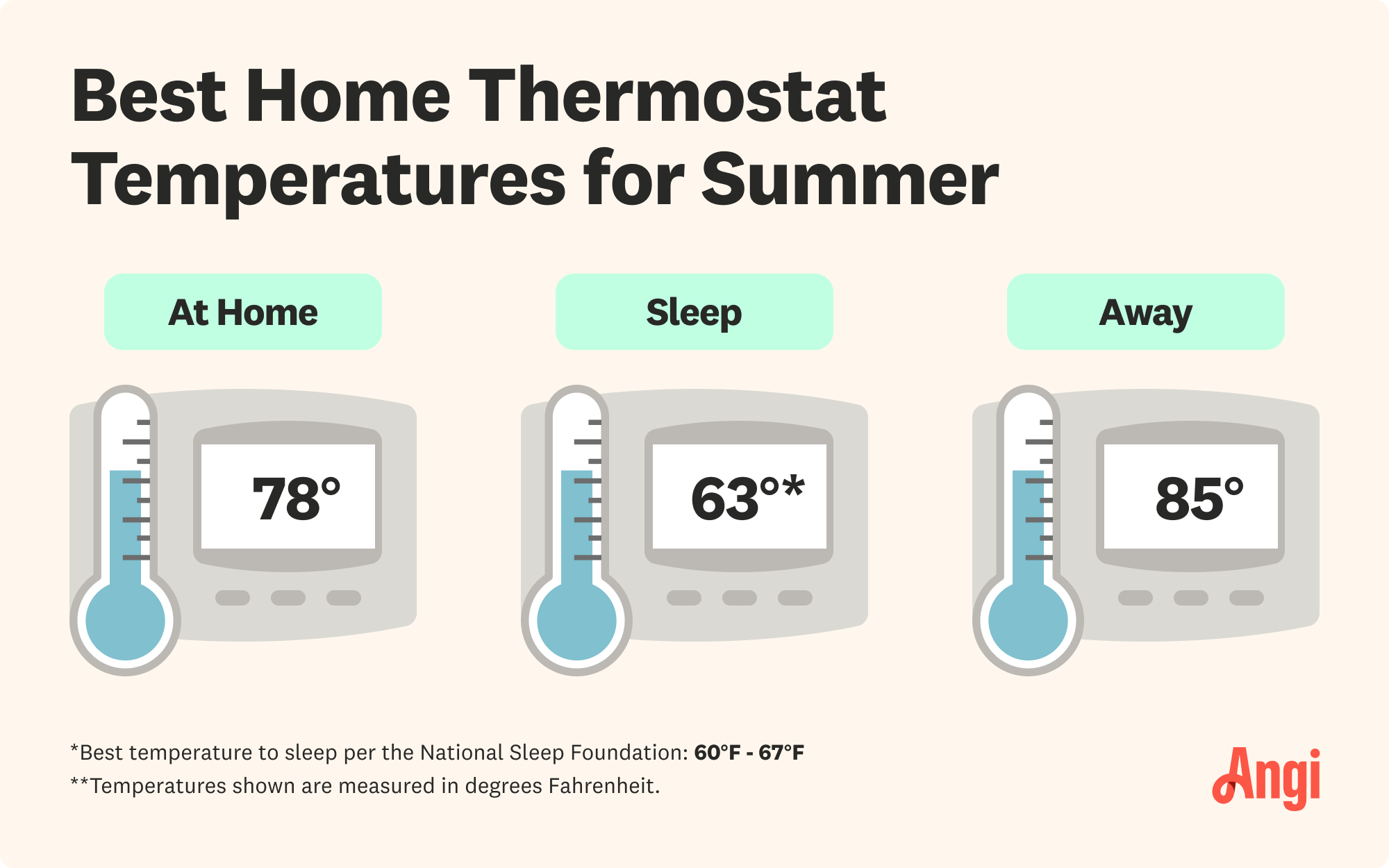
Setting your thermostat correctly saves money by reducing AC run time. Avoid very low temperatures and use programmable settings to match your schedule.
| Thermostat Setting | Energy Use Impact |
| 78°F (26°C) when home | Lower energy use, moderate cooling |
| 85°F (29°C) when away | Minimal energy use, saves money |
| Too low (below 72°F) | High energy use, higher bills |
Credit: www.angi.com
Smart Alternatives To Save Energy
Turning off your air conditioner may seem like a quick way to save money. Yet, there are smarter ways to use energy wisely. Using these alternatives helps you keep cool while lowering your bills.
Here are some simple methods to save energy without losing comfort in your home during hot days.
Programmable Thermostats
Programmable thermostats let you set your air conditioner to run only when needed. You can adjust temperatures for different times of the day. This way, you avoid cooling an empty house.
- Set higher temperatures during work hours
- Cool your home before you return
- Lower the temperature at night for comfort
- Avoid constant temperature changes
Regular Maintenance
Keeping your air conditioner clean and well-maintained helps it run efficiently. Dirty filters and coils make the system work harder, using more energy.
| Maintenance Task | Frequency |
| Clean or replace filters | Every 1-3 months |
| Check refrigerant levels | Yearly |
| Clean coils and fins | Yearly |
| Inspect ducts for leaks | Every 2 years |
Using Fans And Ventilation
Fans help circulate air and cool your body without using as much energy as air conditioners. Proper ventilation also removes hot air from inside your home.
Try these tips:
- Use ceiling fans to push cool air down
- Open windows early morning and late evening
- Use exhaust fans in kitchens and bathrooms
- Close blinds during the hottest part of the day
Balancing Comfort And Savings
Turning off your air conditioner can save money, but it may affect comfort. Finding the right balance helps you stay cool and reduce costs.
Small changes in how you use your AC make a big difference. Let’s explore ways to keep cool and save energy.
Setting Optimal Temperatures
Choosing the right temperature setting helps control costs and comfort. Too cold wastes energy, too warm feels uncomfortable.
- Set your thermostat to 78°F (25.5°C) when home and active.
- Raise the temperature by 7-10 degrees when away to save energy.
- Use a programmable thermostat to adjust settings automatically.
- Keep blinds closed during hot afternoons to reduce heat inside.
Zoning And Room Usage
Cooling only the rooms you use saves energy and money. Different zones allow better control over your home’s temperature.
| Zone | Usage Tips | Energy Savings |
| Living Room | Cool during daytime when occupied | High |
| Bedrooms | Cool only at night or when in use | Medium |
| Unused Rooms | Turn off or close vents | High |

Credit: santannaenergyservices.com
Frequently Asked Questions
Does Turning Off Ac Save Money On Electricity Bills?
Yes, turning off the AC reduces energy use and lowers electricity bills. It prevents unnecessary power consumption when cooling is not needed, leading to cost savings over time.
How Long Should I Turn Off Ac To Save Money?
Turning off the AC for at least 30 minutes to an hour helps save energy. Longer breaks allow the unit to rest, reducing overall power usage and costs.
Will Frequent Ac On/off Damage The Unit?
No, modern AC units handle frequent switching without damage. However, avoid turning it on and off rapidly to maintain efficiency and prevent wear on components.
Does Setting A Higher Temperature Save More Money?
Yes, raising the thermostat by a few degrees reduces energy use. Each degree higher can lower cooling costs by up to 3-5%.
Conclusion
Turning off the air conditioner can help save money on energy bills. It reduces power use when cooling is not needed. But, frequent switching may make the unit work harder later. Using a timer or setting a higher temperature can balance comfort and savings.
Small changes in habits lead to big savings over time. Think about your daily routine and adjust cooling wisely. Saving money is possible with smart air conditioner use.