
Are you wondering if turning off your air conditioner really saves you money? You’re not alone.
Many people believe that switching off the AC whenever possible will cut their electricity bills. But is it that simple? What if turning it off actually costs you more in the long run? You’ll discover the surprising truth behind your AC’s energy use and learn smart tips to keep your home cool without wasting cash.
Keep reading—your wallet will thank you.

Credit: www.directenergy.com
How Air Conditioners Consume Energy
Air conditioners use a lot of electricity. They work by pulling heat out of a room. The compressor, fans, and motors all need power to run. Energy use changeswith temperature and how often the AC runs. More heat outside means more energy needed inside.
Several factors affect energy consumption:
- Room size – bigger rooms need more cooling power.
- Thermostat setting – lower temperatures use more energy.
- AC type and age – newer models are often more efficient.
- Insulation quality – poor insulation causes more energy loss.
- Frequency of use – constant running uses more electricity.
Credit: www.angi.com
Impact Of Turning Off The Ac
Turning off the air conditionercan lead to energy savings. The AC uses a lot of power to keep rooms cool. When off, it stops using electricity, which reduces energy bills. But saving depends on how long the AC is off and the outside temperature.
The indoor temperaturewill rise after switching off the AC. It takes time for the room to heat up. This rise can make the space uncomfortable. Fans or natural ventilation can help cool the room without using much energy.
| Factor | Effect |
|---|---|
| AC Off Duration | Longer off time saves more energy |
| Outdoor Temperature | Hotter weather raises indoor temperature faster |
| Room Insulation | Better insulation keeps room cooler longer |
| Use of Fans | Fans help reduce heat without high energy use |
Cost Comparison: Off Vs. On
Turning off the air conditionercan save money quickly. The energy used by the AC is high. So, switching it off reduces the electric bill immediately. Running the AC only when needed helps cut daily costs. But, this saving is mostly short-term.
Long-term expenses can rise if the AC is off for too long. The home may get very hot, making the AC work harder later. This can cause more wear and tear on the machine. Repairs and early replacement might increase costs. Also, constant on/off use can lower the AC’s life.
| Aspect | Turning AC Off | Keeping AC On |
|---|---|---|
| Short-Term Savings | Lower electric bills immediately | Higher daily energy use |
| Long-Term Expenses | Possible higher repair costs | Steady maintenance costs |
| Comfort | Less consistent cooling | More stable room temperature |

Credit: santannaenergyservices.com
Best Practices For Efficient Cooling
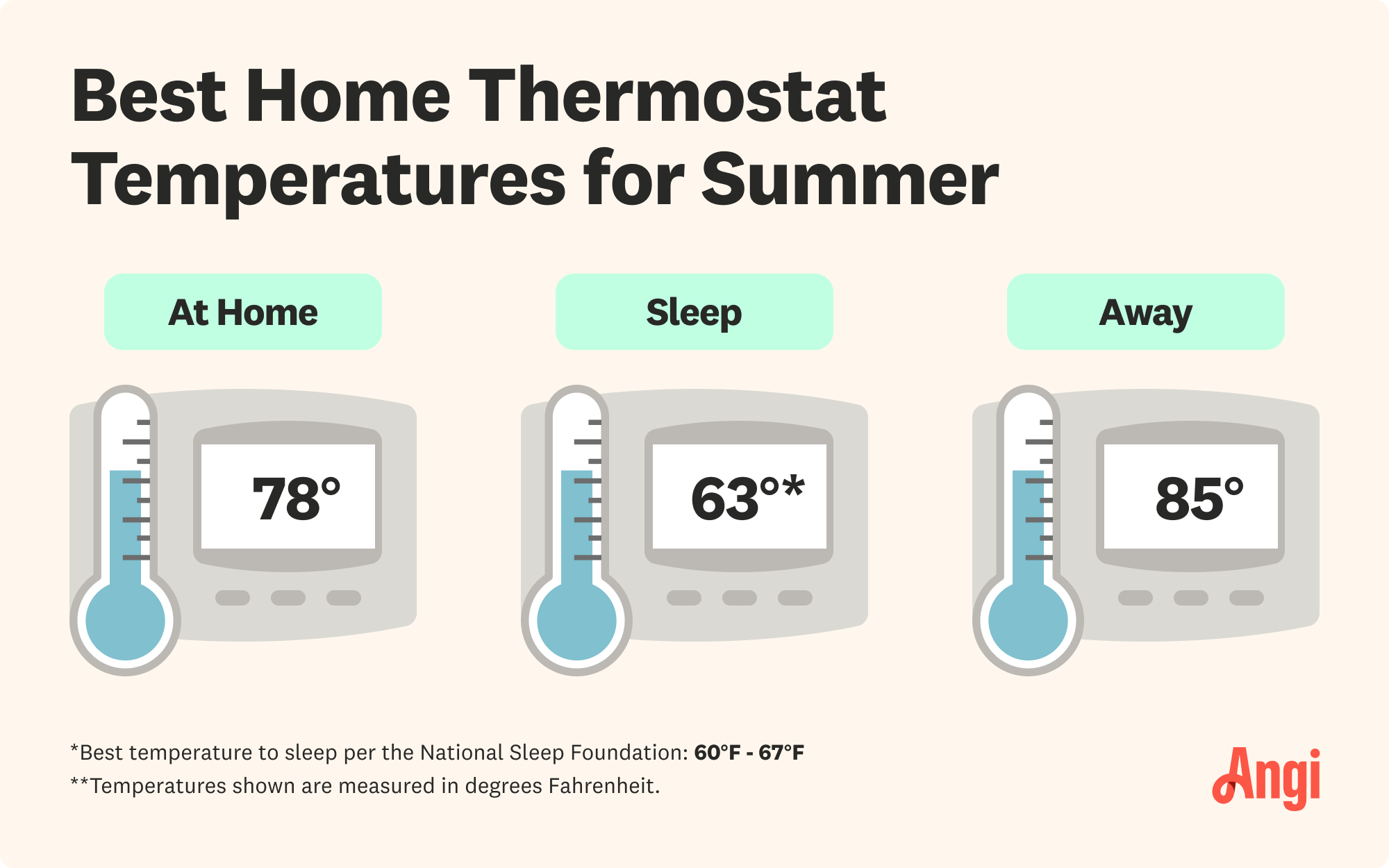
Setting the thermostat to 78°F (26°C)saves energy and keeps rooms cool. Lower settings use more power and increase bills. Use fans to move air and feel cooler without lowering the temperature. Fans use less electricity and help spread cool air.
Open windows in the early morning or late evening for natural ventilation. This can reduce the need for air conditioning during cooler hours.
| Maintenance Task | Why It Helps |
|---|---|
| Clean or replace air filters monthly | Improves airflow and AC efficiency |
| Check for leaks in ducts | Prevents cool air loss |
| Clear debris around outdoor unit | Ensures better heat exchange |
| Schedule yearly professional check-up | Maintains system performance |
Alternative Cooling Solutions
Turning off the air conditioner can reduce electricity bills, but only if the cooling is replaced with other methods. Using fans or natural ventilation offers cheaper ways to stay cool without high energy costs.
Energy-efficient Ac Models
Energy-efficient air conditionersuse less power to cool rooms. They have better cooling technology. This helps reduce electric bills. Many models come with a high Energy Star rating. Choosing these can save money over time. They also last longer and need less maintenance. Regular cleaning of filters keeps them efficient.
Natural Cooling Methods
Natural ways can cool your home without electricity. Use fansto move air and create a breeze. Open windows early in the morning or late at night to let cool air in. Planting trees around your house blocks sunlight and lowers temperature. Closing blinds or curtains during the day keeps heat out. Using light-colored curtains reflects sunlight. These methods help keep rooms cooler and save energy.
Frequently Asked Questions
Does Turning Off The Ac Save Electricity Costs?
Yes, turning off the AC saves electricity by stopping energy use. However, frequent off-on cycles may reduce efficiency and increase costs. Use programmable thermostats for optimal savings by cooling only when needed.
How Long Should I Turn Off My Ac To Save Money?
Turning off your AC for several hours during cooler parts of the day saves money. Short breaks may not reduce costs significantly. Aim for at least 1-2 hours off to notice savings without discomfort.
Will Turning Off Ac Affect My Energy Bill Significantly?
Turning off the AC can lower your energy bill if done strategically. Constantly running the unit wastes power, but frequent restarts can increase consumption. Proper use balances comfort and savings.
Is It Better To Turn Off Or Set Ac To Higher Temperature?
Setting the AC to a higher temperature saves money by reducing energy use. Turning it off saves more but may cause discomfort. Use a temperature around 78°F for efficient, cost-effective cooling.
Conclusion
Saving money on air conditioning is possible. Turn off the unit when not needed. Reduce energy bills by cooling only essential areas. Use fans to circulate air effectively. Close curtains during hot hours. Keep filters clean for efficiency. Small changes lead to noticeable savings.
Consistent habits make a big difference. Be mindful of your energy use. Enjoy a cooler home and a lighter bill.