Have you ever wondered if turning your air conditioner on and off actually costs you more money? You might be surprised by what’s true and what’s just a common myth.
Understanding how your AC uses energy can help you save on your bills without sacrificing comfort. Keep reading to find out the simple facts that will change the way you use your air conditioner—and help you keep more cash in your pocket.

Credit: www.bhg.com
How Air Conditioners Use Energy
Air conditioners use the most energy when they start up.The compressor and fan need a burst of power to get going. This startup uses about 2 to 3 times more energy than running. But this high use lasts only a few seconds.
After startup, the air conditioner settles into a steady, lower energy use. This is called continuous operation. The compressor cycles on and off to keep the room cool. During this time, energy use is much less than at startup.
| Phase | Energy Use | Duration |
|---|---|---|
| Startup | 2 to 3 times higher | Few seconds |
| Continuous Operation | Lower, steady use | Minutes to hours |
Credit: www.angi.com
Myths About Turning Air Conditioners On And Off
Turning air conditioners on and off does not cost more energy. Running them continuously can actually use more electricity. Short breaks help save power without harming the unit.
Common Misconceptions
Many believe that turning the air conditioner on and off uses more power than leaving it on. This is not always true. The air conditioner uses the most energy when it starts up, but turning it off when not needed saves electricity. Running the AC continuously can waste energy if the room is already cool.
Why These Myths Persist
People often think the AC motor works harder after being off for a while. This idea comes from older machines that were less efficient. Modern air conditioners use smart technology, making frequent on-and-off cycles less costly. Misunderstanding how AC units work keeps this myth alive.
Factors Affecting Energy Costs
Thermostat settingsplay a big role in energy use. Setting the temperature too low or too high makes the AC work harder. Adjusting the thermostat by a few degrees can save energy and money.
Room insulationhelps keep cool air inside. Poor insulation lets warm air in and cool air out. This causes the AC to run longer and use more energy. Adding insulation or sealing leaks can improve efficiency.
| AC Unit Efficiency | Effect on Energy Costs |
|---|---|
| High Efficiency Units | Use less energy and cost less to run |
| Old or Low Efficiency Units | Use more energy and increase costs |
When Turning Off Saves Money
Turning off the air conditioner during short breaksmay not save much energy. The unit uses more power to cool the room again. For long absences, switching it off is better. This stops energy waste while you are away.
Using timershelps control when the AC runs. It can turn off during times you don’t need cooling. Smart controlsadjust settings based on temperature and schedule. This keeps rooms cool efficiently and saves money.
Practical Tips To Reduce Ac Energy Bills
Regular maintenancekeeps your AC running smoothly and saves energy. Clean or replace filters every month. Dust and dirt block airflow and make the AC work harder. Check the coils and fins for dirt build-up and clean them gently. A well-maintained AC uses less power.
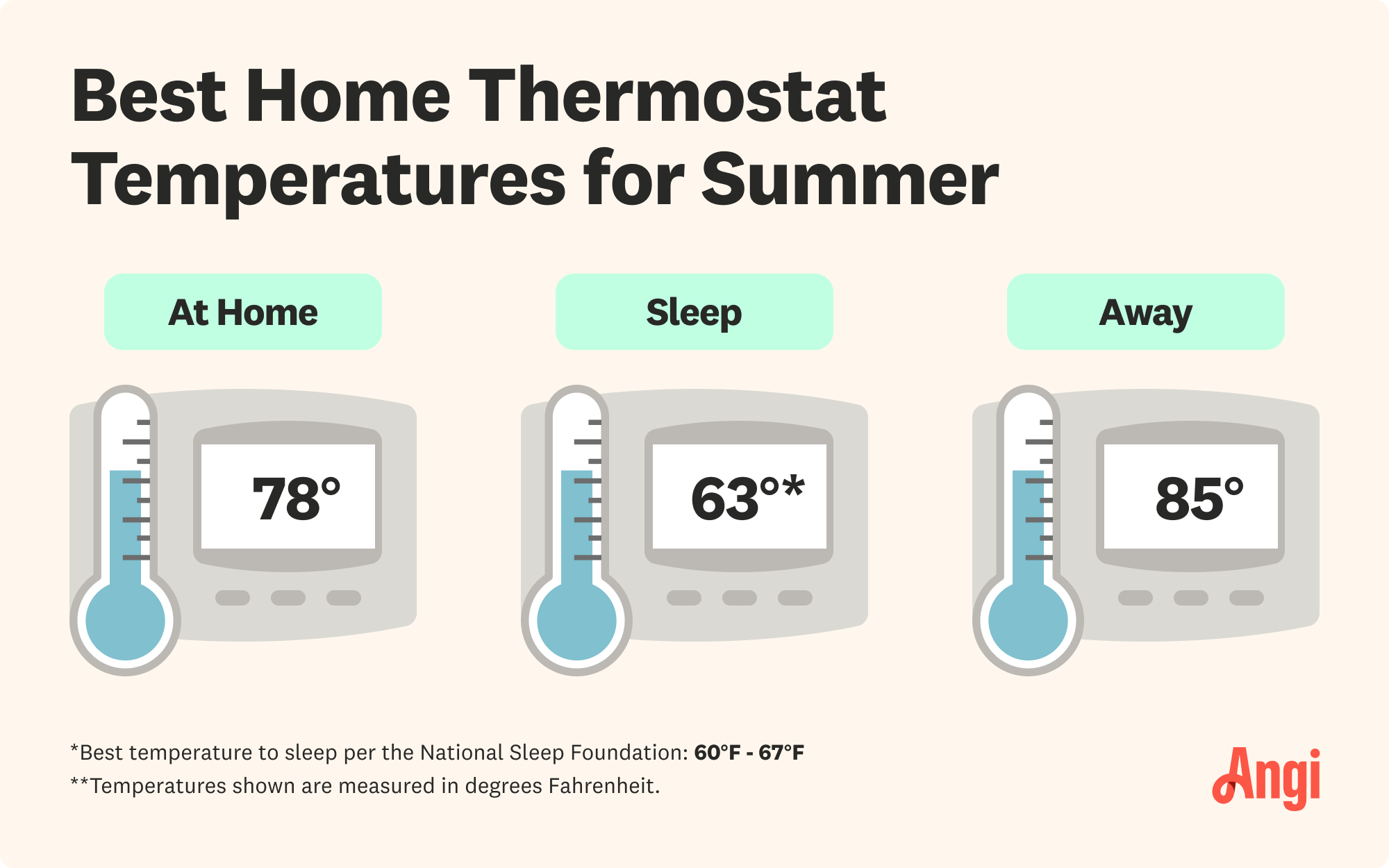
Set the thermostat to an optimal temperaturebetween 24°C and 26°C (75°F to 78°F). Too cold settings use more energy. Use a programmable thermostat to adjust temperature when you are not home. This prevents energy waste.
- Enhance airflowby keeping vents and doors open.
- Use fans to help cool the room faster.
- Close curtains during the day to block heat from sunlight.
- Seal leaks around windows and doors to keep cool air inside.

Credit: blairsair.com
Frequently Asked Questions
Does Frequently Turning Ac On And Off Increase Cost?
Yes, frequently turning the AC on and off can increase costs. This is because the system uses more energy to reach the desired temperature from a complete stop. Consistently doing this can also cause wear and tear, leading to potential maintenance issues and inefficiencies over time.
How Does Ac Cycling Affect Energy Bills?
AC cycling can significantly impact your energy bills. Each start-up requires a surge of energy, making frequent cycling costly. Maintaining a consistent temperature reduces these spikes. A steady operation is more efficient and may help lower your overall energy consumption and bills.
Is It Cheaper To Leave Ac On All Day?
Leaving the AC on all day at a moderate temperature can be more economical. This approach avoids the high energy demand of cooling a hot room from scratch. However, it’s essential to consider your home’s insulation and the outside temperature to optimize efficiency.
Does Ac Wear Out Faster With Frequent Switching?
Frequent switching can cause the AC to wear out faster. The constant start and stop put stress on the system’s components. Over time, this can lead to mechanical issues and potentially costly repairs. To prolong AC lifespan, maintain a consistent operation pattern.
Conclusion
Turning your air conditioner on and off does not always cost more. It uses a bit of extra energy at startup, but not enough to waste money. Running the AC continuously can sometimes use more power overall. Short breaks help save energy and lower bills.
Use a timer or thermostat to control the temperature well. This way, your home stays cool without extra costs. Smart choices keep your energy use balanced and affordable. Simple habits make a big difference in saving money.