Have you ever wondered if turning your air conditioner on and off actually costs you more money? You might think keeping it running nonstop is the expensive option, or maybe you believe switching it off saves energy.
The truth isn’t as simple as it seems. What if the way you use your AC right now is quietly draining your wallet without you realizing it? You’ll discover the surprising facts behind your AC habits and learn how to keep your home cool without breaking the bank.
Keep reading—your next energy bill might thank you.
How Air Conditioners Use Energy
Air conditioners use energy in two main ways: during startup and steady operation. Startup power surgeis a brief burst of energy when the AC turns on. This surge is higher than normal but lasts only a few seconds. After starting, the AC moves to steady state operation, using less energy to keep the room cool.
The steady state uses most energy over time. Turning the AC on and off often causes multiple startup surges. But these short surges do not add much to the total energy use. Running the AC continuously at steady power can use more energy than cycling it on and off.
Credit: www.angi.com
Myths About Turning Ac On And Off
Many believeturning the AC on and off wastes more energy. This is not always true. Modern air conditioners use less powerto start than older models. Keeping the AC on all day can use more energy than switching it off when not needed.
Frequent cyclingmeans the AC turns on and off many times in short periods. This can wear out some parts faster and might use a little extra energy. But this happens mostly if the AC is too small or the thermostat is set too low.
- Turning off the AC saves energy during long breaks.
- Frequent short cycles may cause slight wear.
- Modern ACs are more efficient with starts and stops.
- Leaving AC on all the time can lead to higher bills.
Energy Costs Of Continuous Vs. Intermittent Use
Running the air conditioner nonstop uses steady energy. It keeps the room cool without large power spikes. The unit works less hard after the first cool down. This can save some energy during very hot days.
Turning the AC on and off regularly makes it work harder. Each time it starts, it uses extra power to cool the space. This can cause higher energy use and more wear on the system. But short breaks can save energy if the room is empty.
| Usage Type | Energy Use | System Impact |
|---|---|---|
| Running AC Nonstop | Steady and moderate | Less stress on compressor |
| Turning AC On and Off | Higher on startup | More wear and tear |
Factors Affecting Ac Efficiency
Thermostat settingsplay a big role in AC efficiency. Setting the thermostat too low makes the AC work harder. Using a programmable thermostat helps save energy by adjusting temperatures when you are not home.
Insulation and home sizeaffect how well your house keeps cool. Good insulation stops cold air from escaping. Bigger homes need larger or multiple AC units to cool evenly. Poor insulation makes the AC run longer and use more power.
| AC Unit Type | Condition | Effect on Efficiency |
|---|---|---|
| Central AC | Well-maintained | Runs efficiently and uses less energy |
| Window Unit | Old or dirty filters | Uses more power and cools poorly |
| Ductless Mini-Split | New and clean | Highly efficient, saves energy |
Smart Ways To Save Energy With Ac
Programmable thermostatshelp control your AC efficiently. Set the temperature to cool only when you need it. This saves energy and lowers bills. You can program it to turn off when you leave and back on before you return. It keeps your home comfortable without wasting power.
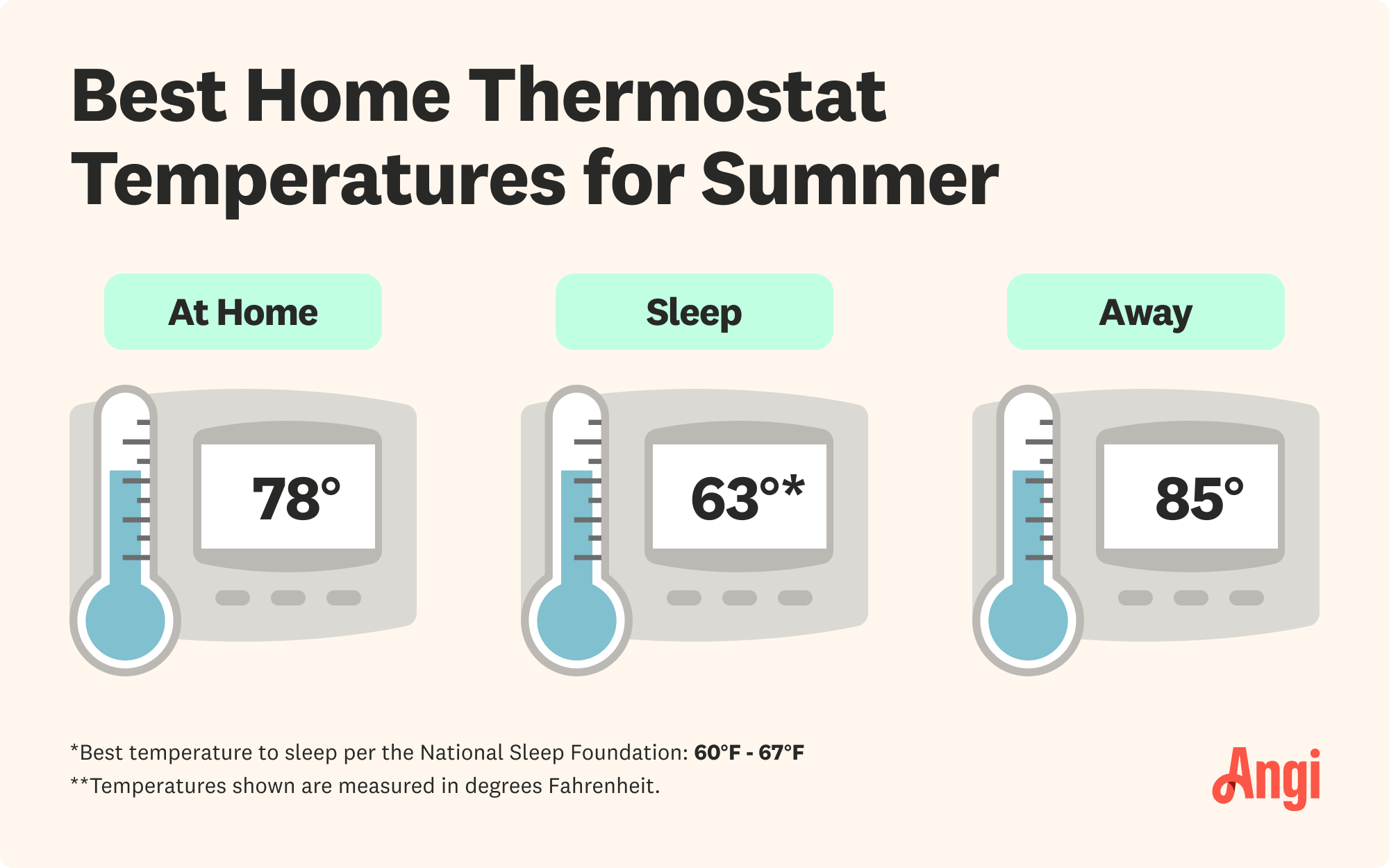
Choosing the right temperatureis key. Setting your AC too cold uses extra energy. Aim for 78°F (25-26°C) when you are home. Raise it a few degrees when away. Small changes make a big difference in energy use and cost.
Regular maintenancekeeps your AC running well. Clean or replace filters monthly. Dirty filters block airflow and waste power. Check for leaks and fix them fast. Clean the coils and remove debris around the unit. Well-maintained AC works better and lasts longer.

Credit: blairsair.com
When To Turn Your Ac Off
Turning the AC off saves more energy during long absences. If you leave home for several hours or days, switch it off. This stops the system from running unnecessarily and reduces your electricity bill.
For short breaks, such as an hour or two, keeping the AC on is better. The unit uses more power to cool the house again if it gets very warm. Setting the temperature a few degrees higher saves energy without discomfort.
- Long trips: turn AC off completely
- Short breaks: raise temperature by 3-5 degrees
- Use a programmable thermostat for easy control
- Keep blinds closed to reduce heat gain
:strip_icc()/GettyImages-1252661448-1f78a2d2a89f497582d91ac9f46d167b.jpg)
Credit: www.bhg.com
Frequently Asked Questions
Does Turning Ac Off Save Money?
Turning the AC off can save money if you’re away for extended periods. Frequent on-off cycling can lead to higher energy use. It’s more efficient to set a higher temperature when you’re away and lower it when needed.
Is It Cheaper To Keep Ac On All Day?
Keeping the AC on all day at a consistent temperature can be cost-effective. This avoids the energy surge from frequent cycling. Adjusting the thermostat when you’re not home can lead to savings.
How Does Cycling Affect Ac Costs?
Frequent cycling causes the AC to work harder, increasing energy use and wear. This can raise costs over time. Maintaining a consistent temperature reduces strain on the unit.
Can A Programmable Thermostat Reduce Ac Costs?
Yes, a programmable thermostat helps in managing AC use efficiently. It adjusts temperatures based on your schedule, reducing unnecessary energy consumption. This leads to cost savings.
Conclusion
Turning your air conditioner on and off does not always cost more. Short breaks can save energy and lower bills. Running the AC nonstop uses more power over time. Let your home cool naturally when you can. Set a comfortable temperature and stick to it.
Small changes make a big difference in savings. Understanding how your AC works helps you use it smartly. Keep your unit clean and well-maintained for best results. Simple habits can keep your home cool and costs low.