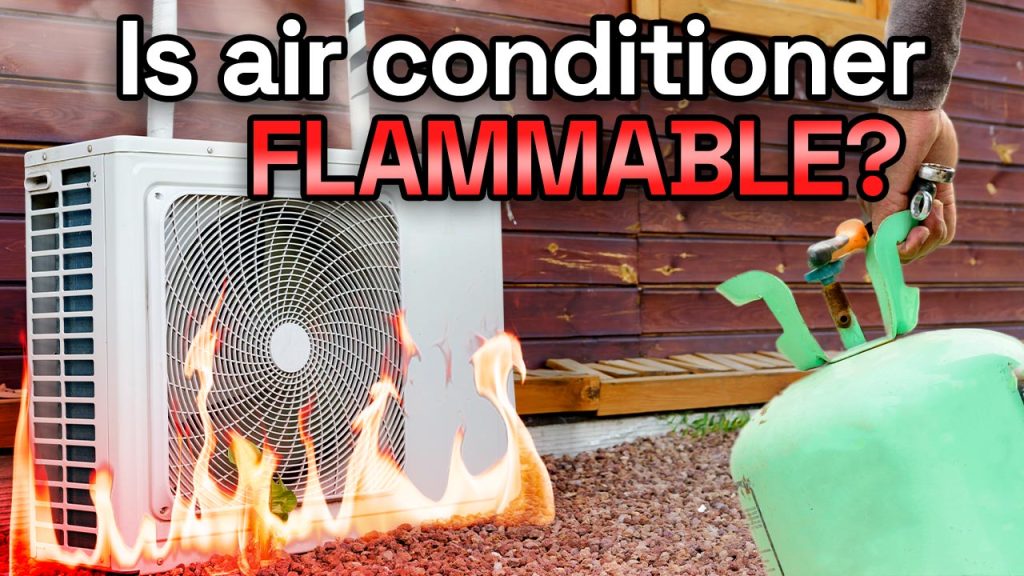
Have you ever wondered if running your air conditioner uses gas? You might be surprised by the answer.
Knowing how your AC works can help you save money and make smarter choices for your home. You’ll discover exactly what powers your air conditioner, how it affects your bills, and what you can do to keep cool without wasting energy.
Keep reading—you’ll learn facts that could change the way you think about staying comfortable during hot days.
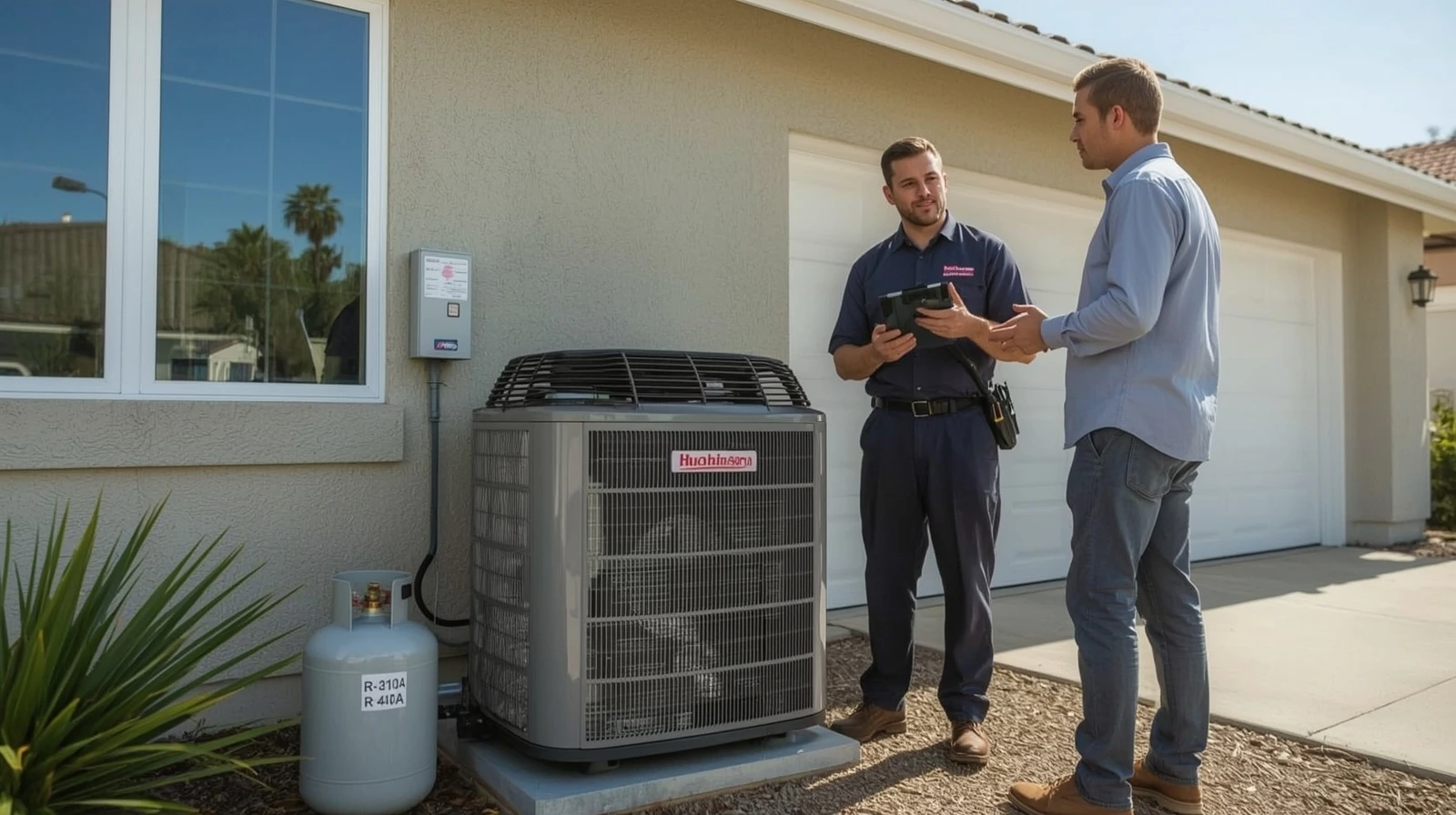
Credit: hvac-temecula-murrieta.com
How Air Conditioners Work
Air conditioners cool indoor spaces by moving heat outside. They use a cycle to remove warm air and replace it with cooler air.
This process depends on several parts working together, including refrigerants and energy sources.
Basic Cooling Process
Air conditioners absorb heat from inside a room and release it outside. This happens in a few steps:
- The warm air inside passes over cold coils.
- The refrigerant in the coils absorbs the heat.
- The refrigerant moves outside and releases the heat.
- The cooled air is then blown back into the room.
Role Of Refrigerants
Refrigerants are special fluids that carry heat. They change from liquid to gas and back to liquid as they move through the AC system.
| Phase | Action | Effect |
| Liquid | Absorbs heat inside | Turns into gas |
| Gas | Moves heat outside | Condenses back to liquid |
Energy Sources For Ac Units
Air conditioners need energy to run their parts. Most use electricity, but some models can also use gas.
- Electric AC units use electric motors to power compressors and fans.
- Gas-powered AC units use natural gas or propane to drive the cooling cycle.
- Hybrid models may combine electricity and gas for better efficiency.
Gas Consumption In Air Conditioners
Air conditioners use gases to cool indoor air. These gases are part of the cooling system. People often ask if air conditioners use gas like fuel.
This article explains the types of gases in air conditioners. It also clears up confusion about gas consumption.
Types Of Gases Used
Air conditioners use special gases called refrigerants. These gases help move heat from inside to outside. Common refrigerants include R-410A and R-32.
These gases are safe when used correctly. They do not burn or create fire. They only change from gas to liquid and back during cooling.
- R-410A: Used in newer AC models
- R-22: Older refrigerant, being phased out
- R-32: More eco-friendly option
- R-134a: Used in some cooling systems
Difference Between Refrigerants And Fuel Gas
Refrigerants cool air by absorbing heat. Fuel gas, like natural gas, burns to create energy. These gases have very different jobs.
Refrigerants do not burn. Fuel gas produces heat when it burns. Air conditioners use refrigerants, not fuel gas.
| Gas Type | Purpose | Burns? |
|---|---|---|
| Refrigerants | Cool air by heat transfer | No |
| Fuel Gas (e.g. natural gas) | Produce heat by burning | Yes |
Do Acs Burn Gas?
Most air conditioners do not burn any gas. They use electricity to run compressors and fans. The refrigerant gas moves heat but does not burn.
Some heating and cooling units, like gas furnaces, burn fuel gas. But standard air conditioners only use refrigerant gas, not fuel gas.
Electricity Vs. Gas Usage
Air conditioners cool indoor spaces. They can use electricity or gas as power sources. Understanding their energy use helps you save money and energy.
This guide explains how electric and gas air conditioners work. It also compares their energy efficiency and costs.
Electric Air Conditioners
Electric air conditioners use electricity to run compressors and fans. They remove heat from inside and release it outside. Most homes use electric air conditioners.
These units do not use gas directly. They rely fully on electrical power to cool the air.
Gas-powered Air Conditioners
Gas-powered air conditioners use natural gas or propane. They operate with gas engines or absorption cooling systems. These are less common in homes.
Gas air conditioners can cool without using electricity. They may be useful where electricity is expensive or not reliable.
Energy Efficiency Comparison
Electric air conditioners usually have higher energy efficiency ratings. They convert most electricity into cooling power. Gas systems can be less efficient but cost less where gas is cheap.
- Electric AC: higher energy efficiency, no gas needed
- Gas AC: can run without electricity, lower efficiency
- Electricity cost varies by location
- Gas price affects gas AC operating cost

Credit: www.evapolar.com
Environmental Impact Of Ac Gases
Air conditioners use gases called refrigerants to cool the air. These gases can affect the environment if released. It is important to understand their impact on the planet.
Many air conditioning gases contribute to air pollution and climate change. Knowing how they work helps us reduce their harm.
Refrigerant Emissions
Refrigerants can leak during use or disposal of air conditioners. These leaks release gases into the atmosphere. Some refrigerants break down ozone, which protects us from harmful UV rays.
- Leaks happen during maintenance or accidents
- Old units may release more refrigerants
- Proper handling reduces emissions
- Recycling helps capture gases safely
Global Warming Potential
Each refrigerant has a Global Warming Potential (GWP) score. GWP shows how much heat a gas traps in the atmosphere. Some AC gases trap heat much more than carbon dioxide.
| Refrigerant Type | GWP Value |
| R-22 (HCFC) | 1810 |
| R-410A (HFC) | 2088 |
| CO2 (Natural) | 1 |
| Hydrocarbons | 3-5 |
Regulations And Alternatives
Many countries have rules to reduce harmful AC gases. These laws limit or ban high GWP refrigerants. They encourage the use of safer alternatives.
- Phase-out of ozone-depleting gases
- Promotion of natural refrigerants like CO2
- Use of energy-efficient cooling technologies
- Proper disposal and recycling of old units
Cost Implications Of Using Ac
Using an air conditioner can affect your home expenses. It is important to know which costs are involved. This helps you manage your budget better.
Many people wonder if air conditioners use gas. Most modern AC units run on electricity, not gas. This changes how you pay for cooling.
Electricity Bills
Air conditioners use electricity to run. This can increase your monthly power bill. The cost depends on the AC’s size and usage time.
Using the AC for many hours each day leads to higher electricity costs. Efficient models help lower these bills by using less power.
- Big AC units use more electricity
- Running AC all day raises costs
- Energy-efficient ACs reduce power use
Gas Consumption Costs
Most air conditioners do not use gas for cooling. They rely on electric power instead. This means you usually do not pay gas bills for AC use.
Some heating and cooling systems use gas for heating parts. If your system has a gas heater, expect extra gas costs during cold months.
- Standard ACs run on electricity, not gas
- Gas costs rise only if heating is gas-powered
- Check your system type to know gas use
Maintenance And Repairs
Air conditioners need regular maintenance to work well. This includes cleaning filters and checking parts. Maintenance costs vary by system type.
Repairs can add to your overall AC expenses. Fixing leaks or electrical issues may be needed. Regular care helps reduce costly repairs.
- Clean filters every few months
- Schedule yearly professional checkups
- Fix small problems early to save money

Credit: coastalhomeservicesinc.com
Choosing The Right Air Conditioner
Selecting the right air conditioner helps save energy and money. It also keeps your home comfortable during hot days.
Understanding your energy needs and fuel options can guide you to the best choice. Small changes can reduce how much fuel your air conditioner uses.
Assessing Energy Needs
Check the size of the space you want to cool. Bigger rooms need more powerful units. Look at the air conditioner’s energy efficiency rating to save power.
| Room Size (sq ft) | Recommended BTU | Energy Efficiency Ratio (EER) |
| 100-300 | 5,000-6,000 | 10 or higher |
| 300-500 | 7,000-8,000 | 10 or higher |
| 500-700 | 9,000-12,000 | 11 or higher |
| 700-1,000 | 12,000-14,000 | 11 or higher |
Considering Fuel Types
Air conditioners usually run on electricity, not gas. Some models use natural gas or propane for cooling or heating. Choose fuel types that are available and affordable in your area.
- Electric air conditioners are common and easy to install.
- Gas-powered units can be efficient but may need special connections.
- Check local fuel prices and availability before choosing.
- Consider environmental impact of the fuel type.
Tips For Reducing Consumption
Use your air conditioner smartly to lower fuel use. Keep the unit clean and seal your home to keep cool air inside.
- Set your thermostat to a comfortable but not too low temperature.
- Use ceiling fans to help circulate cool air.
- Close curtains during the hottest part of the day.
- Turn off the air conditioner when you leave home.
- Schedule regular maintenance for your unit.
Frequently Asked Questions
Does An Air Conditioner Consume Gas Directly?
No, air conditioners do not consume natural gas directly. They typically use electricity to operate compressors and fans, not gas fuel.
What Type Of Gas Is Inside An Air Conditioner?
Air conditioners contain refrigerant gases like R-410A or R-22. These gases absorb heat and cool the air but are not fuel.
Can An Air Conditioner Run On Natural Gas?
Standard air conditioners do not run on natural gas. However, gas-powered HVAC systems exist but differ from typical electric air conditioners.
Does Using Ac Increase Household Gas Bills?
Using a standard electric air conditioner does not increase gas bills but raises electricity consumption and costs.
Conclusion
Air conditioners do not use gas like stoves or heaters. They use electricity to cool your home. Inside, a refrigerant moves heat outside. This process saves energy and keeps rooms cool. Knowing this helps you understand your energy bills better.
Choose the right AC to save money and stay comfortable. Simple steps can reduce electricity use while cooling your space. Now, you can enjoy cool air without worrying about gas use.