Imagine this: you’re preparing to grill a mouth-watering steak or a flavorful chicken breast, and you want it to be as delicious as possible. You’ve heard that marinating your meat can make all the difference, infusing it with rich, savory flavors.
But what if there was a way to make your marinade work even better, faster, and more efficiently? That’s where vacuum sealing comes into play. You might be wondering, does vacuum sealing help marinade? The answer could transform the way you prepare your favorite dishes.
We’ll dive into the science behind vacuum sealing and marinating, revealing how this technique could be your secret weapon in the kitchen. Stay with us, and you’ll discover a method that might just revolutionize your cooking game, making every meal a delicious masterpiece.
How Marinades Work
Understanding how marinades work can change the way you prepare your meals. Marinades do more than just add flavor—they interact with the food on a chemical level. This interaction affects texture, moisture, and ultimately, the taste you experience.
Key Ingredients In Marinades
Marinades usually contain three main types of ingredients:
- Acids:Vinegar, citrus juice, or wine help break down protein fibers in meat, making it more tender.
- Oils:Olive oil or other oils help distribute flavors evenly and keep the food moist.
- Flavorings:Herbs, spices, garlic, and soy sauce add depth and complexity to the taste.
Each ingredient plays a unique role, so balancing them impacts how your food turns out.
Marinade Penetration Process
Marinades don’t instantly soak into your food; they gradually move through the surface. The acids start by softening the outer layers, allowing flavors to seep deeper.
However, penetration is mostly a surface-level process. The center of thick cuts stays mostly unaffected unless marinated for a long time.
Have you noticed how thinly sliced meat absorbs flavors faster? That’s because less distance means quicker penetration.
Factors Affecting Flavor Absorption
Several factors influence how well your food absorbs marinade:
- Time:Longer marinating means deeper flavor, but too long can make meat mushy.
- Temperature:Marinading in the fridge slows down the process but keeps food safe.
- Cut Size:Smaller pieces soak up flavor faster than large, thick cuts.
- Type of Food:Fish absorbs marinades more quickly than beef due to its delicate texture.
Knowing these can help you decide how long and in what way to marinate your food to get the best taste.

Credit: www.amazon.com
Vacuum Sealing Basics
Understanding vacuum sealing is key if you want to get the most out of your marinades. It’s not just about storing food; it can actually change how your ingredients soak up flavors. Let’s break down what vacuum sealing really means and why it matters for marinating.
What Is Vacuum Sealing
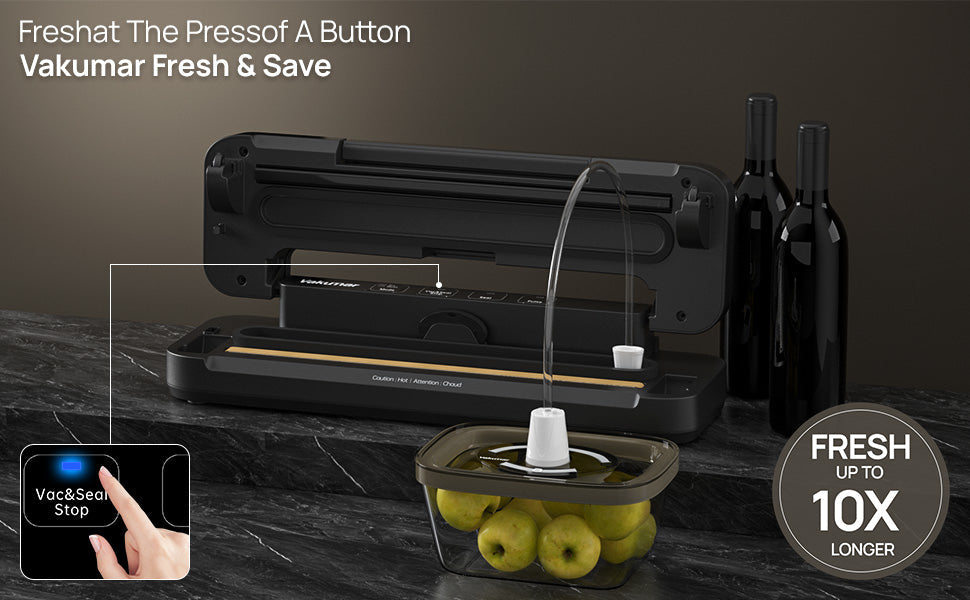
Vacuum sealing removes air from a bag or container before sealing it tightly around the food. This process stops oxygen from reaching the food, which slows down spoilage and keeps flavors fresh.
Think about placing your meat or vegetables inside a plastic bag, then using a machine to suck out all the air before sealing it shut. This creates a tight environment that holds marinade close to the food.
Benefits Of Vacuum Sealing
Vacuum sealing speeds up the marinating process by forcing the marinade deep into the food faster than traditional methods. Without air, the marinade can’t evaporate or dilute, so every bite is packed with flavor.
- Prevents freezer burn and keeps food texture intact
- Reduces the time needed to marinate, saving you prep hours
- Enhances flavor absorption for juicier, tastier meals
- Keeps your refrigerator organized and mess-free
I once marinated chicken overnight without vacuum sealing and noticed the flavors were just on the surface. After trying vacuum sealing, the same chicken absorbed the marinade throughout, making it much juicier. How much better could your meals taste if you tried this simple step?
Vacuum Sealing And Marinades
Vacuum sealing changes how marinades work with food. It removes air from the bag, pressing marinade closer to the food. This process helps the marinade soak in better and faster. Many cooks use vacuum sealing to improve marinating results. It affects marinade speed, flavor, and texture in interesting ways.
Effect On Marinade Speed
Vacuum sealing speeds up the marinating process. Without air, the marinade touches the food fully. This helps flavors move inside the food faster. Foods can marinate in hours instead of overnight. It saves time and makes quick meals more flavorful.
Impact On Flavor Intensity
Vacuum sealing makes flavors stronger and deeper. The pressure helps marinade enter the food’s surface. This means every bite tastes more intense. Even mild marinades can become bold. The food absorbs spices and herbs better under vacuum.
Texture Changes In Food
Vacuum sealing can change food texture slightly. The pressure may make meats softer and more tender. It helps break down fibers in tougher cuts. Vegetables may become a bit more crisp or juicy. The texture often improves with vacuum marinating.
Credit: vakumar.net
Comparing Methods
Comparing traditional marinating techniques with vacuum sealing reveals distinct differences in how flavors develop and how quickly your food is ready. Understanding these differences can help you decide which method suits your cooking style and schedule better. Let’s break down the key points to consider.
Traditional Marinating Vs Vacuum Sealing
Traditional marinating relies on soaking food in a marinade, allowing flavors to seep in over time. This method is straightforward but often requires several hours or overnight to make a noticeable impact.
Vacuum sealing, on the other hand, removes air around the food and marinade, which intensifies contact and speeds up absorption. This means your meat or veggies can take on flavors much faster, often in a fraction of the time.
Have you noticed how vacuum-sealed salmon seems to take on spices more deeply after just 30 minutes? That’s the power of pressure and reduced air slowing down oxidation and enhancing penetration.
Time Efficiency
Time matters when you’re hungry or pressed for a quick meal. Traditional marinating might require 4 to 24 hours depending on the recipe, which means planning ahead.
Vacuum sealing cuts this down dramatically, often reducing marinating time to 30 minutes or less. You get flavorful results faster, which is great for last-minute dinners or when you forget to marinate earlier.
Think about how much more you could cook if you freed up those waiting hours by switching to vacuum sealing. Wouldn’t that change how you plan meals?
Flavor Differences
Traditional marinating usually results in a surface-level flavor boost, especially with thicker cuts of meat. The flavors may not penetrate deep unless marinated for a long time.
Vacuum sealing enhances flavor infusion throughout the food, not just on the surface. The lack of air pressure allows spices and herbs to embed more evenly and thoroughly.
However, some chefs feel vacuum sealing can mute certain delicate flavors or alter texture slightly. It’s worth experimenting to see how your favorite marinades behave with each method.
Tips For Effective Vacuum Marinating
Vacuum marinating can transform your cooking, but only if you do it right. Understanding how to choose the right marinade, set your vacuum sealer properly, and time your marinating can make all the difference. These tips will help you get deeper flavors and tender textures faster than traditional methods.
Choosing The Right Marinade
Your marinade should match the type of food you’re preparing. Acidic ingredients like lemon juice or vinegar break down proteins quickly, which is great for tougher cuts of meat but can make delicate fish mushy if left too long.
Think about balancing flavors with oil, herbs, and spices. For example, a mix of olive oil, garlic, and rosemary works well for beef, while soy sauce, ginger, and sesame oil enhance chicken beautifully.
Have you ever noticed how some marinades overpower the natural taste? Keep your mixtures simple and avoid too much salt or sugar, which can concentrate too quickly under vacuum pressure.
Ideal Vacuum Settings
Not all vacuum sealers are created equal. Use a gentle vacuum setting if your machine allows it, especially with soft or delicate items like fish or marinated vegetables.
A strong vacuum can crush the food and alter its texture. For firmer meats, a stronger seal helps the marinade penetrate faster, but keep an eye on the process to avoid over-compression.
Test your sealer with water or a thin marinade to avoid leaks. You want a tight seal without sucking all the liquid out, which defeats the purpose.
Recommended Marinating Times
Vacuum sealing speeds up marinating, but that doesn’t mean you should rush it. Thin cuts or seafood might only need 20-30 minutes, while thicker steaks or pork chops benefit from 1-2 hours.
Over-marinating, even under vacuum, can lead to mushy textures. When in doubt, start with less time and adjust based on taste and texture.
Have you tried marinating overnight? It’s usually unnecessary with vacuum sealing and can waste time. Instead, use shorter marinating periods to keep flavors fresh and vibrant.

Credit: vakumar.net
Common Mistakes To Avoid
Vacuum sealing can speed up marinating by forcing flavors into food. Yet, mistakes can spoil the process or even cause health issues. Avoiding these common errors helps you get the best taste and safety.
Over-marinating Risks
Marinating too long can ruin texture and taste. Acidic marinades break down meat fibers quickly. Over-marinating makes meat mushy and less enjoyable. Watch the time carefully. Different foods need different marinating times.
Improper Sealing Issues
Poor vacuum sealing lets air inside the bag. Air blocks marinade from reaching the food fully. This slows flavor absorption and can cause spoilage. Ensure the seal is tight and free from wrinkles. Check for leaks before storing.
Food Safety Concerns
Marinate food only in the fridge, never at room temperature. Bacteria grow fast in warm conditions. Use clean containers and utensils to avoid contamination. Discard leftover marinade that touched raw meat. Proper hygiene keeps food safe and tasty.
Equipment Recommendations
Choosing the right equipment can make a big difference in how well your marinade penetrates the meat and how easy the whole process is. Investing in quality tools not only saves time but also helps you get consistent, flavorful results every time. Let’s look at some top picks and useful accessories that can enhance your vacuum sealing experience.
Best Vacuum Sealers For Marinading
- FoodSaver V4840:This model offers powerful suction and an easy-to-use digital control panel. It’s great for sealing both liquids and solids, which is perfect for marinades.
- NutriChef Vacuum Sealer:Compact and budget-friendly, this sealer is ideal if you’re starting out and want reliable performance without a hefty price tag.
- Weston Pro-2300:If you need heavy-duty sealing for larger batches, this industrial-grade machine can handle thick cuts and wet marinades with ease.
Have you ever struggled with a vacuum sealer that couldn’t handle liquid marinades? Choosing a model designed for that task will save you frustration and prevent leaks.
Essential Accessories
- Vacuum Seal Bags:Look for BPA-free, durable bags designed for wet sealing. Bags with textured surfaces help air removal, improving marinade infusion.
- Marinade Containers:These are handy for sealing liquids without the risk of spills, especially if you plan to sous vide your marinated food later.
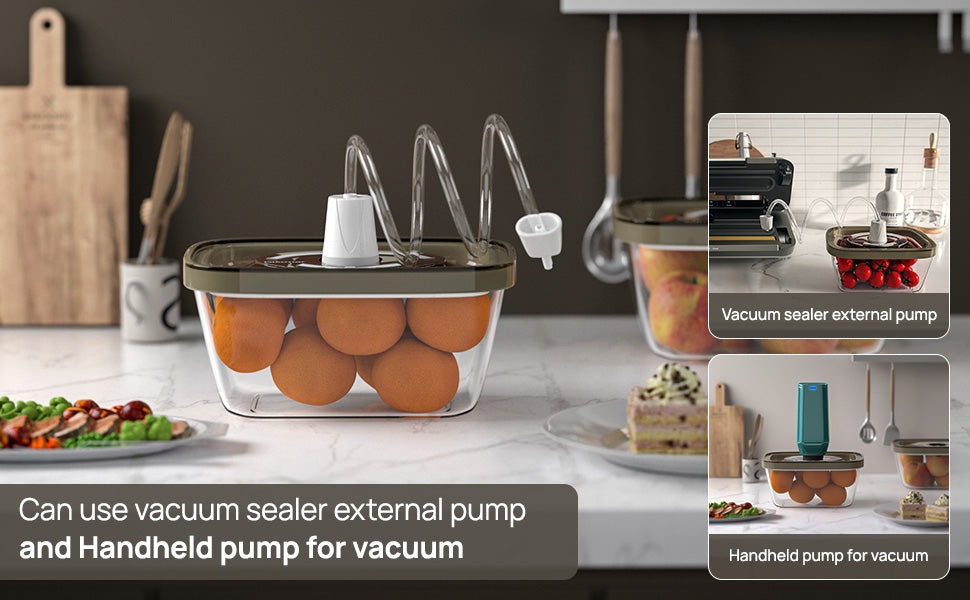
- Hand Pump Sealers:Perfect for quick tasks or small portions, these manual sealers add convenience when you don’t want to pull out the big machine.
Using the right accessories can turn a simple vacuum sealer into a versatile kitchen tool. What’s in your vacuum sealing toolkit right now?
Maintenance Tips
Keep your vacuum sealer in top shape by cleaning the sealing strip and vacuum channel after each use. Marinades can be sticky or salty, and residue buildup can affect suction and sealing quality.
Check the gasket regularly for cracks or wear, as a tight seal depends on this small but crucial part. Replace any worn components promptly to avoid weak seals.
Store your machine in a dry, cool place to prevent damage from moisture or heat. Regular maintenance ensures your equipment works well and lasts longer, making marinating a breeze every time.
Real-world Results
Exploring real-world results reveals the true impact of vacuum sealing on marinating. It’s about more than theory. Practical experiences show how vacuum sealing affects flavor absorption and texture. Different users report varying benefits. These insights come from everyday cooks, professional chefs, and scientific research.
Home Cook Experiences
Many home cooks find vacuum sealing speeds up marinating. The sealed environment forces marinade into the food faster. Some notice deeper flavors after just 30 minutes. Others say the texture improves noticeably. Vacuum sealing also reduces mess and saves fridge space. Home cooks appreciate the convenience and time saved in meal prep.
Professional Chef Insights
Chefs use vacuum sealing for consistent flavor and texture. It helps them control marinating time precisely. Many chefs agree it enhances tenderizing, especially with tougher cuts. They value how vacuum sealing maintains food freshness. Some mention better marinade penetration, leading to a richer taste. Chefs often combine vacuum sealing with other techniques for best results.
Scientific Studies Summary
Research confirms vacuum sealing increases marinade absorption speed. Studies show vacuum pressure expands meat fibers. This allows marinade to enter deeper and faster. Results include improved tenderness and flavor intensity. Tests also find vacuum sealing helps preserve moisture. Science supports many claims from cooks and chefs. Overall, vacuum sealing proves effective for marinating.
Frequently Asked Questions
Does Vacuum Sealing Speed Up Marinating Time?
Yes, vacuum sealing removes air, allowing marinade to penetrate faster. It cuts marinating time by up to 50%, enhancing flavor absorption and tenderness efficiently.
Can Vacuum Sealing Improve Marinade Flavor Intensity?
Vacuum sealing intensifies marinade flavor by forcing the liquid into meat fibers. This creates deeper, more uniform taste compared to traditional marinating methods.
Is Vacuum Sealing Better Than Traditional Marinating?
Vacuum sealing is more effective as it reduces marinating time and improves flavor absorption. It also prevents oxidation and keeps ingredients fresh longer.
Does Vacuum Sealing Help Marinade Penetrate Thicker Cuts?
Yes, vacuum sealing helps marinade reach the center of thick cuts. The vacuum pressure pushes marinade deeply, ensuring even flavor throughout the meat.
Conclusion
Vacuum sealing helps marinade soak into food faster. It keeps flavors strong and fresh. The tight seal stops air from drying the meat. This method saves time and enhances taste. It works well for meats, vegetables, and more. Try vacuum sealing to improve your marinating process.
Simple, quick, and effective. A small step for better meals.