Are you tired of finding spiders lurking in your home and wondering if vacuuming them is the best way to get rid of them? You’re not alone.
Many people reach for the vacuum cleaner, hoping it will quickly solve the spider problem. But does vacuuming spiders actually kill them, or does it just send them scurrying somewhere else? Understanding what really happens when you vacuum these creepy crawlers can help you make smarter decisions for your home and peace of mind.
Keep reading to discover the surprising truth and learn the most effective ways to handle spiders once and for all.
Credit: www.gbnews.com
Spider Behavior And Survival
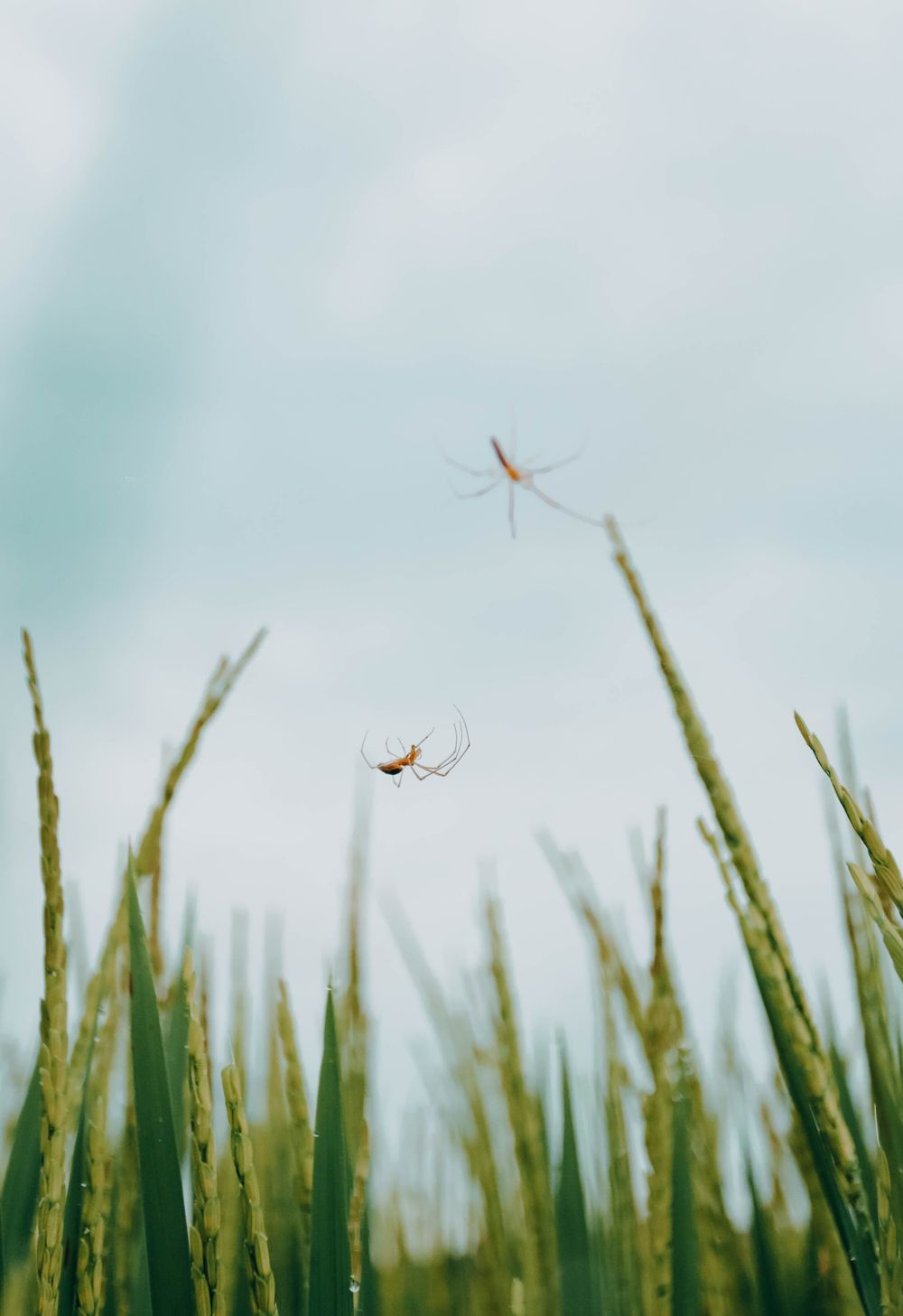
Understanding how spiders behave and survive can change the way you think about dealing with them. These creatures have evolved over millions of years, developing unique traits that help them avoid danger and thrive in various environments. Knowing their survival instincts can help you decide whether vacuuming is an effective way to get rid of them.
Spider Anatomy And Resilience
Spiders have a tough exoskeleton that protects their internal organs and supports their body. This outer shell is surprisingly strong, making them more resilient to physical damage than you might expect.
They also have multiple legs and flexible joints that help them quickly escape threats. Some spiders can survive injuries that seem severe, thanks to their ability to regenerate lost limbs during molting phases.
Have you ever wondered why spiders often survive being squished or thrown outside? Their anatomy plays a big role in their survival, which means simply vacuuming might not always kill them instantly.
How Spiders React To Threats
Spiders don’t usually attack humans unless provoked. Instead, their primary defense is to flee or hide. When threatened, they may freeze or drop from their webs to escape.
Some species even release irritating hairs or venom as a last resort. Most spiders rely on quick movements and camouflage to avoid predators rather than fighting back.
Think about how a spider reacts when you vacuum near it. Often, they get sucked in but might survive the ordeal, especially if the vacuum doesn’t cause immediate fatal damage. This behavior means that your vacuum might relocate the spider rather than eliminate it.
Vacuuming Spiders: What Happens
Vacuuming spiders is a quick way to remove them from your home. But what actually happens to the spider inside the vacuum? Understanding this helps decide if vacuuming is an effective way to get rid of spiders.
Spiders face strong forces inside the vacuum. The suction pulls them with great pressure. Inside the vacuum bag or container, conditions change drastically. These factors affect whether the spider dies or survives.
Impact Of Suction On Spiders
Suction from a vacuum is powerful and sudden. It can injure a spider’s delicate legs and body. The force may cause the spider to be tossed inside the vacuum chamber.
Some spiders might be crushed against the vacuum’s hard surfaces. Others might become trapped in dust or debris. The strong airflow also makes breathing difficult for spiders.
Survival Rates Inside The Vacuum
Many spiders do not die immediately after vacuuming. Survival depends on the vacuum’s power and the spider’s size. Smaller spiders often survive longer inside the vacuum bag.
Spiders trapped in bags without air holes struggle to breathe. Some spiders can live for days inside a vacuum if they find small air pockets.
Emptying the vacuum bag outside quickly reduces spider survival chances. But keeping the bag sealed can trap spiders for a long time.
Types Of Vacuums And Effectiveness
Different vacuum types affect how well spiders are removed or killed. The power, design, and suction level matter a lot. Some vacuums trap spiders inside, while others might just move them around. Understanding these types helps you know what to expect when vacuuming spiders.
Standard Upright Vacuums
Upright vacuums have strong suction and wide cleaning paths. They often come with a bag or bagless bin. Their suction can suck spiders into the vacuum, but some spiders survive inside. The brush roll may injure spiders but does not guarantee they die. Upright vacuums work best on floors and carpets.
Canister Vacuums
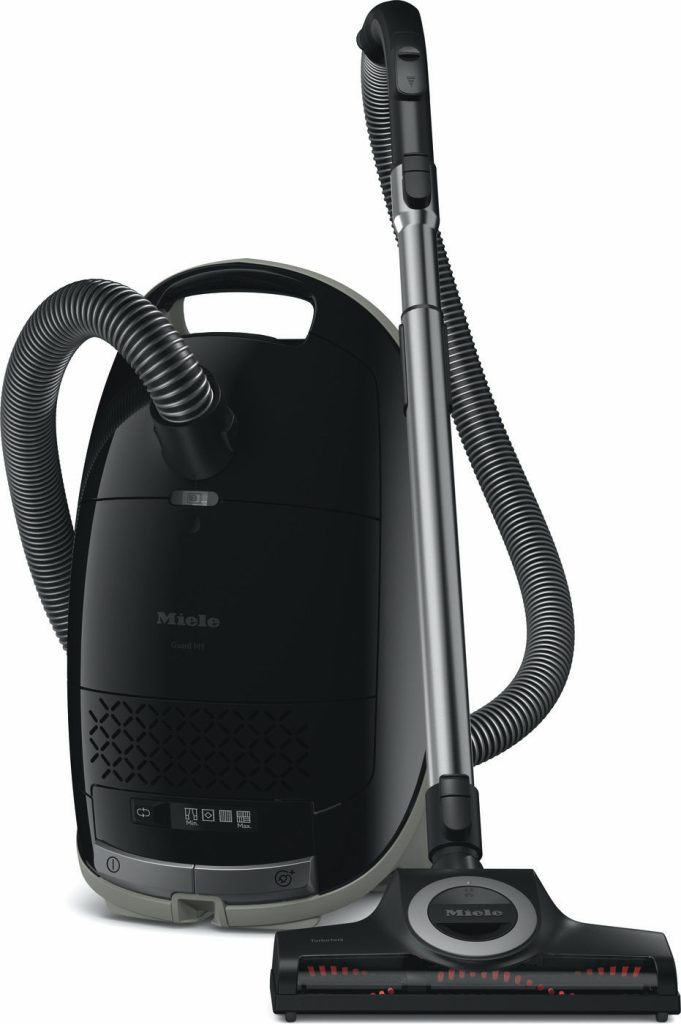
Canister vacuums offer flexible hoses and various attachments. They provide strong suction and precise control. Spiders get pulled into the canister or bag, reducing escape chances. Some models have sealed bags that trap debris and insects tightly. Canister vacuums are useful for corners and hard-to-reach places where spiders hide.
Handheld And Robotic Vacuums
Handheld vacuums are small and portable with moderate suction. They catch spiders but may not kill them instantly. Robotic vacuums move on their own and clean floors regularly. Their suction is weaker, so spiders might survive the process. Both types are good for quick cleanups but less effective for spider control.
Credit: en.nap.edu.vn
Alternatives To Vacuuming
Vacuuming spiders might not always be the best choice. Some spiders can survive the vacuum or escape. Safer and more effective ways exist to manage spiders without harm or mess. These alternatives help keep your home spider-free gently and cleanly.
Using Sticky Traps
Sticky traps catch spiders without hurting them instantly. Place traps in corners, behind furniture, or near windows. Check traps daily to remove spiders and reset traps. This method controls spider presence quietly and without chemicals.
Manual Removal Techniques
Manual removal lets you take out spiders safely by hand. Use a glass and a stiff paper to trap the spider. Slide the paper under the glass slowly, then carry it outside. This approach avoids killing spiders and removes them from your space.
Natural Spider Repellents
Natural repellents keep spiders away using scents they dislike. Essential oils like peppermint, tea tree, or eucalyptus work well. Mix a few drops with water in a spray bottle. Spray around windows, doors, and corners regularly to deter spiders.
Safety And Hygiene Concerns
Vacuuming spiders may seem like a quick solution, but safety and hygiene must come first. Handling spiders improperly can cause bites or allergic reactions. Also, vacuum cleaners can spread germs if not cleaned well after use. Understanding these concerns helps keep your home safe and clean.
Handling Spiders Safely
Spiders can bite if they feel threatened. Use a container or paper to catch them gently. Avoid touching spiders with bare hands. Wear gloves if you must handle them directly. Teach children to stay calm and not to disturb spiders. Knowing which spiders are harmless helps reduce fear.
Maintaining Vacuum Cleanliness
Vacuuming spiders can leave webs and eggs inside the machine. This can cause bad smells and clog the vacuum. Empty the vacuum bag or bin immediately after use. Clean filters regularly to keep the vacuum working well. Use a disinfectant wipe on parts that touch spiders. This prevents spreading dirt and germs around your home.
Myths About Vacuuming Spiders
Vacuuming spiders might seem like a quick fix to get rid of these eight-legged visitors, but there are plenty of myths surrounding whether this method actually kills them. Understanding these myths can help you decide the best way to handle spiders in your home without unnecessary worry or wasted effort.
Common Misconceptions
Many believe that vacuuming spiders instantly kills them. In reality, some spiders can survive the vacuum’s suction and remain alive inside the dust bag or canister.
Another myth is that vacuuming spiders will prevent future infestations. However, spiders often return because vacuuming doesn’t remove their eggs or the insects they feed on.
Some people think vacuuming is inhumane or harmful to the environment. While this concern is valid, vacuuming can be a chemical-free way to control spiders if done thoughtfully.
Scientific Insights
Research shows that many spiders have tough exoskeletons that protect them from physical harm, including the suction of a vacuum. Some species can survive being vacuumed and even crawl out later.
Spiders’ survival rates depend on the vacuum’s power and the time spent inside the vacuum bag. High suction with long confinement increases mortality, but it’s not guaranteed.
Vacuuming also doesn’t address spider webs or egg sacs effectively, which are crucial to breaking their life cycle. To truly reduce spider presence, combining vacuuming with other control methods is more effective.

Credit: www.angi.com
Frequently Asked Questions
Does Vacuuming Spiders Kill Them Instantly?
Vacuuming spiders might not kill them instantly. The force may injure them, but some survive. It’s best to empty the vacuum bag or container immediately to ensure they don’t escape.
Can Spiders Escape From A Vacuum Cleaner?
Yes, spiders can escape from a vacuum cleaner if the bag or container isn’t emptied. Once the vacuum is turned off, they might crawl out if they’re still alive.
Is Vacuuming An Effective Spider Control Method?
Vacuuming isn’t the most effective spider control method. It can remove visible spiders but doesn’t address hidden ones or future infestations. Consider additional pest control methods for comprehensive management.
What Happens To Spiders In A Vacuum Bag?
In a vacuum bag, spiders may die from trauma or suffocation. However, some might survive if the bag provides air. Emptying the bag promptly increases the chance of ensuring they’re eliminated.
Conclusion
Vacuuming spiders can kill many of them, but not all. Some spiders may survive and escape. Using a vacuum is a quick way to remove spiders from your home. Still, it does not guarantee complete spider control. Combining vacuuming with other methods works best.
Always empty the vacuum bag or canister outside. This reduces the chance of spiders returning. Keep your home clean to avoid spider visits. Small steps help keep spiders away for good.