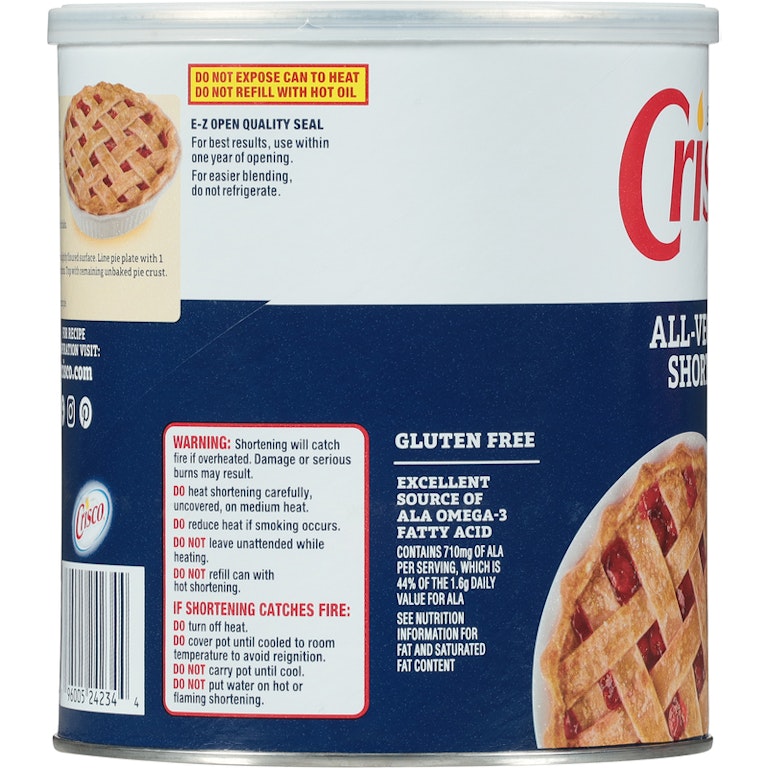
Are you wondering if vegetable shortening needs to be refrigerated? You’re not alone.
Many people get confused about how to store this common baking ingredient. The way you store shortening can affect its freshness and the taste of your recipes. Keep reading to find out the simple steps you can take to keep your vegetable shortening fresh and ready to use whenever you need it.
Don’t let improper storage ruin your baking—let’s clear up the mystery once and for all!

Credit: www.lundsandbyerlys.com
What Is Vegetable Shortening?
Vegetable shortening is a common ingredient in many kitchens, but not everyone knows exactly what it is or how it differs from other fats like butter or oil. Understanding what vegetable shortening is can help you decide how to store and use it properly in your cooking and baking. Let’s take a closer look at what makes this product unique and why it’s a staple in so many recipes.
Composition And Types
Vegetable shortening is made primarily from hydrogenated vegetable oils. This process turns liquid oils into a solid form at room temperature. The most common oils used are soybean, cottonseed, or palm oil.
There are different types of shortening available: some are fully hydrogenated, while others are partially hydrogenated. The difference affects their texture and melting point. You might also find versions labeled as “non-hydrogenated,” which use natural fats but still remain solid enough for baking needs.
Common Uses In Cooking
Vegetable shortening is prized for its ability to create flaky textures in baked goods. It’s often used in pie crusts, biscuits, and cookies because it doesn’t melt as quickly as butter. This helps doughs hold their shape better during baking.
Aside from baking, shortening is useful for frying due to its high smoke point. It can handle higher temperatures without breaking down, making your fried foods crispier. Have you ever wondered why some fried foods taste lighter or less greasy? Shortening could be the secret behind that texture.

Credit: www.gianteagle.com
Storage Basics For Vegetable Shortening
Storing vegetable shortening correctly is key to keeping it fresh and ready for your next baking project. Knowing the basics helps you avoid waste and ensures your recipes turn out just right every time. Let’s look at how to keep vegetable shortening in the best condition.
Shelf Life At Room Temperature
Vegetable shortening can last quite a while when stored at room temperature. Typically, it stays good for about 6 to 12 months if kept in a cool, dry place away from sunlight.
Make sure the container is sealed tightly to prevent air from getting in. Exposure to air can cause the shortening to go rancid faster. Have you noticed how your shortening behaves after a few months on the pantry shelf?
Signs Of Spoilage
It’s important to check your shortening before use, even if it’s within the expected shelf life. Look for changes in color, which might turn yellowish or darker than usual.
Smell it carefully—if it has a sour or off odor, it’s a clear sign it’s gone bad. Also, if the texture feels grainy or unusually hard, it’s time to toss it out.
Trust your senses. Have you ever used shortening that smelled or looked off? It definitely affects the flavor of your baked goods.
Refrigeration Pros And Cons
Deciding whether to refrigerate vegetable shortening can be tricky. There are clear pros and cons that affect its texture, shelf life, and ease of use. Understanding these can help you store it in a way that fits your cooking habits.
Benefits Of Refrigerating
Keeping vegetable shortening in the fridge extends its shelf life. Cooler temperatures slow down oxidation, which means the shortening stays fresh longer and resists going rancid.
Refrigeration also helps maintain a firmer texture. If you need your shortening to hold shape for certain recipes, chilling it can make it easier to handle and measure.
Personally, I found that refrigerating my shortening prevented that unpleasant stale smell I sometimes noticed when stored at room temperature. It kept my baked goods tasting just right.
Potential Downsides
On the flip side, cold shortening can be hard to scoop or mix directly into doughs or batters. It often needs time to soften at room temperature, which can slow down your prep time.
Refrigeration may also introduce moisture if the container isn’t sealed properly. This can affect the texture and performance of the shortening in recipes.
Think about how often you bake and how quickly you use your shortening. Is the extra firmness worth the wait for softening? Your answer might change how you store it.
Best Practices For Storing Shortening
Proper storage of vegetable shortening keeps it fresh and ready to use. It helps maintain texture and flavor. Knowing the right storage method prevents spoilage and waste. Follow these best practices to store shortening effectively and extend its shelf life.
Ideal Containers
Use airtight containers to store vegetable shortening. This stops air and moisture from entering. Original packaging often works well if resealable. Otherwise, transfer shortening to a clean, dry container with a tight lid. Avoid containers that absorb odors or allow light inside. Glass or plastic containers with secure lids work best.
Temperature And Humidity Tips
Store shortening in a cool, dry place away from heat. Room temperature between 60°F and 75°F is ideal. Avoid places near ovens or direct sunlight. High heat can melt or change the texture. Keep shortening away from humid areas to prevent moisture buildup. Moisture can cause spoilage and rancidity. Refrigeration is not necessary unless the climate is very hot or humid.
Comparing Shortening With Other Fats
Understanding how vegetable shortening compares with other common fats can help you decide the best way to store it and use it in your kitchen. Different fats have unique properties, shelf lives, and storage needs. Let’s look closer at how shortening stacks up against butter, margarine, and oils.
Butter And Margarine Storage
Butter and margarine both require refrigeration to stay fresh. Butter can last in the fridge for about a month, but it freezes well if you want to keep it longer. Margarine, which often contains preservatives, can also be kept in the fridge, but some varieties can be stored unopened at room temperature for a short time.
Both butter and margarine can absorb odors easily, so you should keep them in airtight containers. Have you ever noticed your butter tasting a bit off? That’s usually because it picked up smells from other foods in the fridge. Unlike butter, shortening is more stable and less prone to absorbing odors.
Oils Vs. Shortening
Oils, especially vegetable oils, are liquid at room temperature and tend to spoil faster due to oxidation. You usually need to store oils in a cool, dark place or refrigerate them to extend their shelf life. Shortening, on the other hand, is solid at room temperature because of its hydrogenated fats, which makes it more resistant to rancidity.
Have you ever opened a bottle of oil only to find it smells off after a few weeks? That’s oxidation at work. Shortening’s solid form helps protect it from this process, meaning it can last longer without refrigeration. Still, keeping shortening in a cool, dry place is best to maintain its texture and performance.

Credit: www.gianteagle.com
Frequently Asked Questions
Does Vegetable Shortening Need Refrigeration After Opening?
Vegetable shortening does not require refrigeration after opening. Store it in a cool, dry place away from sunlight. Properly sealed containers maintain freshness and prevent spoilage. Refrigeration may cause the texture to harden, making it harder to use in baking.
How Long Can Vegetable Shortening Last Without Refrigeration?
Vegetable shortening can last up to one year unopened at room temperature. After opening, use it within six months for best quality. Always keep the container tightly sealed to prevent exposure to air and moisture, which can cause rancidity.
Can Refrigeration Affect Vegetable Shortening’s Texture?
Yes, refrigeration can harden vegetable shortening, making it difficult to scoop or mix. It may also cause condensation when removed from the fridge. For best results, keep shortening at room temperature and use as needed in recipes.
What Is The Best Way To Store Vegetable Shortening?
Store vegetable shortening in a sealed, airtight container at room temperature. Keep it away from heat, light, and moisture. This method preserves its texture and flavor, ensuring optimal performance in cooking and baking.
Conclusion
Vegetable shortening doesn’t need refrigeration. Store it in a cool place. This keeps it fresh and ready to use. Use an airtight container for best results. Refrigerating might change its texture. Room temperature storage is ideal. Check for changes in smell or color.
Discard if it seems off. Proper storage ensures long-lasting freshness. Always check the label for specific instructions. Understanding storage can save you time and effort. Enjoy cooking with confidence!