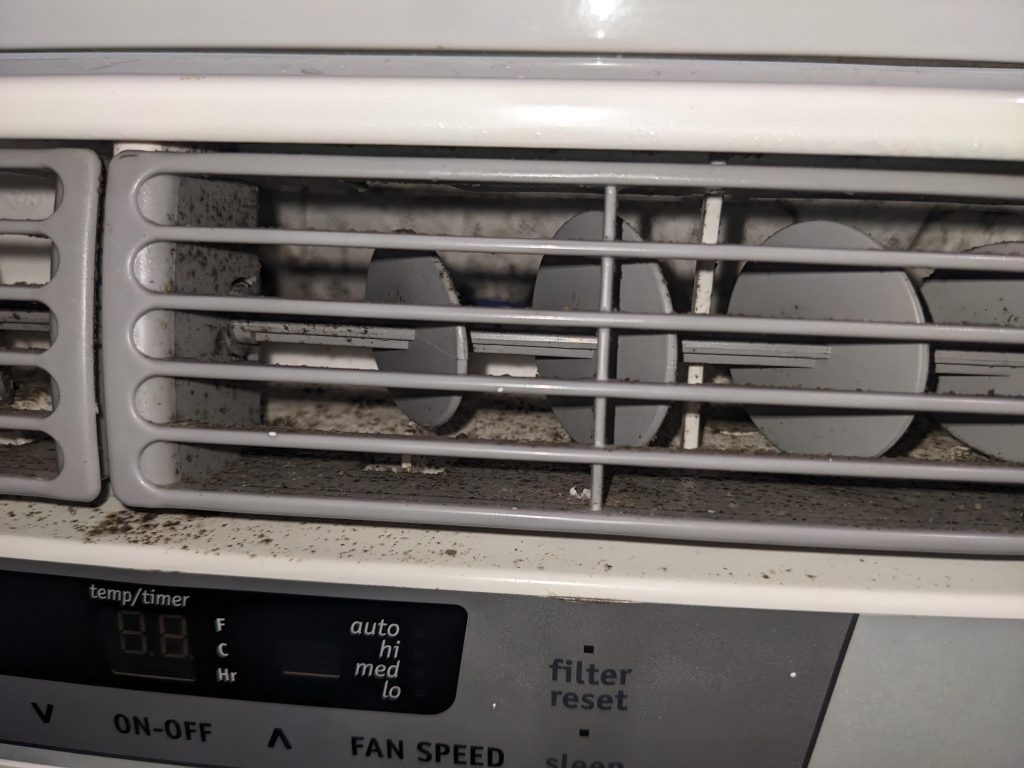
Is mold growing inside your air conditioner? You’re not alone.
Mold can cause bad smells, reduce air quality, and even affect your health. You might have heard that vinegar can kill mold, but does it really work on your AC? Knowing the truth can save you time, money, and frustration.
Keep reading to find out if vinegar is the solution you need to keep your air conditioner clean and your home healthy.
How Mold Grows In Air Conditioners
Mold can grow inside air conditioners if the conditions are right. Moisture and dust create a perfect place for mold spores to settle and multiply.
Understanding the types of mold and the conditions that help them grow can help you keep your AC clean and safe.
Common Mold Types In Ac Units
Several mold types often appear in air conditioners. These molds can cause unpleasant odors and affect air quality.
- Cladosporium:This mold is dark green or black and grows on damp surfaces.
- Aspergillus:Commonly found in air systems, it can cause allergic reactions.
- Penicillium:This blue or green mold grows quickly on wet materials.
- Alternaria:Often found in damp places, it appears as dark spots.
Conditions That Promote Mold Growth
Mold needs certain conditions to grow inside an air conditioner. These include moisture, warmth, and dust buildup.
| Condition | How It Helps Mold Grow |
| High Humidity | Keeps surfaces damp for mold spores to settle |
| Poor Airflow | Allows moisture to stay trapped inside the unit |
| Dust and Dirt | Provides food and surface for mold to grow |
| Warm Temperature | Speeds up mold growth and reproduction |

Credit: www.reddit.com
Vinegar As A Mold Killer
Vinegar is a common household item used to clean and kill mold. It is often applied to air conditioners to remove mold growth. Many people wonder if vinegar really kills mold in air conditioners.
This article explains how vinegar works against mold and its effectiveness on different mold types found in air conditioners.
Acidity And Antimicrobial Properties
Vinegar contains acetic acid, which gives it a low pH. This acidity helps kill many types of bacteria and mold. The acid breaks down the cell walls of mold, stopping its growth.
The antimicrobial properties of vinegar make it a natural cleaner. It can reduce mold spores on surfaces and prevent them from spreading in air conditioners.
Effectiveness Against Different Mold Species
Vinegar works best on common household molds like Aspergillus and Penicillium. It can kill many species but is less effective on some tough molds.
For black mold (Stachybotrys), vinegar may slow growth but might not fully remove it. Stronger treatments might be needed for severe mold problems in air conditioners.
- Effective on many common molds
- Can reduce mold spores and stains
- Less effective on toxic black mold
- Works best with repeated cleaning
Applying Vinegar To Ac Mold
Mold can grow inside your air conditioner and affect air quality. Vinegar is a natural cleaner that can kill mold. Using vinegar to clean your AC is simple and safe.
This guide shows you how to prepare and safely use vinegar to remove mold from your AC unit.
Preparation And Safety Measures
Before cleaning, turn off your air conditioner and unplug it. This keeps you safe from electric shock. Wear gloves and a mask to protect yourself from mold spores and vinegar fumes.
Open windows or use a fan for good air flow. Gather needed items like white vinegar, a spray bottle, a soft brush, and clean cloths.
- Turn off and unplug the AC unit
- Wear gloves and a mask
- Ensure good ventilation
- Prepare white vinegar in a spray bottle
- Have a soft brush and cloth ready
Step-by-step Cleaning Process
Spray undiluted white vinegar directly on the moldy areas inside the AC. Let it sit for at least an hour to kill the mold. Do not rinse the vinegar off; it keeps working after application.
Use a soft brush to gently scrub the mold away. Wipe the area with a damp cloth to remove loosened mold. Repeat spraying and wiping if needed. Allow the AC to dry completely before turning it back on.
- Spray vinegar on moldy spots
- Wait 60 minutes for vinegar to work
- Gently scrub with a soft brush
- Wipe with a damp cloth
- Repeat if mold remains
- Let the AC dry fully before use
Limitations Of Vinegar For Mold Removal
Vinegar is a common household item used to clean mold. It can kill some types of mold on surfaces. But vinegar is not always enough to remove mold from air conditioners.
This article explains when vinegar may not work well and the risks of using it on AC parts.
When Vinegar May Not Be Enough
Vinegar can kill some mold spores but not all types. Mold deep inside AC units may stay alive after cleaning. Vinegar also cannot remove mold stains or mold in hard-to-reach places.
- Mold growing inside air ducts
- Mold hidden under insulation or behind panels
- Thick mold colonies resistant to mild acids
- Areas with heavy moisture buildup
Using only vinegar may leave mold behind. This can cause mold to grow back quickly and affect air quality.
Potential Damage To Ac Components
| AC Component | Risk from Vinegar Use |
| Metal coils | Corrosion and rust |
| Rubber seals | Drying and cracking |
| Electrical parts | Short circuits if wet |
| Plastic parts | Discoloration and weakening |
Vinegar is acidic. It can damage parts of the air conditioner if used too often or in large amounts. This may cause leaks or reduce the AC’s lifespan.
Always test vinegar on a small area first. Avoid spraying directly on sensitive parts. Use vinegar carefully and consider professional cleaning for severe mold.
Alternative Mold Removal Methods
Mold growth in air conditioners can cause health issues and damage the unit. Many people ask if vinegar kills mold in AC systems. While vinegar can help, there are other methods to remove mold safely and effectively.
This article explores alternative mold removal options beyond vinegar. These methods include commercial cleaners and professional services. Knowing these options helps keep your air conditioner clean and healthy.
Commercial Mold Cleaners
Commercial mold cleaners are specially made products to remove mold from air conditioners. They often contain chemicals that kill mold spores and prevent regrowth. These cleaners come in sprays, foams, and wipes.
- Look for products labeled safe for HVAC systems.
- Follow the instructions carefully for best results.
- Use protective gloves and masks during cleaning.
- Test the cleaner on a small area first to avoid damage.
- Ventilate the room well after using these products.
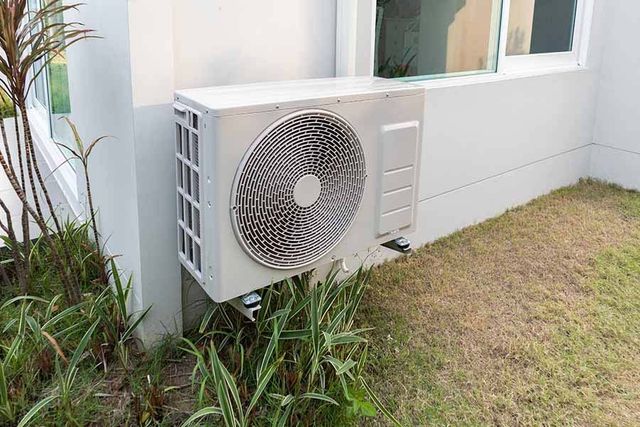
Professional Ac Cleaning Services
Hiring professionals for AC cleaning ensures thorough mold removal. Experts use advanced tools and techniques to clean inside the unit where mold hides. This service also includes checking for moisture issues that cause mold.
| Service | What It Includes | Benefits |
| Mold Inspection | Check for mold presence and damage | Early problem detection |
| Deep Cleaning | Clean coils, ducts, and filters | Improved air quality |
| Moisture Control | Fix leaks and humidity issues | Prevents mold regrowth |
| System Maintenance | Check and repair AC parts | Longer unit lifespan |
Credit: www.premiersystemsmt.com
Preventing Mold In Air Conditioners
Mold can grow inside air conditioners if there is moisture. It can cause bad smells and health problems. Keeping your air conditioner clean stops mold from growing.
Vinegar can kill some mold, but prevention is better. Regular care and controlling humidity help keep mold away.
Regular Maintenance Tips
Clean or change air filters every 1-3 months. Dirty filters trap moisture and dust, which helps mold grow.
Check and clean the drain pan and drain pipe. These parts remove water. If blocked, water stays and mold grows.
- Turn off the power before cleaning
- Use a soft brush or cloth to clean parts
- Use vinegar or a mild cleaner on mold spots
- Make sure all parts dry completely
Humidity Control Strategies
Keep indoor humidity below 60%. High humidity helps mold grow in air conditioners and rooms.
Use a dehumidifier or air conditioner to reduce moisture in the air. Ventilate rooms by opening windows or using fans.
- Check humidity levels with a hygrometer
- Fix leaks and water damage quickly
- Use exhaust fans in bathrooms and kitchens
- Keep air conditioner drip pans clean and dry

Credit: unitedstatesolutions.com
Frequently Asked Questions
Does Vinegar Effectively Kill Mold In Air Conditioners?
Yes, vinegar can kill most mold types in air conditioners. Its acetic acid disrupts mold growth and removes spores. However, it may not eliminate all mold entirely, especially in severe cases.
How Should I Apply Vinegar To Clean Ac Mold?
Spray undiluted white vinegar directly onto moldy AC parts. Let it sit for at least an hour, then wipe clean with a cloth. Repeat if necessary for stubborn mold spots.
Can Vinegar Prevent Mold Regrowth In Air Conditioners?
Vinegar helps prevent mold regrowth due to its antifungal properties. Regular cleaning with vinegar keeps moisture and mold spores under control in AC units.
Is Vinegar Safer Than Chemical Cleaners For Ac Mold?
Yes, vinegar is a natural, non-toxic alternative to harsh chemicals. It is safer for your health and the environment, making it ideal for routine AC mold cleaning.
Conclusion
Vinegar can help fight mold in your air conditioner. It’s affordable and easy to find. Using vinegar regularly can keep mold away. Remember to turn off your unit first. Spray vinegar on moldy areas. Let it sit for an hour.
Then, wipe clean with a damp cloth. Repeat if needed. Vinegar is natural and safe for most surfaces. It might not remove all mold types. For severe mold, consider professional help. Keep your air conditioner clean for fresh air. Regular maintenance ensures a healthy environment.
Breathe easy and enjoy your space.