Are you setting up a laundry space and wondering, “Does the washer or dryer go on top?” It might seem like a simple question, but the answer can save you time, effort, and even money.
Making the right choice affects how easily you load your machines, how much space you save, and how long your appliances last. Keep reading to discover the best setup for your laundry area and avoid common mistakes that many people make.
Your future laundry routine will thank you.

Credit: www.reddit.com
Washer And Dryer Stacking Basics
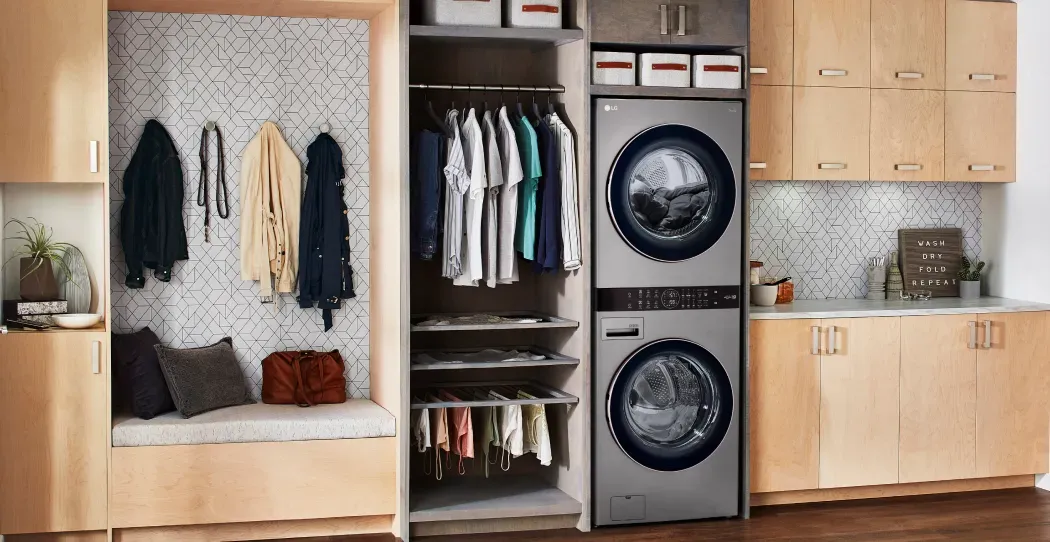
Stacking a washer and dryer saves space in small laundry areas. It also makes your laundry routine more efficient.
Many people ask whether the washer or dryer should go on top. The answer depends on the type of machines and safety.
Common Stacking Configurations
Most stacking sets place the washer on the bottom and the dryer on top. This is because washers are heavier when full of water.
Front-load washers are best for stacking. Top-load washers usually do not stack well due to their lid design.
- Washer on bottom, dryer on top is the standard setup
- Dryers are lighter and easier to access on top
- Stacking kits help secure machines safely
- Check manufacturer guidelines before stacking
Space-saving Benefits
Stacking your washer and dryer frees up floor space. This is helpful in small apartments or closets.
You can use the extra space for shelves or laundry baskets. It also makes the room look cleaner and less crowded.
- Maximizes vertical space
- Leaves room for storage nearby
- Keeps laundry area neat and organized
- Good option for tight spaces
Choosing The Right Appliance For The Bottom
Stacking a washer and dryer saves space in small laundry areas. Picking the right appliance to place at the bottom is very important.
This choice affects safety, stability, and noise levels during use. Two key factors help decide which machine should go below.
Weight And Stability Factors
Washers are usually heavier than dryers, especially when full of water and clothes. A stable base is needed to hold this weight safely.
- Washers weigh more and must go on the bottom for support.
- Dryers are lighter and work well stacked on top.
- A solid, level floor is essential to prevent wobbling.
- Check the stacking kit instructions for maximum weight limits.
Vibration And Noise Considerations
Washers create more vibration than dryers during spin cycles. Putting the washer on the bottom reduces shaking and noise.
| Appliance | Vibration Level | Noise Impact When on Top |
| Washer | High | High risk of instability and noise |
| Dryer | Low | Low risk, stable when on top |
Washer On Bottom Advantages
Stacking the washer on the bottom is a popular choice in many homes. This setup offers several practical benefits that make laundry tasks easier and safer.
In this article, we focus on two main advantages: easier loading and unloading, and better support for heavy loads.
Easier Loading And Unloading
Placing the washer at the bottom keeps it at a comfortable height for most people. You do not have to lift heavy clothes too high or bend down too low. This reduces strain on your back and arms.
- You can reach the washer door easily without stretching.
- Filling the washer with clothes feels natural and quick.
- Taking clothes out after washing is less tiring.
- Loading the dryer on top saves space without affecting washer access.
Better Support For Heavy Loads
Washers often have heavy drums filled with water and clothes. Placing the washer on the bottom gives it a stable base to handle this weight. The dryer on top is lighter and does not need as strong a base.
| Appliance | Weight (Empty) | Weight (Full of Clothes and Water) | Support Needed |
| Washer | 150 lbs | 250 lbs | Strong, stable base |
| Dryer | 100 lbs | N/A | Moderate support |
Credit: www.woodcocks.us
Dryer On Bottom Advantages
Stacking a dryer on the bottom is less common but has some benefits. This setup can improve stability and ease of use for certain users.
Understanding these advantages helps you decide the best washer and dryer arrangement for your home.
Accessibility And Convenience
Placing the dryer on the bottom makes the washer easier to reach. Washers usually need more frequent access during laundry tasks.
This setup suits people who have trouble lifting heavy wet clothes high. It reduces bending when moving clothes from washer to dryer.
- Washer controls stay at eye level
- Less lifting of wet, heavy laundry
- Dryer door closer to the floor for easy loading
Specific Model Requirements
Not all washers and dryers are designed to stack with the dryer on the bottom. Check model instructions before stacking.
Some dryers have vents or controls that work best on the bottom or top. Matching model features ensures safe and proper use.
- Review manufacturer stacking guides
- Check venting options for bottom placement
- Ensure dryer weight is supported safely
Safety Tips For Stacking Appliances
Stacking washers and dryers saves space in small homes. It’s important to do it safely to prevent accidents.
Follow these tips to ensure your appliances are secure and stable when stacked.
Using Proper Stacking Kits
Stacking kits are essential for stability. They keep appliances from moving during use.
Always use a stacking kit designed for your specific washer and dryer models.
- Check compatibility with your appliances
- Follow installation instructions carefully
- Ensure all parts are securely fastened
Securing And Leveling Units
Proper leveling prevents vibrations and noise. Secure the units to prevent tipping.
Use a level tool to check each unit. Adjust legs as needed for stability.
- Ensure the floor is strong enough to support both units
- Lock the washer’s feet to prevent movement
- Use anti-vibration pads if needed
Expert Installation Tips
Installing a washer and dryer stack requires care and planning. Knowing which appliance goes on top is important for safety and function.
This guide helps you decide and avoid common installation mistakes. It covers both professional and DIY methods.
Professional Vs Diy Installation
Professionals bring experience and proper tools for stacking washers and dryers. They ensure the setup is safe and stable.
DIY installation can save money but requires knowledge of weight limits and securing methods. Washers usually go on the bottom because they are heavier and vibrate more.
- Washers go on the bottom to support weight and reduce shaking.
- Dryers are lighter and fit safely on top.
- Use the manufacturer’s stacking kit for stability.
- Check that the floor can hold the combined weight.
- Ensure electrical and vent connections are accessible.
Common Mistakes To Avoid
Many installation errors come from ignoring appliance weight and placement rules. Improper setup can cause damage and safety risks.
| Mistake | Problem | Solution |
|---|---|---|
| Placing dryer at bottom | Unstable stack, risk of falling | Put washer on bottom, dryer on top |
| Skipping stacking kit | Appliances shift or fall | Use manufacturer-approved stacking kit |
| Ignoring floor strength | Floor damage or collapse | Check floor load capacity before installation |
| Blocking vents or connections | Poor dryer performance, fire hazard | Keep vents and plugs clear and accessible |
| Not securing appliances | Excessive vibration and noise | Secure stack with brackets and anti-vibration pads |
Troubleshooting Stacked Appliances
Stacking a washer and dryer saves space in your home. However, it can lead to some common issues. Troubleshooting these problems helps maintain your appliances effectively.
Understanding how to fix stacked appliance issues ensures they work efficiently. This guide focuses on common issues and solutions.
Noise And Vibration Issues
Stacked washers and dryers may produce noise. This can happen if they are not level or if there is an imbalance.
Check that both appliances are level on the floor. Also, ensure the washer is not overloaded, as this can cause vibrations.
- Use a spirit level to check alignment.
- Adjust the feet to stabilize the units.
- Do not overload the washer drum.
- Ensure even distribution of clothes inside.
Maintenance And Cleaning Tips
Regular maintenance keeps your stacked appliances running smoothly. Cleaning helps prevent lint buildup and ensures efficiency.
To maintain your appliances, clean the lint trap after every use. Also, check and clean the vent regularly to prevent fire hazards.
- Wipe down the washer and dryer surfaces weekly.
- Clean the lint trap after each drying cycle.
- Inspect and clean the dryer vent monthly.
- Use a damp cloth to clean detergent drawers.

Credit: www.reddit.com
Frequently Asked Questions
Which Appliance Goes On Top, Washer Or Dryer?
Typically, the dryer goes on top because it’s lighter and easier to stack. Washers are heavier due to water weight and vibrations. Placing the dryer on top prevents damage and stabilizes the setup. This arrangement saves space and improves laundry room efficiency.
Can A Washer Be Stacked Under The Dryer?
Generally, no. Washers are heavier and vibrate more, making them unsuitable for top stacking. Placing a washer on top of a dryer can cause instability and damage. Always follow manufacturer guidelines for safe stacking to ensure optimal appliance performance and safety.
Why Is The Dryer Placed Above The Washer?
Dryers are lighter and experience less vibration, making them safer to stack above washers. Washers need a stable base due to their weight and movement during cycles. This setup prevents appliance damage and maintains balance, which is crucial for long-term durability.
Are There Washers Designed To Stack On Top Of Dryers?
Most washers are not designed to be stacked on top of dryers. However, some compact or stackable washer-dryer combos are built for vertical placement. Always check product specifications and installation instructions before stacking to avoid safety hazards and ensure proper operation.
Conclusion
Choosing whether the washer or dryer goes on top depends on your space. Many prefer the dryer on top to save room and ease use. Washing machines are heavier and work best on the bottom. Stackable units help keep laundry areas neat and small.
Think about your daily routine and comfort too. This simple setup can make laundry faster and easier. Small changes can improve your laundry experience. Keep your space safe and practical for long-term use.