
Are you wondering if water can pass through landscape fabric in your garden or yard? Understanding how water interacts with this material is key to keeping your plants healthy and your outdoor space looking great.
If water can’t get through, your soil might stay too dry. But if it flows too easily, weeds might still sneak in. Keep reading to find out how landscape fabric really works with water—and what that means for your landscaping projects.
How Landscape Fabric Works
Landscape fabric is a material placed under soil or mulch in gardens and yards. It helps control weeds by blocking sunlight from reaching them. At the same time, it allows water and air to pass through to the soil.
This balance keeps plants healthy while reducing unwanted weed growth. Understanding the fabric’s material and permeability helps to choose the right type for your garden.
Material Types
Landscape fabric comes in different materials that affect its strength and water flow. The main types are woven and non-woven fabrics.
- Woven Fabric:Made by weaving plastic fibers tightly. It is strong and durable.
- Non-Woven Fabric:Made by bonding fibers together with heat or chemicals. It feels like thick paper.
- Plastic Sheeting:Sometimes used but blocks water completely. Not recommended for plant areas.
Choosing the right material depends on your garden needs and how much water must pass through.
Permeability Features
Permeability means how easily water and air pass through the fabric. Good permeability helps plants get water while stopping weeds.
| Fabric Type | Water Flow | Air Flow | Best Use |
|---|---|---|---|
| Woven Fabric | High | Moderate | Flower beds, vegetable gardens |
| Non-Woven Fabric | Moderate | High | Areas with heavy rain, erosion control |
| Plastic Sheeting | None | None | Weed barrier under driveways |

Credit: www.amazon.ca
Water Movement Through Fabric
Landscape fabric is a popular material used in gardening and landscaping. It helps control weeds and supports plant growth. Understanding how water passes through this fabric is important for healthy plants.
This article explains how water moves through landscape fabric. It covers drainage capabilities and factors that affect water flow.
Drainage Capabilities
Landscape fabric allows water to pass through while blocking soil and weeds. It has tiny holes that let water flow down to the soil below. This helps keep the soil moist but not waterlogged.
- Permeable fabric lets water drain easily.
- Non-permeable fabric blocks water and can cause puddles.
- Good drainage prevents root rot and plant stress.
- Fabric keeps soil in place while allowing water flow.
Factors Affecting Water Flow
Several factors change how water moves through landscape fabric. These include fabric type, soil condition, and installation method.
| Factor | Effect on Water Flow |
| Fabric Material | Some fabrics have tighter weaves that slow water. |
| Soil Type | Sandy soil drains faster than clay soil. |
| Installation | Fabric must be flat with no gaps to allow flow. |
| Debris Build-up | Leaves and dirt can clog holes and reduce drainage. |
Benefits Of Water-permeable Fabric
Water-permeable landscape fabric allows water to reach plant roots. This helps plants grow healthier and stronger.
Using this fabric in gardens offers several benefits. It aids in weed control and keeps the soil moist.
Weed Control
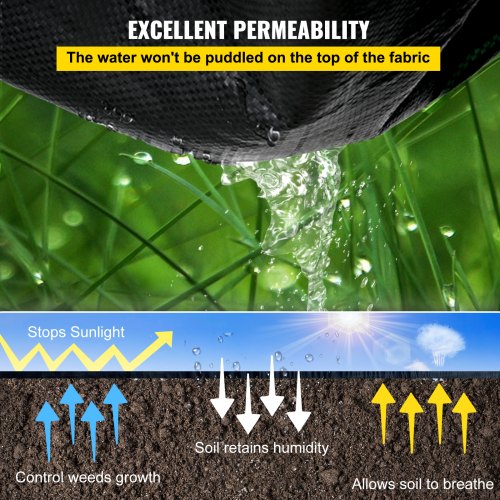
Landscape fabric blocks sunlight from reaching weeds. This prevents them from growing and taking over your garden.
By using this fabric, you reduce the need for chemical weed killers. It is a natural and safe way to manage weeds.
Soil Moisture Retention
Water-permeable fabric helps keep soil moisture intact. This is crucial for plants, especially in dry climates.
- The fabric reduces water evaporation from soil
- It ensures that roots get enough water
- Maintains soil temperature for plant health
Credit: www.vevor.ca
Common Misconceptions
Many people wonder if water can pass through landscape fabric. Some think it blocks all water. Others believe it lets water flow freely.
Understanding how landscape fabric works helps gardeners choose the right material. It also protects plants and soil well.
Waterproof Vs Permeable
Not all landscape fabrics are the same. Some are waterproof and stop water completely. Others are permeable and let water pass through.
Permeable fabrics allow rain and irrigation to reach the soil. Waterproof fabrics block water and can cause drainage problems.
- Waterproof fabric blocks all water flow
- Permeable fabric lets water pass freely
- Permeable fabrics help keep soil moist
- Waterproof fabrics may cause water to pool
Impact On Plant Health
Plants need water to grow. If landscape fabric stops water, plants may suffer from drought. Permeable fabric supports healthy roots by allowing water in.
Good airflow through permeable fabric also helps prevent root diseases. Waterproof fabric can trap moisture above the soil and harm plants.
- Permeable fabric supports root hydration
- Allows air to reach plant roots
- Waterproof fabric may cause root stress
- Poor drainage can lead to root rot
Choosing The Right Fabric
Landscape fabric lets water pass through while blocking weeds. Picking the right type helps plants grow well and keeps your yard neat.
Some fabrics stop water from going through. Others let water flow but stop weeds. Knowing which fabric fits your garden is key.
Types For Different Landscapes
Woven fabrics are strong and let water pass easily. They work well in flower beds and vegetable gardens.
Non-woven fabrics hold water but still block weeds. These are good for areas with heavy rainfall or near water features.
- Woven Fabric:Durable, allows good water flow, best for dry areas
- Non-woven Fabric:Holds moisture, blocks weeds, good for wet spots
- Permeable Fabric:Lets water drain fast, ideal for slopes and drainage zones
Installation Tips
Clear the area of weeds and rocks before laying fabric. This helps the fabric work better and last longer.
Overlap edges of fabric by 6 to 12 inches. This stops weeds from growing between the seams.
- Lay fabric flat without wrinkles
- Use landscape staples to hold fabric in place
- Add mulch on top to protect fabric from sun damage
- Cut holes carefully for plants to grow through
Alternatives To Landscape Fabric
Landscape fabric helps control weeds but does not allow water to pass freely. Some gardeners want other options that work better with water flow. This guide shows alternatives that protect soil and support plants well.
These choices let water soak into the ground while reducing weeds and keeping soil healthy. They also add beauty to your garden or yard.
Organic Mulches
Organic mulches are natural materials placed on soil. They hold moisture, keep soil cool, and stop weeds from growing. Over time, they break down and add nutrients to the soil.
- Wood chips
- Bark
- Leaves
- Straw
- Grass clippings
- Compost
These mulches allow water to pass easily while protecting the soil. They also support earthworms and other helpful insects.
Other Ground Covers
Ground covers are low-growing plants that spread quickly. They cover soil and reduce weed growth. Many types let water soak into the ground easily.
| Ground Cover | Water Absorption | Benefits |
| Clover | High | Adds nitrogen, attracts bees |
| Vinca Minor | Moderate | Evergreen, colorful flowers |
| Moss | High | Thrives in shade, soft texture |
| Ajuga | Moderate | Fast-growing, colorful leaves |

Credit: serbu.ca
Frequently Asked Questions
Does Water Pass Through Landscape Fabric Easily?
Yes, landscape fabric is designed to allow water to pass through. It is permeable, letting water drain while blocking weed growth.
How Does Landscape Fabric Affect Soil Drainage?
Landscape fabric improves drainage by letting water flow through, preventing waterlogging. It keeps soil moist but well-drained for healthy plants.
Can Landscape Fabric Prevent Water Pooling?
While fabric helps water drain, it does not fully prevent pooling. Proper installation and soil grading are essential to avoid standing water.
Is Landscape Fabric Suitable For All Garden Types?
Landscape fabric works well in most gardens but may not suit heavy clay soils. It is best for areas needing weed control and good drainage.
Conclusion
Landscape fabric allows water to pass through while blocking weeds. It helps keep soil moist and plants healthy. Water flows down and reaches plant roots easily. This fabric is useful for gardens and yards. It stops weeds but lets water soak in.
Choosing the right fabric means better water drainage. Your plants will get water without flooding. Using landscape fabric supports healthy growth in your garden. Simple and effective for water flow and weed control.