Have you ever wondered if your well water can freeze when winter hits? It’s a question that matters a lot if you rely on a well for your home’s water supply.
Frozen water can cause serious problems, from bursting pipes to losing access to water when you need it most. But don’t worry—understanding how well water behaves in cold weather can help you protect your home and avoid costly repairs. Keep reading to find out what really happens to well water in winter and what you can do to keep your water flowing smoothly all season long.
How Well Water Reacts To Cold
Understanding how well water reacts to cold is essential. It depends on several factors that influence its behavior. Well water, deep underground, has unique properties. Let’s explore these factors and how they impact freezing.
Temperature Changes Underground
Underground temperatures remain relatively stable. This stability protects well water from freezing. The earth acts as insulation. It keeps the water temperature above freezing. Even in cold climates, this natural insulation is effective.
Factors Affecting Freezing Points
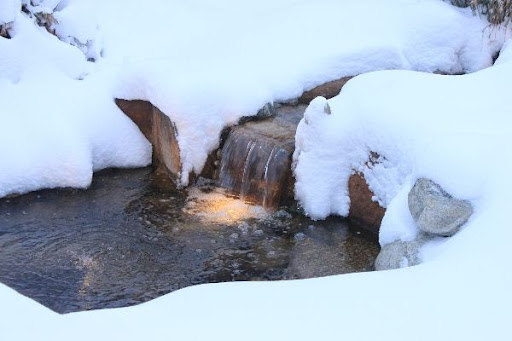
Several factors affect the freezing point of well water. Water depth is a key factor. Deeper wells are less likely to freeze. The presence of minerals can lower the freezing point. Salts and other substances make freezing less likely. Pipe insulation also plays a critical role. Properly insulated pipes help prevent freezing. Lastly, water movement is vital. Moving water resists freezing better than still water.
Credit: coloradopondpros.com
Common Myths About Well Water Freezing
Many people worry about their well water freezing during winter, but several myths confuse the reality. These misunderstandings often stem from what people see on the surface versus what happens underground. Let’s clear up some common misconceptions so you can better protect your water supply.
Misconceptions About Surface Frost
It’s easy to think that frost on the ground means your well water is at risk of freezing. However, surface frost only affects the top layer of soil and doesn’t reflect the temperature deep underground. If you’ve ever noticed frost on your lawn but had no issues with your water supply, you’ve experienced this firsthand.
Surface frost can be misleading because it looks like everything outside is freezing solid. But your well pipes and water source are usually much deeper, where the temperature remains stable.
Reality Of Subsurface Water Temperatures
Water underground maintains a temperature just above freezing throughout winter. This happens because soil acts as natural insulation, protecting the water from harsh cold. Typically, well water is found at depths where freezing is highly unlikely.
Have you checked how deep your well is? If it’s more than a few feet below the surface, your water is likely safe from freezing. This natural protection means you can focus more on insulating your pipes above ground rather than worrying about the water source itself.
Risks Of Freezing Well Water
Freezing well water in winter can cause serious risks. Cold temperatures affect the entire well system. Damage to pipes and equipment is common. Water supply might stop, or quality may drop. Understanding these risks helps protect your home and water.
Potential Damage To Pipes And Equipment
Water expands as it freezes. This expansion can crack pipes made of plastic or metal. Cracks lead to leaks and costly repairs. Pumps and pressure tanks are also at risk. Frozen water inside equipment can cause it to break. Protecting pipes with insulation reduces damage risk.
Impact On Water Supply And Quality
Frozen water stops the flow to your home. This means no water for drinking, cooking, or cleaning. Thawing frozen pipes can let dirt and bacteria enter the water. This lowers water quality and can cause health issues. Regular checks ensure water remains safe and available.
Credit: www.charlotteobserver.com
Preventing Well Water Freezing
Preventing your well water from freezing during winter is essential to maintain a steady water supply and avoid costly repairs. Cold temperatures can cause pipes and pumps to freeze, leading to interruptions and damage. Taking proactive steps ensures your system stays functional even in the harshest conditions.
Insulation Techniques
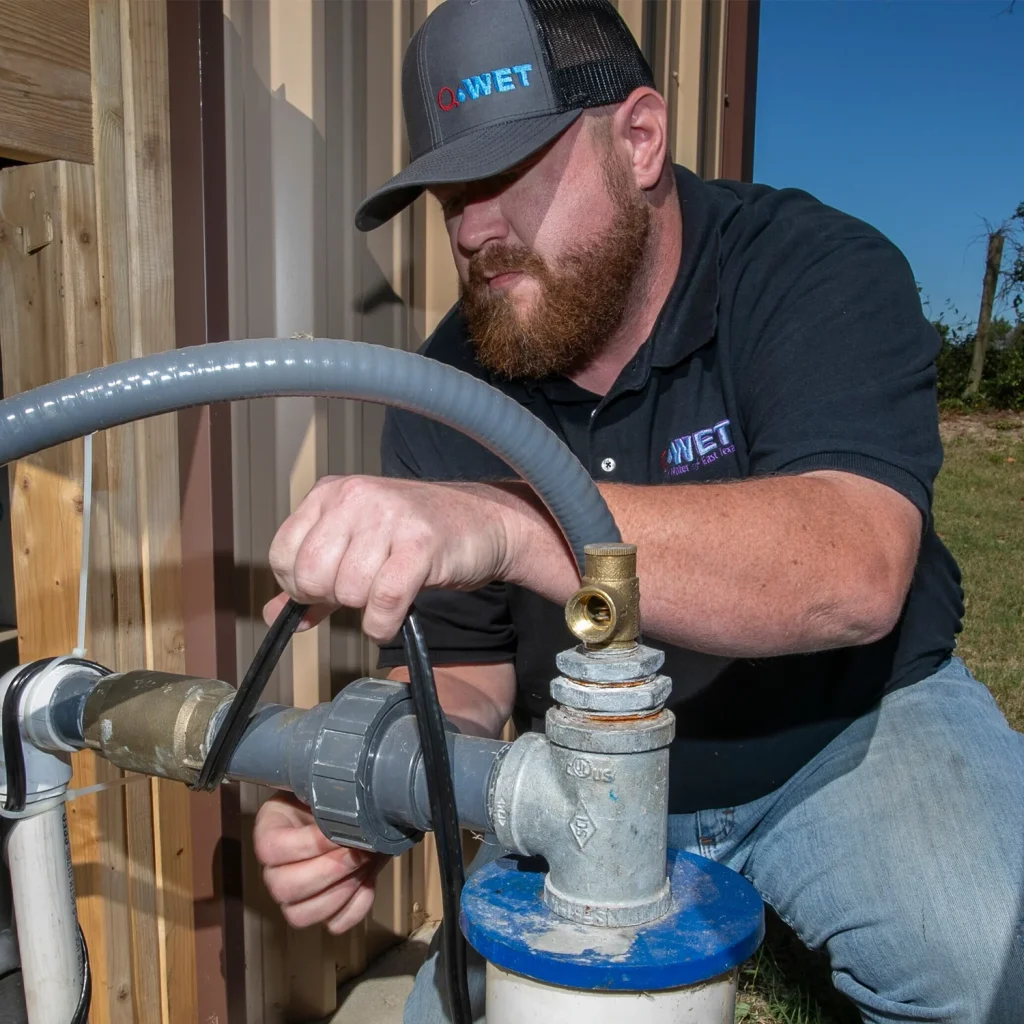
Proper insulation is your first line of defense against freezing well water. Wrap exposed pipes with foam sleeves or fiberglass insulation to keep the cold out. Don’t forget to insulate the well casing itself, especially if it is above ground.
You can also use heat tape or heating cables along pipes to provide extra warmth. These products are easy to install and can be plugged in when temperatures drop. Have you checked your insulation recently to ensure there are no gaps or worn spots?
Heating Options For Wells
Adding a heat source near your well can prevent freezing without excessive energy use. Electric well heaters come in compact designs that fit inside the well casing or attach outside. These heaters maintain a stable temperature without overheating the water.
Another option is a submersible pump with a built-in heating element. This keeps the pump warm and prevents ice formation. Think about your power availability and the size of your well when choosing a heating solution.
Proper Maintenance Tips
Regular maintenance helps catch potential freezing issues early. Check your well system before winter arrives to ensure everything is secure and functioning. Clear snow and ice from around the well area to improve ventilation and prevent cold buildup.
Running water periodically during extreme cold can keep the pipes moving and reduce freezing risks. Also, inspect seals and caps for cracks where cold air could sneak in. How often do you perform winter checks on your well system?
Signs Your Well Water Might Be Freezing
Winter can be harsh on well water systems. Freezing temperatures may cause serious issues. Recognizing early signs helps prevent damage and costly repairs.
Watch for these common signals that your well water might be freezing.
Reduced Water Flow
The flow of water slows down noticeably. Faucets may trickle instead of running full force. Showers feel weaker, and filling containers takes longer.
This happens because ice blocks pipes or the pump intake. Limited water movement means frozen sections inside the system.
Unusual Noises From The Pump
The pump may make strange sounds like grinding or whining. These noises are not typical during normal operation. They often indicate strain from frozen water or ice buildup.
Listen carefully near the well or pump house. Noises mean the pump struggles to pull water through icy pipes.
Changes In Water Pressure
Water pressure drops suddenly or fluctuates without reason. Pressure gauges may show unstable readings. It becomes harder to maintain steady water flow.
Frozen water restricts movement, causing pressure changes. Pay attention to any irregular pressure patterns during cold spells.
When To Call A Professional
Knowing when to call a professional for your well water system during winter can save you from costly repairs and inconvenient water outages. While some issues may seem minor, they can quickly escalate, especially when freezing temperatures are involved. Being proactive and recognizing warning signs helps keep your water flowing smoothly all season long.
Emergency Situations
If you notice no water coming from your taps despite your pump running, it could mean your well pipes have frozen or the pump is malfunctioning. Don’t wait—call a professional immediately. A frozen pipe can burst and cause extensive damage if left untreated.
Another urgent sign is strange noises coming from your well pump or sudden drops in water pressure. These often indicate mechanical problems that require expert attention. Ignoring these can leave you without water for days during cold spells.
- Complete loss of water supply
- Unusual sounds from the pump
- Visible ice around pipes or pump components
Routine Winter Check-ups
Even if your well water is flowing fine, scheduling a winter check-up with a professional is a smart move. They can inspect insulation on pipes, test the pump’s efficiency, and ensure no hidden issues could cause freezing later.
These routine visits help catch small problems early. For instance, a technician might recommend adding heat tape or improving pipe insulation to prevent freezing. This simple step can save you from emergency calls when temperatures drop suddenly.
Have you ever had to deal with a frozen well pipe? Regular maintenance could prevent that hassle. Think of a winter check-up as a way to protect your home and peace of mind.

Credit: www.cleanwaterstore.com
Frequently Asked Questions
Does Well Water Freeze In Extreme Cold?
Yes, well water can freeze in extremely cold temperatures. Proper insulation and heating can prevent freezing in your well system.
How To Protect Well Water Pipes From Freezing?
Insulate exposed pipes and use heat tape or heating cables. Keep the well house warm during cold weather to prevent freezing.
What Happens If Well Water Freezes?
Frozen well water can block flow, damage pipes, and disrupt water supply. Immediate thawing and repairs are essential to avoid permanent damage.
Can Well Water Quality Change After Freezing?
Freezing usually does not affect water quality. However, pipe damage from freezing may introduce contaminants, so testing is advisable after thawing.
Conclusion
Well water can freeze in winter if not properly protected. Cold temperatures cause the water in pipes and tanks to freeze and block flow. Insulating pipes and using heat tape helps prevent freezing. Regular checks during cold spells keep your water running smoothly.
Taking simple steps saves you from costly repairs later. Stay prepared and protect your well water this winter. Safe water means peace of mind all season long.