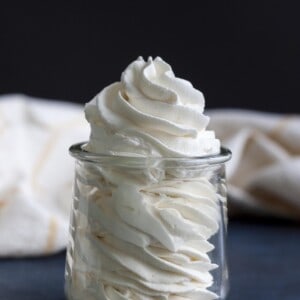
Have you ever wondered if whipped cream needs to be refrigerated to stay fresh? You might be surprised how this simple question can impact the taste and safety of your favorite desserts.
Whether you’re topping off a cake or adding a dollop to your coffee, knowing the right way to store whipped cream can save you from wasting food or risking spoilage. Keep reading to discover the facts that will help you enjoy whipped cream at its best every time.

Credit: www.livewellbakeoften.com
Types Of Whipped Cream
Whipped cream comes in different types, each with its own qualities and storage needs. Understanding these types helps you store and use whipped cream properly. The texture, taste, and shelf life vary depending on the type you choose.
Freshly Whipped Cream
Freshly whipped cream is made by beating heavy cream until soft peaks form. It tastes rich and creamy with a natural texture. This type must be kept in the refrigerator to stay fresh. It lasts only a few days before it starts to lose its fluffiness and can spoil quickly.
Store-bought Aerosol Cans
Store-bought whipped cream in aerosol cans is ready to use. It contains stabilizers and preservatives to keep it fresh longer. These cans require refrigeration after opening to maintain quality. Unopened cans can be stored at room temperature, but check the label for specific instructions.
Shelf-stable Powdered Mixes
Shelf-stable powdered whipped cream mixes are dry and last long without refrigeration. You add water or milk to make whipped cream when needed. This type is convenient and easy to store but may not taste as fresh as other types. Once prepared, it should be refrigerated like freshly whipped cream.
Refrigeration Requirements
Whipped cream needs proper storage to stay fresh and safe to eat. Different types of whipped cream require different refrigeration rules. Understanding these helps keep the cream tasty and prevents spoilage.
Fresh Cream Storage
Fresh whipped cream must always stay cold. Store it in the refrigerator at or below 40°F (4°C). Use an airtight container to stop it from absorbing other food smells. Fresh cream typically lasts 2 to 3 days in the fridge. Avoid leaving it out at room temperature for long periods.
Aerosol Can Storage
Aerosol whipped cream cans should be refrigerated after opening. Keep the can upright in the fridge. The cold temperature helps maintain the cream’s texture and taste. Unopened cans can stay at room temperature but check the label for specific instructions. Always avoid freezing aerosol cans, as this can damage the can and affect the cream inside.
Powdered Mix Storage
Powdered whipped cream mix does not need refrigeration. Store it in a cool, dry place away from moisture. Keep the packaging sealed tightly to avoid clumping. Once mixed into whipped cream, the product must be refrigerated and used quickly. Proper storage of the powder ensures a longer shelf life and fresh results.
Shelf Life Without Refrigeration
Wondering how long whipped cream lasts without refrigeration? The answer depends on the type of whipped cream you have. Understanding the shelf life can help you avoid wasted food and potential health risks.
Fresh Whipped Cream Risks
Freshly whipped cream is highly perishable. Without refrigeration, bacteria can grow quickly, causing the cream to spoil within a few hours.
If you leave fresh whipped cream out at room temperature, it may develop an off smell, sour taste, or curdled texture. These signs mean it’s no longer safe to eat.
Have you ever noticed how fast dairy products go bad on a warm day? That’s exactly why fresh whipped cream should never be left out for long.
Aerosol Can Expiry
Aerosol whipped cream cans contain preservatives, which help extend their shelf life before opening. However, once opened, the cream inside needs to be refrigerated to stay fresh.
Unopened cans can last for weeks or even months at room temperature, but always check the expiration date printed on the can. Using a can past this date can affect taste and safety.
Think of the can like a sealed container—once the seal breaks, the cream inside is exposed to air and bacteria, shortening its shelf life dramatically.
Powdered Mix Longevity
Powdered whipped cream mixes are more stable without refrigeration. Stored in a cool, dry place, they can last several months unopened.
Once mixed with liquid, however, the whipped cream behaves like fresh cream and needs to be refrigerated. Otherwise, it will spoil quickly.
Keeping powdered mix sealed tightly away from moisture is key to maintaining its shelf life and quality.
Credit: richproducts.ca
Tips For Safe Storage
Storing whipped cream properly keeps it fresh and safe to eat. Following simple tips helps maintain its texture and flavor. These steps prevent spoilage and contamination, extending whipped cream’s shelf life.
Sealing And Container Choices
Choose airtight containers to store whipped cream. Containers with tight lids keep air out and moisture in. Avoid using open bowls or containers without covers. Plastic or glass containers both work well. Clean containers before use to avoid bacteria growth.
Temperature Control
Keep whipped cream refrigerated at or below 40°F (4°C). Cold temperatures slow bacterial growth and keep cream fresh. Do not leave whipped cream out at room temperature for long. Use it quickly once opened to prevent spoilage.
Avoiding Contamination
Use clean spoons or utensils when handling whipped cream. Avoid dipping fingers or dirty tools into the container. Close the container immediately after use. This prevents bacteria and germs from entering. Store whipped cream away from strong-smelling foods to keep its taste pure.
Signs Of Spoilage
Knowing the signs of spoilage in whipped cream is essential to avoid unpleasant tastes and potential health risks. Spoiled whipped cream can quickly ruin your dessert or drink, so spotting the warning signals early can save you from waste and disappointment. Let’s look at the key indicators you should watch for before using whipped cream.
Changes In Texture
Fresh whipped cream is smooth and fluffy. If you notice it becoming watery or lumpy, that’s a red flag. Sometimes it might separate, with liquid pooling at the bottom—this means the cream is breaking down and losing its freshness.
Have you ever tried to spread whipped cream that felt grainy or curdled? That’s a sure sign it’s past its prime and no longer safe to eat.
Off Odors And Flavors
Whipped cream should have a light, sweet aroma. If it smells sour, sharp, or just “off,” it’s time to toss it. Your taste buds will often confirm this—any bitterness or sourness means the cream has spoiled.
Trust your senses here. Even a subtle change in smell or flavor can indicate bacterial growth or fermentation, which you don’t want in your food.
Mold And Discoloration
Visible mold on whipped cream is an obvious warning. Mold can appear as green, blue, or gray spots and should never be ignored. Discoloration, like yellowing or dark patches, also signals spoilage.
Have you spotted something unusual on your whipped cream? Don’t taste it to check—mold can be harmful even in small amounts.

Credit: www.rotasswhip.com
Using Whipped Cream Safely
Using whipped cream safely means more than just enjoying its fluffy texture and sweet taste. It involves knowing how to store, serve, and handle it to prevent spoilage and foodborne illness. Paying attention to these details keeps your desserts delicious and your guests safe.
Serving Recommendations
Always serve whipped cream cold. It tastes best and holds its shape longer when chilled. Avoid leaving it out for more than two hours, especially on warm days, to prevent bacteria growth.
If you’re topping desserts like pies or hot drinks, add the whipped cream just before serving. This keeps it from melting or becoming watery too quickly. Have you noticed how whipped cream quickly loses its texture on warm desserts? Serving it cold helps maintain that perfect fluffy bite.
Transporting Whipped Cream
Transport whipped cream in a cooler or insulated bag with ice packs. This keeps it at a safe temperature during travel. Whether you’re bringing it to a picnic or a party, keeping it cold is key to maintaining freshness.
Use sealed containers to avoid spills and contamination. If you’re carrying homemade whipped cream, consider freezing it briefly to firm it up for the trip. Have you ever had whipped cream turn runny before reaching your destination? Proper transport prevents that disappointment.
Reheating And Refreezing
Reheating whipped cream is generally not recommended. Heat can break down its structure, making it watery and unappetizing. Instead, use it cold or at room temperature shortly after taking it out of the fridge.
Refreezing whipped cream also causes texture loss. Once thawed, whipped cream tends to separate and lose its fluffiness. If you have leftovers, store them in airtight containers and use within a day or two for the best experience.
Frequently Asked Questions
Does Whipped Cream Need Refrigeration After Opening?
Yes, whipped cream must be refrigerated after opening. It helps maintain freshness, texture, and prevents bacterial growth. Always seal the container tightly and store it in the fridge to extend its shelf life and ensure safety.
Can Whipped Cream Be Left Out At Room Temperature?
Whipped cream should not be left out for more than two hours. Room temperature encourages bacteria growth, causing spoilage and potential foodborne illness. Refrigerate it promptly to keep it safe and fresh.
How Long Does Whipped Cream Last In The Fridge?
Opened whipped cream typically lasts 5 to 7 days in the refrigerator. Always check the expiration date and discard if it smells sour or changes texture. Proper storage is essential for optimal taste and safety.
Is Homemade Whipped Cream Different In Refrigeration Needs?
Homemade whipped cream also requires refrigeration and should be consumed within 24 hours. It lacks preservatives, so it spoils faster. Keep it covered and cold to maintain its light, fluffy texture and freshness.
Conclusion
Whipped cream belongs in the fridge. It keeps it fresh and tasty. Bacteria grow quickly at room temperature. Keep it cold to stay safe. Always check the expiry date. Homemade cream spoils faster. Store it in a clean, sealed container.
This extends its shelf life. Enjoy whipped cream in your desserts. But remember to put it back in the fridge. It’s simple. Keep it cool, keep it safe. Your taste buds will thank you.