
Have you ever wondered if white wine needs to be refrigerated to stay fresh? You might be unsure whether leaving it out on the counter will ruin its taste or if popping it in the fridge is the best move.
Knowing the right way to store your white wine can make a big difference in how it tastes when you pour your next glass. Keep reading, and you’ll discover simple tips that will help you enjoy your white wine at its very best every time.
White Wine Storage Basics
Storing white wine properly keeps its flavors fresh and bright. White wine is sensitive to temperature and light. Knowing basic storage tips helps maintain its quality longer. Proper storage also prevents spoilage and off-tastes. This section covers simple steps to store white wine well.
Ideal Temperature Range
White wine stays best between 45°F and 55°F (7°C to 13°C). Cooler than room temperature but warmer than a fridge’s coldest part. Too cold, and flavors can mute. Too warm, and wine ages too fast. Consistent temperature keeps the wine balanced.
Avoiding Heat And Light
Heat damages white wine quickly. Avoid storing wine near ovens or windows. Direct sunlight breaks down wine compounds. Use dark, cool places for storage. A wine cellar or a shaded cabinet works well. Keep bottles away from bright light and heat sources.
Refrigeration For Unopened White Wine
Storing unopened white wine properly can make a big difference in how it tastes when you finally pour a glass. You might wonder if refrigeration is necessary or if keeping it at room temperature is just fine. Understanding the impact of storage conditions on unopened bottles helps you protect your investment and enjoy the wine at its best.
Shelf Life Without Refrigeration
Unopened white wine can last quite a while without refrigeration, but the exact shelf life depends on the type and quality. Most white wines stored at room temperature (around 68°F or 20°C) will stay good for about 1 to 2 years. However, if the temperature fluctuates or gets too warm, the wine can spoil faster.
Think about that bottle you bought for a special occasion and left in your pantry. If it’s been sitting there for more than two years, the freshness and flavor might have started to fade. Cooler temperatures slow down the aging process, which is why proper storage matters even before opening the bottle.
Benefits Of Chilling Before Serving
Chilling unopened white wine before serving isn’t just tradition—it enhances your drinking experience. Cooler temperatures bring out crisp, refreshing notes and balance acidity, making the wine taste brighter. Have you ever noticed how a chilled Sauvignon Blanc feels more lively than one served warm?
Serving white wine too warm can hide its delicate flavors and make it taste flat or overly alcoholic. Aim to chill your bottle to about 45-55°F (7-13°C) before opening. This is easy to achieve by placing the bottle in the fridge for 2-3 hours or in an ice bucket for 30 minutes.
Next time you grab a bottle, think about how a simple step like chilling it can change your whole experience. Isn’t it worth a little patience to enjoy your wine at its finest?
Refrigerating Opened White Wine
White wine tastes best when kept cold after opening. Refrigeration slows down spoilage and keeps flavors fresh longer. Leaving it out can make it lose taste quickly.
Refrigerating Opened White Wine Once you’ve opened a bottle of white wine, you’re faced with the challenge of maintaining its freshness. How you store it can make all the difference in preserving its taste and aroma. Refrigeration is key, but there are several factors to consider to ensure your white wine remains as delightful as the first sip.Preserving Freshness
To keep your white wine tasting fresh, it’s crucial to minimize its exposure to air. When a bottle is opened, oxygen starts to interact with the wine, which can lead to oxidation. This process can dull the flavors and aromas, turning your crisp, refreshing white wine into something much less enjoyable. By refrigerating, you slow down this oxidation process, keeping your wine fresher for longer. Storing your wine upright in the fridge also helps preserve its quality. This position reduces the surface area exposed to air. Even if you’re planning to finish the bottle within a few days, these small steps can significantly enhance your wine-drinking experience.Using Wine Stoppers And Vacuum Seals
Wine stoppers can be lifesavers for maintaining the quality of your opened white wine. A good wine stopper creates a tight seal, reducing the amount of air that can enter the bottle. They’re easy to use and come in various styles to fit your needs. Vacuum seals take preservation a step further by removing excess air from the bottle. This method is particularly effective for extending the life of your white wine. By creating a vacuum, you drastically slow down the oxidation process. Investing in a vacuum seal can be worthwhile if you frequently enjoy white wine but don’t always finish the bottle in one sitting. Have you ever noticed how much better your wine tastes when you take these extra steps? It’s not just about preserving the wine but about enhancing your entire wine experience. Wouldn’t you want every glass to taste as good as the first?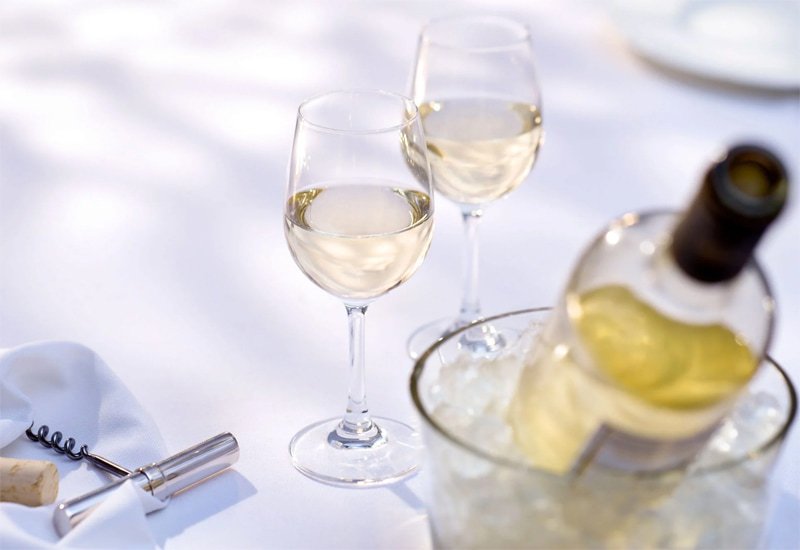
Credit: www.vinovest.co
Alternative Storage Options
If you don’t have immediate access to a refrigerator, white wine can still be stored safely using a few alternative options. These choices help maintain the wine’s freshness and flavor without the chill of a fridge. Let’s look at some practical places and tools that can keep your white wine just right.
Cool Dark Places At Home
Not every home has a wine fridge, but you likely have spots that stay cool and dark. A basement corner, a pantry, or a closet away from sunlight can work well. These areas help slow down the aging process and prevent temperature swings that harm the wine.
Try to avoid spots near heat sources like ovens or windows that get direct sunlight. Even a consistent room temperature slightly below 70°F can keep your white wine stable for a short period. Have you checked where your house stays coolest and darkest? It might surprise you.
Wine Coolers And Cellars
Investing in a wine cooler or cellar is a smart move if you drink white wine regularly. These devices keep your wine at an ideal temperature, usually between 45°F and 55°F, which is perfect for preserving its taste. Unlike a regular fridge, wine coolers maintain humidity levels, preventing corks from drying out.
If you don’t want a full cellar, small countertop wine coolers are a great alternative. They can store a few bottles and fit easily in kitchens or living rooms. Have you considered how a dedicated cooler might improve your wine experience?
Common Mistakes In White Wine Storage
Storing white wine properly matters a lot for its taste and freshness. Many people make mistakes that spoil the wine quickly. These errors can change the flavor and aroma. Knowing what to avoid helps keep your wine at its best.
Temperature Fluctuations
White wine needs a steady, cool temperature. Sudden changes can hurt its quality. Heat speeds up aging and can cause the wine to taste flat. Cold snaps may shock the wine, affecting its balance. Keep wine away from direct sunlight and heat sources. A stable environment protects the wine’s delicate flavors.
Improper Sealing
Not sealing the bottle well lets air in. Oxygen harms white wine by making it sour. Use the original cork or a tight stopper. Avoid loose caps or half-closed bottles. Proper sealing keeps the wine fresh longer. It stops oxidation and preserves the crisp taste.

Credit: www.vinovest.co

Credit: www.laurelfork.com
Frequently Asked Questions
Does White Wine Need Refrigeration After Opening?
Yes, white wine should be refrigerated after opening. Cooling slows oxidation, preserving taste and freshness for up to 3-5 days.
How Long Can White Wine Stay Unrefrigerated?
Unopened white wine can stay unrefrigerated for months if stored in a cool, dark place. Open bottles last only hours at room temperature.
What Is The Ideal Temperature For Storing White Wine?
White wine stores best at 45-55°F (7-13°C). This range maintains flavor without freezing or warming the wine.
Can Refrigeration Affect White Wine Taste?
Refrigeration preserves white wine’s freshness and crispness. However, prolonged cold storage can dull aromas, so serve slightly chilled, not ice-cold.
Conclusion
White wine stays fresh longer when kept cool. Store it in the fridge after opening. This slows down the loss of flavor and aroma. Avoid warm places to keep the taste crisp. A cool environment helps preserve its quality. Remember, not all wines need the same care.
Chill white wine for the best drinking experience. Enjoy your wine at the perfect temperature every time. Simple steps can make a big difference. Keep your white wine fresh and tasty with proper storage.