Have you ever wondered where the air inside your room actually comes from when your window air conditioner is running? You might be asking yourself, “Does my window AC pull fresh air from outside, or is it just recycling the air already inside?”
Understanding this can help you make smarter choices about your comfort and indoor air quality. Keep reading, and you’ll discover the truth behind how your window air conditioner works and what it means for your home’s airflow and freshness. This knowledge could change the way you think about cooling your space.

Credit: www.forbes.com
How Window Ac Units Work
Window air conditioners cool rooms by moving heat from inside to outside. They do not pull air from outside into the room. Instead, they recirculate the indoor air while removing heat and moisture.
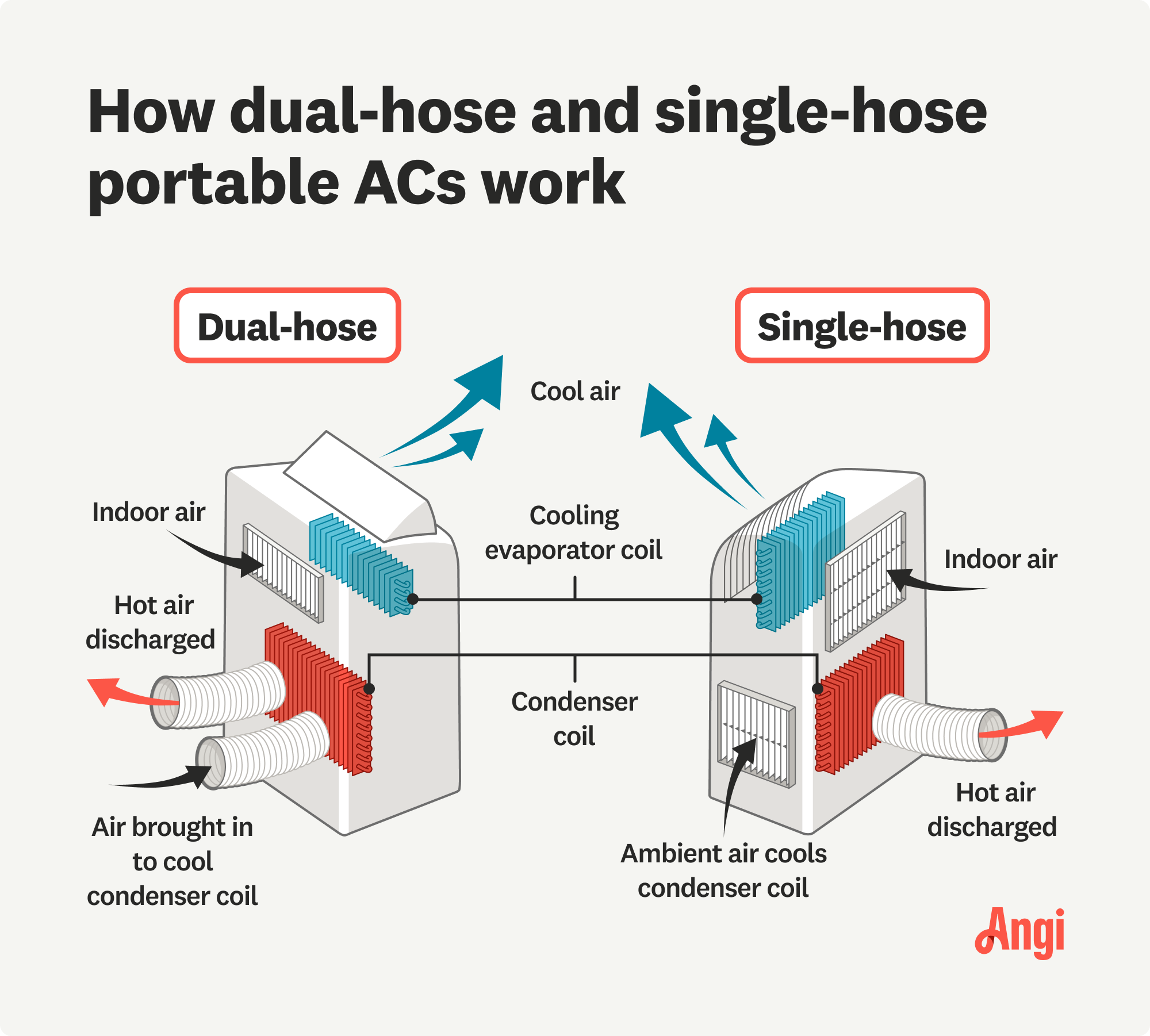
Understanding how these units manage air and heat helps explain their cooling process. Two main parts inside the unit play key roles: the evaporator and the condenser.
Air Circulation Inside The Room
The window AC draws warm air from the room through a vent. The air passes over cold coils inside the unit. This cooled air is then blown back into the room, lowering the temperature.
- Room air enters the AC through the front vent
- Air moves past cold evaporator coils
- Heat is removed from the air
- Cool air returns to the room
Role Of The Evaporator And Condenser
The evaporator and condenser work together to move heat outside. The evaporator cools the air inside, while the condenser releases heat outside the house.
| Component | Function |
| Evaporator | Absorbs heat from room air and cools it |
| Condenser | Releases heat outside and cools the refrigerant |
Source Of Air In Window Ac
Window air conditioners cool the air inside a room. They do this by moving air through cold coils. Many people wonder if the air comes from outside or inside.
Understanding where the air comes from helps you use your AC better. Let’s look at the two main sources of air in window AC units.
Recirculated Indoor Air
Most window AC units use indoor air to cool the room. They pull air from inside, cool it, and blow it back. This is called recirculated air.
Recirculating indoor air helps keep the room cool quickly. It does not bring much fresh air from outside.
- Indoor air is pulled through the front grille
- Air passes over cold coils to lower temperature
- Cooled air is pushed back into the room
- Helps maintain a steady indoor temperature
Limited Outside Air Intake
Some window AC models have a small vent for outside air. This vent lets a little fresh air enter the room. It helps reduce stuffiness.
The amount of outside air is usually very small. The AC mainly cools indoor air but adds limited fresh air.
- Small vent or flap on the AC unit
- Fresh air mixes with cooled indoor air
- Improves air quality slightly
- Not enough to replace full ventilation
Myths About Outside Air Intake
Many people wonder if window air conditioners pull air from outside. This question leads to some common myths about how these units work. Understanding the truth helps users set correct expectations.
This article clears up confusion about outside air intake in window air conditioners. It explains what really happens with the air inside your room.
Common Misconceptions
Some think window air conditioners bring fresh outside air into the room. This is often not true. The units mainly recycle indoor air. They cool the air and remove moisture, but do not act as fresh air ventilators.
- They do not pull large amounts of air from outside.
- The cooling happens by removing heat from indoor air.
- Most models recirculate the same air inside your home.
- Outside air intake is limited or none at all.
Why Outside Air Intake Is Minimal
Window air conditioners are designed to cool indoor air. They do this by moving heat outside. Bringing in outside air can reduce efficiency and increase energy use. That is why intake of outside air is kept very small.
| Reason | Explanation |
| Energy Efficiency | Recirculating indoor air saves energy by cooling less hot air. |
| Temperature Control | Outside air may be hotter or more humid, making cooling harder. |
| Unit Design | Most units lack parts to draw and filter large amounts of outside air. |
| Air Quality | Outside air may carry dust and pollutants, which units avoid pulling in. |
Ventilation Options In Window Acs
Window air conditioners cool the air inside a room. Some models can also bring fresh air from outside. This helps improve indoor air quality.
Different window ACs have various ways to handle ventilation. Understanding these options helps you pick the right unit for your needs.
Fresh Air Vent Feature
Some window ACs have a fresh air vent. This vent lets air from outside enter the room. It helps replace stale indoor air with fresh air.
The fresh air vent can usually be opened or closed. When open, the unit pulls in outside air while cooling. This feature helps with ventilation and air quality.
- Improves air quality by adding fresh air
- Can be turned on or off
- May affect cooling efficiency slightly
Manual Ventilation Settings
Many window ACs allow manual control of ventilation. You can choose to use the fresh air vent or keep it closed. This control is often a simple switch or lever.
Manual settings let you decide if you want outside air or just cooled indoor air. This is useful in different weather or pollution conditions.
- Switch to open or close fresh air vent
- Control ventilation based on your preference
- Helps save energy when fresh air is not needed
Impact Of Outside Air On Cooling Efficiency
Window air conditioners mainly recycle indoor air to cool a room. They do not pull large amounts of outside air inside.
The presence of outside air can affect how well the unit cools and how much energy it uses.
Energy Consumption Considerations
Bringing in outside air forces the air conditioner to work harder. This can increase electricity use.
- Hot outside air raises the room temperature.
- The unit cools more air to keep the room comfortable.
- This uses more power and can raise energy bills.
- Sealing gaps around the unit helps reduce outside air entry.
Effect On Room Temperature
| Outside Air Condition | Impact on Room Cooling |
| Hot and Humid | Increases cooling load and moisture inside |
| Cool and Dry | Less impact, easier to maintain room temperature |
| Sealed Room | Better temperature control and efficiency |
Outside air affects how steady the room temperature stays. Minimizing outside air improves comfort.
When Outside Air Intake Is Useful
Window air conditioners usually recycle indoor air. They cool the air inside your room. Most models do not pull air from outside.
Some units have an option to bring in outside air. This feature helps in certain situations. It improves air quality and reduces stuffiness.
Improving Indoor Air Quality
Fresh air from outside reduces indoor pollution. It lowers dust, odors, and harmful gases. This helps people with allergies or asthma.
Bringing outside air in can lower carbon dioxide levels. This makes the room feel fresher and healthier. It is best to use this feature in clean outdoor environments.
- Reduces indoor air pollution
- Helps allergy and asthma sufferers
- Decreases carbon dioxide buildup
- Makes the room feel fresher
Combating Stale Air
Stale air can feel heavy and uncomfortable. It happens when indoor air stays trapped for long. Bringing in outside air refreshes the room.
Using outside air intake helps remove odors and moisture. This stops mold and mildew growth. It keeps your living space clean and pleasant.
- Refreshes air in closed rooms
- Removes odors and excess moisture
- Prevents mold and mildew
- Keeps the room comfortable
Alternatives For Fresh Air Circulation
Window air conditioners usually recirculate indoor air. They do not pull fresh air from outside. This can cause stuffy rooms after some time.
There are simple ways to bring fresh air inside. These methods help improve air quality and keep rooms comfortable.
Using Exhaust Fans
Exhaust fans remove stale air from inside the room. They push the old air outside. This creates space for fresh air to come in.
Exhaust fans work well in kitchens and bathrooms. These areas often have moisture and odors that need quick removal.
- Install exhaust fans near windows or vents
- Run fans while cooking or showering
- Use fans regularly to improve airflow
Window And Door Ventilation
Opening windows and doors lets fresh air enter the room. It also helps push out stale air. Cross-ventilation works best with openings on opposite sides.
Good ventilation reduces indoor air pollutants. It also lowers humidity and keeps rooms cooler without using extra energy.
- Open windows on opposite walls for airflow
- Keep doors open to allow air movement
- Use window screens to keep bugs out
Credit: www.angi.com

Credit: windmillair.com
Frequently Asked Questions
Do Window Ac Units Use Outside Air?
Window air conditioners mainly recirculate indoor air. They do not pull air from outside. Their primary function is to cool the indoor air by cycling it through the unit. However, some models have vents that can introduce outside air when desired.
Can Window Acs Ventilate A Room?
Window ACs are not designed for ventilation. They primarily cool and dehumidify indoor air. While some units have a vent control, it’s not as effective for full ventilation. For proper ventilation, consider using additional fans or a dedicated ventilation system.
How Do Window Acs Cool Indoor Air?
Window air conditioners cool indoor air by using refrigerant cycles. The system absorbs heat from inside and releases it outside. The process involves evaporating and compressing the refrigerant, which effectively lowers the indoor temperature.
Do Window Acs Improve Indoor Air Quality?
Window ACs improve air quality by filtering out dust and allergens. They come with basic filters that trap particles, improving air quality. For better results, ensure regular cleaning and maintenance of the unit’s filters.
Conclusion
Window air conditioners mainly recirculate indoor air to cool a room. They do not pull air directly from outside. This helps keep the room temperature steady and energy use low. Some models have a small vent for fresh air, but it is not common.
Knowing this can help you choose the right cooling system. Understanding how your air conditioner works improves comfort and saves energy. Keep your windows closed for best cooling results. Simple steps make your room cooler and fresher.