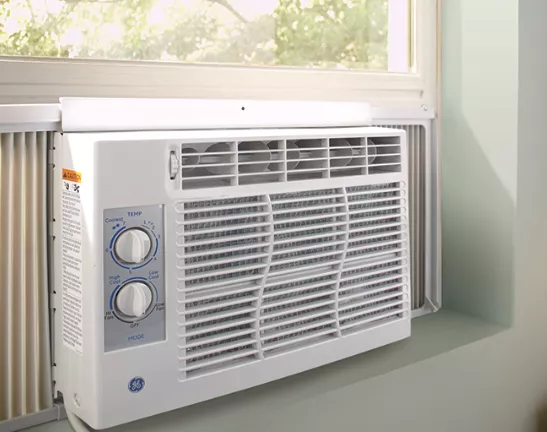
Are you worried that your window air conditioner might be driving up your electricity bills? You’re not alone.
Many people wonder if these handy cooling units use a lot of power and how that affects their monthly expenses. Understanding how much electricity your window air conditioner consumes can help you make smarter choices for your comfort and wallet.
Keep reading to find out the truth about energy use, and learn simple tips to keep your home cool without breaking the bank.

Credit: www.forbes.com
How Window Acs Consume Electricity
Window air conditioners cool a room by using electrical power. They draw electricity to run the compressor, fan, and other parts.
The amount of electricity a window AC uses depends on several factors. These include its power rating and how long it runs.
Power Ratings And Energy Usage
Window AC units have power ratings measured in watts (W) or BTUs (British Thermal Units). A higher rating means more cooling power but also more electricity use.
| Power Rating (BTU) | Approximate Wattage (W) | Energy Use per Hour (kWh) |
| 5,000 | 500 | 0.5 |
| 8,000 | 800 | 0.8 |
| 10,000 | 1,000 | 1.0 |
| 12,000 | 1,200 | 1.2 |
Factors Affecting Consumption
Electricity use changes based on how the AC runs. These factors affect consumption:
- Room size – Bigger rooms need more cooling power.
- Thermostat setting – Lower temperatures increase power use.
- Insulation quality – Poor insulation lets heat in and wastes energy.
- Usage time – Longer running times raise electricity use.
- Maintenance – Clean filters and coils improve efficiency.
Comparison With Other Ac Types
Window ACs usually use more electricity than split ACs but less than portable units. Their fixed installation helps reduce leaks.
| AC Type | Energy Efficiency | Electricity Use |
|---|---|---|
| Window AC | Moderate | Medium |
| Split AC | High | Low to Medium |
| Portable AC | Low | High |
Energy Efficiency Ratings
Window air conditioners use electricity to cool rooms. Their energy use depends on efficiency ratings. These ratings help you find models that save power.
Understanding these ratings can reduce your electricity bills. It also helps protect the environment by lowering energy waste.
What Seer And Eer Mean
SEER stands for Seasonal Energy Efficiency Ratio. It measures cooling efficiency over a season. A higher SEER means less energy use for the same cooling.
EER means Energy Efficiency Ratio. It shows efficiency at a specific temperature. EER is useful for hot days when air conditioners work hardest.
- SEER measures seasonal efficiency
- EER measures efficiency at a fixed temperature
- Higher numbers mean better energy savings
Choosing Energy Star Models
Energy Star models meet strict energy efficiency rules. They use less electricity than standard units. Choosing these models lowers power use and bills.
| Feature | Standard Model | Energy Star Model |
| Average SEER | 10 | 12 or higher |
| Energy Use | Higher | Lower |
| Electricity Cost | More | Less |
Impact On Electricity Bills
Efficient air conditioners lower electricity bills. They need less power to cool the same space. This can save a lot of money over time.
- Choose units with high SEER and EER ratings
- Look for Energy Star certification
- Use the air conditioner only when needed
- Keep filters clean for better efficiency
Common Misconceptions About Window Acs
Many people think window air conditioners use a lot of electricity. This idea causes some to avoid using them. It is important to look at the facts and understand how these units work.
This article explains common myths about window ACs and what really affects their power use. Knowing the truth helps you make better decisions about cooling your home.
Are They Always Power Hogs?
Window air conditioners do use electricity, but not always in large amounts. Their power use depends on size, efficiency, and how long they run. Small units use less energy than big ones.
- Older models often use more power.
- Newer models have better energy ratings.
- Using the right size for your room saves energy.
- Proper maintenance keeps them efficient.
- Running the AC only when needed lowers costs.
Myth Vs Reality On Running Costs
Many believe that running a window AC costs a lot each month. The reality depends on electricity rates and usage hours. Let’s compare estimated costs of different window AC units.
| Unit Size (BTU) | Average Power Use (Watts) | Estimated Cost per Hour ($) | Monthly Cost (8 hrs/day) |
|---|---|---|---|
| 5,000 | 500 | 0.06 | 14.40 |
| 8,000 | 800 | 0.10 | 24.00 |
| 12,000 | 1,200 | 0.14 | 33.60 |
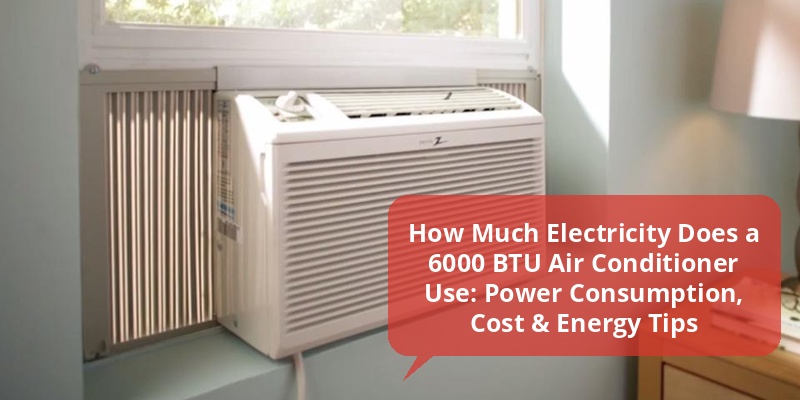
Credit: northnjhvac.com
Tips To Lower Electricity Use
Window air conditioners can use a lot of electricity if not used wisely. You can save energy by following simple tips. These tips help lower your electric bills.
Using your air conditioner in smart ways keeps your home cool without wasting power. Small changes make a big difference in energy use.
Proper Installation And Maintenance
Installing your window air conditioner correctly helps it work well and use less electricity. Make sure it fits tightly in the window to stop warm air from coming in.
Regular maintenance keeps the unit clean and efficient. Clean or replace filters often and remove dust from coils. This helps the air conditioner cool better without extra power.
- Seal gaps around the unit
- Clean filters every month during use
- Remove dirt and debris from coils
- Check for leaks or damage yearly
Optimizing Thermostat Settings
Setting the thermostat to a comfortable but not too cold temperature saves energy. Every degree cooler raises electricity use.
Try to keep the thermostat at about 78°F (25°C) when you are home. Raise it a few degrees when you leave or sleep to use less power.
- Set thermostat to 78°F (25°C) for comfort
- Increase temperature when away or sleeping
- Avoid setting very low temperatures
- Use a fan to help cool the room
Using Timers And Energy-saving Modes
Many window air conditioners have timers or energy-saving modes. Use these features to run the unit only when needed.
Timers turn off the AC after a set time. Energy-saving modes adjust cooling and fan speed to save power while keeping you cool.
- Set timers to run AC only when needed
- Use energy-saving mode for better efficiency
- Turn off AC when rooms are empty
- Combine with fans for better air flow
Alternative Cooling Options
Window air conditioners are popular but can use a lot of electricity. Looking at other cooling options can help save energy and money.
Different cooling methods work better for different spaces and budgets. Here are some common alternatives to consider.
Portable Ac Units
Portable AC units cool one room and can be moved easily. They use less energy than window units but still need power.
These units are good for renters or places without window space. They also offer flexible cooling for small areas.
- Easy to move and store
- Use a hose to vent hot air outside
- Consume moderate electricity
- Best for single rooms or small spaces
Central Air Conditioning
Central air systems cool the whole house through ducts. They use more power but cool evenly and quietly.
These systems are more efficient for large homes. They can be controlled with a thermostat for better energy use.
- Cools entire home at once
- Uses ductwork to spread air
- Often more energy efficient for big spaces
- Higher upfront cost but can save energy
Fans And Ventilation
Fans use much less electricity than air conditioners. They do not cool air but help move it to feel cooler.
Good ventilation removes hot air and brings in fresh air. This method works best when outside air is cooler.
- Ceiling, floor, and desk fans use little power
- Improve air circulation and comfort
- Use natural ventilation for fresh air
- Ideal for mild weather and open spaces

Credit: www.popularmechanics.com
Frequently Asked Questions
Does A Window Air Conditioner Consume A Lot Of Electricity?
Window air conditioners use moderate electricity depending on their size and usage. Smaller units consume less power, while larger ones use more. Energy efficiency ratings also affect consumption. Proper maintenance and setting the right temperature can reduce electricity use significantly.
How Much Electricity Does A Window Ac Use Daily?
A typical window AC uses about 0. 8 to 1. 5 kWh per hour. Running it for 8 hours daily can consume 6. 4 to 12 kWh. Actual usage depends on the AC’s size, efficiency, and outdoor temperature. Energy-saving habits can lower daily consumption.
Are Window Air Conditioners Energy Efficient?
Many modern window air conditioners are energy efficient, especially those with ENERGY STAR ratings. These units use advanced technology to cool effectively while consuming less power. Choosing the right size and maintaining the unit improves energy efficiency further, reducing electricity bills.
Can Using A Window Ac Increase My Electricity Bill?
Yes, using a window AC can increase your electricity bill, especially with extended or improper use. High power consumption units or inefficient models cause higher costs. Proper settings, regular maintenance, and energy-efficient models help minimize bill increases.
Conclusion
Window air conditioners can consume a good amount of electricity. Their usage depends on size, efficiency, and usage habits. Small units use less energy than larger models. Energy-efficient models can lower electricity bills. Simple steps help reduce costs. Turn off the AC when not needed.
Keep windows and doors closed. Use fans to circulate cool air. Regular maintenance improves efficiency. Compare different models before buying. Choose the right size for your room. This saves energy and money. Smart usage helps keep costs manageable. Stay cool without breaking the bank.