
Storing raw fish in your refrigerator might seem simple, but doing it wrong can lead to unwanted odors, spoilage, or even health risks. You might wonder, “Where exactly should raw fish be kept to stay fresh and safe?”
Imagine opening your fridge and knowing exactly where to place your fish so it stays as fresh as the moment you bought it. This isn’t just about organization; it’s about preserving quality and ensuring your meals are safe for you and your family.
By the time you finish reading this article, you will have a clear understanding of the best practices for storing raw fish, helping you maintain both freshness and peace of mind every time you open your refrigerator.

Credit: www.univision.com
Best Refrigerator Spots For Raw Fish
Knowing exactly where to store raw fish in your refrigerator can make a big difference in keeping it fresh and safe to eat. The right spot ensures the fish stays cold enough and doesn’t contaminate other foods. Let’s look at the best places inside your fridge to store raw fish properly.
Ideal Temperature Zones
Raw fish needs to be stored at temperatures between 32°F and 39°F (0°C to 4°C) to slow bacterial growth. Most refrigerators maintain an average temperature of around 37°F (3°C), but the coldest spots can be a bit lower.
Typically, the bottom shelves and the back of the fridge are the coldest areas. These spots are perfect for raw fish because they keep it as fresh as possible without freezing it.
Choosing The Right Shelf
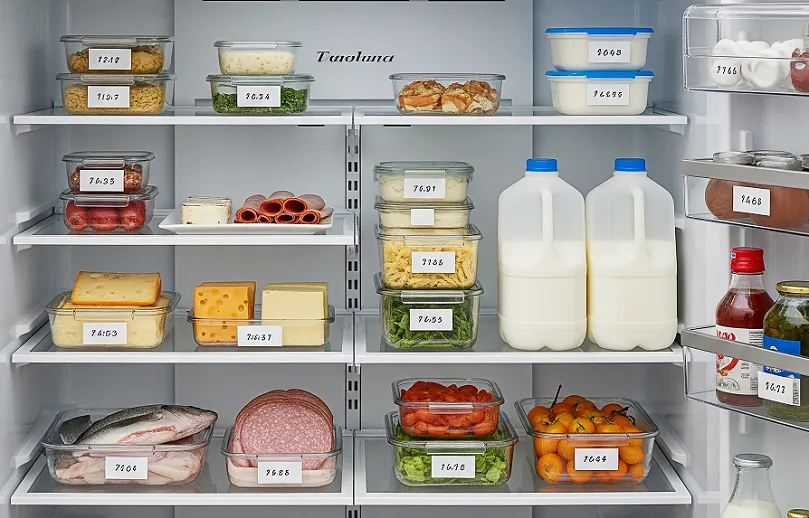
The bottom shelf of your refrigerator is usually the best choice for raw fish storage. It’s cold, and placing the fish here prevents any drips from contaminating other foods below.
Make sure to use a shallow container or plate to catch any juices. This simple step protects your fridge from bacteria and keeps the fish safely contained.
Avoiding Cross-contamination
Raw fish can carry bacteria that might contaminate other foods if not stored properly. Keep it separate from ready-to-eat items like fruits, vegetables, and cooked meals.
Using sealed containers or tightly wrapping the fish can help prevent leaks and odors. Do you regularly check your fridge for potential cross-contamination points? Taking a few extra minutes can protect your family’s health.

Credit: www.eltiempo.com
Packaging Tips For Freshness
Proper packaging keeps raw fish fresh and safe for eating. It prevents odors from spreading and stops bacteria growth. Good packaging also helps maintain the fish’s texture and flavor longer.
Using Airtight Containers
Airtight containers block air and moisture from reaching the fish. Choose containers made of glass or BPA-free plastic. Make sure the lids fit tightly to seal the fish inside. This stops bacteria and keeps fish fresher for days.
Wrapping Techniques
Wrap raw fish tightly before placing it in containers. Use plastic wrap or wax paper for a close seal. Avoid loose wrapping to prevent air exposure. For extra protection, wrap fish twice or place it in a sealed bag.
Labeling And Dating
Always label packages with the date of storage. Use a waterproof marker or sticker on containers or wraps. This helps track freshness and avoid keeping fish too long. Fresh fish should be used within 1 to 2 days for best taste.
Storage Duration Guidelines
Knowing how long you can safely store raw fish in your refrigerator is key to enjoying fresh, tasty seafood without risking your health. Storage duration guidelines help you avoid waste and keep your meals safe. Let’s look at practical tips for timing your fish storage effectively.
Maximum Safe Storage Time
Raw fish should ideally be kept in the coldest part of your refrigerator, usually the bottom shelf or a special fish drawer, at a temperature close to 32°F (0°C). Under these conditions, fresh fish generally stays good for up to 1-2 days.
If you notice your fish has been in the fridge longer than two days, it’s safer to discard it or freeze it immediately. Remember, freshness matters more than exact timing—if it smells off or looks slimy, don’t take chances.
Signs Of Spoilage
How can you tell if your fish has gone bad? Trust your senses. Spoiled fish often has a strong, sour, or ammonia-like smell, which is a clear warning sign.
Look for changes in texture too. Fresh fish should feel firm and moist, not slimy or sticky. If the flesh starts to discolor or develop dull patches, it’s time to toss it out.
When To Freeze Instead
If you don’t plan to cook your raw fish within two days, freezing is your best option. Freezing at 0°F (-18°C) or lower halts bacterial growth and preserves quality for up to three months.
Wrap your fish tightly in plastic wrap or vacuum-seal it before freezing. This prevents freezer burn and maintains flavor. Have you tried freezing fish in portions? It makes thawing and cooking more convenient and reduces waste.
Cleaning And Maintenance
Keeping your refrigerator clean and well-maintained is essential when storing raw fish. Proper cleaning prevents contamination and keeps your fish fresh longer. Let’s look at how to sanitize storage areas and handle spills and odors effectively.
Sanitizing Storage Areas
Sanitizing the area where you store raw fish is crucial. Use a solution of warm water and mild detergent to wipe down shelves and drawers regularly. Follow up with a disinfectant safe for food contact surfaces to kill any lingering bacteria.
Remove all items before cleaning to reach every corner. Dry the surfaces completely before placing fish back inside to avoid moisture buildup. Have you checked your fridge’s seals? Cleaning those can prevent cross-contamination and keep odors at bay.
Handling Spills And Odors
Spills happen, especially with raw fish, but they don’t have to lead to bad smells or bacteria growth. Clean spills immediately using paper towels and then wash the area with soapy water. Avoid letting liquids sit, as they attract germs and cause persistent odors.
To fight odors, try placing an open box of baking soda inside your fridge. It absorbs smells naturally without chemicals. How often do you replace your fridge’s baking soda? If it’s been a while, this simple trick can make a big difference in freshness.
Additional Safety Tips
Keeping raw fish fresh and safe in your refrigerator requires more than just placing it on a shelf. There are specific safety tips that help maintain its quality and prevent foodborne illnesses. Paying attention to how you thaw and handle temperature changes can make a big difference in your fish’s freshness and your health.
Thawing Methods
Thawing raw fish properly is crucial to avoid bacterial growth. The safest way is to thaw fish in the refrigerator overnight. This keeps the fish cold while it defrosts slowly, preserving texture and flavor.
If you’re in a hurry, place the fish in a sealed plastic bag and submerge it in cold water. Change the water every 30 minutes until fully thawed. Avoid thawing fish at room temperature, as it encourages bacteria to multiply quickly.
Avoiding Temperature Fluctuations
Temperature changes can harm the quality of raw fish and increase health risks. Keep your refrigerator at or below 4°C (39°F) to slow bacterial growth. Use a fridge thermometer to monitor the temperature regularly.
Each time you open the fridge, cold air escapes, and the temperature inside rises. Try to open the door quickly and avoid overcrowding so air can circulate freely. Have you noticed your fish spoiling faster after leaving the fridge open too long? That’s exactly why controlling temperature changes matters.
Credit: cg.com.ve
Frequently Asked Questions
Where Is The Best Place To Store Raw Fish In A Fridge?
Raw fish should be stored on the coldest shelf, usually the bottom. Keep it in a sealed container or wrapped tightly to avoid contamination. This keeps the fish fresh and prevents odors from spreading.
How Long Can Raw Fish Stay Fresh In The Fridge?
Raw fish stays fresh for 1 to 2 days in the refrigerator. Store it at temperatures below 4°C (40°F) to maintain quality. Use it quickly for the best taste and safety.
Should Raw Fish Be Stored Above Or Below Other Foods?
Raw fish must be stored below ready-to-eat foods. This prevents cross-contamination from drips or spills. Use a dedicated tray or container to keep it separate and safe.
Can I Freeze Raw Fish Instead Of Refrigerating It?
Yes, freezing raw fish is a good option for longer storage. Wrap it tightly to avoid freezer burn. Thaw in the refrigerator before use to maintain texture and flavor.
Conclusion
Storing raw fish properly keeps it fresh and safe to eat. Place fish on the bottom shelf, away from other foods. Use a sealed container or wrap it well to avoid leaks. Keep your refrigerator at the right cold temperature, around 4°C (39°F).
Clean the fridge regularly to prevent bacteria buildup. These simple steps protect your health and keep fish tasty. Always handle raw fish with care. Safe storage means better meals and less waste. Remember, good habits in the kitchen make a big difference.