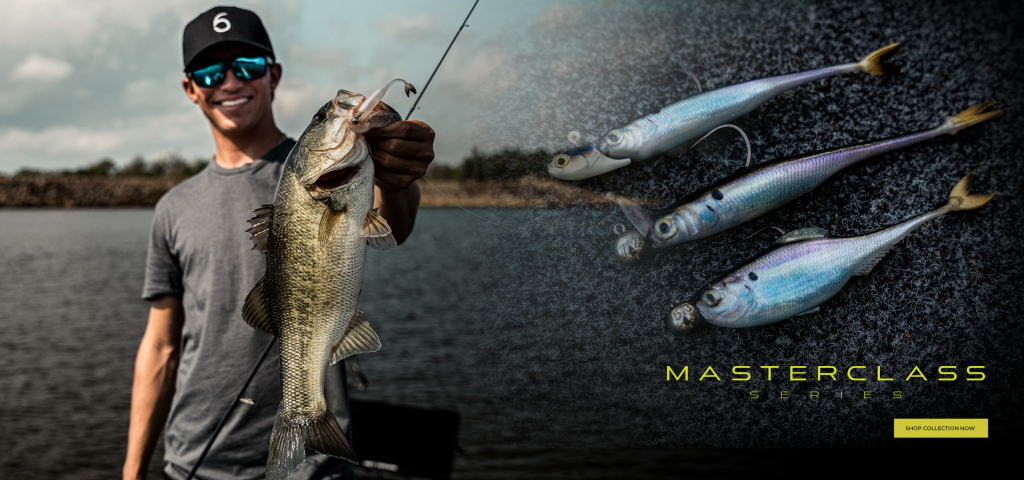
Have you ever felt the calm rush of standing by the water, waiting for that perfect catch? Fishing is more than just a hobby—it’s a way to connect with nature, find peace, and challenge yourself.
Whether you’re a beginner or looking to improve your skills, this article will guide you through everything you need to know. Get ready to discover tips, tricks, and secrets that can make your next fishing trip unforgettable. Keep reading, and you’ll soon see how fishing can become your new favorite escape.
Choosing The Right Gear
Choosing the right fishing gear helps you enjoy your time on the water. Good gear makes fishing easier and more fun.
Knowing what to pick can save you money and improve your catch. This guide covers rods, reels, tackle, clothing, and accessories.
Selecting Rods And Reels
Pick rods and reels that match the type of fish you want to catch. Light rods suit small fish, while heavy rods work for bigger fish.
- Spinning rods are good for beginners and light fishing.
- Baitcasting rods offer better control for experienced anglers.
- Match reel size to rod length and fishing style.
- Look for reels with smooth drag systems.
Essential Fishing Tackle
Fishing tackle includes hooks, lines, sinkers, and lures. Each item plays a key role in catching fish.
| Tackle Item | Use | Tip |
| Hooks | Catch fish | Choose size based on bait and fish type |
| Lines | Connect rod to hook | Use strong line for big fish |
| Sinkers | Weigh down bait | Pick weight for water depth |
| Lures | Attract fish | Match lure color to water conditions |
Clothing And Accessories
Wear clothes that protect you from sun and keep you dry. Accessories can make fishing more comfortable and safe.
- Wear a wide-brim hat for sun protection.
- Choose lightweight, breathable shirts with long sleeves.
- Use polarized sunglasses to reduce water glare.
- Bring a fishing vest to hold tools and tackle.
- Wear waterproof boots for wet conditions.
Credit: www.wired2fish.com
Best Bait And Lures
Choosing the right bait and lures is key for a good fishing trip. Different types attract different fish. Knowing what to use helps catch more fish.
Many anglers debate between live bait and artificial lures. Each has strengths and fits certain fishing styles. Let’s explore their differences and when to use them.
Live Bait Vs Artificial Lures
Live bait comes from natural sources like worms, minnows, or insects. Fish are often attracted to the real scent and movement. Artificial lures are man-made and mimic the look or action of prey.
- Live bait often works better in clear water or when fish are picky.
- Artificial lures allow more control and can last longer.
- Some lures imitate injured prey, which can attract predators quickly.
- Live bait can be harder to store and handle on long trips.
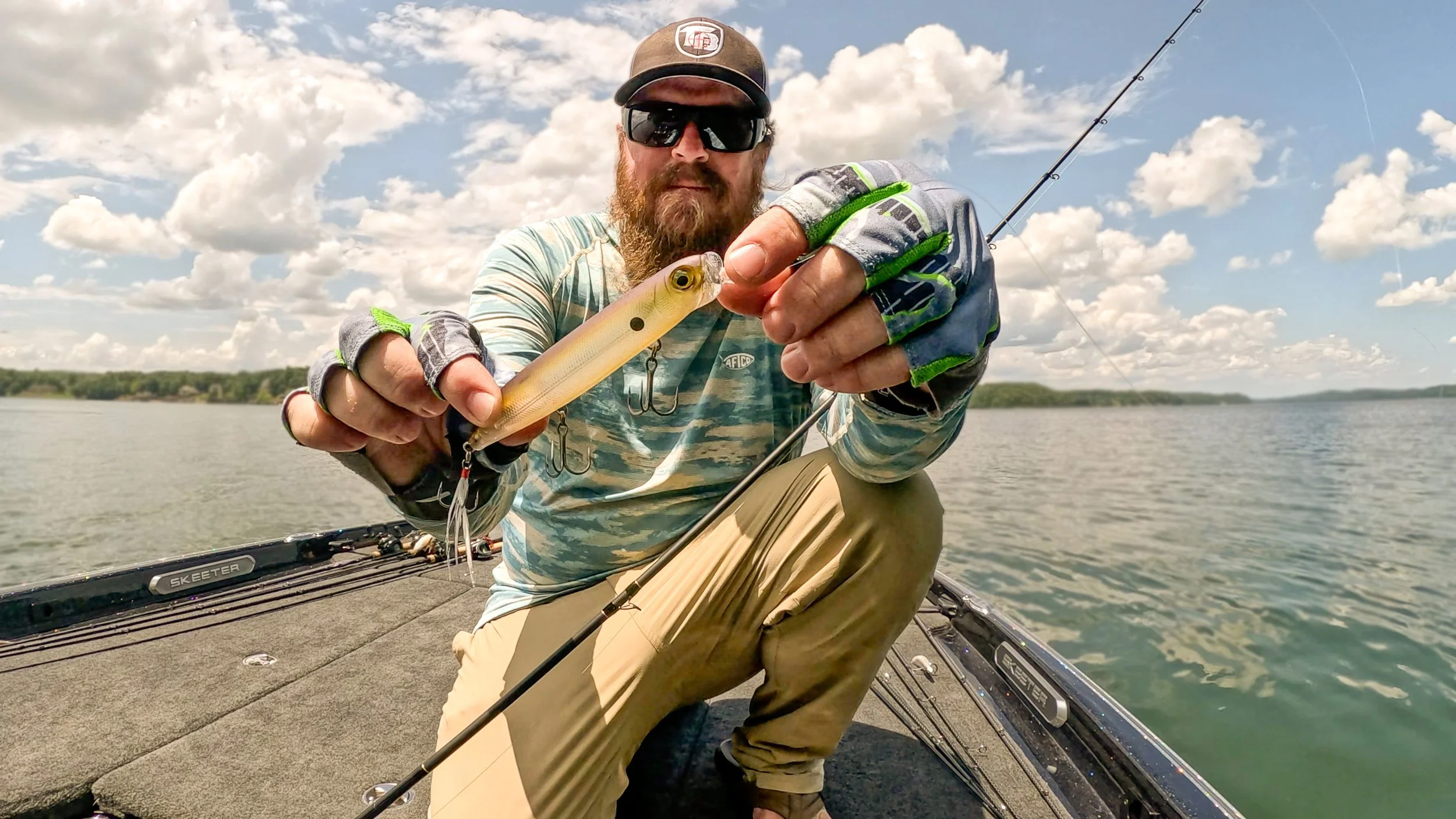
- Lures come in many shapes, colors, and sizes for different fish.
Matching Bait To Fish Species
Different fish prefer different baits. Knowing the species helps pick the right option. Some fish like small insects, others chase bigger prey.
| Fish Species | Recommended Bait |
| Trout | Live worms, small minnows, artificial flies |
| Bass | Plastic worms, crankbaits, live shad |
| Catfish | Chicken liver, stink bait, live worms |
| Salmon | Spinners, roe, small spoons |
| Panfish | Crickets, small jigs, live grubs |
Seasonal Bait Choices
Fish change their feeding habits during the year. Using the right bait for the season can improve catches. Some baits work best in warm water; others in cold.
- Spring: Use live worms and small minnows as fish feed more actively.
- Summer: Try artificial lures that mimic insects and small fish near the surface.
- Fall: Use bigger lures and live bait like shad to match fish preparing for winter.
- Winter: Slow down with smaller baits and subtle lures since fish eat less.
Top Fishing Techniques
Fishing can be relaxing and fun. Using the right technique helps catch more fish.
Here are some popular fishing techniques to try on your next trip.
Casting Methods
Casting means throwing your bait or lure into the water. You want to reach the best spot.
Good casting helps cover more water and attract fish.
- Overhead cast: A basic, straight throw for distance.
- Sidearm cast: A low, fast throw for windy days.
- Roll cast: Useful when space is limited behind you.
Trolling Tips
Trolling means slowly pulling a bait or lure behind a moving boat. It covers a large area.
Keep your speed steady and use different lures to find what fish like.
- Use a downrigger to keep the lure at the right depth.
- Try different lure colors and sizes.
- Watch your lines for any movement or bites.
Fly Fishing Basics
Fly fishing uses light lures called flies that look like insects. It works well in rivers.
It needs special rods and a casting style that moves the light fly gently on water.
- Use a flexible rod and strong line.
- Practice the back and forth casting motion.
- Choose flies that match local insects.
Finding The Perfect Spot
Fishing success depends on finding the right location. Knowing where fish gather helps you catch more.
This guide covers how to read water, use fish finders, and find local hotspots.
Reading Water Conditions
Water conditions affect fish behavior and location. Watch the water closely before you cast.
- Look for changes in water color to find fish hiding spots.
- Check water temperature, as fish prefer certain ranges.
- Observe currents and waves; fish often gather near moving water.
- Notice underwater structures like rocks or plants where fish hide.
Using Fish Finders
Fish finders use sonar to show where fish swim. They help you target good spots quickly.
| Feature | Benefit |
| Sonar Depth Display | Shows how deep the fish are |
| Fish Icons | Marks fish location on screen |
| Bottom Contour Maps | Reveals underwater shapes and structures |
| Water Temperature Sensors | Helps find fish in their preferred temperature |
Local Hotspots
Local spots often have good fish populations. Ask other anglers or visit fishing forums.
Here are some tips to find local hotspots:
- Check docks, piers, and marinas for fish activity.
- Look for areas with plenty of baitfish.
- Visit local tackle shops and ask about popular spots.
- Use online maps and apps that show fishing locations.
Timing Your Fishing Trips
Fishing at the right time can improve your catch. Understanding timing helps you plan better trips.
Fish behavior changes with time of day, seasons, and weather. Knowing these patterns is key.
Best Times Of Day
Fish are usually more active during early morning and late evening. These times have cooler water and less light.
Midday can be slower because fish hide in shade or deeper water. Dawn and dusk offer the best chances.
- Early morning: just after sunrise
- Late evening: before and after sunset
- Nighttime can work for some species
Seasonal Patterns
Seasons affect fish activity and location. Fish may move to different spots as water temperature changes.
Spring and fall often bring more feeding and movement. Summer can make fish stay deep and slow.
- Spring: fish feed to recover from winter
- Summer: fish move to cooler, deeper water
- Fall: fish eat more to prepare for winter
- Winter: fish slow down and stay deep
Weather Impact
Weather changes affect fish feeding and movement. Fish sense pressure changes before storms.
Overcast days can boost fish activity. Bright, sunny days often make fish hide in shade or deep water.
- Before a storm: fish feed more
- After a storm: fish may be less active
- Cloudy days: good for fishing
- Bright sun: fish seek shade or depth
Credit: www.omniafishing.com
Safety And Conservation
Fishing is a popular outdoor activity enjoyed by many. It is important to fish safely and protect nature.
Following safety rules and caring for fish and the environment helps keep fishing fun for everyone.
Handling Fish Responsibly
Handle fish with care to avoid harm. Wet your hands before touching them to protect their skin.
Use barbless hooks or circle hooks to reduce injury. Release fish quickly if you are not keeping them.
- Keep fish in water as much as possible
- Avoid squeezing or dropping fish
- Use tools to remove hooks gently
- Release fish carefully back to water
Protecting The Environment
Keep fishing spots clean by taking your trash with you. Do not leave fishing lines or hooks behind.
Respect plants and animals near the water. Avoid disturbing nests or habitats while fishing.
- Use reusable bait containers
- Pick up all litter and fishing gear
- Stay on marked paths to protect plants
- Follow local rules about catch limits and seasons
Personal Safety Tips
Wear a life jacket when fishing on a boat or near deep water. It can save your life in emergencies.
Check the weather before you go. Avoid fishing during storms or strong winds for your safety.
- Use sunscreen to protect your skin
- Wear a hat and sunglasses for sun protection
- Bring plenty of water to stay hydrated
- Tell someone where you are going
- Keep a first aid kit nearby
Troubleshooting Common Issues
Fishing can be a fun hobby, but sometimes things go wrong. Knowing how to fix common problems helps you enjoy your time on the water.
This guide covers three main issues: snags, tackle problems, and low fish activity. Each section offers simple tips to solve these problems.
Dealing With Snags
Snags happen when your line gets caught on underwater objects. Pulling too hard can break your line or lose your lure.
Try to loosen the line by gently pulling and reeling. Change the rod angle to free the snag without breaking your gear.
- Stop pulling hard to avoid snapping the line
- Lift the rod tip to change the angle
- Reel slowly while pulling to loosen the snag
- Cut the line if it cannot be freed safely
Fixing Tackle Problems
Tackle problems like tangled lines, loose hooks, or broken reels can stop your fishing trip. Regular checks help prevent these issues.
If you find tangled lines, carefully untangle them to avoid damage. Tighten loose hooks and clean your reel to keep it working smoothly.
- Check your line for knots before casting
- Tighten or replace loose or rusty hooks
- Clean and lubricate the reel regularly
- Replace broken or worn parts promptly
Adapting To Low Activity
Sometimes fish are not biting. Changing your approach can help catch more fish during slow times.
Try using different bait, fishing at different depths, or moving to a new spot. Patience and small changes often bring better results.
- Switch bait types or colors
- Fish deeper or shallower waters
- Change your fishing location
- Use slower or faster lure movements
Credit: www.tacticalbassin.com
Frequently Asked Questions
What Are The Best Fish Species For Beginners?
Beginners should target easy-to-catch species like bass, trout, and catfish. These fish are abundant and adapt well to different environments. They offer a rewarding experience for novice anglers, helping build confidence and skills effectively.
Which Fishing Gear Is Essential For Beginners?
Essential gear includes a fishing rod, reel, line, hooks, and bait. Beginners should choose lightweight, durable equipment for ease of use. Proper gear enhances the fishing experience and increases the chances of a successful catch.
When Is The Best Time To Go Fishing?
Early morning and late afternoon are ideal fishing times. Fish are more active during these periods due to cooler temperatures and feeding habits. Timing your trip increases the likelihood of catching fish and enjoying a productive outing.
How Can I Improve My Fishing Skills Quickly?
Practice casting regularly and learn to read water conditions. Study fish behavior and use appropriate bait. Joining fishing groups or watching tutorials also accelerates skill development and increases overall success on the water.
Conclusion
Fishing offers peace and connection with nature. It’s a rewarding hobby. Anyone can enjoy casting a line. From beginners to seasoned anglers, there’s always something new to learn. Fresh air, water, and the thrill of a catch make it special.
It’s more than just a pastime; it’s a way to relax and bond with friends or family. Remember, patience is key. So grab your gear, find a spot, and enjoy the experience. Let nature be your guide. Happy fishing!