If you own a Harley Davidson, you know how important it is to keep every part in perfect shape—especially the axle. But do you know the exact axle size for your model?
Using the wrong size can lead to costly damage and unsafe rides. That’s why having a clear, easy-to-read Harley Davidson axle size chart is a must for every rider. You’ll find the precise axle measurements for popular Harley models, helping you make smart maintenance choices and keep your bike running smoothly.
Keep reading to find the exact size you need and avoid any guesswork on your next repair or upgrade.
Harley Davidson Axle Basics
The axle is a key part of every Harley Davidson motorcycle. It holds the wheels and allows smooth rotation. Knowing the basics of axles helps riders maintain and upgrade their bikes properly. Axle size affects how the bike performs and how parts fit together.
Types Of Axles Used
Harley Davidson uses different axles depending on the model and year. The main types are:
- Solid Axles: Strong and simple, common in older models.
- Hollow Axles: Lighter and used in newer models for better performance.
- Front Axles: Connect the front wheel to the fork.
- Rear Axles: Connect the rear wheel to the swingarm.
Each type fits specific Harley models. Knowing the type helps in choosing the right replacement part.
Importance Of Axle Size
Axle size matters for safety and performance. It includes diameter and length. A wrong size can cause:
- Wheel wobble or instability.
- Difficulty in mounting wheels or brakes.
- Reduced handling and control.
Correct axle size ensures smooth wheel rotation. It also protects the bike’s bearings and suspension parts.
Common Axle Sizes By Model
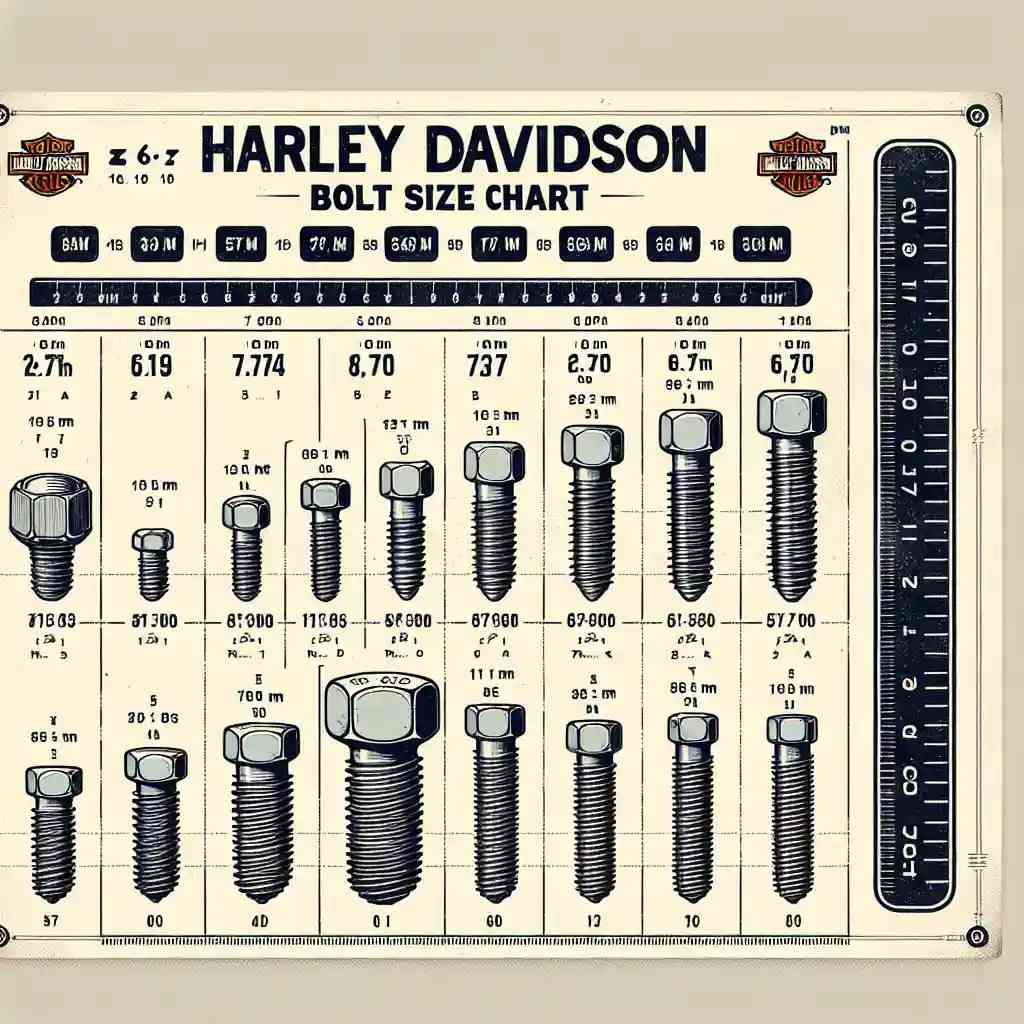
Harley Davidson axle sizes vary by model and year. Knowing the correct size helps with maintenance and upgrades. This chart lists common axle sizes for popular Harley models.
Understanding axle sizes is crucial for Harley Davidson enthusiasts. This knowledge helps ensure optimal performance and safety. Each model has unique axle sizes. Let’s explore these differences by series.Sportster Series
The Sportster series is known for its agility. It typically features a front axle size of 3/4 inch. The rear axle often measures 1 inch. These sizes provide stability and control on the road.Dyna Series
Dyna models are popular for their robust build. The front axle size is usually 1 inch. The rear axle varies between 1 to 1.125 inches. This range allows for added strength and durability.Softail Series
Softail bikes offer a classic look. They commonly have a 1-inch front axle. The rear axle size ranges from 1 to 1.25 inches. This design supports a smooth and comfortable ride.Touring Series
Touring models are built for long-distance travel. The front axle size is often 1 inch. Rear axles are usually around 1.25 inches. These sizes ensure stability on extended journeys.Measuring Your Axle Size
Measuring your Harley Davidson axle size is important for maintenance and upgrades. Accurate measurements help you find the right parts. This process is simple with the right tools and clear steps. Here is how to measure your axle size properly.
Tools Needed
- Caliper or ruler with millimeter and inch markings
- Flat surface to place the axle on
- Cloth to clean the axle before measuring
- Pen and paper to note down measurements
Step-by-step Measurement
Start by cleaning the axle to remove dirt and grease. This ensures exact measurements.
Place the caliper or ruler at one end of the axle shaft. Measure the diameter at the widest point of the shaft.
Measure the total length of the axle from end to end. Note the length carefully.
Check the thread size if applicable. Use the caliper to measure the threaded section diameter.
Write down all measurements clearly. Compare these with Harley Davidson axle size charts for correct fit.

Credit: www.moroso.com
Choosing The Right Axle
Choosing the right axle for your Harley Davidson is crucial for safety, performance, and durability. The axle not only supports the wheel but also affects how your bike handles the road. Selecting the wrong size can lead to poor handling or even damage to your bike.
Factors To Consider
Start by checking the specifications of your Harley model. Axle sizes differ based on the bike’s year, model, and wheel type. Don’t guess—measure the diameter and length of your current axle before buying a new one.
Material quality also matters. Steel axles offer strength but add weight, while aluminum axles reduce weight but might not be as durable. Think about your riding style: do you need something heavy-duty for long trips or something lighter for city rides?
Keep in mind the load capacity. If you often carry a passenger or extra gear, your axle must handle the extra stress. Ask yourself: How much weight will my axle really need to support on a regular ride?
Compatibility Tips
Ensure the axle matches the wheel hub and fork dimensions. Even a slight mismatch can cause alignment issues, leading to uneven tire wear or handling problems. Use the Harley Davidson axle size chart as a reference to find the exact fit.
Check the axle type as well—some models use solid axles, others hollow. Each requires a specific style of nut and bolt. Getting these wrong can make installation tricky or unsafe.
Finally, consider aftermarket parts carefully. Not all replacements meet Harley’s standards. Read reviews and consult forums where riders share their experiences with different axle brands and sizes.
Upgrading And Replacing Axles
Upgrading and replacing axles on your Harley Davidson can improve performance and safety. Axles support the wheels and bear the bike’s weight. Over time, wear and tear can affect their strength and function. Proper axle size is essential for smooth riding and handling. Upgrades can enhance durability and accommodate custom parts. Knowing when to replace an axle keeps your bike in top shape.
Signs You Need Replacement
- Unusual noises coming from the wheel area
- Visible rust or corrosion on the axle
- Loose or wobbly wheels during riding
- Difficulty in steering or handling
- Cracks or bends on the axle shaft
- Frequent wheel misalignment problems
Ignoring these signs can lead to more damage. Regular inspection helps catch problems early.
Installation Guide
Start by securing the motorcycle on a stable stand. Remove the wheel by loosening the axle nut carefully. Slide out the old axle and clean the axle housing thoroughly. Check bearings and replace if worn out. Insert the new axle matching the correct size from the Harley Davidson axle size chart.
Align the wheel properly and tighten the axle nut to the specified torque. Spin the wheel to ensure smooth rotation without resistance. Double-check the axle positioning and nut tightness before riding. Follow manufacturer instructions for torque values and safety checks.
Credit: www.v-twinforum.com
Maintenance For Longevity
Maintaining your Harley Davidson’s axle is key to keeping it running smoothly for years. Regular care not only prevents costly repairs but also ensures your rides stay safe and enjoyable. Paying close attention to your axle’s condition can make a noticeable difference in performance and longevity.
Regular Inspection
Check your axle frequently for any signs of wear or damage. Look for cracks, rust, or unusual noises while riding. Catching these issues early helps you avoid bigger problems down the road.
Inspect the axle nuts and bolts to make sure they’re tight and secure. Loose parts can cause instability and even accidents. Don’t forget to check the axle alignment; misalignment can lead to uneven tire wear.
Lubrication And Care
Proper lubrication keeps your axle running smoothly and prevents rust buildup. Use high-quality grease designed for motorcycle axles, applying it during every oil change or according to your owner’s manual.
Wipe off old grease and dirt before adding new lubricant. This prevents debris from damaging the axle surface. Have you noticed smoother rides after cleaning and lubricating your axle? It’s a simple step that makes a big difference.
Common Axle Issues
Axles are the backbone of your Harley Davidson’s wheel assembly. Despite their sturdy build, axles face several common issues that can affect your bike’s performance and safety. Understanding these problems helps you catch them early and keep your ride smooth.
Wear And Tear
Axles endure constant stress from road bumps, sharp turns, and heavy loads. Over time, this can cause the axle to wear down or develop small cracks. You might notice unusual noises or wobbling wheels, which signal that the axle needs inspection.
Rust and corrosion also speed up wear, especially if you often ride in wet or salty conditions. Regular cleaning and lubrication can extend the life of your axle significantly. Have you checked your axle for rust spots lately?
Troubleshooting Problems
If your Harley’s wheel feels loose or doesn’t spin smoothly, the axle may be the culprit. Start by visually inspecting the axle for bends or damage. Even a slight bend can cause handling issues and uneven tire wear.
Check the axle nuts and bearings too. Loose nuts might cause the axle to shift, while worn bearings add friction and noise. Tighten nuts to the manufacturer’s specifications and replace bearings if they feel rough.
Here’s a quick checklist to troubleshoot your axle:
- Inspect for visible damage or wear
- Check axle alignment and straightness
- Test wheel spin for smoothness
- Ensure axle nuts are properly tightened
- Examine wheel bearings for wear or noise
Have you experienced any of these signs on your Harley? Taking action early can prevent costly repairs and keep your ride safe.
Credit: bikerguides.com
Where To Buy Harley Axles
Finding the right Harley axles is crucial for maintaining your bike’s performance and safety. Knowing where to buy them can save you time and ensure you get parts that fit perfectly. Whether you prefer genuine parts or are open to alternatives, there are reliable places to check out.
Authorized Dealers
Authorized Harley Davidson dealers offer original axles designed specifically for your bike model. Buying from them guarantees compatibility and quality. Plus, you often get expert advice and warranty protection with your purchase.
Visiting a dealer can also be a chance to ask questions about installation or get recommendations for upgrades. Many dealers stock axles for popular models, so you might find what you need right away. Have you ever noticed how dealer staff often know the little details that manuals don’t cover?
Aftermarket Options
Aftermarket axles provide a wider range of choices and sometimes better prices. These parts come from third-party manufacturers and can offer performance enhancements or unique designs. However, quality varies, so it’s important to pick trusted brands.
You can find aftermarket axles online or at specialized motorcycle shops. Reading customer reviews and checking compatibility charts helps avoid mistakes. Would you consider aftermarket parts if they offer better durability or style for your Harley?
Frequently Asked Questions
What Is The Standard Axle Size For Harley Davidson?
Harley Davidson axle sizes vary by model and year. Common rear axles range from 3/4 inch to 1 inch in diameter. Always check your specific model’s manual for precise measurements to ensure compatibility and safety during maintenance or upgrades.
How To Measure Harley Davidson Axle Size Accurately?
Use a caliper or ruler to measure the axle diameter. Measure the thickness of the axle shaft at its widest point. Ensure the bike is securely lifted for safe and accurate measurement. Confirm the size with manufacturer specifications for the correct fit.
Why Is Knowing Harley Davidson Axle Size Important?
Correct axle size ensures proper wheel fit and safe riding. Using the wrong size can cause wheel misalignment or damage. It also helps when ordering replacement parts or accessories. Always verify axle size before maintenance or customization.
Do Harley Davidson Front And Rear Axles Differ In Size?
Yes, front and rear axles typically differ in diameter and length. Rear axles are usually thicker to handle more load. Front axles are designed for steering and suspension precision. Always consult your model’s axle size chart for accurate details.
Conclusion
Knowing the right axle size helps keep your Harley running smooth. Each model fits different sizes. Use the chart to find the correct one fast. This saves time and avoids damage. Proper axle size means better safety and ride comfort.
Keep this guide handy for your bike’s needs. Simple steps make maintenance easier and safer. Choose wisely and enjoy your Harley rides more.