Are you struggling with your Harley Davidson’s clutch feeling stiff, spongy, or unresponsive? Hydraulic clutch problems can turn your smooth ride into a frustrating experience.
If you’ve noticed slipping, strange noises, or difficulty shifting gears, you’re not alone—and it’s important to understand what’s really going on. You’ll discover the common causes behind hydraulic clutch issues and practical solutions to get your bike back on the road with confidence.
Keep reading to protect your Harley and enjoy the ride you deserve.

Credit: www.youtube.com
Common Harley Clutch Issues
Harley Davidson motorcycles are known for their power and distinctive style, but even these iconic machines can face hydraulic clutch problems. Understanding the common clutch issues is key to keeping your ride smooth and safe. These problems often sneak up on riders, affecting control and comfort without warning.
Symptoms Of Hydraulic Clutch Problems
One of the first signs you might notice is a spongy or soft clutch lever feel. If the lever feels unusually loose or requires more effort to pull, your hydraulic system might be leaking or low on fluid.
Another symptom is difficulty shifting gears or the clutch not fully disengaging. This can cause grinding noises or a jerky ride, which can quickly ruin your day on the road.
Have you experienced a clutch lever that sticks or slowly returns to its resting position? This often points to air trapped in the hydraulic lines or a failing master cylinder.
Impact On Riding Experience
Hydraulic clutch problems can seriously affect your control over the motorcycle. A clutch that doesn’t respond properly makes gear changes unpredictable, increasing the risk of stalling or sudden jerks.
Riding with a faulty clutch can be tiring and stressful. You might find yourself fighting the bike instead of enjoying the ride, which takes away from the true Harley experience.
Think about how much confidence you lose when your clutch behaves inconsistently. Would you push your Harley to the limit if you couldn’t trust the clutch to work smoothly every time?
Causes Of Hydraulic Clutch Failures
Hydraulic clutch failures in Harley Davidson motorcycles often arise from a few common causes. These issues reduce clutch performance and can lead to costly repairs. Understanding these causes helps riders maintain their bikes better and avoid unexpected problems.
Fluid Leaks And Contamination
Hydraulic clutch systems rely on clean fluid to work smoothly. Leaks in the system cause fluid loss and lower pressure. Dirt and water can enter through leaks and contaminate the fluid. Contaminated fluid reduces clutch efficiency and causes sticking or slipping.
Worn Or Damaged Seals
Seals keep the hydraulic fluid contained and maintain pressure. Over time, seals wear out or crack due to heat and use. Damaged seals allow fluid to leak and air to enter. This leads to a soft or spongy clutch lever feel.
Air In The Hydraulic System
Air inside the hydraulic lines causes clutch problems. Air compresses more than fluid, making clutch action less precise. This results in a loose lever and poor clutch engagement. Proper bleeding is necessary to remove trapped air.
Master And Slave Cylinder Wear
The master and slave cylinders control fluid flow in the clutch. Wear in these parts causes fluid leaks and pressure loss. Worn cylinders reduce clutch responsiveness and increase lever travel. Regular inspection helps detect cylinder wear early.
Diagnosing Clutch Problems
Diagnosing Harley Davidson hydraulic clutch problems requires a clear and careful approach. Start by observing the clutch system closely. Small signs often reveal bigger issues. Understanding the condition of the clutch helps avoid costly repairs. Use simple tools and your senses for a thorough check.
Visual Inspection Tips
Look at the clutch lever and master cylinder for leaks. Check the hydraulic lines for cracks or damage. Inspect the clutch reservoir for dirt or discoloration. Note any fluid stains around the clutch parts. Examine the clutch cable for proper tension and movement. Catching visual clues early prevents deeper problems.
Testing Hydraulic Pressure
Hydraulic pressure is key for smooth clutch operation. Use a pressure gauge designed for motorcycles. Connect the gauge to the clutch system carefully. Squeeze the clutch lever and watch the pressure reading. Low or inconsistent pressure signals air or fluid issues. Ensure the pressure matches Harley Davidson specifications.
Checking Fluid Levels And Quality
Fluid level affects clutch performance directly. Open the reservoir and check the fluid amount. Top up with the recommended brake fluid if low. Examine the fluid color and clarity. Dark or cloudy fluid needs replacement. Flush the system regularly to keep it clean and responsive.

Credit: www.youtube.com
Quick Fixes For Hydraulic Clutch Issues
Hydraulic clutch problems on your Harley Davidson can feel frustrating, especially when they affect your ride. Fortunately, many common issues have quick fixes you can tackle yourself before needing a mechanic. These simple solutions help restore smooth clutch operation and get you back on the road faster.
Bleeding The Clutch System
Air trapped in the hydraulic clutch system often causes a spongy lever feel or incomplete disengagement. Bleeding the clutch removes air bubbles, restoring firm lever pressure.
To bleed, locate the bleed nipple on the slave cylinder. Attach a clear hose and open the nipple slightly while pumping the clutch lever slowly.
Watch for air bubbles escaping through the hose and close the nipple once only fluid flows. This process may need repeating until the lever feels solid.
Replacing Fluid And Seals
Old or contaminated hydraulic fluid can lead to sluggish clutch performance or internal corrosion. Flushing the system with fresh fluid improves responsiveness.
Drain the old fluid completely, then refill with the manufacturer’s recommended brake fluid type. Inspect seals and replace any that appear cracked or worn to prevent leaks.
Regular fluid replacement helps avoid costly repairs and keeps your clutch operating smoothly over time.
Adjusting Clutch Lever Free Play
Incorrect clutch lever free play causes engagement issues or excessive lever travel. Adjusting this free play ensures proper clutch operation.
Check your Harley’s owner manual for the correct free play range. Use the adjuster near the lever to increase or decrease the gap until it matches specs.
Proper free play reduces clutch wear and improves your control on the road. How often do you check your clutch lever feel?
Temporary Repairs For Leaks
Leaks in the hydraulic system can quickly reduce clutch performance. While a permanent fix requires parts replacement, temporary repairs can help until you get to a shop.
Clean the leaking area and apply a high-quality epoxy or sealant designed for hydraulic systems. Wrap the area tightly with self-fusing silicone tape to contain fluid loss.
These fixes are short-term but can prevent sudden clutch failure and keep you safe. Have you ever used a temporary repair to save your ride?
Preventive Maintenance Tips
Preventing hydraulic clutch problems on your Harley Davidson starts with regular care. Proper maintenance keeps the clutch smooth and responsive. It also extends the life of key components. Follow these simple tips to avoid costly repairs and enjoy safer rides.
Regular Fluid Checks
Check the clutch fluid level often. Use the correct hydraulic fluid recommended by Harley. Look for any dirt or discoloration in the fluid. Dirty fluid can cause clutch slipping or sticking. Change the fluid every year or as suggested in the owner’s manual. A clean system helps the clutch work smoothly.
Proper Riding Habits
Avoid holding the clutch lever for too long while stopped. Resting your hand on the lever can cause extra wear. Shift gears smoothly without forcing the lever. Keep your riding style gentle on the clutch system. This reduces stress on hydraulic parts and prevents leaks or damage.
Scheduled Part Replacements
Replace worn parts before they cause problems. Check the clutch master cylinder, slave cylinder, and seals regularly. Replace seals every few years to prevent leaks. Follow Harley’s recommended service intervals for hydraulic clutch parts. Timely replacements keep the clutch reliable and avoid breakdowns.
When To Seek Professional Help
Knowing when to seek professional help for your Harley Davidson’s hydraulic clutch issues can save you time, money, and frustration. Some problems are straightforward and manageable, but others require specialized skills and tools. Recognizing the signs that call for expert attention ensures your bike stays safe and performs at its best.
Complex Repairs And Replacements
Hydraulic clutch systems have delicate components like master cylinders, slave cylinders, and hydraulic lines. If you notice fluid leaks, persistent sponginess in the clutch lever, or the clutch failing to disengage properly, these often mean internal parts need repair or replacement.
Attempting to fix these complex issues without the right knowledge can make things worse. Professionals have the tools to diagnose subtle problems, bleed the system correctly, and replace parts without causing damage. Have you tried fixing a clutch leak yourself and ended up with more trouble? That’s a clear sign it’s time to call in the experts.
Safety Considerations
Your clutch directly affects how your motorcycle handles and stops. A malfunctioning hydraulic clutch can lead to sudden loss of control or difficulty shifting gears. If you experience inconsistent clutch engagement or strange noises, riding further without inspection is risky.
Safety should always be your top priority. A professional mechanic ensures your clutch works smoothly and reliably, preventing accidents caused by mechanical failure. Would you risk riding with a faulty clutch on a busy road? If not, seek help as soon as possible.
Credit: www.roadglide.org
Frequently Asked Questions
What Causes Hydraulic Clutch Issues In Harley Davidson?
Hydraulic clutch issues in Harley Davidson motorcycles can stem from fluid leaks, air in the system, or worn components. Regular maintenance is crucial. Checking for leaks and ensuring proper fluid levels can prevent problems. Addressing these issues promptly ensures a smoother ride and prolongs the lifespan of the clutch system.
How Do I Fix A Harley Clutch Leak?
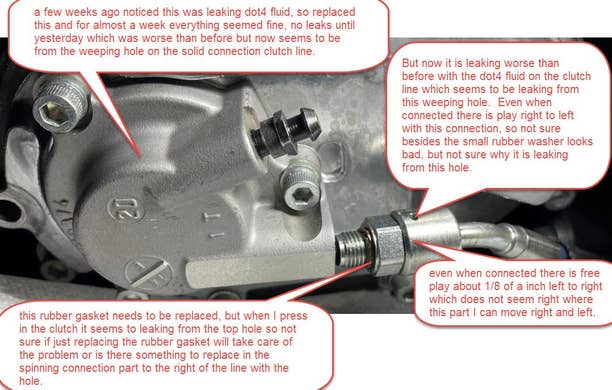
To fix a Harley clutch leak, first identify the source. Check seals, hoses, and connections for damage. Replace any worn parts. Ensure the system is bled properly to remove air bubbles. Regularly inspect and maintain your hydraulic system to prevent future leaks and ensure optimal performance.
How Often Should Hydraulic Clutch Fluid Be Changed?
Harley Davidson recommends changing hydraulic clutch fluid every two years. Regular changes prevent contamination and maintain clutch performance. Fresh fluid ensures smooth operation and prolongs the clutch system’s life. Always use the recommended type of clutch fluid and follow the manufacturer’s guidelines for optimal maintenance.
Can Air In The System Affect Clutch Performance?
Yes, air in the hydraulic clutch system can significantly affect performance. It can cause spongy clutch feel, difficulty in gear shifting, and reduced control. Bleeding the system to remove trapped air is essential. Regular maintenance ensures optimal clutch function and prevents air-related issues.
Conclusion
Harley Davidson hydraulic clutch issues can affect your ride’s smoothness. Regular checks help catch problems early. Keep fluid levels right and inspect for leaks. Bleeding the clutch system keeps it working well. Small fixes prevent costly repairs later. Ride safely by maintaining your clutch system.
Stay aware and act fast when you notice trouble. This care keeps your Harley running strong and smooth. Simple steps make a big difference over time.