Have you ever stopped to think about the glass in your car? That clear shield in front of you does much more than just let you see the road.
The history of auto glass is full of surprising twists and innovations that have shaped your safety and driving experience. Understanding where it all began can change how you look at your vehicle—and why quality glass matters so much for you and your loved ones.
Keep reading, and you’ll discover fascinating facts that might just make you appreciate your car’s windshield like never before.

Credit: visionglasstoronto.com
Early Uses Of Glass In Vehicles
Early vehicle glass was simple and often unshaped, mainly used for windshields and small windows. Safety glass appeared later, improving driver protection and visibility. This marked the start of auto glass evolving into a crucial part of car design.
Early uses of glass in vehicles marked a turning point in transportation history, reflecting the growing emphasis on comfort and safety. Initially, horse-drawn carriages incorporated glass to shield passengers from the elements and provide a clear view of the road. As technology advanced, these features evolved, setting the stage for modern automotive innovations.Glass In Horse-drawn Carriages
In the 1800s, horse-drawn carriages were the primary mode of transport for the affluent. These carriages often featured small glass windows, a luxury that offered passengers a glimpse of the outside world while keeping them safe from wind and rain. The use of glass was not just about comfort; it was a status symbol. Imagine riding in a carriage, feeling the breeze on your face but with the option to close a window for warmth. However, these early glass windows were fragile and offered minimal protection, raising a question: How did these limitations shape the design of future vehicles?Transition To Motor Vehicles
With the advent of motor vehicles in the late 19th century, the role of glass in transportation took on new importance. Early automobiles borrowed the concept of glass from carriages but needed more robust solutions to withstand higher speeds and road debris. Manufacturers soon realized that stronger, more durable glass was essential. This led to innovations like laminated glass, which combined layers of glass and plastic for improved safety. As you drive your modern car, consider the evolution of auto glass. It has transformed from a simple window to a crucial safety feature, showcasing how early challenges spurred significant advancements in automotive design.Breakthroughs In Auto Glass Technology
Auto glass technology has come a long way, changing the way you experience safety and visibility in your vehicle. These breakthroughs didn’t just happen overnight—they were the result of continuous innovation aimed at protecting drivers and passengers. Understanding these key advancements helps you appreciate the glass that surrounds you every time you hit the road.
Introduction Of Laminated Glass
Laminated glass was one of the first major breakthroughs in auto glass technology. It consists of two layers of glass with a plastic layer sandwiched between them, which holds the glass together if it breaks. This design prevents dangerous shards from scattering, reducing injury risks during accidents.
Imagine a time before laminated glass, when windshields shattered into sharp pieces upon impact. Your safety depended heavily on luck. This innovation changed that, making windshields safer and more reliable.
Besides safety, laminated glass also helps block UV rays and reduce noise, improving your driving comfort. Have you ever noticed how quieter your car feels compared to older models? That’s partly thanks to laminated glass.
Tempered Glass Development
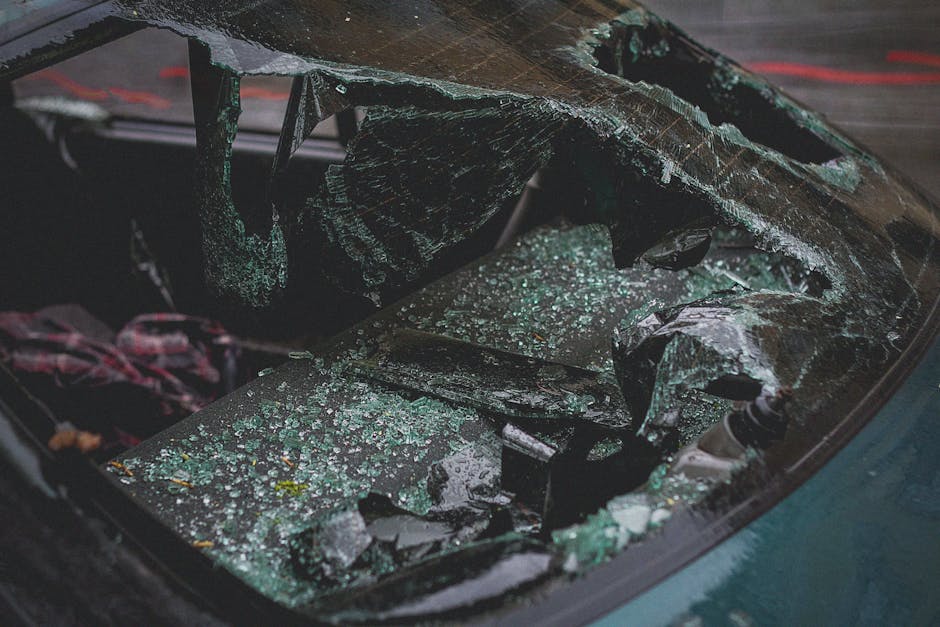
Tempered glass represents another leap forward, especially for side and rear windows. It’s made by heating glass and then cooling it rapidly, which makes it much stronger than regular glass. When it breaks, it crumbles into small, blunt pieces instead of sharp shards, minimizing injury.
This technology allows manufacturers to create windows that can withstand everyday impacts like road debris and minor collisions. It also makes replacing broken windows easier and safer for you. Next time you see a broken car window, notice the small pieces rather than large shards—that’s tempered glass at work.
Have you considered how much safer your ride is with these advancements? Both laminated and tempered glass reflect how thoughtful engineering can protect you on every journey.
Safety Innovations
Safety has always been a priority in the development of auto glass. Over the years, many innovations have helped protect drivers and passengers. These changes made windshields stronger and safer during accidents. The focus on safety led to new materials and designs that reduce injuries.
Shatter-resistant Designs
Early car windows broke into sharp pieces on impact. This caused many injuries during crashes. The introduction of laminated glass changed this. Laminated glass has a plastic layer between two glass sheets. This design holds the glass together if it breaks. Instead of sharp shards, it cracks like a spider web.
Tempered glass is another safety design. It is heated and then quickly cooled. This process makes it stronger than regular glass. When tempered glass breaks, it crumbles into small, blunt pieces. These pieces are less likely to cut someone.
Impact Of Safety Regulations
Governments introduced laws to improve auto glass safety. These rules set standards for strength and durability. Car manufacturers had to meet these standards to sell vehicles. Testing procedures ensured the glass could handle crashes.
Regulations also required the use of laminated windshields. This helped reduce injuries from flying glass. Safety rules pushed innovation in materials and designs. Today’s auto glass offers much better protection thanks to these laws.

Credit: www.libertyautoglass.us
Advancements In Glass Manufacturing
Advancements in glass manufacturing have shaped the auto glass industry dramatically. These improvements made glass safer, clearer, and more durable. The development of new techniques transformed glass production from a slow craft into a fast, reliable process. Innovations allowed manufacturers to produce large quantities of uniform glass pieces. Coatings and special treatments enhanced glass properties, improving driver safety and comfort. These changes helped meet the growing demands of the automotive world.
Mass Production Techniques
Mass production techniques revolutionized how auto glass is made. The float glass process became a key method. It involves floating molten glass on a bed of molten metal. This creates smooth, flat sheets of glass with uniform thickness. Automation and mechanization increased production speed and consistency. Large-scale factories could produce thousands of glass sheets daily. This allowed carmakers to source reliable glass at lower costs. The ability to mass-produce glass also supported the rise of complex car designs.
Coatings And Treatments
Coatings and treatments added new functions to auto glass. Manufacturers applied films to reduce glare and block harmful UV rays. Some coatings improve scratch resistance and durability. Others help control heat inside the vehicle by reflecting infrared light. Laminated glass became popular for safety, holding glass pieces together during impacts. Tempered glass, another treatment, increases strength and shatters safely. These advances made driving safer and more comfortable in various weather conditions.
Modern Auto Glass Features
Modern auto glass has evolved far beyond simple windows. Today’s auto glass offers safety, comfort, and smart functions. It plays a key role in vehicle performance and driver experience. Innovations in materials and technology have made auto glass more durable and intelligent.
Car manufacturers now include features that improve visibility and reduce distractions. These features enhance driving safety and convenience. Let’s explore the most important modern auto glass features.
Smart Glass Technologies
Smart glass changes its transparency based on light and heat. It can darken to block sunlight or clear up for better visibility. This helps keep the car cooler and reduces glare. Some smart glass types also improve privacy inside the vehicle.
- Electrochromic glass adjusts tint with electrical signals.
- Photochromic glass darkens automatically under bright sunlight.
- Thermochromic glass reacts to heat, reducing cabin temperature.
These technologies improve comfort and energy efficiency. They reduce the need for air conditioning and protect passengers from UV rays.
Integration With Vehicle Systems
Modern auto glass connects with other vehicle systems. Sensors embedded in the glass monitor rain, light, and temperature. These sensors trigger automatic wipers and adjust lighting for safer driving.
Heads-up displays (HUD) project important information onto the windshield. Drivers can see speed, navigation, and alerts without looking away. This keeps attention on the road and improves reaction times.
Some glass panels include antennas and heating elements. These improve radio signals and prevent ice buildup. Integration boosts both comfort and technology use inside vehicles.
Environmental And Economic Impact
Auto glass has a significant environmental and economic impact. Its production, use, and disposal affect natural resources and budgets. Understanding these impacts helps us appreciate advances in the auto glass industry.
Recycling And Sustainability
Recycling auto glass reduces waste in landfills. It saves raw materials like sand, soda ash, and limestone. Recycling processes lower energy use compared to making new glass. Many companies now focus on sustainable practices. They collect broken glass and turn it into new products. This reduces pollution and conserves resources. Sustainable auto glass also supports a circular economy. It helps lessen the overall environmental footprint of the automotive sector.
Cost And Repair Trends
Auto glass repair costs have changed over time. Advances in technology have lowered expenses. Repairing small chips is cheaper than full replacements. Insurance companies often cover repairs to save money. New materials and designs improve durability. This reduces the need for frequent replacements. Repair shops use better tools and techniques. These trends make auto glass maintenance more affordable. Consumers benefit from faster and less costly services.
Future Trends In Auto Glass
The future of auto glass holds exciting possibilities that blend safety, technology, and design. This evolving field aims to improve driver experience and vehicle performance. Innovations will focus on smarter, stronger, and more interactive glass systems. These advancements are crucial as cars become more connected and autonomous. Exploring the upcoming trends reveals how auto glass will shape the driving landscape.
Innovations On The Horizon
Auto glass is evolving beyond simple protection. Smart glass technologies will adjust transparency based on light and temperature. Embedded sensors will monitor glass integrity and notify drivers of damage. Heads-up displays (HUD) will project important data directly onto the windshield. Self-healing coatings will repair minor scratches and cracks automatically. These innovations aim to enhance safety and convenience.
Role In Autonomous Vehicles
Autonomous vehicles rely heavily on sensors and cameras. Auto glass will integrate these components seamlessly for better performance. Transparent antennas and solar panels may be built into the glass. This integration supports vehicle communication and energy efficiency. The windshield will become a critical interface for vehicle-to-environment interaction. Auto glass will help autonomous cars navigate safely and smoothly.

Credit: visionglasstoronto.com
Frequently Asked Questions
What Is The Origin Of Automotive Glass?
Automotive glass originated in the early 20th century. It was designed to improve driver safety by providing clear, durable windshields. Early glass was simple and fragile, evolving into laminated and tempered glass for better impact resistance and safety standards.
How Did Safety Glass Revolutionize Auto Glass?
Safety glass was introduced in 1927 by John Boyd Dunlop. It uses laminated layers to prevent shattering upon impact. This innovation greatly reduced injuries from broken windshields, making vehicles safer and setting new industry standards for auto glass.
When Was Tempered Glass First Used In Cars?
Tempered glass began widespread use in the 1930s. It is heat-treated to increase strength and shatter into small, less harmful pieces. This advancement improved side and rear window safety, complementing laminated windshields for comprehensive protection.
How Has Auto Glass Technology Evolved Recently?
Recent advancements include stronger, lighter, and smarter glass. Innovations like acoustic, UV-blocking, and heads-up display glass enhance comfort and safety. Modern auto glass combines durability with technology to improve driver experience and vehicle aesthetics.
Conclusion
Auto glass has changed a lot over time. It began as simple glass and grew into strong, safe materials. Today’s auto glass protects drivers and passengers well. Technology keeps improving its strength and clarity. Knowing this history helps us appreciate modern cars more.
Auto glass is not just a window; it is a key part of car safety. As cars evolve, auto glass will keep getting better and safer too.