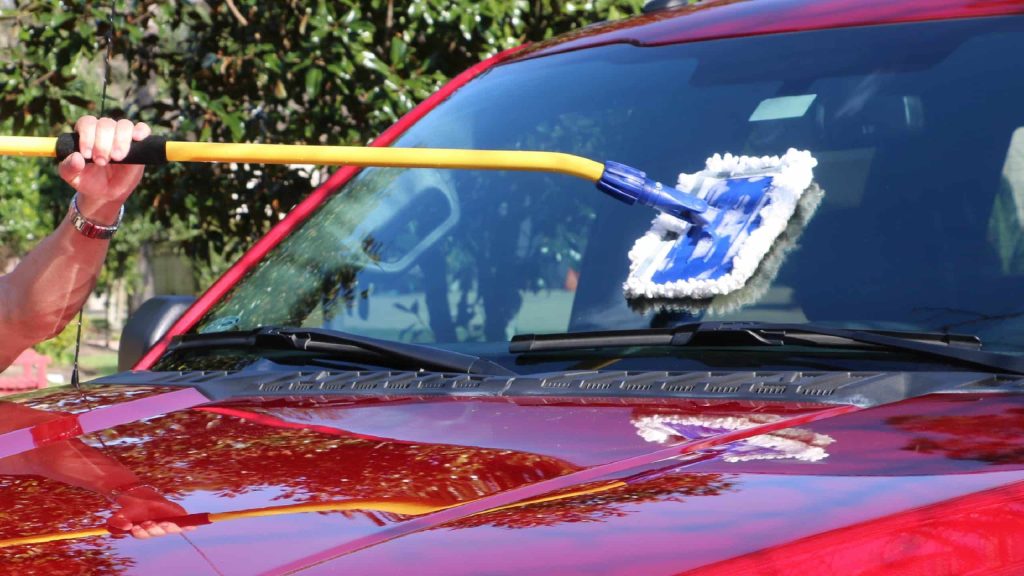
Your car’s windshield is your window to the road, and keeping it spotless is key to safe driving. But store-bought cleaners can be expensive and filled with harsh chemicals.
What if you could make your own effective, budget-friendly windshield cleaner right at home? You’ll discover simple, natural recipes that use everyday ingredients. These homemade solutions will not only save you money but also keep your windshield crystal clear without any harmful residues.
Ready to learn how to clean your windshield the smart way? Keep reading!

Credit: www.prestoneuk.com
Benefits Of Homemade Cleaners
Making your own windshield cleaner at home offers several advantages that go beyond just having a spotless glass. It gives you control over what goes on your car, helps you save money, and lets you choose ingredients that are safer for the environment. Understanding these benefits might inspire you to try a homemade solution next time you clean your windshield.
Cost Savings
Buying commercial windshield cleaners often adds up over time. A simple homemade mix can use ingredients you probably already have, like vinegar, water, and dish soap. This means you spend less and get more use from everyday household items.
Think about how much you spend on a single bottle of cleaner each month. Could that money be better used elsewhere? Making your own cleaner lets you keep your budget in check without sacrificing quality.
Eco-friendly Ingredients
Many store-bought cleaners contain harsh chemicals that can harm the environment. Homemade cleaners usually rely on natural substances that break down more easily and don’t pollute water sources. Using vinegar or baking soda, for example, reduces your car care’s impact on nature.
Choosing eco-friendly ingredients means you help protect wildlife and reduce chemical runoff. Do you want to make your car care routine part of a greener lifestyle?
Customization Options
When you make your own cleaner, you decide exactly what goes in it. You can adjust the strength, add a fresh scent, or avoid ingredients you’re sensitive to. This flexibility means you get a product that fits your needs perfectly.
Have you ever wished your windshield cleaner worked better in winter or didn’t leave streaks? Homemade recipes let you tweak the formula until it does. This personal touch often leads to better results and more satisfaction.
Essential Ingredients
Creating a homemade car windshield cleaner can be simple and effective. The key lies in using the right ingredients. Each component plays a unique role in ensuring your windshield is clear and streak-free. Below are essential ingredients to consider for your DIY solution.
Vinegar And Water
Vinegar and water create a powerful cleaning duo. White vinegar is a natural cleaner that removes dirt and grime. Mix equal parts of vinegar and water in a spray bottle. This solution cuts through grease and leaves the glass sparkling. It’s safe, easy, and environmentally friendly.
Rubbing Alcohol
Rubbing alcohol is another effective ingredient for windshield cleaning. It evaporates quickly and leaves no residue. Combine it with water for an even better result. Use one part rubbing alcohol to two parts water. This solution is great for removing stubborn stains and streaks.
Dish Soap
Dish soap adds extra cleaning power to your mixture. It helps break down oils and sticky residues. A few drops can make a big difference. Mix it with water and another ingredient for best results. Ensure you rinse well to avoid soap residue.
Baking Soda
Baking soda is a gentle abrasive cleaner. It can tackle tough spots without scratching the glass. Mix it with water to form a paste. Apply the paste to stubborn spots, then rinse thoroughly. Baking soda is a versatile and non-toxic cleaner for your windshield.
Simple Diy Recipes
Keeping your car windshield spotless doesn’t have to mean buying expensive cleaners. Simple DIY recipes can do the job just as well, using ingredients you likely already have at home. These easy-to-make solutions save money and avoid harsh chemicals, making your cleaning routine safer and more eco-friendly.
Basic Vinegar Solution
Mix equal parts of white vinegar and water in a spray bottle. This solution cuts through grime and leaves your windshield streak-free. Vinegar’s natural acidity works wonders on stubborn dirt without damaging glass or wiper blades.
Spray it on your windshield and wipe with a microfiber cloth for a clear view. Have you noticed how vinegar also helps reduce fogging in cold weather? It’s a simple trick that adds extra value to this homemade cleaner.
Alcohol-based Cleaner
Combine two cups of water, one cup of rubbing alcohol, and a tablespoon of white vinegar. This mixture evaporates quickly and removes grease and fingerprints effectively. Alcohol’s quick drying property prevents smudges and streaks, giving you a crystal-clear finish.
This cleaner is ideal if you want a fast, efficient wipe-down before hitting the road. Does your windshield often fog up or look hazy? This recipe can help maintain clarity in varying weather conditions.
Soap And Water Mix
Mix a few drops of mild dish soap with two cups of warm water. This gentle cleaner removes dust and light dirt without leaving residues. It’s especially handy when your windshield is dusty but not heavily soiled.
Use a soft sponge or cloth to apply and then rinse with clean water. Have you tried this after a long dusty drive? It refreshes your windshield in minutes without harsh chemicals or complicated steps.
Baking Soda Paste
Make a paste using baking soda and a small amount of water. This mildly abrasive mix helps remove tough stains like bird droppings or bug splatters without scratching the glass. Baking soda’s natural cleaning power makes it a perfect option for stubborn grime.
Apply gently with a soft cloth and rinse thoroughly afterward. Ever struggled with sticky residue that just won’t budge? This paste could be your go-to solution for those challenging spots.

Credit: simplegreen.com
Application Tips
Applying homemade car windshield cleaners properly can make a big difference in how clear and spotless your glass looks. The right technique helps you avoid common issues like streaks and missed spots. Let’s dive into some practical tips that will help you achieve a perfect finish every time.
Best Cleaning Techniques
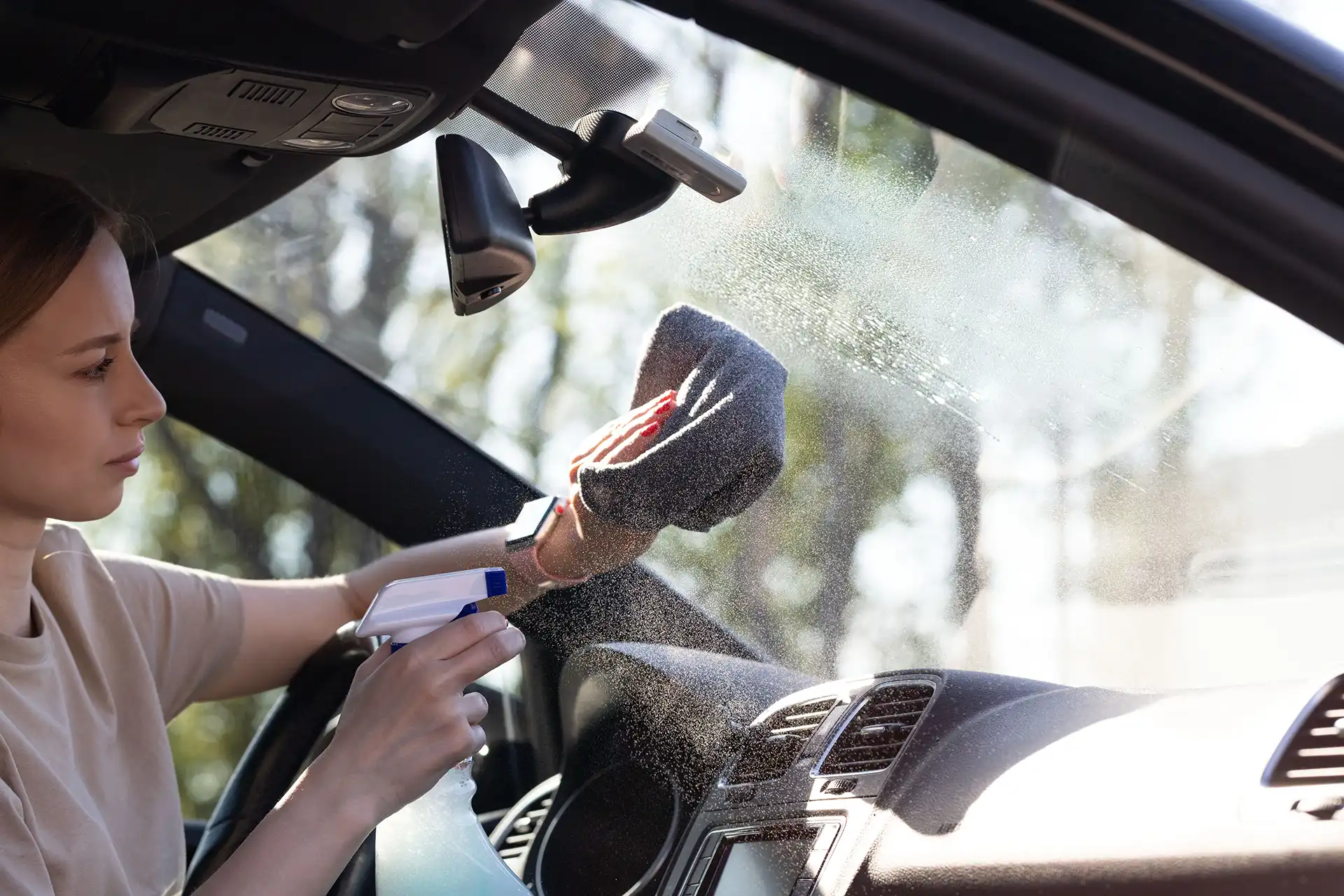
Start by spraying your homemade cleaner evenly across the windshield, covering all areas without soaking it too much. Use gentle circular motions with a microfiber cloth to lift dirt and grime instead of scrubbing hard, which can scratch the glass. Wiping in a consistent direction afterward helps remove residue and leaves the surface smooth.
Have you ever noticed how cleaning the windshield in the shade works better? Direct sunlight can dry the cleaner too fast, leaving streaks behind. So, choose a cool spot or clean early in the morning for the best results.
Avoiding Streaks
Streaks often come from using dirty cloths or applying too much cleaner. Make sure you rinse and wring out your cloth regularly, or switch to a fresh one when needed. Using distilled water in your homemade solution can reduce mineral deposits that cause streaks.
Try finishing with a dry, lint-free cloth to polish the glass. This step removes any leftover moisture or cleaner, leaving your windshield crystal clear. Have you tried flipping your cloth sides between wet and dry wipes? It often helps keep the streaks away.
Cleaning Tools To Use
- Microfiber Cloths:Perfect for trapping dirt and absorbing liquids without scratching the glass.
- Squeegees:Great for removing excess cleaner quickly and preventing drips.
- Spray Bottles:Helps distribute the homemade cleaner evenly for better coverage.
Picking the right tool can speed up your cleaning and improve the outcome. Have you noticed how using an old T-shirt doesn’t work as well as a microfiber cloth? Investing in proper tools makes your cleaning routine more efficient and enjoyable.
Safety Precautions
Safety is essential when making homemade car windshield cleaners. These mixtures include chemicals that need careful handling. Proper safety steps protect your skin, eyes, and car surfaces. Follow clear guidelines to keep everything safe and effective.
Handling Ingredients Safely
Wear gloves to protect your hands from irritation. Avoid touching your face during mixing. Work in a well-ventilated area to avoid strong fumes. Use measuring tools to prevent spills and accidents. Keep ingredients away from children and pets at all times.
Storage Guidelines
Store your homemade cleaner in a sealed container with a clear label. Keep it out of reach of children and pets. Place the container in a cool, dry place away from sunlight. Do not store near food or drinks. Check the mixture regularly for changes in color or smell.
Avoiding Damage To Windshield
Test the cleaner on a small area before full use. Avoid harsh ingredients like ammonia that can harm glass or tint. Use soft cloths or sponges to prevent scratches. Do not apply cleaner on a hot windshield to avoid streaks. Rinse thoroughly with water after cleaning for best results.
Troubleshooting Common Issues
Even the best homemade car windshield cleaners can face a few hiccups. You might notice some spots just won’t budge or smudges that seem to appear out of nowhere. Understanding how to troubleshoot these common issues will save you time and frustration while helping your windshield stay crystal clear.
Removing Tough Stains
Tough stains like bug splatters, tree sap, or bird droppings often resist basic cleaning solutions. You can boost your cleaner’s power by adding a small amount of rubbing alcohol or white vinegar. These ingredients break down stubborn residues without damaging your glass.
If stains persist, try letting your cleaner sit on the stain for a few minutes before wiping. Patience can make a big difference in loosening grime. Have you ever noticed how letting a stain soak before scrubbing often makes it easier to remove?
Dealing With Smudges
Smudges can appear if you use too much cleaner or the wrong type of cloth. Avoid paper towels since they often leave lint behind. Instead, use microfiber cloths that trap dirt and absorb moisture without streaking.
Wiping in circular motions can sometimes spread smudges. Try wiping in vertical or horizontal strokes instead for a streak-free finish. If smudges keep coming back, check if your homemade cleaner has enough vinegar or alcohol for proper evaporation.
Improving Cleaning Effectiveness
To get the most out of your homemade cleaner, make sure you’re using fresh ingredients. Over time, mixtures with vinegar or baking soda can lose their punch. Mix small batches and store them in airtight bottles to keep them effective.
Also, consider pre-rinsing your windshield with water to remove loose dirt before applying the cleaner. This step prevents scratching and improves overall cleaning results. What simple tweaks could you add to your routine to make your homemade cleaner work better every time?
Credit: www.mbwestcovina.com
Frequently Asked Questions
What Ingredients Make Effective Homemade Windshield Cleaners?
Effective homemade windshield cleaners typically use vinegar, water, and rubbing alcohol. These ingredients clean glass well and remove grime. Adding a few drops of dish soap can boost cleaning power. This mix is safe, eco-friendly, and budget-friendly for clear, streak-free windshields.
How To Safely Apply Homemade Car Windshield Cleaner?
Spray the cleaner evenly across the windshield. Use a microfiber cloth or soft sponge to wipe gently. Avoid harsh scrubbing to prevent scratches. Rinse with clean water if needed. Dry with a clean, dry cloth for a streak-free finish. Repeat as necessary for tough stains.
Can Homemade Cleaners Damage Car Windshield Or Wipers?
Properly made homemade cleaners do not harm windshields or wipers. Avoid using harsh acids or abrasive materials. Vinegar and alcohol in moderate amounts are safe. Always test a small area first. Regular use keeps glass clean without damaging rubber wipers or glass surfaces.
Are Homemade Windshield Cleaners Better Than Commercial Ones?
Homemade cleaners are cost-effective, non-toxic, and customizable. They avoid harsh chemicals found in some commercial products. However, commercial cleaners may offer specialized formulas for extreme weather. Homemade options work well for everyday cleaning and are ideal for eco-conscious drivers.
Conclusion
Making your own car windshield cleaner saves money and reduces chemicals. You control what goes into the cleaner, making it safer for your car. These homemade solutions work well to keep your windshield clear. Simple ingredients from home create an effective and easy cleaner.
Try different recipes to find what suits you best. Clean windshields mean better driving and improved safety. Keep your car shining without harsh products. Homemade cleaners are easy, affordable, and good for the environment. Give them a try and enjoy a clear view every time.