You’re ready to drive your Honda CRV, but it won’t start—even though your battery is good. Frustrating, right?
When your car won’t turn over, it’s easy to blame the battery. But if that’s not the issue, where do you look next? Understanding what’s really going on under the hood can save you time, money, and stress. Keep reading, and you’ll discover the common reasons your Honda CRV won’t start and what you can do to fix it fast.
Common Causes Of Starting Issues
When a Honda CRV won’t start despite a good battery, several common issues might be the cause. Identifying the root problem helps save time and money. The starting system involves multiple parts working together. Any failure in these components can stop the engine from turning on. Below are some frequent causes that affect starting performance.
Ignition Switch Problems
The ignition switch sends power to the starter and other systems. A worn or faulty switch can interrupt this power flow. Symptoms include no response when turning the key or the dashboard lights flickering. Sometimes, the key may feel loose or stuck.
Faulty Starter Motor
The starter motor turns the engine over to begin combustion. If it fails, the engine won’t crank. Common signs are a clicking sound or complete silence when turning the key. Starter motors wear out over time and may need replacement.
Fuel Delivery Issues
The engine needs fuel to start and run. Problems in the fuel pump, filter, or injectors can block fuel flow. This prevents the engine from firing properly. The car may crank but not start, or stall immediately after starting.
Security System Malfunctions
Honda CRVs have security features to prevent theft. Sometimes, the immobilizer or key transponder malfunctions. This stops the engine from starting even if the battery is good. A warning light on the dash may indicate a security issue.
Bad Spark Plugs Or Ignition Coil
Spark plugs ignite the fuel-air mixture inside the engine cylinders. Ignition coils power these plugs. Worn or damaged parts can cause weak or no sparks. This leads to rough starting or no start at all.
Credit: www.crvownersclub.com
Diagnosing The Problem
When your Honda CRV won’t start but the battery seems fine, pinpointing the cause can feel tricky. Diagnosing the problem requires a careful look at several key areas that influence the starting system. Let’s break down some practical steps you can take to identify what’s really going wrong.
Checking For Dashboard Warning Lights
Start by turning the ignition to the “on” position without cranking the engine. Watch the dashboard carefully for any warning lights. These lights can give you immediate clues about issues like the immobilizer, engine problems, or sensor failures.
If warning lights such as the check engine light or battery light stay on or flash, it’s a sign that your CRV’s computer is detecting an issue. Ignoring these signals might lead you down the wrong path when diagnosing the no-start condition.
Listening For Starter Noise
Next, listen closely when you turn the key or push the start button. Do you hear a clicking noise, a grinding sound, or complete silence? Each sound tells a different story about your starter system.
A single click might point to a weak starter relay or a bad connection. Multiple rapid clicks often indicate insufficient power reaching the starter. No sound at all could mean a faulty starter motor or ignition switch. What do you hear when you try to start your CRV?
Testing Fuel Pump Operation
Fuel delivery is essential for starting. When you turn your key to the “on” position, listen for a humming or whirring sound from the rear of your vehicle. This noise usually means the fuel pump is priming the system.
If you don’t hear the fuel pump running, the pump itself, the relay, or the fuse might be at fault. Sometimes, tapping the fuel tank gently can temporarily free a stuck pump, but this is just a quick test—not a fix.
Using An Obd-ii Scanner
An OBD-II scanner is a powerful tool for diagnosing starting issues beyond what you can see or hear. Plug it into your CRV’s diagnostic port and check for error codes stored in the vehicle’s computer.
Error codes can lead you directly to the problem, whether it’s a sensor failure, ignition issue, or something else affecting engine start. Even if no codes appear, live data from the scanner can help you monitor sensor readings and fuel system status.
Quick Fixes To Try
When your Honda CRV won’t start despite having a good battery, there are a few quick fixes you can try before calling a mechanic. These simple actions often solve the issue and get your vehicle running again without hassle. Trying these could save you time and stress, especially when you’re in a hurry.
Resetting The Security System
Sometimes, the car’s security system may mistakenly prevent the engine from starting. To reset it, try locking and unlocking the doors using the key fob or the physical key. This action can reset the immobilizer and allow the engine to start.
If the system has been triggered by a low battery in the key fob or a fault, this quick reset often clears the problem. Have you checked if your security light is blinking unusually? That’s a clear sign the system needs attention.
Tapping The Starter Motor
A common issue is a stuck starter motor. Gently tapping the starter motor with a wrench or a similar tool can help free it. This simple trick has worked for many drivers, including myself, when the starter was just jammed.
Make sure you tap lightly to avoid damage. After tapping, try starting the engine again. Could a small knock be the difference between waiting for a tow and driving off?
Ensuring Proper Gear And Brake Engagement
Your CRV won’t start if it doesn’t detect that the brake is pressed or the car is in park or neutral. Double-check that your foot is firmly on the brake pedal. Also, shift the gear lever fully into Park (P) or Neutral (N).
Sometimes the sensors can be finicky, so try moving the gear lever a few times. Have you noticed the car won’t start unless you follow this exact sequence? It’s a simple step often overlooked.
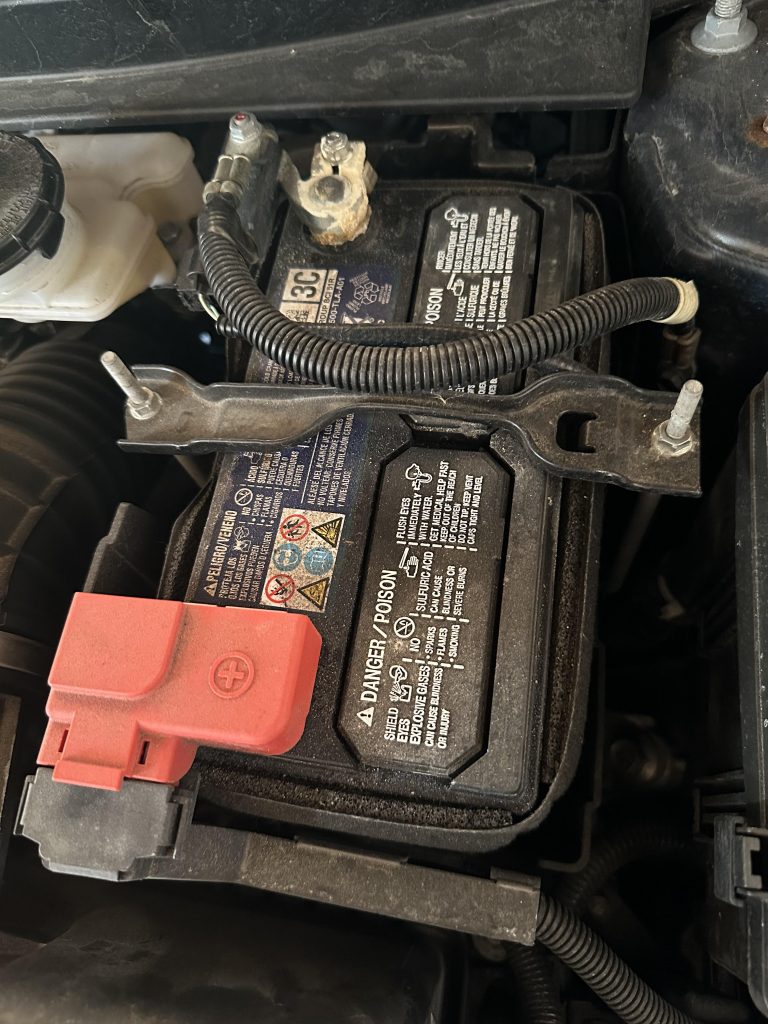
Cleaning Battery Terminals And Cables
Even with a good battery, dirty or corroded terminals can prevent a proper connection. Inspect the battery terminals and cables for any corrosion or dirt buildup. Cleaning them with a mixture of baking soda and water can restore the connection.
Make sure to disconnect the battery before cleaning and reconnect it securely afterward. Have you checked your terminals lately? A clean connection often means a smooth start.
Credit: www.crvownersclub.com
When To Replace Parts
Knowing when to replace parts in your Honda CRV is key to fixing start issues. Parts wear out over time and cause problems even if the battery is fine. Replacing the right part saves time and money. Pay attention to signs that point to specific part failures. Act quickly to avoid further damage and keep your vehicle running smoothly.
Starter Motor Replacement Signs
- Engine does not crank or turns very slowly
- Hearing a clicking noise when turning the key
- Starter motor feels hot after trying to start
- Dashboard lights come on but engine won’t start
Ignition Switch Replacement Indicators
- Key won’t turn or feels stuck in the ignition
- Engine cuts off while driving or won’t start
- Dashboard lights flicker or behave oddly
- Accessory power fails intermittently
Fuel Pump Replacement Symptoms
- Engine sputters or stalls during acceleration
- Car struggles to start or does not start at all
- Unusual whining noise from the fuel tank area
- Loss of power under load or at high speeds
Spark Plug And Ignition Coil Replacement Tips
- Engine misfires or runs rough at idle
- Reduced fuel efficiency and poor acceleration
- Check engine light turns on with ignition codes
- Replace spark plugs every 30,000 to 50,000 miles
- Use quality ignition coils to ensure better performance
Preventative Maintenance Tips
Maintaining your Honda CRV so it starts reliably goes beyond just checking the battery. Many hidden issues can cause starting problems even when the battery is perfectly fine. Focusing on key areas through preventative maintenance can save you from unexpected breakdowns and costly repairs.
Regular Battery And Electrical System Checks
Even if your battery seems good, the electrical connections might be the real culprit. Corroded terminals or loose wiring can interrupt the flow of power. Make it a habit to inspect battery terminals and cables every few months and clean any corrosion you find.
Have you ever noticed dim headlights or flickering dashboard lights? These signs could point to electrical issues that affect starting. Testing the alternator and fuses during your checks helps catch problems early.
Scheduled Spark Plug Replacement
Spark plugs play a crucial role in igniting the fuel-air mixture in your engine. Old or dirty plugs can cause weak or no ignition, leading to starting troubles. Honda recommends replacing spark plugs approximately every 30,000 to 60,000 miles, but check your owner’s manual for specifics.
Imagine trying to light a fire with damp matches—it just won’t work well. Similarly, worn spark plugs reduce engine performance and fuel efficiency. Swapping them out on schedule keeps your engine firing smoothly and starts easy every time.
Keeping The Fuel System Clean
Fuel delivery issues often masquerade as battery or ignition problems. Dirt and deposits can clog fuel injectors, filters, or the fuel pump, restricting fuel flow. Using a high-quality fuel system cleaner or having a professional cleaning done can restore proper fuel flow.
Do you know the last time your fuel filter was changed? A clogged filter can starve your engine of fuel and prevent starting. Regularly replacing the fuel filter and using clean fuel are simple habits that make a big difference.
Routine Starter And Ignition System Inspection
The starter motor and ignition system endure a lot of stress every time you start your CRV. Over time, worn brushes, faulty solenoids, or ignition switch issues can stop the engine from turning over. Having these components inspected during regular service helps you catch subtle signs of wear.
Think about the last time you turned the key and heard a clicking noise without the engine cranking. This could mean the starter is struggling. Addressing starter issues before they fail completely saves you from being stranded unexpectedly.
Credit: www.crvownersclub.com
Frequently Asked Questions
Why Won’t My Honda Cr-v Start?
If your Honda CR-V won’t start but the battery is good, it could be due to a faulty starter motor, ignition switch, or fuel system issue. Check connections, fuses, and consider consulting a mechanic for a thorough diagnosis.
Can A Bad Starter Cause No Start?
Yes, a bad starter can prevent your Honda CR-V from starting. The starter motor is responsible for cranking the engine. If it fails, you might hear a clicking sound or nothing at all. Inspect the starter and consider replacement if necessary.
Could A Faulty Ignition Switch Be The Problem?
A faulty ignition switch can stop your Honda CR-V from starting. It may not send the necessary signals to start the engine. Check for worn-out or damaged switch components. If needed, have it repaired or replaced by a professional.
What Role Does The Fuel System Play?
The fuel system delivers fuel to the engine, essential for starting. If there’s a fuel pump failure or clogged fuel filter, your Honda CR-V may not start. Ensure fuel reaches the engine and consider professional inspection if issues persist.
Conclusion
A good battery does not always mean the car will start. Other parts, like the starter or fuel system, might cause problems. Checking these parts carefully can help find the issue. Sometimes, a simple fix saves time and money. Don’t ignore strange sounds or smells.
Regular car care keeps your Honda CRV running well. Stay calm and follow steps to fix the problem. Your car can start again soon.