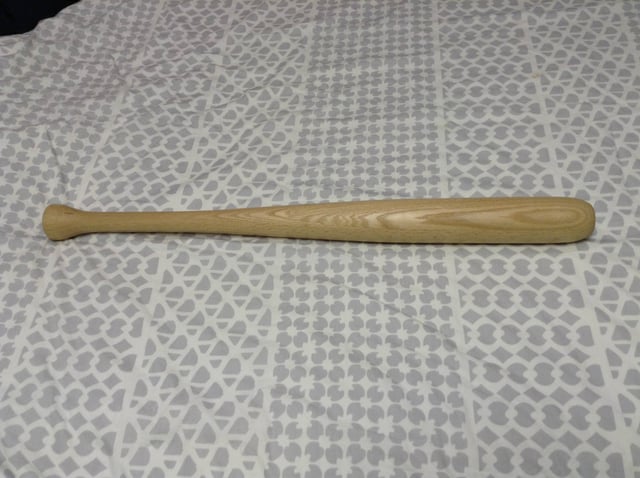
Have you ever wondered what goes into making the perfect baseball bat? Whether you’re a player, a fan, or just curious, understanding how a baseball bat is made can change the way you see the game.
From the choice of wood to the final polish, every step shapes how the bat feels in your hands and performs on the field. Keep reading, and you’ll discover the surprising details behind this essential piece of sports equipment—and why it matters for your swing.
Choosing The Wood
Choosing the right wood is key to making a strong baseball bat. The wood affects the bat’s weight, strength, and feel.
Only certain types of wood meet the standards needed for baseball bats. The wood must be durable and have the right grain pattern.
Types Of Wood Used
Baseball bats are mainly made from a few types of wood. Each wood type has unique qualities that suit different players.
- Maple:Hard and dense, maple bats offer great power and durability.
- Hickory:Very strong and flexible, but heavier than other woods.
- Birch:Softer than maple, it balances power and flexibility well.
- Ash:Light and flexible, ash bats allow quick swings and good control.
Wood Quality And Grain
Good wood quality means fewer knots and defects. The grain must be straight and tight for the best performance.
| Grain Feature | Effect on Bat | Ideal Condition |
|---|---|---|
| Straight Grain | Increases strength and durability | 5 to 7 grains per inch |
| Tight Grain | Improves bat’s lifespan | Close and uniform lines |
| Wide Grain | Can cause weak spots and breaks | Avoid wide or uneven grains |

Credit: www.amazon.in
Cutting And Shaping
Making a baseball bat starts with the right wood. The wood is carefully cut and shaped to create a perfect bat.
This process involves several steps to ensure the bat is strong and balanced. Two important steps are initial wood cutting and turning the bat on a lathe.
Initial Wood Cutting
The process begins with selecting quality wood. Usually, ash or maple is chosen. These woods are strong and flexible.
Logs are cut into billets, which are long, thick pieces of wood. These billets will later be shaped into bats.
- Wood selection is crucial for strength
- Bats start as billets from logs
- Billets are inspected for flaws
Turning The Bat On A Lathe
Next, the billet is placed on a lathe. A lathe is a machine that rotates the wood at high speed.
As the wood spins, a sharp tool shapes it into the bat form. This step requires skill to create the right size and balance.
- Lathe helps in precise shaping
- Spinning ensures even shaping
- Craftsmen check size and balance
Sanding And Smoothing
Sanding and smoothing are key steps in making a baseball bat. They prepare the wood for finishing.
This process removes rough spots and shapes the bat’s surface. It helps the bat feel good in the hands.
Hand Sanding Techniques
Hand sanding uses sandpaper by hand to smooth the bat. It helps workers feel the wood’s texture.
Sanders work gently to avoid removing too much wood. They focus on curves and edges for a clean shape.
- Use fine-grit sandpaper for smooth finish
- Sand along the wood grain to prevent scratches
- Check the bat surface often during sanding
- Focus on the handle and barrel for comfort
Machine Sanding For Precision
Machines help sand bats faster and with exact shapes. They keep the bat even and balanced.
Machine sanding uses belts or discs that spin quickly. This method removes rough spots and shapes the bat precisely.
- Use machines for uniform thickness
- Adjust settings for different bat sizes
- Combine with hand sanding for best results
- Check the bat often to avoid over-sanding

Credit: www.cleveland.com
Branding And Marking
Branding and marking add identity to a baseball bat. These marks show who made it and give it style.
These details help players pick bats and make each one unique.
Stamping The Manufacturer’s Logo
The manufacturer’s logo is stamped onto the bat near the handle or barrel. This mark shows the bat’s brand clearly.
- The logo is placed on smooth wood or metal surfaces.
- Stamping uses heat or pressure to press the logo into the bat.
- The mark lasts through use and weather.
- This process ensures the bat looks professional.
Adding Custom Designs
Custom designs make bats stand out with colors and patterns. They show team logos or player names.
| Design Type | Purpose | Method |
| Painted Graphics | Team logos and colors | Hand or machine painting |
| Laser Engraving | Player names or numbers | Laser cuts into surface |
| Decals | Temporary or seasonal designs | Adhesive stickers |
| Brand Stamps | Permanent logos | Heat or pressure stamping |
Finishing Touches
The last steps in making a baseball bat bring out its strength and shine. These steps protect the wood and make the bat look great.
Finishing touches include applying a protective coat and letting the bat dry properly. These processes help the bat last longer.
Applying Varnish Or Lacquer
Varnish or lacquer creates a hard surface on the bat. This layer guards against scratches and moisture.
- First, the bat is cleaned to remove dust and oils.
- Then, a thin coat of varnish or lacquer is brushed evenly.
- Sometimes, multiple coats are applied for extra protection.
- Each coat is allowed to dry before the next one is added.
- The finish gives the bat a smooth and shiny look.
Drying And Curing Process
Drying and curing make sure the finish hardens well. This step is important for durability.
| Drying Stage | Description | Time |
| Air Drying | Bat rests in a dust-free space | 2 to 4 hours |
| Curing | Finish fully hardens and bonds | 24 to 48 hours |
| Inspection | Check for smoothness and flaws | 30 minutes |
Quality Control
Quality control is a key part of making a baseball bat. It makes sure every bat meets high standards. Careful checks help players trust the bat’s performance.
Each bat goes through tests for weight, balance, and surface flaws. These steps catch problems early and keep the bat safe to use.
Weight And Balance Testing
Weight and balance affect how a bat feels when swinging. Workers measure the bat’s weight and check its balance point. This ensures the bat is easy to control and hits well.
- The bat is placed on a scale to check its exact weight.
- Technicians measure the balance point along the length of the bat.
- They compare the results to the product specifications.
- If the bat is too heavy or unbalanced, it is set aside for adjustment or rejection.
Inspecting For Flaws
Inspectors look closely at the bat’s surface for cracks, dents, or knots. Flaws can weaken the bat or cause it to break during use.
| Type of Flaw | Description | Impact on Bat |
|---|---|---|
| Cracks | Visible lines or splits in the wood | Can cause the bat to break easily |
| Dents | Indented marks on the surface | Affects the bat’s balance and strength |
| Knots | Hard spots where branches grew | May weaken the bat or cause uneven weight |
Packaging And Shipping
Once a baseball bat is crafted, it needs careful packaging to protect it. Good packaging keeps the bat safe during transport.
After packaging, the bats are shipped to stores where players can buy them. The shipping process must be efficient and reliable.
Protective Wrapping
Each baseball bat is wrapped with materials that cushion it from damage. This wrapping stops scratches and dents.
- Soft foam sleeves cover the bat’s barrel
- Plastic wrap seals the wood from moisture
- Cardboard tubes protect the bat during handling
- Labels are added for brand and size details
Distribution To Retailers
After wrapping, the bats are packed into boxes for shipping. These boxes are organized by size and type.
| Packaging Type | Contents | Box Size | Weight |
| Small Boxes | Youth bats, 2 per box | 24″ x 6″ x 4″ | 5 lbs |
| Medium Boxes | Adult bats, 1 per box | 34″ x 8″ x 5″ | 7 lbs |
| Bulk Pallets | Mixed bats, 20 per pallet | 48″ x 40″ x 60″ | 140 lbs |

Credit: sskbaseballshop.com
Frequently Asked Questions
How Is A Wooden Baseball Bat Crafted?
A wooden baseball bat is crafted by selecting quality wood like ash or maple. The wood is cut, shaped on a lathe, sanded smooth, and finished with lacquer for durability and grip.
What Materials Are Used To Make Baseball Bats?
Baseball bats are made from wood or aluminum. Wood bats use ash, maple, or birch. Aluminum bats are lightweight, durable, and used mainly in amateur leagues.
How Long Does It Take To Make A Baseball Bat?
Making a baseball bat usually takes a few hours. The process includes cutting, shaping, sanding, finishing, and quality inspection.
Why Is The Lathe Important In Bat Making?
The lathe shapes the bat’s barrel and handle accurately. It ensures a smooth, balanced, and uniform bat profile for better performance.
Conclusion
Crafting a baseball bat takes skill and care at every step. From choosing the wood to shaping and finishing, each part matters. The process turns raw materials into a tool players trust. Understanding how bats are made shows the effort behind the sport.
Now, every time you see a bat, you know its story. It’s more than wood—it’s tradition and craft combined.