Have you ever wondered how a propane refrigerator keeps your food cold without electricity? Whether you’re camping off-grid, living in an RV, or dealing with power outages, understanding how your propane fridge works can help you use it better and avoid common problems.
You’ll discover the simple yet fascinating process behind propane refrigeration. By the end, you’ll feel more confident managing your fridge and keeping your food fresh no matter where you are. Keep reading to unlock the secrets of this amazing appliance!
Credit: www.fhappliances.com
Basic Principles
Propane refrigerators work differently from electric ones. They use a special process to keep food cold without electricity. The basic idea is to use propane gas to create a cooling effect. This process is quiet and can run anywhere there is propane fuel. Understanding the basic principles helps explain why these refrigerators are popular in remote areas and for camping.
How Propane Powers Cooling
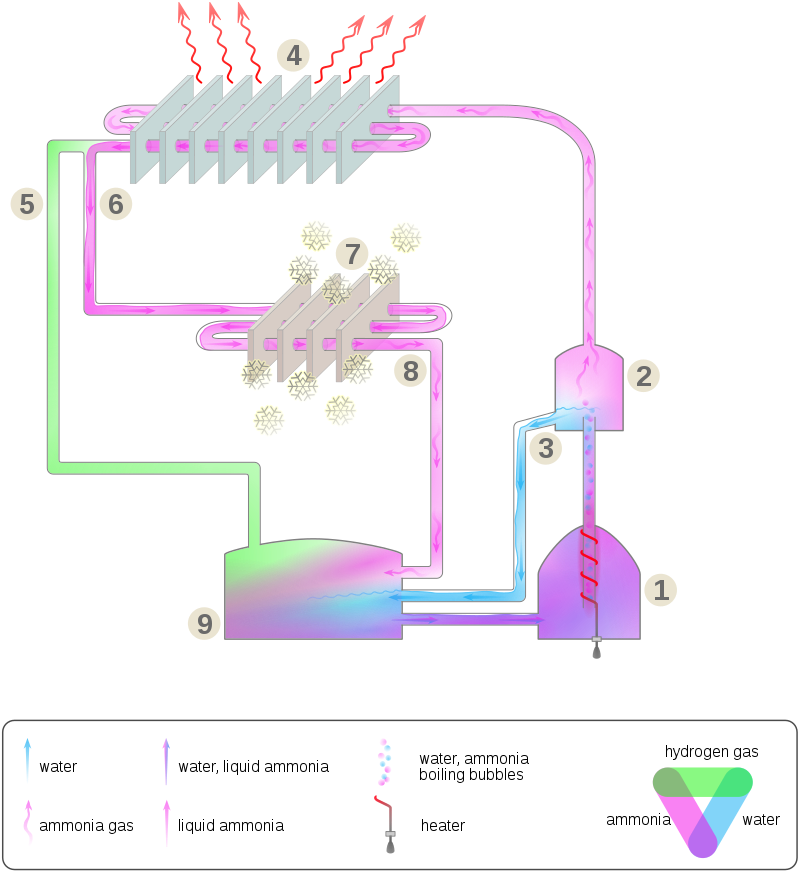
Propane powers the cooling by heating a special liquid inside the fridge system. This liquid evaporates and absorbs heat from the fridge interior. As it absorbs heat, the temperature inside drops, keeping food cold. The propane burns to create heat in the system’s generator. This heat starts the cycle that cools the fridge without needing electricity.
Key Components Of The System
- Burner:Burns propane to create heat for the system.
- Generator:Heats the refrigerant liquid and starts evaporation.
- Condenser:Cools down the gas turning it back to liquid.
- Evaporator:Absorbs heat inside the fridge, cooling the air.
- Absorber:Collects the gas and prepares it to repeat the cycle.
Cooling Cycle Process
The cooling cycle process in a propane refrigerator is a fascinating blend of chemistry and physics that keeps your food fresh without electricity. Understanding this cycle helps you appreciate how these appliances work silently and efficiently, especially during camping or off-grid living. Let’s break down the key stages that make the cooling happen.
Ignition And Heat Generation
The process starts with ignition, where a small flame heats the propane burner. This flame produces the necessary heat to drive the cooling cycle without any moving parts.
Think about lighting a camping stove. Once the burner is lit, it generates steady heat, which is transferred to a special solution inside the refrigerator. This heat is the engine that powers the entire cooling effect.
Absorption And Refrigeration
The heat causes a liquid refrigerant mixture to evaporate and absorb heat from inside the fridge. This absorption removes warmth from the interior, cooling your food and drinks effectively.
Imagine how sweating cools your skin by evaporation. Similarly, the refrigerant evaporates and carries heat out of the fridge compartment. This step is crucial because it’s what actually lowers the temperature where your perishables are stored.
Heat Dissipation
After the refrigerant absorbs heat, it moves to a section where the heat is released outside the fridge. This happens through a condenser coil or cooling fins, which dissipate the heat into the surrounding air.
Have you noticed the back of your propane fridge getting warm? That warmth is the heat being pushed out, making room for the cold inside. Proper ventilation around your fridge ensures this heat escapes efficiently, keeping the cooling cycle running smoothly.
Types Of Propane Refrigerators
Propane refrigerators are versatile and efficient appliances. They are ideal for off-grid living and camping. They operate without electricity, using propane gas instead. This feature makes them perfect for remote areas. There are two main types of propane refrigerators. Understanding their differences helps in choosing the right one for your needs.
Portable Models
Portable propane refrigerators are compact and lightweight. They are easy to carry and transport. These models are perfect for camping trips and road trips. They fit easily in cars or RVs. Portable models usually have a smaller capacity. They are ideal for short trips or limited storage needs. Some come with additional features like adjustable shelves. This helps in organizing items efficiently.
Built-in Units
Built-in propane refrigerators are designed for permanent installations. They are commonly used in RVs and cabins. These units are larger and have more storage space. Built-in models often include a freezer section. They are more suitable for long-term use or larger families. Installation requires professional assistance for proper setup. Built-in units offer a seamless integration with existing cabinetry.
Benefits Of Propane Refrigerators
Propane refrigerators offer several advantages that make them a popular choice for many users. They provide reliable cooling without relying on electricity. This makes them ideal for outdoor use, camping, and off-grid living. Their unique design brings benefits in energy use, noise levels, and independence from power sources.
Energy Efficiency
Propane refrigerators use gas to create cooling instead of electricity. This process consumes less energy overall. They work well in places with limited or no electric power. The energy efficiency helps save on electricity bills. They also reduce the carbon footprint by using cleaner fuel.
Off-grid Capability
These refrigerators operate without the need for an electrical outlet. They run on propane gas, making them perfect for remote areas. Users can keep food fresh in cabins, boats, and RVs. They provide cooling even during power outages. This capability offers great freedom and flexibility.
Quiet Operation
Propane refrigerators run silently compared to electric models. They have no noisy compressors or fans. This makes them ideal for sleeping areas and quiet environments. The silent operation enhances comfort in small spaces. It also reduces noise pollution in nature settings.
Maintenance Tips
Proper maintenance keeps a propane refrigerator running smoothly. Regular checks help avoid common problems and extend the appliance’s life. Simple steps ensure safety and efficiency every day.
Cleaning The Burner
The burner is the heart of the propane refrigerator. Dirt or soot can block the flame and reduce cooling power. Use a soft brush or cloth to remove dust and debris. Avoid using water or harsh cleaners that may damage parts. Clean the burner at least once a season for best results.
Checking Gas Connections
Gas leaks are dangerous and waste fuel. Inspect all connections for tightness and wear. Look for cracks or rust on hoses and fittings. Use a soap water mix to detect leaks—bubbles will form if gas escapes. Tighten loose fittings carefully or replace damaged parts immediately.
Seasonal Care
Prepare your propane refrigerator for changes in weather. In winter, keep the unit free from snow and ice. Avoid placing it near heat sources during summer. Turn off the gas supply if you store the fridge for long periods. Regular seasonal care prevents damage and keeps the fridge ready for use.
Troubleshooting Common Issues
Propane refrigerators are reliable, but like any appliance, they can face hiccups. Knowing how to troubleshoot common issues can save you time and avoid unnecessary service calls. Let’s look at some typical problems you might encounter and how to handle them effectively.
Ignition Problems
If your propane refrigerator won’t ignite, start by checking the propane supply. Is the tank open and full? Sometimes the valve might be partially closed, restricting gas flow.
Next, inspect the igniter. Dirt or soot buildup can prevent a strong spark. Cleaning the igniter gently with a soft brush often fixes this issue.
Have you noticed that the flame lights but goes out quickly? This could be due to a faulty thermocouple, which senses the flame and keeps the gas valve open. Replacing a worn thermocouple usually solves the problem.
Temperature Fluctuations
Inconsistent cooling can be frustrating. Check if the fridge is level; propane refrigerators need to be perfectly balanced to work efficiently.
Also, verify the thermostat setting. If it’s too low, the fridge won’t stay cold enough. Adjusting the thermostat by small increments can stabilize the temperature.
Another common cause is a dirty or blocked cooling unit. Dust and debris can reduce heat exchange, leading to temperature swings. Regular cleaning helps maintain steady cooling.
Gas Supply Concerns
Have you ever run into a situation where your fridge stops working despite having propane? It’s worth checking the gas lines for leaks or blockages. A simple soap and water test can reveal leaks—bubbles will form where gas escapes.
Sometimes, the gas regulator malfunctions and fails to deliver consistent pressure. If you hear unusual sounds or notice irregular flame behavior, the regulator might need replacing.
Lastly, extreme cold weather can affect propane pressure. Keeping your tank warm or insulated can prevent pressure drops that disrupt your refrigerator’s operation.
Maximizing Efficiency
Maximizing the efficiency of a propane refrigerator helps save fuel and keeps food fresh longer. Small changes in placement and settings make a big difference. Smart energy habits also reduce gas use while maintaining cool temperatures.
Optimal Placement
Place the refrigerator in a cool, shaded area away from direct sunlight. Avoid spots near heat sources like ovens or heaters. Good ventilation around the fridge allows heat to escape. Keep it level to ensure proper gas flow and cooling performance.
Temperature Settings
Set the thermostat to a moderate temperature, usually between 35°F and 40°F (1.5°C to 4.5°C). Avoid setting it too cold because it wastes propane. Check the temperature regularly with a fridge thermometer. Adjust settings based on outside weather to maintain steady cooling.
Energy-saving Practices
- Open the door only when needed to keep cold air inside.
- Store food in sealed containers to reduce moisture and odors.
- Do not overload the fridge; airflow inside is important.
- Defrost regularly to prevent ice buildup that lowers efficiency.
- Turn off the fridge during long trips if possible and safe.

Credit: www.searshomeservices.com

Credit: www.searshomeservices.com
Frequently Asked Questions
How Does A Propane Refrigerator Cool Without Electricity?
A propane refrigerator uses a heat source to drive a cooling cycle. It relies on ammonia absorption to remove heat inside. This process cools the interior without needing electricity. It’s ideal for off-grid or mobile use.
What Are The Main Components Of A Propane Refrigerator?
Key parts include a burner, generator, condenser, absorber, and evaporator. The burner heats the ammonia solution, creating vapor. Vapor moves through the system, absorbing heat and cooling the fridge. Each component plays a vital role in the cooling process.
Is A Propane Refrigerator Energy Efficient?
Yes, propane refrigerators are energy efficient when used correctly. They consume very little propane compared to electric power usage. This makes them cost-effective and environmentally friendly for remote or camping setups.
Can Propane Refrigerators Operate In Any Environment?
Propane refrigerators work well in most environments but need proper ventilation. They perform best where air can circulate freely around the unit. Avoid placing them in sealed or poorly ventilated spaces to ensure safety and efficiency.
Conclusion
A propane refrigerator cools using heat from burning propane gas. It has no moving parts, so it works quietly and lasts long. This type of fridge is great where electricity is not available. It uses a simple process with ammonia and water to keep things cold.
Understanding how it works helps you use it better. Now, you know why many campers and travelers prefer propane refrigerators. They offer reliable cooling in many places without power. Simple, effective, and easy to maintain.