Have you ever wondered what really happens inside your air conditioner when you switch it on? Understanding how your AC works can help you appreciate its magic—and even save you money on energy bills.
You’ll discover a simple and clear animation that breaks down the cool science behind your air conditioner. By the end, you’ll see how every part plays a role in keeping your home comfortable. Ready to see the invisible process that cools your space?
Let’s dive in!
Basic Air Conditioner Components
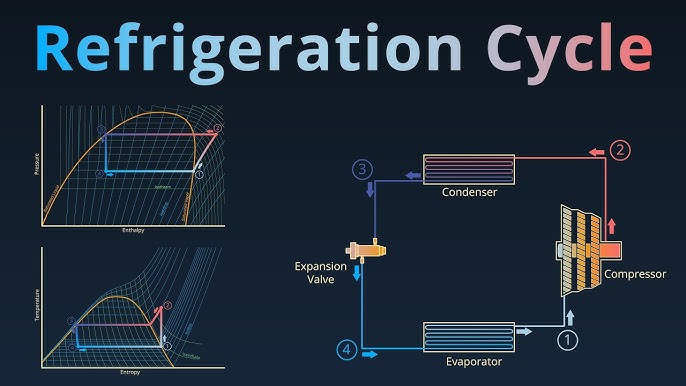
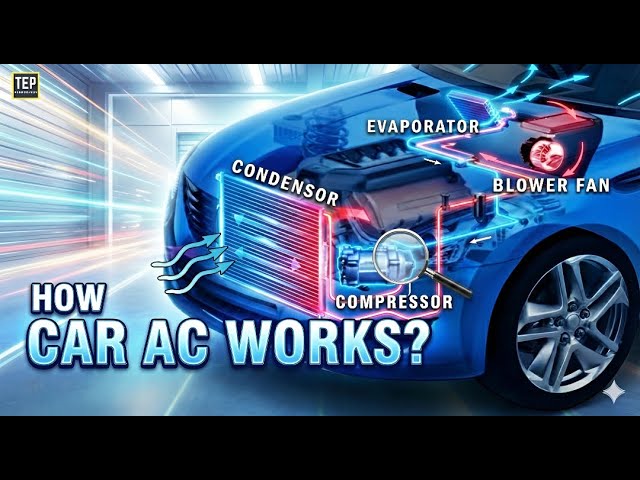
The compressorpumps refrigerant through the system. It raises the refrigerant’s pressure and heat. This hot gas moves to the condenser.
The condensercools the hot gas. It turns the gas into a liquid by releasing heat outside. Fans help carry this heat away.
The expansion valvecontrols the flow of liquid refrigerant. It lowers the refrigerant’s pressure, making it cold before entering the evaporator.
The evaporatorabsorbs heat from indoor air. The cold refrigerant inside evaporates into gas again. This cools the air, which a fan blows inside.
Cooling Cycle Explained Visually
The refrigerantmoves through the air conditioner in a closed loop. It changes from liquid to gas and back again. This flow keeps the cooling process going.
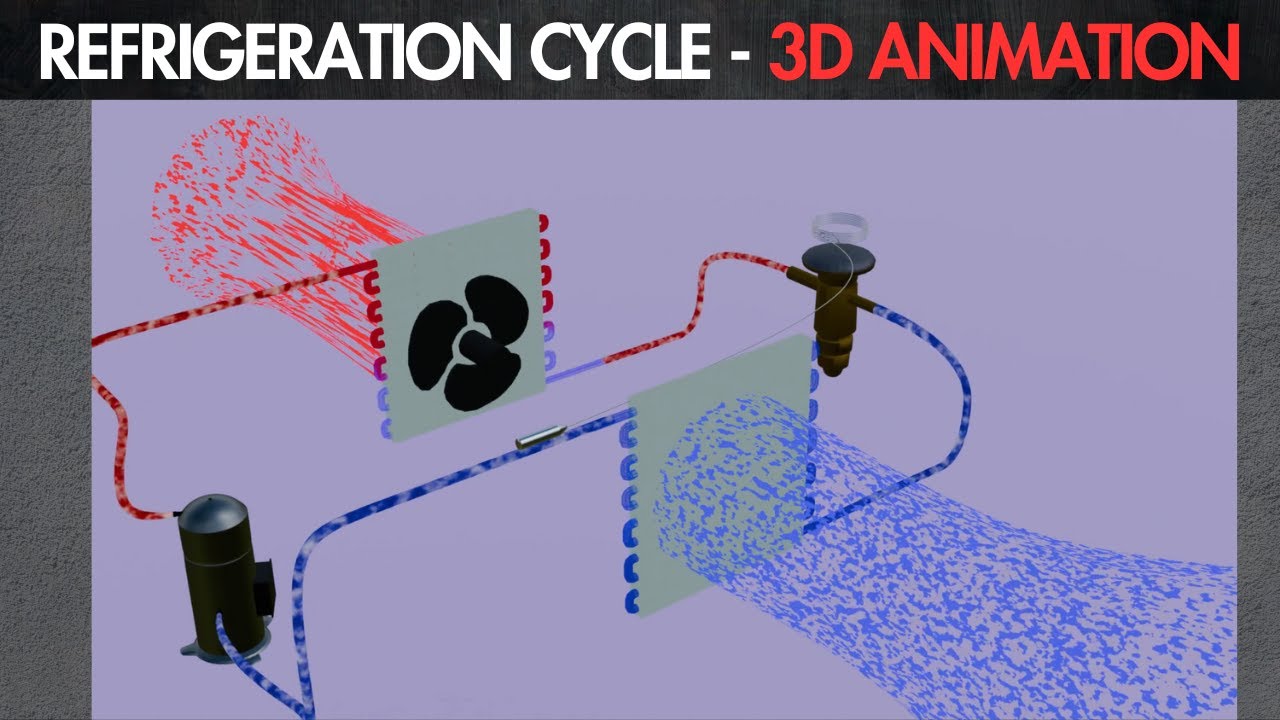
Inside the evaporator coil, the refrigerant absorbs heatfrom the indoor air. The air cools down as heat moves into the refrigerant. This makes the room feel cooler.
The refrigerant carries the heat outside to the condenser coil. There, it releases heatinto the outdoor air. The refrigerant cools and turns back into liquid.
This cycle repeatsover and over. It keeps taking heat from inside and sending it outside. This is how the air conditioner cools your home.
Role Of Refrigerant In Cooling
Refrigerantis a special fluid inside an air conditioner. It changes from liquid to gas and back again. These changes help move heat from inside to outside.
During phase changes, refrigerant absorbs heat when it evaporates (liquid to gas). It releases heat when it condenses (gas to liquid). This is how cooling happens.
| Phase | Heat Transfer | Effect |
|---|---|---|
| Evaporation | Absorbs heat | Cools the air |
| Condensation | Releases heat | Warms outside air |
The heat transfer propertiesof refrigerant make it efficient. It can absorb large amounts of heat at low temperatures. This helps keep rooms cool without using too much energy.

Credit: www.youtube.com
Energy Flow In Air Conditioning
The air conditioner changes electrical energyinto mechanical energy. This happens through the compressor, which is like the heart of the system. The compressor uses electricity to power a motor. This motor spins and moves the refrigerant through the system.
The refrigerant then absorbs heat inside the room and releases it outside. This movement of heat is key to cooling the air. Heat naturally flows from warmer to cooler places. The air conditioner uses this to move heat out of your home, making the inside cool and comfortable.
Common Air Conditioner Types
Window unitsfit in a window frame. They cool small rooms well. These units take heat from inside and push it outside. Easy to install and affordable, but they may block the window view.
Split systemshave two parts: one inside, one outside. The indoor unit blows cool air, while the outdoor part removes heat. They are quiet and good for cooling larger spaces. Installation needs a professional.
Portable unitscan move from room to room. They have a hose that vents hot air outside. Good for renters or homes without windows. Not as powerful and can be noisy.
Benefits Of Visual Animations
Visual animationsmake hard ideas easy to understand. They show how parts work together clearly. Watching animations helps people learn faster and remember better.
Animations break down complex conceptsinto simple steps. This helps learners see each part of the process. It is easier to follow and less confusing.
Animations also make learning fun and engaging. They keep attention longer than plain text. Seeing moving parts helps ideas stick in the mind.
- Show step-by-step how an air conditioner works
- Make difficult parts clear and simple
- Help learners of all ages and languages
- Provide visual support for better memory
Tools To Create Ac Animations
Many software optionshelp create clear AC animations. Programs like Blender, Adobe After Effects, and AutoCADare popular choices. They allow users to design detailed parts of an air conditioner and show how it works. These tools offer easy-to-use interfacesfor beginners and detailed controls for experts.
Animation techniquesinclude frame-by-frame drawing, 3D modeling, and motion graphics. Frame-by-frame shows each step of the AC process. 3D modeling gives a realistic view of parts moving. Motion graphics highlight airflow or temperature changes clearly. Combining these techniques can make the animation more engaging and educational.
Credit: www.youtube.com
Future Of Cooling Technology
Eco-friendly refrigerantsreduce harm to the planet. They replace older chemicals that hurt the ozone layer. These new refrigerants have low global warming potential. This helps cool the air without damaging Earth’s atmosphere. Many new air conditioners use these safe, green gases.
Energy efficiency innovationscut power use while keeping homes cool. New designs use smart sensors and better compressors. These parts adjust cooling based on room needs. They save electricity and lower bills. Some models learn your schedule and cool only when needed.
| Feature | Benefit |
|---|---|
| Eco-Friendly Refrigerants | Protects ozone layer and reduces climate impact |
| Smart Sensors | Adjusts cooling to save energy |
| Efficient Compressors | Uses less power for better cooling |
| Learning Technology | Only cools when needed, saving electricity |
Credit: www.youtube.com
Frequently Asked Questions
How Does An Air Conditioner Animation Work?
An air conditioner animation visually explains the cooling process. It shows how refrigerant absorbs heat indoors and releases it outside. The compressor, condenser, and evaporator are key components. This animation helps viewers understand the energy transfer process efficiently.
What Are The Key Parts In Ac Animations?
Key parts in AC animations include the compressor, condenser, and evaporator. These components play vital roles in the cooling cycle. The refrigerant flows through these parts, transferring heat and cooling the air. Animations highlight how each part functions in the cooling process.
Why Use Animations For Air Conditioners?
Animations simplify complex processes, making them easier to understand. They visually demonstrate how air conditioners work. This helps viewers grasp the cooling process effectively. Animations engage users, providing a clearer insight into the mechanical operations of AC systems.
Can Animations Help In Ac Troubleshooting?
Yes, animations can aid in troubleshooting air conditioners. They illustrate the flow of refrigerant and highlight component functions. Viewers can identify potential issues by comparing the animation with their unit. This visual guide assists in diagnosing problems more efficiently.
Conclusion
Understanding how an air conditioner works helps you appreciate its function. The animation showed the flow of refrigerant and heat exchange clearly. Cooling happens by moving heat from inside to outside your room. Simple parts like compressors and coils work together smoothly.
This knowledge can help you maintain your AC better. Now, staying cool feels less like magic and more like science. Keep these basics in mind for any future AC questions. Cooling your space becomes easier when you know the process.