You might think wearing any bike helmet is enough to keep you safe. But if your helmet doesn’t fit right, it can’t protect you properly when you need it most.
How are bike helmets supposed to fit? Getting this simple detail wrong can make a big difference between staying safe and risking serious injury. You’ll discover exactly how to make sure your helmet fits perfectly—comfortably snug, not too tight, and secure in all the right places.
Keep reading, because your safety depends on it.

Credit: bernhelmets.com
Choosing The Right Helmet Size
Picking the right helmet size is key for safety and comfort. A helmet that fits well protects your head better in accidents.
Let’s look at how to find the right helmet size for you. We will cover measuring your head, reading size charts, and trying different models.
Measuring Your Head
Use a soft tape measure or a string to measure your head. Wrap it around the largest part of your head, just above your eyebrows and ears.
- Keep the tape level all around
- Measure twice for accuracy
- Note the length in centimeters or inches
Helmet Size Charts
Helmet brands use size charts to match your head measurement with helmet sizes. Sizes often range from small to extra-large.
| Head Circumference (cm) | Helmet Size |
| 50 – 54 | Small (S) |
| 55 – 58 | Medium (M) |
| 59 – 62 | Large (L) |
| 63 – 66 | Extra Large (XL) |
Trying Different Helmet Models
Helmet sizes can vary by brand and model. Trying helmets on helps find one that fits your head shape well.
- Check if the helmet feels snug but not too tight
- Make sure it does not press on your forehead or temples
- Fasten the chin strap so it fits comfortably under your chin
- Shake your head gently to test if the helmet stays in place

Credit: bernhelmets.com
Positioning The Helmet Correctly
Wearing a bike helmet properly can keep you safe. The correct fit is important for protection.
A helmet must sit right to guard your head in case of a fall. Let’s explore how it should be positioned.
Level Placement On The Head
The helmet must sit level on your head. It should not tilt backwards or forwards.
A level helmet covers the right areas of your skull. This ensures it provides the best protection during an accident.
- Check if the helmet is level by looking in a mirror.
- Adjust the straps to keep the helmet from moving.
- Ensure it feels snug but not tight.
Covering The Forehead Properly
The helmet should cover your forehead. It should sit about two fingers above your eyebrows.
If the helmet sits too high, it leaves your forehead unprotected. Proper coverage is key for safety.
- Position the helmet so it covers the top part of your forehead.
- Adjust straps to maintain this position securely.
- Test the fit by shaking your head gently.
Adjusting The Straps And Buckles
Bike helmets protect your head during falls or crashes. To work well, the straps and buckles must fit right.
Adjusting these parts keeps the helmet steady and safe on your head. It also makes wearing it more comfortable.
Side Straps Alignment
Side straps should form a “Y” shape just below your ears. The sliders on the straps must sit under the ears.
Check if the straps are even on both sides. Uneven straps can cause the helmet to move during riding.
- Place the sliders right below your earlobes
- Adjust straps so they sit flat on your skin
- Make sure straps are not twisted or tangled
Chin Strap Tightness
The chin strap holds the helmet in place. It should be snug but not too tight.
You should fit one or two fingers between the strap and your chin. This space lets you breathe and talk comfortably.
- Fasten the buckle under your chin
- Tighten the strap until it feels secure
- Check for any loose ends and tuck them away
Ensuring Comfort And Security
A helmet must feel comfortable to wear for a long time. It should not press too hard or cause pain.
After adjusting straps, shake your head gently. The helmet should stay in place without moving too much.
- Check that no straps pinch your skin
- Make small adjustments to avoid discomfort
- Wear the helmet regularly to get used to the fit
Checking Helmet Fit And Stability
Wearing a bike helmet correctly keeps you safe while riding. The fit and stability of the helmet are very important. A helmet that does not fit well can cause injury in a crash.
Check your helmet carefully before every ride. Make sure it fits snugly and stays in place. This guide explains how to test your helmet fit and find any pressure points.
Performing The Shake Test
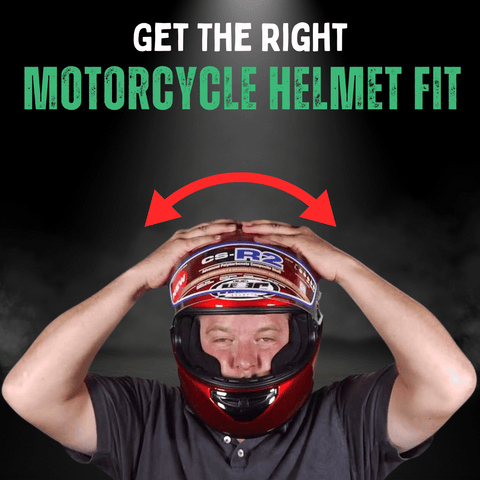
The shake test helps you check if your helmet stays stable on your head. Put on your helmet and fasten the straps. Then, shake your head from side to side and up and down.
- If the helmet moves a lot, it is too loose.
- If it shifts easily without your skin moving, adjust the fit.
- Try tightening the straps or adjusting the internal pads.
- A stable helmet should not move more than one inch in any direction.
Feeling For Pressure Points
Pressure points cause discomfort and may lead to headaches. After adjusting your helmet, press your fingers around the inside edge and on the pads.
| Area | What to Feel For | Action Needed |
| Forehead | Uneven pressure or pain spots | Reposition pads or loosen straps |
| Sides of Head | Tightness or pinching | Adjust fit system or add padding |
| Back of Head | Hard pressure areas | Shift helmet position slightly |
Common Fit Mistakes To Avoid
Wearing a bike helmet correctly keeps you safe on the road. Many people make simple mistakes that reduce protection. Knowing what to avoid helps you get the right fit every time.
This guide explains common fit errors and how to fix them. Avoid these mistakes to wear your helmet safely and comfortably.
Wearing The Helmet Too High Or Low
Placing the helmet too high on your head leaves your forehead unprotected. A helmet worn too low can block your vision and cause discomfort. The right position covers your forehead and sits just above your eyebrows.
- Helmet should rest about one inch above your eyebrows.
- Keep it level from front to back.
- Avoid tilting the helmet backward or forward.
Loose Straps And Their Risks
Loose straps can let the helmet move or fall off during a crash. Straps that are too tight cause discomfort and skin irritation. Both affect how well the helmet protects your head.
| Strap Condition | Risk | Adjustment Tip |
| Too Loose | Helmet shifts or falls off | Tighten until snug but comfortable |
| Too Tight | Skin irritation and discomfort | Loosen slightly to relieve pressure |
| Uneven Straps | Helmet tilts or feels unbalanced | Adjust straps evenly on both sides |
Ignoring Helmet Adjustments
Many helmets have adjustment systems for a better fit. Skipping these steps lowers helmet safety. You may feel loose or uncomfortable without proper adjustment.
Tips to use helmet adjustments:
- Use the dial or slider to fit your head size.
- Adjust padding for comfort and stability.
- Check adjustments every time you wear the helmet.
Credit: www.cyclingnews.com
Helmet Maintenance For Safety
Bike helmets protect your head during crashes. To keep this protection strong, you must maintain your helmet well.
Proper care helps the helmet fit right and stay safe every ride.
Regular Fit Rechecks
Helmets can lose their fit over time. Straps stretch, and padding wears down. Check your helmet fit often to stay safe.
- Put the helmet on and fasten the straps.
- Shake your head side to side and up and down.
- The helmet should stay snug and not move much.
- Adjust straps or padding if the helmet feels loose.
- Replace worn padding to keep the fit tight.
Replacing Worn Or Damaged Helmets
Helmets lose their safety after impacts or long use. Replace your helmet if it is cracked, dented, or very old.
| Condition | Action |
| Visible cracks or dents | Replace immediately |
| Padding very worn or missing | Replace padding or helmet |
| Helmet older than 5 years | Consider replacing |
| Helmet after any crash | Replace even if no damage shows |
Frequently Asked Questions
How Tight Should A Bike Helmet Fit?
A bike helmet should fit snugly without causing discomfort. It must not move when you shake your head. Proper fit ensures maximum protection during a crash.
Where Should A Bike Helmet Sit On The Head?
A bike helmet should sit level on your head. It should cover your forehead, about one or two finger-widths above your eyebrows. This position offers optimal safety.
How To Adjust Bike Helmet Straps Correctly?
Adjust straps to form a “V” shape under each ear. Buckle the chin strap so it fits snugly but allows you to open your mouth comfortably.
When To Replace A Bike Helmet?
Replace your helmet after any crash or impact. Also, replace it every five years, as materials degrade over time, reducing protection effectiveness.
Conclusion
A bike helmet must fit snugly and sit level on your head. Straps should be tight but comfortable, not loose or twisted. The helmet should not move when you shake your head. Proper fit means better protection in case of a fall.
Always check your helmet before riding. A well-fitted helmet keeps you safe and confident on every ride. Remember, comfort and security go hand in hand. Take the time to adjust your helmet correctly. Your head will thank you.