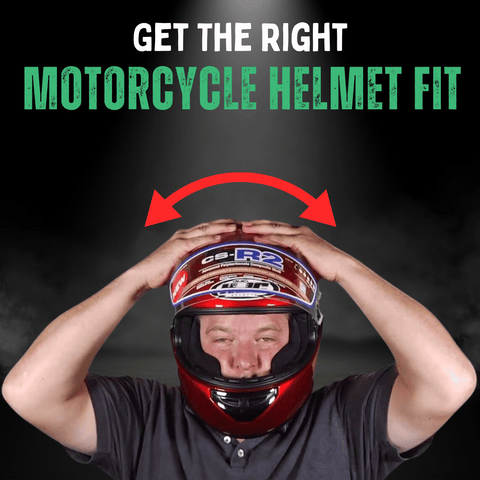
You might think any bike helmet will do, but the truth is, how your helmet fits can make all the difference between safety and serious injury. If your helmet sits too loose or too tight, it won’t protect you the way it should.
You want to feel secure without discomfort, confident that your helmet will stay put if you fall. You’ll discover exactly how a bike helmet is supposed to fit — step by step — so you can ride with peace of mind every time you hit the road or trail.
Keep reading to learn the simple checks that could save your life.
Choosing The Right Helmet Size
Wearing a bike helmet that fits well keeps you safe. A helmet that is too loose or tight can cause problems. Finding the right size is key.
Use simple steps to choose a helmet that fits your head perfectly. This guide explains how to measure, read size charts, and try helmets on.
Measuring Your Head
Measure your head to find the right helmet size. Use a soft tape measure to get the right number. Wrap it around your head just above your eyebrows.
- Place the tape measure about one inch above your eyebrows.
- Wrap it around the widest part of your head.
- Keep the tape snug but not tight.
- Note the measurement in centimeters or inches.
Understanding Size Charts
Helmet brands use size charts to match your head measurement to their helmets. Charts show sizes like small, medium, and large with exact measurements.
| Helmet Size | Head Circumference (cm) | Head Circumference (inches) |
| Small | 52 – 56 | 20.5 – 22 |
| Medium | 56 – 58 | 22 – 22.8 |
| Large | 58 – 61 | 22.8 – 24 |
| Extra Large | 61 – 64 | 24 – 25.2 |
Trying On Different Helmets
Try several helmets to find the best fit. Each brand fits a bit differently. Check for comfort and tightness.
- Place the helmet on your head and fasten the straps.
- Shake your head side to side and up and down.
- The helmet should not move much but feel snug.
- Make sure it sits level and covers your forehead.
- Adjust straps and padding for a better fit.

Credit: www.youtube.com
Positioning The Helmet Correctly
Wearing a bike helmet the right way keeps your head safe in a crash. It must fit well and stay in place.
Proper positioning helps protect your forehead, temples, and back of your head. Learn how to place your helmet correctly.
Aligning The Helmet On Your Head
Place the helmet level on your head. It should sit low on your forehead, just above your eyebrows.
A helmet that tilts back or forward will not protect your head properly. Make sure it covers the top of your head evenly.
Adjusting The Front And Back
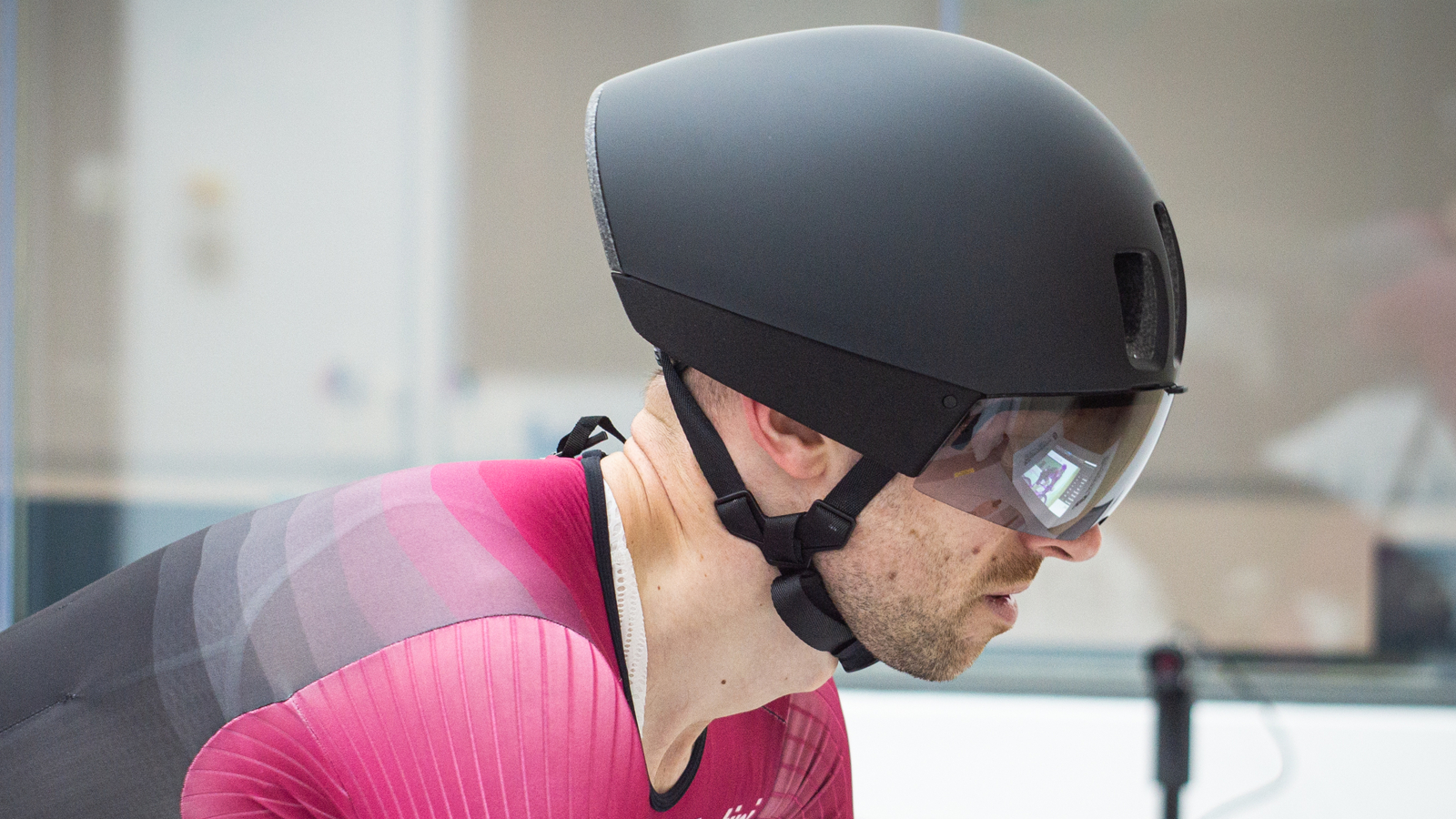
Use the straps and dial fit system to tighten the helmet. The front should not lift when you open your mouth wide.
Adjust the back so the helmet fits snugly without pressure. It should not move easily side to side.
- Check front strap sits below ears
- Tighten side straps evenly
- Use rear dial to secure fit
Ensuring Full Coverage
Make sure the helmet covers your forehead and the back of your head. It should wrap around the sides.
If any part of your head is exposed, the helmet will not protect well. Adjust the fit until the coverage is complete.
Straps And Buckles
Bike helmets protect your head only if the straps and buckles fit well. Proper fit keeps the helmet stable and secure. It stops the helmet from moving during a ride or in a fall.
Focus on three key areas: the chin strap, side straps, and the buckle. Each part should feel snug but not tight. Adjustments here improve safety and comfort.
Adjusting The Chin Strap
The chin strap should fit firmly under your chin. It stops the helmet from slipping off. You want enough room to fit one or two fingers between the strap and your chin.
- Place the helmet on your head.
- Buckle the chin strap securely.
- Tighten the strap until it feels snug.
- Check that you can still open your mouth comfortably.
Securing The Side Straps
The side straps form a “Y” shape below your ears. These straps keep the helmet steady on your head. Adjust them so the slider sits just below each ear.
| Side Strap Position | Fit Tip |
|---|---|
| Slider below ear | Straps form a snug “Y” shape |
| Too high or low | Adjust slider to correct position |
| Loose straps | Tighten for secure fit |
Checking Buckle Comfort
The buckle fastens the helmet straps. It should be easy to open and close. At the same time, it must hold tight during use.
- Make sure the buckle clicks firmly.
- Check for sharp edges or rough spots.
- Test the buckle by pulling gently on straps.
- Replace the buckle if it feels weak or uncomfortable.
Padding And Interior Fit
Bike helmets must fit well on your head for safety and comfort. Padding and interior fit help keep the helmet snug and stable.
Proper padding can absorb sweat and reduce pressure. The interior fit adjusts to different head shapes and sizes.
Using Removable Pads
Many helmets come with removable pads. These pads let you change the fit inside the helmet to match your head.
You can add thicker pads for a tighter fit or thinner ones for more room. Removable pads also make cleaning easier.
- Remove pads to wash and dry them
- Swap pads to adjust helmet tightness
- Replace worn pads for better comfort
Customizing For Head Shape
Heads come in many shapes and sizes. A good helmet fits your unique head shape to stay secure.
Use adjustable straps and pads to shape the helmet around your head. This helps stop the helmet from moving while riding.
- Adjust side straps for a snug fit
- Use pads to fill gaps inside the helmet
- Check fit by shaking your head gently
Preventing Pressure Points
Pressure points cause discomfort and headaches. Padding helps spread pressure evenly inside the helmet.
Try different pad thicknesses or positions to avoid hard spots. A well-fitted helmet feels comfortable for long rides.
- Use softer pads in tight areas
- Adjust pad placement for even pressure
- Replace old pads that lose cushioning
Testing For Comfort And Safety
Bike helmets must fit well to keep you safe. Testing the fit ensures the helmet stays secure and feels good.
Comfort is key for long rides. A helmet that fits right protects your head and makes riding pleasant.
Shake And Movement Test
After putting on the helmet, shake your head gently side to side and up and down. The helmet should not move much.
If the helmet shifts or feels loose, adjust the straps or size. A secure fit keeps the helmet in place during a crash.
- Helmet stays steady when you shake your head
- Straps feel snug but not too tight
- No sliding forward, backward, or side to side
Breathability And Ventilation
Good helmets have vents to let air flow. This helps keep your head cool while you ride.
Test how well air moves through the helmet. A helmet with poor ventilation can feel hot and uncomfortable.
- Look for helmets with enough vents
- Feel for airflow while wearing it
- Choose helmets that dry sweat quickly
Long Ride Comfort
Wear the helmet for at least 15 minutes. Check for pressure spots or pain on your head.
Comfortable padding and a good fit prevent headaches and soreness on long rides.
- Padding should feel soft but firm
- Helmet weight should not strain your neck
- Straps should not rub or irritate skin
Common Fit Mistakes To Avoid
Wearing a bike helmet correctly is important for safety. Many people make simple fitting mistakes. These mistakes can reduce protection during a crash.
This guide explains common fit problems. Fixing these issues helps your helmet work properly.
Helmet Too Loose Or Too Tight
A helmet that is too loose can move around on your head. This reduces protection in a crash. A helmet that is too tight causes discomfort and headaches. It can also distract you while riding.
Make sure the helmet fits snugly but feels comfortable. You should not feel pressure spots or pain.
- The helmet should not shift when you shake your head.
- Use the sizing pads or adjust the fit system inside the helmet.
- Try different sizes if the helmet feels too tight or loose.
Incorrect Strap Placement
Straps keep the helmet secure on your head. Incorrect strap placement can make the helmet unsafe. Loose or twisted straps reduce protection.
Straps should form a “V” shape under each ear. The buckle should fit snugly under your chin.
- The side straps should meet just below your ears.
- Buckles must fasten firmly but allow you to open your mouth easily.
- Check straps regularly for twists or damage.
Wearing Helmet Too High Or Low
Wearing your helmet too high or too low reduces its safety. A helmet too high leaves your forehead exposed. Too low can block your vision or feel uncomfortable.
The helmet should sit level on your head. The front edge should be about one inch above your eyebrows.
- Check that the helmet covers your forehead well.
- Adjust the fit system or padding to position the helmet correctly.
- Look in a mirror to confirm the helmet sits level and does not tilt.
Maintaining Your Helmet Fit Over Time
Bike helmets must fit well to protect you properly. Over time, the fit can change. It is important to keep your helmet snug and secure.
Regular care helps keep your helmet comfortable and safe. Learn how to maintain your helmet fit with simple steps.
Replacing Worn Padding
Padding inside your helmet wears out with use. Worn padding can cause the helmet to fit loosely or unevenly. Replace padding when it feels thin or misshaped.
- Check padding every few months for wear
- Use only manufacturer-approved replacement pads
- Remove old pads carefully before installing new ones
- Make sure new pads fit snugly and evenly
Adjusting After Impact
After a crash or strong impact, your helmet might lose its fit. Even if it looks fine, it may not protect well. Adjust or replace your helmet if needed.
| Action | Reason |
| Inspect helmet shell | Cracks weaken protection |
| Check interior foam | Compression reduces shock absorption |
| Test fit | Helmet should feel snug, not loose |
| Replace helmet if damaged | Safety may be compromised |
Regular Fit Checks
Check your helmet fit often. A helmet that slips or moves is unsafe. Adjust straps and fit systems to keep it secure.
- Place helmet level on your head
- Fasten chin strap firmly
- Open mouth wide; straps should pull in
- Shake head; helmet should not move
- Adjust fit pads or dial system as needed
Credit: www.cyclingnews.com

Credit: bernhelmets.com
Frequently Asked Questions
How Tight Should A Bike Helmet Fit?
A bike helmet should fit snugly without causing discomfort. It should not move when you shake your head. Proper fit ensures maximum protection during impact.
Where Should A Bike Helmet Sit On The Head?
The helmet should sit level, covering the forehead. It should rest about one to two finger-widths above the eyebrows. This position protects the frontal bone effectively.
How To Adjust Helmet Straps Correctly?
Straps should form a “V” shape under each ear. The chin strap must be tight enough to secure the helmet. You should be able to fit one finger between the strap and chin.
When To Replace A Bike Helmet?
Replace your helmet after any crash or impact. Helmets also expire after 3-5 years due to material degradation. Regularly inspect for cracks or damage before use.
Conclusion
A well-fitted bike helmet is essential for safety. It should sit snugly on your head. The straps must form a V-shape under each ear. Ensure the buckle is tight but comfortable. Adjust the dial at the back for a secure fit.
A proper fit prevents the helmet from moving around. This reduces injury risks during falls. Regularly check your helmet for wear and tear. Replace it after any significant impact. Prioritize comfort and safety. Always wear your helmet. Stay protected on every ride.