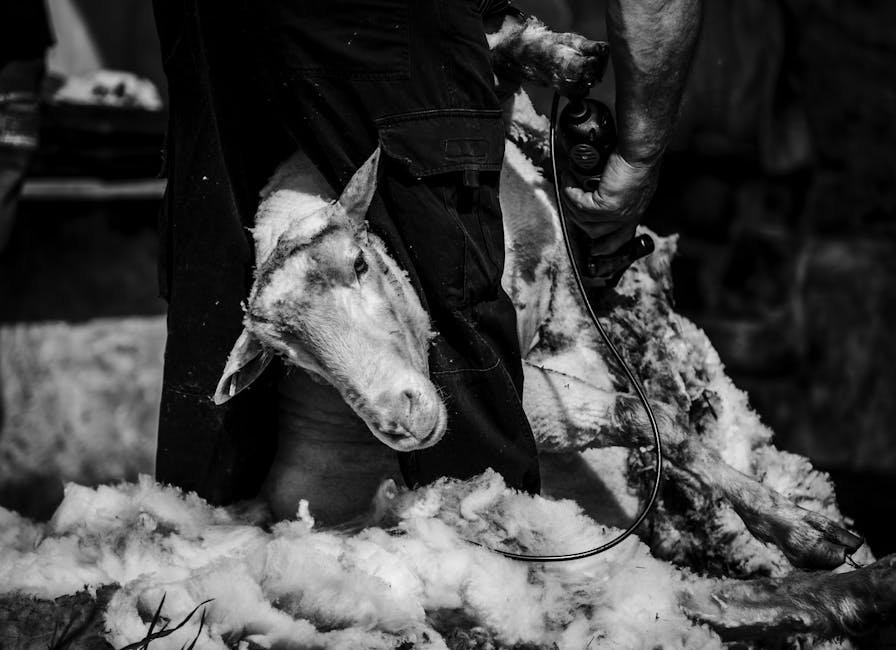
Have you ever wondered how sheep get their thick wool coats turned into soft yarn and cozy sweaters? The process of shearing sheep might seem simple, but there’s a lot more to it than just cutting wool.
You might be surprised to learn how careful and skilled the work is to keep the sheep safe and comfortable. You’ll discover the step-by-step process of sheep shearing, why it’s so important, and what makes a good shearer stand out.
Keep reading, and you’ll see this everyday farm activity in a whole new light.

Credit: feltingandfiberstudio.com
Sheep Shearing Basics
Sheep shearing is the process of cutting off the wool fleece from sheep. It helps keep sheep healthy and comfortable.
Knowing when and why to shear sheep is important for good animal care and wool quality.
Why Shearing Matters
Shearing removes thick wool that can cause problems for sheep. It stops wool from getting dirty and heavy.
- Prevents overheating in warm weather
- Reduces risk of pests and infections
- Keeps wool clean and easier to use
- Improves sheep mobility and comfort
When To Shear Sheep
Shearing time depends on climate and sheep breed. Most farmers shear once a year in spring.
| Season | Reason |
| Spring | Wool grows back before cold weather |
| Summer | Sheep stay cool during hot months |
| Autumn | Less common, but done in warm areas |
Essential Shearing Tools
Shearing sheep requires the right tools to work safely and quickly. Using proper equipment helps protect the sheep and the shearer.
This guide covers the main shearing tools and how to prepare them for a smooth shearing session.
Manual Clippers Vs. Electric Clippers
Shearers can choose between manual and electric clippers. Manual clippers need hand power and skill to use. Electric clippers run on electricity and cut faster.
- Manual Clippers:Lightweight, no cords, quieter.
- Electric Clippers:Faster cutting, less physical effort, need power source.
- Both types:Have sharp blades that need regular cleaning and oiling.
Preparing Your Equipment
Before shearing, check all tools carefully. This keeps the process safe and effective for both the sheep and the shearer.
| Preparation Task | Details |
| Clean Blades | Remove dirt and wool fibers to keep blades sharp. |
| Oil Moving Parts | Apply oil to reduce friction and heat during shearing. |
| Check Power Supply | Ensure electric clippers have a charged battery or power cord. |
| Test Clippers | Run clippers briefly to check blade movement and noise. |
| Prepare Shearing Area | Clear space and have a flat surface for the sheep. |
Preparing Sheep For Shearing
Shearing is an important part of sheep care. It keeps them healthy and comfortable.
Proper preparation ensures the process is safe for both the sheep and the shearer.
Handling And Restraining Techniques
Handling sheep carefully is key to successful shearing. Sheep can become stressed easily.
- Approach sheep calmly and quietly.
- Use gentle pressure to hold them steady.
- Ensure their legs are restrained but not too tight.
Cleaning And Positioning
Clean sheep before shearing to remove dirt and debris. This protects the wool and shearing equipment.
Position the sheep on its side for better access. This helps in reducing stress and making the process easier.
| Cleaning Task | Purpose |
| Brushing | Removes loose dirt |
| Washing | Cleans stubborn grime |
| Trimming | Prepares wool for shearing |
Credit: www.meridianjacobs.com
Step-by-step Shearing Process
Shearing sheep is a careful process that removes their wool without hurting them. It helps keep sheep healthy and prepares wool for use. This guide shows the main steps in shearing.
Each step has a clear purpose. Knowing the order helps make shearing smooth and safe for the sheep and the shearer.
Starting The Shear
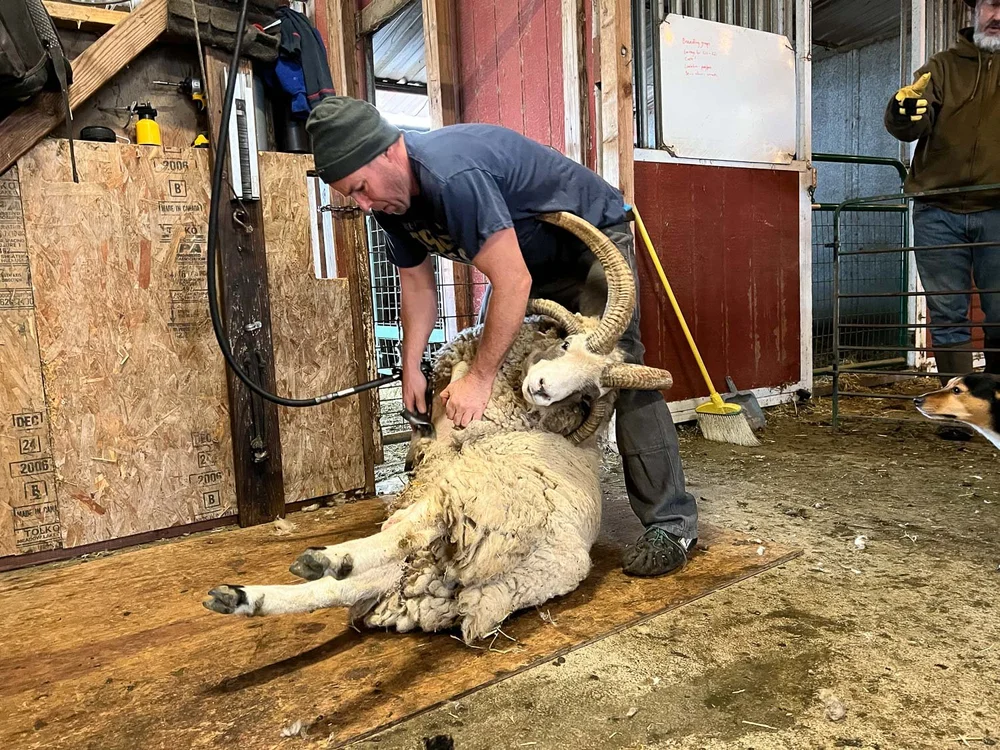
The shearer begins by placing the sheep in a calm position. Holding the sheep steady is important to avoid stress and injury. The shearer uses special clippers to start cutting the wool.
- Position the sheep on its side or back.
- Hold the sheep gently but firmly.
- Start clipping near the belly to avoid cutting skin.
- Move the clippers with smooth, even strokes.
- Check often for any signs of discomfort.
Removing The Fleece Efficiently
After the first cuts, the shearer works to remove the fleece in one piece. This method keeps the wool clean and easier to handle. The shearer follows the sheep’s body shape to lift the wool away.
| Area | Shearing Technique |
|---|---|
| Back | Cut long, smooth strokes along the spine. |
| Flanks | Clip gently to avoid cuts near thin skin. |
| Legs | Use shorter strokes and take care around joints. |
| Head and Neck | Shear carefully to avoid sensitive areas. |
Finishing Touches
Once the fleece is off, the shearer cleans up any stray wool. The sheep is checked for cuts or injuries. The wool is then gathered and prepared for cleaning and processing.
- Trim any remaining wool patches.
- Inspect the sheep’s skin for nicks or cuts.
- Apply treatment if any wounds are found.
- Collect and roll the fleece carefully.
- Clean the shearing area after finishing.
Common Challenges And Solutions
Sheep shearing is a skilled task that requires care and attention. It comes with challenges that can affect both the sheep and the shearer.
This guide looks at common problems and how to solve them to make shearing safer and easier.
Avoiding Cuts And Injuries
Shearing can cause cuts if the shearer is not careful. Sharp tools and quick movements can harm the sheep.
- Use well-maintained, sharp shears to cut cleanly.
- Keep the sheep calm to prevent sudden moves.
- Shear slowly around sensitive areas like legs and belly.
- Wear protective gloves for better grip and control.
- Regularly check the blades to avoid pulling wool.
Dealing With Difficult Sheep
Some sheep resist shearing. They may try to jump or struggle, which makes shearing hard and risky.
| Challenge | Solution |
| Restless sheep | Hold the sheep firmly but gently to keep it still. |
| Fearful sheep | Speak softly and move slowly to calm the animal. |
| Strong sheep | Use a helper to hold the sheep steady during shearing. |
| Sheep with thick wool | Shear in sections to avoid tiring the sheep or shearer. |
Aftercare For Sheared Sheep
Shearing is important for sheep health and wool production. After shearing, sheep need care to stay safe and healthy.
Good aftercare helps sheep recover quickly and avoid problems like sickness or injury.
Health Checks Post-shearing
Check sheep carefully after shearing. Look for cuts, bruises, or signs of infection. Treat wounds quickly to stop pain or illness.
Keep an eye on sheep for changes in behavior. Weakness or lack of appetite may show health problems.
- Inspect skin for cuts or scratches
- Watch for swelling or redness
- Check eyes and nose for clear discharge
- Look for signs of stress or tiredness
- Keep treated sheep in a clean area
Protecting Sheep From Weather
Sheep lose their wool after shearing. This makes them cold and vulnerable. Protect them from wind, rain, and cold weather.
Provide dry shelter and fresh bedding. Move sheep inside if bad weather comes. Keep sheep warm to prevent illness.
- Use barns or sheds for shelter
- Provide extra straw or hay for warmth
- Keep water and food clean and dry
- Check sheep often during cold days
- Avoid wet pastures after shearing
Tips From Expert Shearers
Sheep shearing is an important skill that takes practice and care. Expert shearers share simple tips to help improve the process.
These tips focus on working faster without losing accuracy and keeping tools in good condition.
Improving Speed And Accuracy
Speed comes from practice and the right technique. Accuracy protects the sheep and makes shearing easier.
- Keep your hand steady and follow the fleece lines.
- Use smooth, even strokes to avoid cuts.
- Position the sheep comfortably to reduce movement.
- Plan your shearing path before starting.
- Practice regularly to build muscle memory.
Maintaining Equipment
Good equipment helps shearers work well and keeps sheep safe. Cleaning and checking tools is very important.
| Equipment | Care Tips |
| Shearing blades | Sharpen regularly and clean after use |
| Handpieces | Lubricate moving parts to prevent damage |
| Combs | Check for chips and replace if dull |
| Power cords | Inspect for cuts or wear before use |

Credit: www.renningerwoolco.com
Frequently Asked Questions
How Often Are Sheep Typically Sheared?
Sheep are usually sheared once a year, often in spring. This timing prevents overheating in summer and keeps wool healthy. Annual shearing also promotes sheep comfort and wool regrowth. Proper timing benefits both the animal and wool quality.
What Tools Do Farmers Use For Sheep Shearing?
Farmers use electric clippers or hand shears to shear sheep. Electric clippers are faster and more efficient. Hand shears require skill but cause less stress to sheep. Both tools aim to remove wool cleanly and safely.
Is Sheep Shearing Harmful Or Painful For Sheep?
Sheep shearing is generally safe and painless when done correctly. Skilled shearers avoid cuts and stress during the process. Shearing helps sheep stay healthy by preventing wool overheating and parasites. Proper care ensures sheep well-being.
Why Is Shearing Important For Sheep Health?
Shearing prevents wool from becoming matted, dirty, and heavy. It reduces the risk of heat stress and parasite infestations. Clean wool also improves sheep mobility and comfort. Regular shearing supports overall sheep hygiene and health.
Conclusion
Sheep shearing is a careful and important task. It helps keep sheep healthy and comfortable. Skilled shearers use special tools to remove wool safely. The process needs patience and gentle handling. Wool collected can be used for many products. Understanding how sheep are sheared shows respect for farmers and animals.
It also connects us to nature and farming traditions. Shearing happens once a year, usually in spring. This simple act supports both the sheep and the people who care for them.