
Are you thinking about upgrading your kitchen with a new wall oven but feel confused about how to pick the right size? Understanding how wall ovens are measured can save you from costly mistakes and frustration.
Knowing the exact dimensions will help you find an oven that fits perfectly into your space and meets your cooking needs. Keep reading, and you’ll discover simple tips that make choosing the right wall oven easier than ever. Your kitchen upgrade starts with the right measurements—let’s make sure you get it right.
Wall Oven Dimensions
Wall ovens come in many sizes. Knowing the dimensions helps you pick the right fit for your kitchen.
Measuring a wall oven means checking its height, width, and depth. These numbers tell you how much space the oven needs.
Standard Sizes
Most wall ovens follow standard size ranges. These sizes fit common kitchen cabinets and spaces.
- 24 inches wide is common for smaller kitchens
- 27 inches wide is a popular mid-size option
- 30 inches wide fits larger kitchens and offers more capacity
- Height usually ranges from 28 to 30 inches
- Depth is often about 24 inches to fit cabinets
Custom Dimensions
Some kitchens need wall ovens with custom sizes. This happens if the space is unusual or older.
Custom ovens are made to fit exact space measurements. This helps avoid gaps or awkward fits.
- Custom width for narrow or wide spaces
- Special height to match other kitchen elements
- Depth tailored for unique cabinet styles
- May require special installation
Depth, Width, And Height Explained
Width is the oven’s side-to-side measurement. It shows how much horizontal space you need.
Height is the top-to-bottom size. It helps you know how tall the oven is.
Depth is the front-to-back distance. This tells how far the oven sticks out from the wall.
| Dimension | What It Means | Why It Matters |
|---|---|---|
| Width | Side to side size | Fits the opening in your cabinet |
| Height | Top to bottom size | Matches other appliances and cabinets |
| Depth | Front to back size | Ensures oven fits flush with cabinets |
Measuring Your Space
Measuring your space is key before buying a wall oven. You need to get the size right for your kitchen.
Careful measuring helps avoid problems during installation. It saves time and money.
Cabinet Opening Measurements
Measure the width, height, and depth of your cabinet opening. Use a tape measure for accuracy.
Note the smallest width and height points. Cabinets may not be perfectly square.
- Measure width at top, middle, and bottom
- Measure height on left, center, and right sides
- Measure depth from front to back
Clearance And Ventilation Needs
Wall ovens need space around them for air to flow. This prevents overheating.
Check the oven’s manual for required clearances. Leave extra space if unsure.
- Allow space above and below the oven
- Keep sides clear of cabinets or walls
- Ensure vents are not blocked
Checking For Obstructions
Look for obstacles inside the cabinet space. Pipes, wires, or shelves can get in the way.
Remove or move any obstructions before installation. This makes fitting the oven easier.
- Check for electrical outlets or switches
- Look for plumbing pipes or vents
- Inspect shelves or brackets inside the cabinet
Installation Types
Wall ovens come in different styles and sizes. Knowing the installation types helps you pick the right oven.
Each installation type has unique measurements and space needs. This guide explains the main types.
Single Wall Ovens
Single wall ovens fit into one space in your kitchen wall. They are usually 24 to 30 inches wide.
Measure the height, width, and depth of the wall space. This space should match the oven size.
- Width: 24, 27, or 30 inches
- Height: About 28 to 30 inches
- Depth: Around 24 inches
Double Wall Ovens
Double wall ovens have two ovens stacked one above the other. They need more vertical space than singles.
Measure the combined height, width, and depth. Width and depth are similar to single ovens.
- Width: Usually 27 or 30 inches
- Height: Around 50 inches or more
- Depth: About 24 inches
Combination Wall Ovens
Combination ovens mix different cooking types. For example, a microwave with a convection oven.
These ovens need space for each unit. Measure each oven’s height and width carefully.
- Width: Match the widest unit
- Height: Add heights of both units
- Depth: Use the deepest unit’s depth

Credit: www.frigidaire.com
How To Measure A Wall Oven
Measuring a wall oven correctly is important for a good fit. You need to know the exact space needed before buying or installing.
This guide will help you measure your wall oven area with clear steps and tips.
Tools Required
Use the right tools to get accurate measurements. You will need some basic items.
- Tape measure (preferably metal)
- Notepad and pen to write down measurements
- Level tool to check surfaces
- Flashlight to see inside dark spaces
- Helper to hold tools or check measurements
Step-by-step Measuring Process
Follow these steps to measure the wall oven space correctly.
- Remove the current oven if there is one.
- Measure the height of the opening from bottom to top.
- Measure the width from one side to the other.
- Measure the depth from front to back inside the cabinet space.
- Check the thickness of the cabinet walls.
- Use a level to ensure the space is even and flat.
- Write all measurements down carefully.
Common Measurement Mistakes
People often make errors that cause fitting problems. Avoid these mistakes for a smooth installation.
| Mistake | Why It Happens | How to Avoid |
| Measuring wrong depth | Not measuring inside cabinet fully | Use a flashlight and measure all the way back |
| Ignoring cabinet thickness | Only measuring space, not walls | Measure wall thickness separately and add to total |
| Not using a level | Uneven surfaces cause wrong height | Check flatness with a level tool |
| Mixing units | Confusing inches with centimeters | Stick to one measurement system |
Tips For A Perfect Fit
Wall ovens need the right measurements to fit well in your kitchen. You must measure carefully to avoid gaps or damage.
These tips help you pick the right size and style for your wall oven space.
Allowing For Expansion
Wall ovens heat up and can expand slightly. Leave space around the oven for this change. This prevents damage and keeps your oven safe.
Check the oven’s manual for exact clearance needs. Usually, a small gap of 1/4 to 1/2 inch is enough.
Matching Oven To Cabinet Style
Choose an oven that fits your cabinet design. A built-in look looks best when the oven matches the cabinet color and style.
Think about the cabinet trim and door style. Pick an oven with a similar finish or frame to blend in well.
- Stainless steel ovens match modern cabinets
- Black or white ovens fit classic or simple styles
- Custom panel-ready ovens allow matching cabinet fronts
Considering Future Upgrades
Plan for future changes when measuring your wall oven space. You may want to replace your oven with a larger or more advanced model later.
Leave extra space or choose a standard size to make upgrades easier. This saves time and money later.
- Standard sizes fit more models
- Extra space allows for bigger ovens
- Check electrical and ventilation needs for upgrades

Credit: www.warnersstellian.com
Popular Brands And Their Sizes
Wall ovens come in various sizes to fit kitchen spaces. Knowing the size options from popular brands helps in making the right choice.
This guide covers brand size variations, specific model dimensions, and where to find this information.
Brand Size Variations
Different brands offer multiple wall oven sizes. This flexibility ensures a fit for any kitchen layout.
- GE Appliances: Offers 24, 27, and 30-inch models.
- Whirlpool: Available in 24, 27, 30, and 36 inches.
- Samsung: Sizes include 24 and 30 inches.
- LG: Provides options in 27 and 30 inches.
Model-specific Dimensions
Each model has unique dimensions to consider. Check the product specifications for accurate measurements.
| Brand | Model | Width (inches) |
| GE | JK3800SHSS | 30 |
| Whirlpool | WOS72EC0HS | 30 |
| Samsung | NQ70M6650DS | 30 |
| LG | LWS3063ST | 30 |
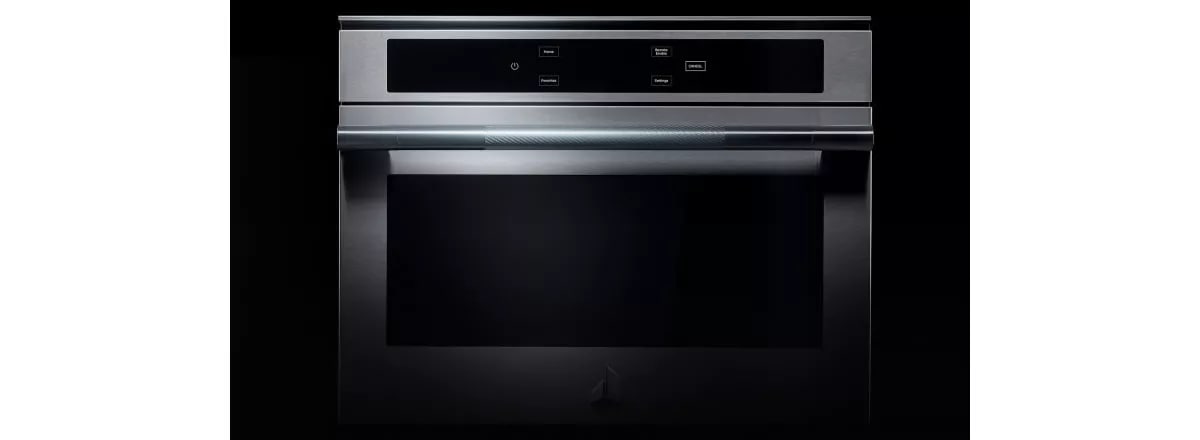
Where To Find Size Information
Size information is crucial for fitting a wall oven. You can find this data in several reliable places.
Credit: www.jennair.com
Frequently Asked Questions
How Do You Measure The Size Of A Wall Oven?
Wall ovens are measured by their exterior width, height, and depth. The most common sizes are 24, 27, and 30 inches wide. Accurate measurements ensure the oven fits perfectly within the cabinet space.
What Dimensions Affect Wall Oven Installation?
Key dimensions include the oven’s width, height, depth, and cutout size. Proper measurements prevent installation issues and allow for adequate ventilation. Always check manufacturer specifications before purchasing.
Why Is Oven Cavity Size Important?
The oven cavity size determines cooking capacity. Larger cavities fit bigger dishes and multiple trays. Knowing this helps buyers choose ovens that match their cooking needs.
How Do Standard Wall Oven Sizes Vary?
Standard wall ovens come in 24, 27, and 30-inch widths. Heights and depths can vary slightly by model. Understanding these standards helps match ovens with existing cabinetry.
Conclusion
Measuring wall ovens helps you find the right fit for your kitchen. Check both the oven’s height and width carefully. Don’t forget to measure the depth too. These numbers matter for installation and use. Knowing how to measure avoids costly mistakes later.
Always take your time with measurements. This way, you get an oven that works well and looks good. Simple steps make the process easier for everyone. Now you can choose confidently.