If you rely on a hydronic heating system to keep your home warm, then the water pump inside it is one of the most important parts to keep an eye on. But how do you know if your water pump is working the way it should?
Checking your water pump might sound complicated, but with the right steps, you can quickly spot issues before they turn into costly repairs. You’ll learn simple and effective ways to check your water pump, ensuring your heating system runs smoothly all winter long.
Keep reading to protect your comfort and save money!

Credit: www.reddit.com
Water Pump Basics
Water pumps are key parts of hydronic heating systems. They move hot water through pipes to warm spaces. Checking these pumps helps keep the system working well and safe.
Understanding how water pumps work can help you spot problems early. This guide covers basic facts about these pumps and how to check them.
Purpose Of Water Pumps
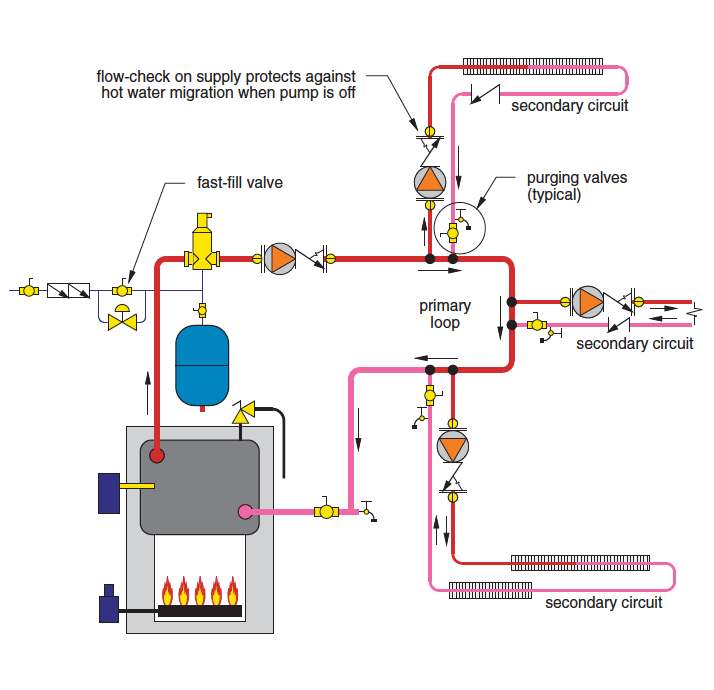
Water pumps push heated water from the boiler to radiators or underfloor pipes. This flow spreads heat evenly across rooms. Without pumps, water would not circulate properly.
Types Of Water Pumps
There are different water pumps used in hydronic heating. The common types include:
- Circulator pumps, which move water in small loops.
- Booster pumps, which increase water pressure.
- Variable speed pumps, which adjust flow based on demand.
Key Parts Of A Water Pump
| Part | Function |
|---|---|
| Impeller | Pushes water through the system |
| Motor | Drives the impeller |
| Shaft | Connects motor and impeller |
| Seal | Prevents water leaks |
Signs Of A Faulty Water Pump
Check the pump if you notice these issues:
- Unusual noises like grinding or squealing
- Water leaks near the pump
- Inconsistent heating in rooms
- Pump not running or stopping often
- Vibration or shaking of the pump
Common Issues In Water Pumps
Water pumps are key parts of hydronic heating systems. They move hot water through pipes to warm spaces. Checking these pumps often helps keep the system working well.
Problems in water pumps can cause the whole heating system to fail. Knowing what to look for saves time and money on repairs.
Pump Noise And Vibration
Strange noises or strong vibrations often mean the pump is not working right. This can happen if the pump is loose or has worn parts. It can also show that air is trapped inside the pump.
Leaks And Water Damage
Leaks around the pump seals or pipes can cause water damage. Leaks reduce water pressure and lower the pump’s efficiency. Regular inspection helps catch leaks early.
Pump Not Circulating Water Properly
If the pump does not move water well, the heating system may not warm rooms evenly. Causes include clogged filters, blocked pipes, or a broken impeller inside the pump.
- Check and clean filters regularly.
- Inspect pipes for blockages or damage.
- Test the pump impeller for wear or breakage.
Electrical Problems
Electrical faults can stop the pump from running. Issues like blown fuses, faulty wiring, or motor failure are common. Always turn off power before inspecting electrical parts.
| Issue | Possible Cause | How to Check |
| Pump Noise | Loose parts or air in pump | Listen for sounds, check mountings |
| Leakage | Damaged seals or pipes | Inspect seals and joints visually |
| Poor Circulation | Clogged filters, blocked pipes | Clean filters, check pipe flow |
| No Power | Electrical faults | Test fuses, wiring, motor |
Pre-check Preparations
Checking water pumps in hydronic heating systems requires careful preparation. Proper steps ensure safety and accuracy during inspection.
This guide covers important safety measures and tools needed before starting the check.
Safety Measures
Safety is the top priority before inspecting water pumps. Follow these rules to avoid accidents and damage.
- Turn off the power supply to the heating system.
- Allow the system to cool down to prevent burns.
- Wear protective gloves and safety glasses.
- Check for any leaks or water on the floor to prevent slips.
- Ensure proper ventilation in the work area.
Necessary Tools
Gather the right tools before starting the pump check. This helps complete the task efficiently and safely.
| Tool | Purpose |
|---|---|
| Multimeter | Check electrical connections and voltage |
| Wrench set | Remove or tighten pump fittings |
| Flashlight | Inspect dark or hidden areas |
| Pressure gauge | Measure system pressure |
| Bucket | Catch any leaking water |

Credit: www.pmmag.com
Visual Inspection
Visual inspection is a key step in checking water pumps in hydronic heating systems. It helps find problems early and keeps the system running smoothly.
This guide covers how to spot leaks and assess wear and tear on the pump. Both checks are simple but important for maintenance.
Checking For Leaks
Look carefully around the pump for any signs of leaking water. Leaks can cause damage and reduce system efficiency.
- Inspect seals and joints for wetness or corrosion.
- Check the pump casing for cracks or rust spots.
- Look under the pump for puddles or dampness.
- Observe pipe connections for dripping or moisture.
- Examine the pressure relief valve area for leaks.
Assessing Wear And Tear
Wear and tear can reduce pump life and cause breakdowns. Watch for visible damage or unusual signs on the pump parts.
| Component | Signs of Wear | What to Do |
| Impeller | Broken or bent blades | Replace or service immediately |
| Bearings | Noisy or stiff movement | Lubricate or replace |
| Shaft | Rust or wobbling | Inspect and repair |
| Seal | Cracked or dry | Replace seal to avoid leaks |
Pump Performance Test
Checking water pumps in hydronic heating systems ensures they work properly. A pump performance test helps find issues early.
This test measures how well the pump moves water and handles pressure. It keeps the heating system efficient and safe.
Flow Rate Measurement
Flow rate shows how much water the pump moves in a set time. Measuring this rate helps confirm the pump works at full capacity.
To measure flow rate, use a flow meter or check system gauges. Compare results to the pump’s rating to find any drop in performance.
- Attach a flow meter to the pump outlet
- Turn on the pump and record the flow rate
- Compare the flow rate with manufacturer data
- Check for blockages or leaks if flow is low
Pressure Testing
Pressure testing checks how well the pump handles water pressure. It helps find leaks or weak spots in the system.
Use pressure gauges to measure inlet and outlet pressure. Look for differences that show the pump is working correctly or needs repair.
- Install pressure gauges before and after the pump
- Run the pump and note the pressure readings
- Calculate the pressure difference across the pump
- Compare with pump specifications to check performance

Credit: jmpcoblog.com
Electrical Component Check
Checking the electrical parts of water pumps in hydronic heating systems is important. It helps keep the system running smoothly and safely.
This check mainly looks at the motor and wiring. Both parts must work well for the pump to function.
Motor Functionality
Start by testing the motor to see if it runs correctly. Listen for strange noises or vibrations.
- Use a multimeter to check the motor’s resistance.
- Look for overheating signs like burnt smells.
- Verify the motor shaft turns freely without obstruction.
- Check the motor’s amperage draw matches the pump specs.
Wiring And Connections
Inspect all wiring and connections for damage or looseness. Faulty wiring can cause pump failure or hazards.
| Check Point | What to Look For | Action Needed |
|---|---|---|
| Wire Insulation | Cracks, wear, or burns | Replace damaged wires |
| Connections | Loose or corroded terminals | Tighten or clean terminals |
| Grounding | Proper and secure ground wire | Fix or add grounding if missing |
| Control Switches | Functionality and contacts | Repair or replace faulty switches |
Maintenance Tips
Checking water pumps in hydronic heating systems is important for good performance. Proper care helps avoid breakdowns and keeps the system running smoothly.
Regular maintenance includes cleaning and lubrication. These steps help extend the pump’s life and improve efficiency.
Regular Cleaning
Cleaning the water pump removes dirt and debris that can block parts. This keeps the pump working well and prevents damage.
Check the pump casing, impeller, and inlet for any buildup. Use a soft brush or cloth to clean these areas carefully.
- Turn off the power before cleaning
- Remove debris from pump parts
- Inspect seals and gaskets for damage
- Clean inlet screens to avoid clogging
Lubrication Practices
Lubricating the pump reduces friction and wear on moving parts. This keeps the pump running quietly and lasts longer.
Use the right lubricant recommended by the pump manufacturer. Apply it to bearings and shafts regularly as part of your maintenance routine.
- Check lubrication points on the pump
- Use proper grease or oil type
- Do not over-lubricate to avoid leaks
- Follow the pump’s maintenance schedule
Troubleshooting Common Problems
Water pumps in hydronic heating systems can face issues that affect their performance. Checking these pumps regularly helps keep the heating system working well.
This guide covers two common problems: noise and overheating. Understanding these issues can help you find the right fix.
Noise Issues
Noises from a water pump often signal a problem inside the system. These sounds can range from humming to grinding or banging.
- Check for air trapped in the pump or pipes. Air can cause rattling or banging noises.
- Inspect the pump bearings. Worn bearings can create grinding or whining sounds.
- Look for debris or dirt inside the pump. Foreign objects may cause clanking noises.
- Ensure the pump is mounted securely. Loose mounts can cause vibrations and noise.
- Verify the pump speed setting. Too high a speed may cause excessive noise.
Overheating Solutions
Overheating can damage the water pump and reduce system efficiency. It is important to identify causes and fix them quickly.
| Cause | Fix |
| Low water flow | Clear blockages and check valves |
| Electrical issues | Test wiring and replace faulty parts |
| Faulty pump motor | Repair or replace the motor |
| Overuse without rest | Allow the pump to cool and reduce run time |
| Incorrect pump size | Install a pump that matches system needs |
Frequently Asked Questions
How Do You Test A Water Pump In Hydronic Systems?
To test a water pump, check for unusual noises and vibrations. Inspect the pump’s pressure and flow rate. Ensure the motor runs smoothly and the pump circulates water efficiently throughout the system.
What Signs Indicate A Failing Hydronic Water Pump?
Common signs include strange noises, reduced water flow, and uneven heating. Also, check for leaks, overheating, or a pump that won’t start. Early detection prevents costly repairs and system downtime.
How Often Should Hydronic Heating Water Pumps Be Checked?
Water pumps should be inspected at least once a year. Regular maintenance ensures optimal performance and extends the pump’s lifespan. Frequent checks help identify issues early.
Can Water Pump Issues Affect Hydronic Heating Efficiency?
Yes, pump problems reduce water circulation, causing uneven heating. Inefficient pumps increase energy use and raise heating costs. Proper maintenance keeps systems running efficiently.
Conclusion
Checking water pumps in hydronic heating systems keeps them working well. Regular checks find problems early and save money. Look at the pump’s noise, flow, and temperature for clues. Simple tools help spot issues fast. Keeping pumps in good shape means warm rooms and low energy bills.
Routine care avoids big repairs later. Remember, a healthy pump is key to a cozy home all winter long.