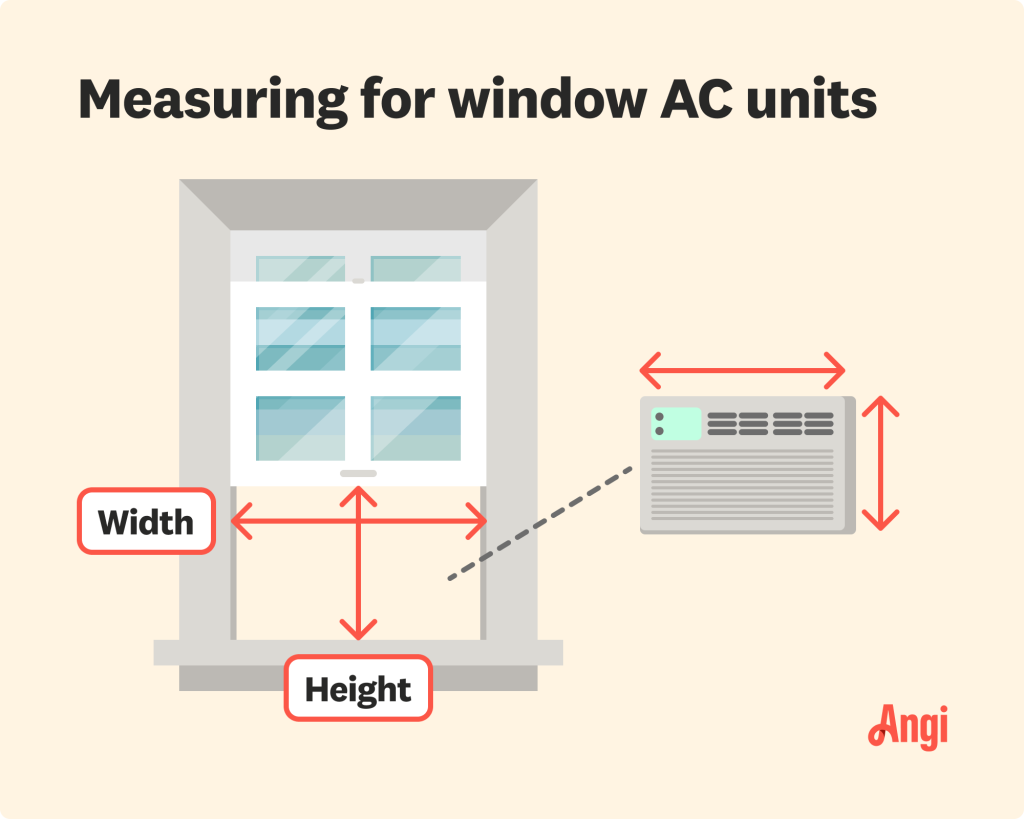
Are you wondering how big an air conditioner you really need to keep your space cool and comfortable? Choosing the right size matters more than you might think.
Too small, and your room stays hot; too big, and you waste energy and money. You’ll discover simple ways to figure out the perfect air conditioner size for your home or office. Keep reading—finding the ideal fit is easier than you expect, and it can save you a lot of hassle down the road.
Credit: www.furnaceprices.ca
Factors Affecting Ac Size
Choosing the right size air conditioner is important. A unit that is too big or too small will not cool well.
Several factors affect how big your air conditioner should be. These help you find the best fit for your space.
Room Dimensions
The size of your room is a key factor. Larger rooms need bigger air conditioners to cool the space properly.
Measure the length and width of your room to find the total square footage. This helps estimate the cooling power needed.
Ceiling Height
Higher ceilings mean more air volume to cool. Rooms with tall ceilings require stronger AC units.
Standard calculations assume 8-foot ceilings. Add extra cooling capacity if your ceilings are higher.
Insulation Quality
Good insulation keeps cool air inside and heat outside. Poor insulation makes your AC work harder.
Better insulated rooms need less cooling power. Check walls, windows, and doors for insulation quality.
Window Exposure
Windows let heat enter from the sun. South and west-facing windows increase room temperature more.
Rooms with many or large windows may need bigger AC units to handle the added heat.
Occupant Count
People produce body heat that warms the room. More occupants mean more heat inside.
Increase your AC size if many people use the room regularly. This keeps the space comfortable.
Heat-generating Appliances
Appliances like computers, ovens, and lights give off heat. This adds to the room’s temperature.
Consider extra cooling power if your room has many heat-generating devices.
Measuring Your Space
Knowing the size of your room helps you pick the right air conditioner. A unit that fits well cools better and saves energy.
Start by measuring your room carefully. This will guide you in choosing the right size air conditioner for comfort.
Calculating Square Footage
Measure the length and width of your room in feet. Multiply these two numbers to get the square footage.
Square footage shows the floor space. It helps estimate the cooling power you need.
- Length (ft) × Width (ft) = Square Footage (sq ft)
- Example: 12 ft × 15 ft = 180 sq ft
- Use a tape measure for accuracy
Estimating Cubic Feet
Measure the height of your room in feet. Multiply height by the square footage to get cubic feet.
Cubic feet shows the total air volume. It helps understand how much air needs cooling.
- Square Footage × Height (ft) = Cubic Feet (cu ft)
- Example: 180 sq ft × 8 ft = 1,440 cu ft
- Taller rooms may need stronger units
Using Room Shape For Accuracy
Rooms with odd shapes need extra care when measuring. Divide the room into smaller rectangles or squares.
Calculate each part’s square footage and add them. This gives a more accurate total size.
- Break irregular rooms into simple shapes
- Measure each shape separately
- Add all areas for total square footage
Cooling Capacity Explained
Choosing the right air conditioner size is important for comfort. The cooling capacity tells how well the unit can cool a room.
This guide explains cooling capacity, BTU, and how to pick the right size for your space.
What Is Btu?
BTU stands for British Thermal Unit. It measures how much heat an air conditioner can remove in an hour.
The higher the BTU, the more cooling power the unit has. This number helps match the AC to room size.
Btu Requirements By Room Size
Different rooms need different BTU levels. Larger rooms need more BTUs for good cooling.
| Room Size (sq ft) | BTU Needed |
|---|---|
| 100 – 300 | 5,000 – 6,000 |
| 300 – 500 | 7,000 – 8,000 |
| 500 – 700 | 9,000 – 12,000 |
| 700 – 1,000 | 12,000 – 14,000 |
| 1,000 – 1,200 | 14,000 – 18,000 |
Use this table to pick an air conditioner with the right BTU for your room size.
Energy Efficiency Ratings
Energy efficiency shows how well an AC uses electricity to cool. Higher efficiency means lower power bills.
Look for the SEER or EER rating. These numbers tell how much cooling you get per energy unit.
- SEER stands for Seasonal Energy Efficiency Ratio
- EER means Energy Efficiency Ratio
- Higher ratings save money and reduce energy use
- Efficient units cool better with less power
Types Of Air Conditioners
Choosing the right air conditioner depends on your space and needs.
Different types offer various cooling capacities and installation methods.
Window Units
Window units fit in a window frame and cool single rooms. They are easy to install and affordable. These units are good for small spaces or apartments.
Split Systems
Split systems have two parts: an indoor unit and an outdoor compressor. They cool larger areas quietly and efficiently. Installation requires mounting the indoor unit on a wall.
Portable Acs
Portable air conditioners are movable and do not need permanent installation. They come with a hose to vent hot air outside. These units are flexible but less powerful.
- Easy to move between rooms
- Require window access for venting
- Best for temporary cooling
- Lower cooling capacity than fixed units
Central Air Systems
Central air systems cool an entire home using ducts. They keep air consistent and remove humidity well. These systems need professional installation and work best in larger houses.
| Type | Cooling Area | Installation | Mobility |
| Window Units | Single room | Window frame | Fixed |
| Split Systems | Multiple rooms | Wall mount | Fixed |
| Portable ACs | Single room | Vent hose to window | Mobile |
| Central Air Systems | Whole house | Ductwork | Fixed |
Matching Ac Size To Room
Choosing the right air conditioner size is key for comfort and energy savings.
An AC too big or small will not cool your room properly or waste energy.
Sizing Charts And Tools
Use sizing charts to estimate the right AC size based on room area.
| Room Size (sq ft) | AC Capacity (BTU/hr) |
| 100 – 150 | 5,000 – 6,000 |
| 150 – 250 | 6,000 – 8,000 |
| 250 – 350 | 8,000 – 10,000 |
| 350 – 450 | 10,000 – 12,000 |
| 450 – 550 | 12,000 – 14,000 |
Online calculators also help by asking for room details and sunlight exposure.
Avoiding Oversized Units
Oversized AC units cool rooms too fast and turn off quickly.
- They waste energy with frequent stops and starts.
- They do not remove enough humidity, making rooms feel damp.
- They cause uneven cooling and wear out faster.
Risks Of Undersized Units
Small AC units run constantly trying to cool big rooms.
- They use more electricity and raise your bills.
- They fail to keep the room comfortable.
- They strain and shorten the AC’s life span.
Additional Considerations
Choosing the right size air conditioner is more than just room size. Other factors affect your cooling needs.
Think about your local climate, how you use the room, and any future changes to the space.
Climate Impact
The weather where you live changes how big your air conditioner should be. Hotter places need bigger units.
If your area is humid, your air conditioner also removes moisture. This needs more cooling power.
- Hot, dry climate: Focus on cooling capacity
- Hot, humid climate: Consider extra moisture removal
- Mild climate: Smaller unit may work well
Usage Patterns
How often and when you use the room affects your air conditioner size. Full-time use needs more power.
If you only use the room sometimes, a smaller unit might be enough and save energy.
- Room used all day: Choose a larger unit
- Room used a few hours: Smaller unit works
- High activity: More cooling power needed
- Low activity: Less cooling power needed
Future Room Changes
Think about changes in the room size or use before buying. Bigger rooms need bigger air conditioners.
If you plan to add windows or appliances, these add heat and may need a larger unit.
- Room expansion: Increase air conditioner size
- New windows: Add cooling capacity
- Extra heat sources: Choose bigger unit
- Changing room use: Adjust cooling needs
Installation Tips
Choosing the right size air conditioner is important for comfort and efficiency. Proper installation helps your unit work well and last longer.
This guide covers where to place your air conditioner, deciding between professional help or DIY, and basic maintenance tips.
Optimal Placement
Place your air conditioner where it can cool the room evenly. Avoid direct sunlight and heat sources nearby.
- Install the unit high on a wall for better air circulation
- Keep it away from windows with direct sun exposure
- Ensure there is enough space around the unit for airflow
- Do not block vents with furniture or curtains
Professional Vs Diy
Decide if you want to hire a professional or install the air conditioner yourself. Both have pros and cons.
| Aspect | Professional Installation | DIY Installation |
| Cost | Higher | Lower |
| Time | Faster | Slower |
| Skill Needed | Provided | Required |
| Warranty | Usually Included | May Void Warranty |
Maintenance Basics
Keep your air conditioner working well with regular maintenance. Clean filters and check for damage often.
- Clean or replace air filters every 1-2 months
- Clear debris from outdoor units
- Check for leaks or unusual noises
- Schedule professional servicing yearly
Credit: www.drezaircon.com

Credit: fireandairaz.com
Frequently Asked Questions
How Do I Calculate Ac Size For My Room?
Measure your room’s length, width, and height. Multiply these to get cubic feet. Use this to find the BTU needed for cooling. This ensures the AC size matches your room’s cooling requirements.
What Btu Rating Suits A 500 Sq Ft Room?
A 500 sq ft room typically needs an AC with 12,000 to 14,000 BTUs. This rating efficiently cools the space without wasting energy or underperforming.
Why Is Proper Ac Size Important?
The right AC size ensures efficient cooling, saves energy, and reduces wear. An oversized unit wastes power, while an undersized one struggles to cool properly.
Can I Use A Small Ac In A Large Room?
Using a small AC in a large room causes poor cooling and higher energy bills. It will run longer and wear out faster, reducing its lifespan.
Conclusion
Choosing the right air conditioner size matters. It affects cooling efficiency and energy bills. Measure your room space first. Consider factors like sunlight, ceiling height, and room insulation. These influence cooling needs. Use a BTU calculator for accuracy. Don’t guess; it’s costly.
Consult professionals if unsure. They offer expert advice. Remember, too big or too small isn’t good. Balance is key for comfort. A well-sized unit keeps your home cool. It also saves money in the long run. Stay cool and energy-efficient with the right air conditioner size.