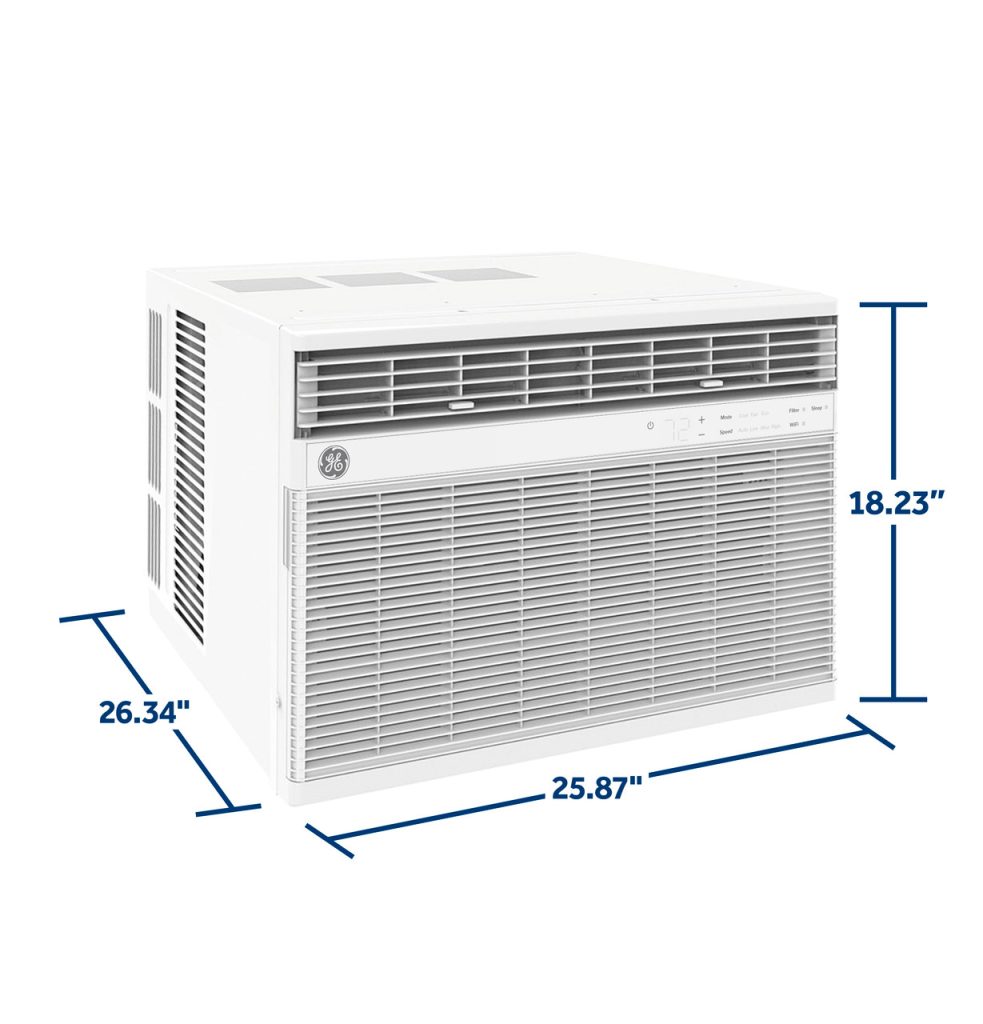
Are you wondering how big an air conditioner you need for your 1000 square feet space? Choosing the right size matters more than you think.
Too small, and your room stays hot and uncomfortable. Too big, and you waste money on high bills without even feeling cooler. You’ll discover the perfect air conditioner size that keeps your space just right—cool, efficient, and budget-friendly. Keep reading to find out exactly what works best for your home or office!
Credit: www.walmart.com
Sizing Your Air Conditioner
Choosing the right size air conditioner is important to cool your home effectively. An air conditioner that is too small will not cool well. One that is too big will waste energy.
This guide helps you understand how to size an air conditioner for a 1000 square feet area. It covers calculating cooling power, factors that affect cooling, and room layout impact.
Calculating Btu Requirements
BTU stands for British Thermal Unit. It measures cooling power. To size an air conditioner, you need to know how many BTUs are needed for your space.
- For 1000 square feet, start with 20 BTUs per square foot.
- Multiply 1000 by 20 to get 20,000 BTUs.
- This is the base cooling power needed.
Factors Affecting Cooling Load
Several factors change the cooling load. They can increase or decrease the BTU needs. It is important to consider these to size your AC correctly.
| Factor | Effect on Cooling Load |
|---|---|
| Number of windows | More windows increase heat gain |
| Sun exposure | Rooms facing sun need more cooling |
| Insulation quality | Better insulation reduces cooling load |
| Number of occupants | More people add heat |
| Appliances | Devices generate heat indoors |
Impact Of Room Layout
The layout of your rooms affects air flow and cooling. Open layouts allow air to move freely. Closed or divided rooms may need more power.
- Large open spaces cool evenly with fewer BTUs.
- Many small rooms need more cooling power.
- High ceilings increase the space to cool.
- Furniture placement can block air flow.
Types Of Air Conditioners
Choosing the right air conditioner for 1000 square feet depends on your needs. Different types fit different spaces and budgets.
This guide explains three common types of air conditioners. Each has features that suit certain rooms and preferences.
Window Units
Window units are popular for cooling single rooms. They are installed in a window or a hole in the wall.
These units are easy to set up and affordable. They work well for small to medium rooms.
- Usually cool one room or area
- Simple to install and remove
- Cost-effective for small spaces
- Requires a window for installation
Split Systems
Split systems have two parts: an indoor unit and an outdoor unit. They connect through pipes and wires.
They cool larger areas or whole homes. Split systems are quieter and more efficient than window units.
- Indoor and outdoor components
- Can cool multiple rooms
- Quieter operation than window units
- Higher installation cost
Portable Options
Portable air conditioners can be moved from room to room. They do not need permanent installation.
These units are flexible but less powerful. They work best in small spaces or temporary setups.
- Easy to move and store
- No window installation needed
- Less efficient for large rooms
- Requires venting through a window
Energy Efficiency And Cost
Choosing the right size air conditioner for 1000 square feet is important. It affects how much energy you use and the cost to run it.
Energy efficiency helps save money on bills. It also keeps your home cool without wasting power.
Seer Ratings Explained
SEER stands for Seasonal Energy Efficiency Ratio. It shows how well an air conditioner cools using less electricity.
The higher the SEER number, the better the unit uses energy. A unit with a SEER of 16 uses less power than one with 13.
- SEER 13 to 15: Standard efficiency
- SEER 16 to 20: High efficiency
- SEER above 20: Very high efficiency
Estimating Operating Costs
Operating cost depends on the AC size, SEER rating, and your local electricity rate. Bigger units use more power.
For 1000 square feet, a 1.5 to 2-ton AC is common. Calculate cost by dividing the cooling capacity by SEER and multiplying by hours used.
| AC Size | SEER Rating | Estimated Monthly Cost |
|---|---|---|
| 1.5 Ton | 13 | $80 |
| 1.5 Ton | 16 | $65 |
| 2 Ton | 13 | $105 |
| 2 Ton | 16 | $85 |
Costs vary by electricity rates and usage hours.
Energy Saving Tips
Use a programmable thermostat to control temperature. Set it higher when you are not home.
Seal windows and doors to keep cool air inside. Use fans to help circulate air.
- Close curtains during hot days
- Clean or replace AC filters regularly
- Use ceiling fans to reduce AC load
- Maintain your AC unit for best performance
Installation Considerations
Choosing the right air conditioner size for 1000 square feet is important. Proper installation helps the unit work efficiently.
Several factors affect installation. These include where you place the unit and the ductwork needed.
Proper Placement
Place the air conditioner in a shaded area to improve cooling. Avoid direct sunlight and heat sources.
Ensure there is enough space around the unit for airflow and maintenance access. This helps the unit last longer.
Ductwork Needs
Good ductwork is key to cool air reaching every room. Leaks or poor design reduce efficiency.
Check ducts for damage before installation. Proper sealing and insulation keep air cold and save energy.
- Inspect ducts for holes or cracks
- Seal gaps with mastic or metal tape
- Insulate ducts in unconditioned spaces
- Keep ducts short and direct when possible
Professional Vs Diy
Professional installation ensures the air conditioner is set up correctly and safely. Experts know local codes and standards.
DIY installation may save money but risks mistakes. Incorrect setup can cause poor cooling and higher bills.
- Professionals handle electrical and refrigerant work
- DIY can be hard without experience
- Professional work often includes warranty
- DIY requires careful reading of manuals
Maintenance Tips
Maintaining your air conditioner helps it run smoothly and last longer. Simple care can save you money on repairs.
Here are key maintenance tips for your air conditioner sized for 1000 square feet.
Filter Cleaning
Cleaning the filter keeps air flowing well and improves cooling. Dirty filters make the system work harder.
- Remove the filter from the unit carefully
- Wash it with warm water and mild soap
- Let it dry completely before putting it back
- Clean the filter every 1 to 2 months
Regular Inspections
Check your air conditioner often to catch small problems early. Look for leaks, strange noises, or weak cooling.
| Inspection Area | What to Check | Frequency |
| Coils | Clean and free of dirt | Every 6 months |
| Drain Line | Clear of clogs | Every 3 months |
| Fan | Running smoothly | Monthly |
| Thermostat | Working accurately | Every 6 months |
Troubleshooting Common Issues
If the air conditioner stops working right, try these quick fixes before calling a technician.
- Check if the power is on and the circuit breaker is not tripped
- Make sure the thermostat is set to the right temperature
- Clear any blockages around the outdoor unit
- Clean or replace the air filter if it looks dirty
- Listen for unusual sounds and note when problems occur
Credit: www.bestbuy.com
Choosing The Right Brand
Choosing a big air conditioner for 1000 square feet needs careful thought. The brand you pick affects the unit’s quality and reliability.
Good brands offer better cooling, energy efficiency, and longer service life. It is important to know which brands work best for this size.
Top Brands For 1000 Sq Ft
Some brands are known for their air conditioners that fit 1000 square feet well. They balance power and energy use effectively.
- LG – Known for energy-efficient models and quiet operation.
- Daikin – Offers durable units with strong cooling power.
- Samsung – Provides smart features and good warranty options.
- Carrier – Trusted for long-lasting and reliable air conditioners.
- Whirlpool – Focuses on affordable and efficient cooling solutions.
Warranty And Support
Check the warranty before buying an air conditioner. A good warranty covers parts and labor for several years.
Reliable customer support helps fix problems fast. Brands with strong support reduce your stress if the unit breaks down.
- Look for at least 5 years on compressor warranty.
- Check if the brand offers on-site service.
- See if customer support is available by phone or online.
- Read about how fast repairs usually happen.
Customer Reviews
Customer reviews show real experiences with air conditioner brands. They reveal common issues and how well the units cool.
Look for reviews on cooling efficiency, noise levels, and ease of installation. Pay attention to feedback on the brand’s support too.
- Positive reviews often mention good cooling and low electricity use.
- Negative reviews may point out noisy operation or frequent repairs.
- Many buyers comment on helpful or slow customer service.
- Check multiple websites for balanced opinions.
Credit: www.bestbuy.com
Frequently Asked Questions
What Size Air Conditioner Is Best For 1000 Sq Ft?
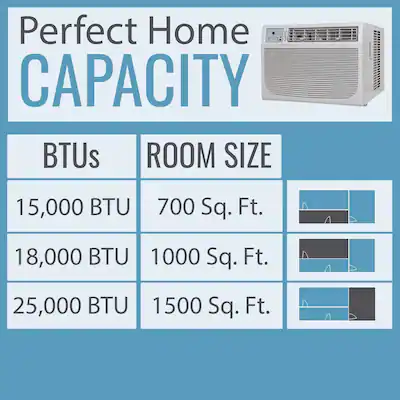
A 1. 5 to 2-ton air conditioner is ideal for 1000 sq ft. It provides efficient cooling without wasting energy. Proper sizing ensures comfort and cost savings.
How Many Btus Are Needed For 1000 Sq Ft?
You need approximately 12,000 to 24,000 BTUs for 1000 sq ft. BTU requirements depend on insulation, ceiling height, and sunlight exposure.
Can A 1.5-ton Ac Cool 1000 Sq Ft Efficiently?
Yes, a 1. 5-ton AC can cool 1000 sq ft efficiently if the space is well insulated. It balances energy use and cooling capacity.
What Factors Affect Ac Size For 1000 Sq Ft?
Insulation quality, ceiling height, window size, and sunlight exposure affect AC size. These factors influence the cooling load and energy efficiency.
Conclusion
Choosing the right air conditioner size keeps your home cool and saves energy. A big unit for 1000 square feet must match the room’s needs. Too large or too small can cause problems and waste power. Think about room layout, insulation, and sunlight too.
Proper sizing means better comfort and lower bills. Take time to measure and compare options carefully. This helps you pick the best air conditioner for your space. Stay cool without overspending or wasting energy. Simple steps make a big difference in your home comfort.