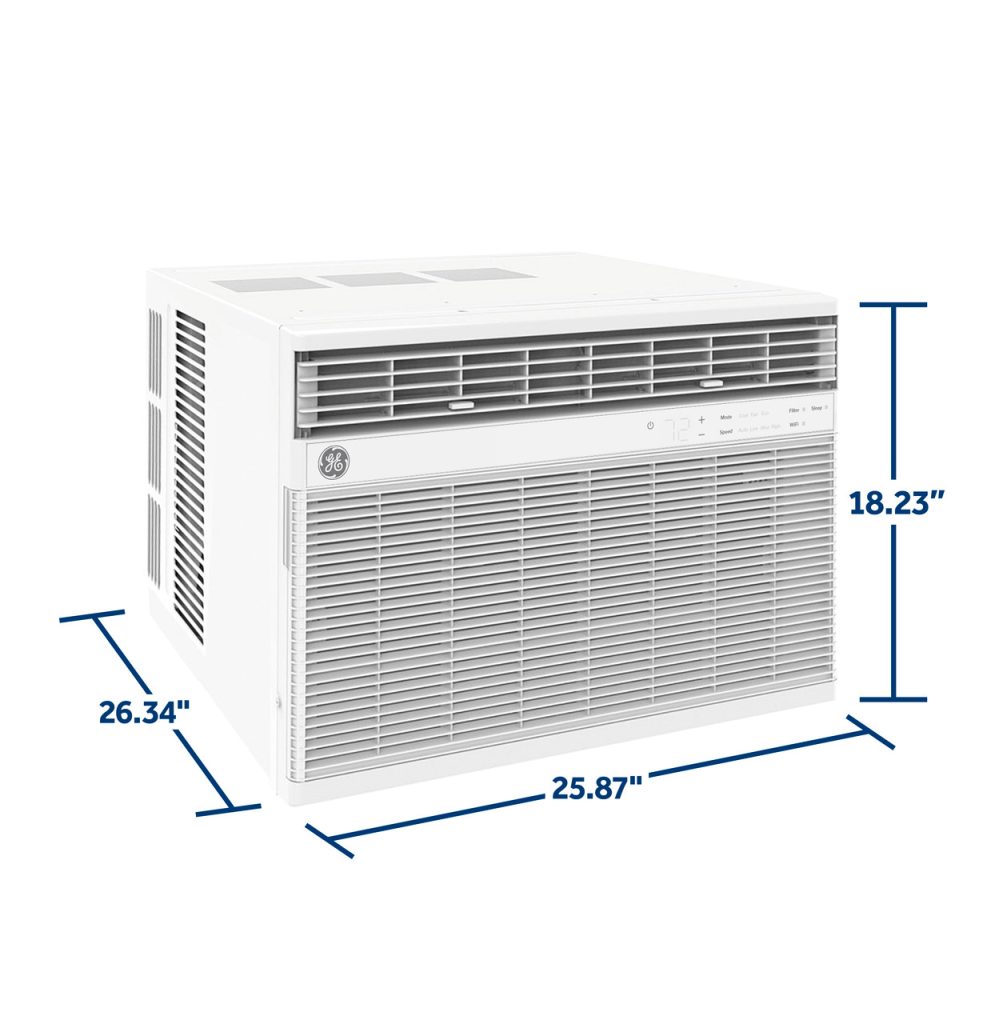
Are you struggling to keep your 1000 square feet space cool and comfortable? Choosing the right size air conditioner can make all the difference between a chilly oasis and a room that just won’t cool down.
If your AC is too small, it will run non-stop and spike your energy bills. Too big, and it will waste power while leaving your room feeling damp. You’ll discover exactly how to pick the perfect big air conditioner for your 1000 square feet area.
Keep reading, and you’ll learn simple tips to save money, stay cool, and enjoy your space like never before.
Credit: www.bestbuy.com
Choosing The Right Ac Size
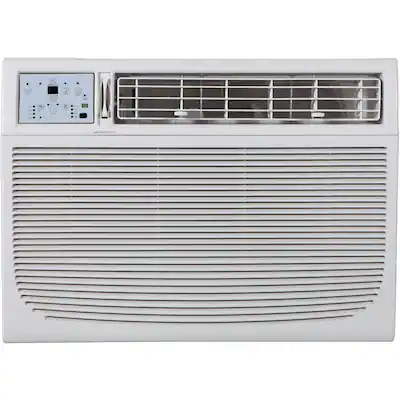
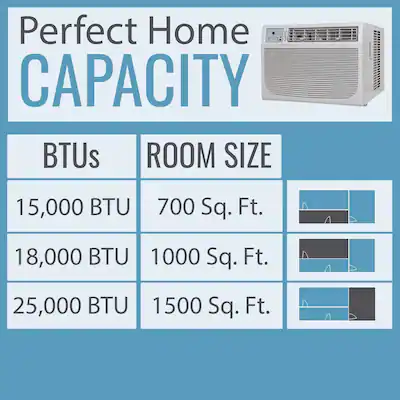
Choosing the right air conditioner sizeis key for a 1000 square feet space. An AC too small will struggle to cool the room. Too big will waste energy and money. The cooling capacity is measured in BTUs (British Thermal Units). For 1000 square feet, a unit with about 20,000 to 24,000 BTUsis often suitable.
Several factors affect the size you need:
- Room insulation quality
- Number of windows and sunlight exposure
- Ceiling height
- Number of people using the room
- Heat from appliances and lighting
| Area (sq ft) | Recommended BTUs |
|---|---|
| 1000 | 20,000 – 24,000 |
Cooling Capacity For 1000 Sq Ft
For a 1000 square feet area, the cooling capacityneeded is about 18,000 to 24,000 BTU. BTU means British Thermal Units, a measure of heat removal. A unit with this power can cool the space well.
| AC Size (Tons) | BTU | Area Covered (Sq Ft) |
|---|---|---|
| 1.5 Ton | 18,000 | 900 – 1100 |
| 2 Ton | 24,000 | 1100 – 1300 |
Room shape and sunlight affect cooling needs. Rooms with many windows or strong sun may need higher BTU. Closed or shaded rooms can use the lower end of BTU range. Always consider room layout before choosing.
Types Of Air Conditioners
Window unitsare small and fit in windows. They cool one room well. Easy to install and cost less. Best for small spaces and quick cooling.
Split systemshave two parts: inside and outside. Quiet inside, powerful outside. Good for cooling multiple rooms or bigger spaces.
Portable ACsmove from room to room. No installation needed. They need a window for the hot air pipe. Best for renters or temporary use.
Central air conditioningcools the whole house. Uses ducts to spread cool air. More expensive but very efficient for large spaces like 1000 square feet.
Credit: www.bestbuy.com
Energy Efficiency Considerations
SEER ratingsmeasure how efficiently an air conditioner cools a space. Higher SEER means better energy saving and lower electricity bills. Choose units with SEER 14 or above for good efficiency.
Energy Star certificationshows the unit meets strict energy-saving rules. These models use less power and help protect the environment. Look for this label to ensure energy efficiency.
- High SEER units lower utility bills significantly.
- Energy Star models can reduce electricity use by up to 15%.
- Efficient units cost less to run over time.
- Choosing the right size avoids extra energy waste.
Installation Tips
Place the air conditionerwhere air flows freely. Avoid spots near direct sunlight or heat sources. Keep it away from doors and windows to stop cool air from escaping. Mount the unit at a height that spreads cool air well across the room.
Professional installationensures safety and correct setup. Experts know the right size and placement for your space. DIY installation might save money but risks poor performance and damage.
Regular maintenancekeeps the air conditioner running well. Clean or replace filters every 1-3 months. Check for leaks and clear debris from outdoor units. Schedule yearly professional check-ups for best results.
Credit: www.walmart.com
Budgeting For Your Ac
The initial costof a big air conditioner depends on the brand and type. Installation fees may add extra charges. Choosing energy-efficient models can cost more upfront but save money later.
Long-term savingscome from lower electricity bills. Regular maintenance keeps the AC running well and avoids costly repairs. Using a programmable thermostat can cut energy use.
| Warranty Type | Coverage | Benefits |
|---|---|---|
| Standard | 1-2 years parts and labor | Basic protection, low cost |
| Extended | Up to 5 years with added services | Longer coverage, peace of mind |
| Service Plans | Annual check-ups and repairs | Helps maintain efficiency |
Common Mistakes To Avoid
Choosing the wrong size air conditionercan cause many problems. An oversized unitcools too fast but leaves humidity high. An undersized unitstruggles to cool the space, wasting energy.
Good insulationkeeps cool air in and hot air out. Ignoring it means the AC works harder and costs more money. Check walls, windows, and doors for leaks.
- Regular maintenancekeeps the AC running well.
- Cleaning filters improves air flow and efficiency.
- Skipping maintenance can cause breakdowns and higher bills.
Frequently Asked Questions
What Size Air Conditioner Is Needed For 1000 Sq Ft?
A 24,000 BTU (2-ton) air conditioner is ideal for 1000 sq ft. This size cools efficiently without wasting energy or causing discomfort.
How To Calculate Ac Size For 1000 Square Feet?
Multiply the area by 20 BTU per square foot. For 1000 sq ft, 20,000 BTU is the base size needed for proper cooling.
Can A 1.5-ton Ac Cool 1000 Sq Ft Effectively?
A 1. 5-ton AC (18,000 BTU) may cool 1000 sq ft but may struggle in extreme heat. A 2-ton unit is generally better.
Does Insulation Affect Ac Size For 1000 Sq Ft?
Yes, poor insulation increases cooling needs, requiring a bigger AC. Good insulation helps maintain temperature, allowing a standard-sized unit to work efficiently.
Conclusion
Choosing the right air conditioner size is crucial for comfort. A unit that’s too small won’t cool efficiently. Too large, and it wastes energy. For 1000 square feet, consider a 20,000 BTU unit. This size ensures effective cooling. Energy efficiency matters too.
Look for high EER ratings. Proper installation is key to performance. Seek professional help if needed. Regular maintenance extends the unit’s life. Clean filters and check for leaks. Stay cool and save on energy bills. Make informed choices for a comfortable home environment.
Your comfort depends on the right decisions.