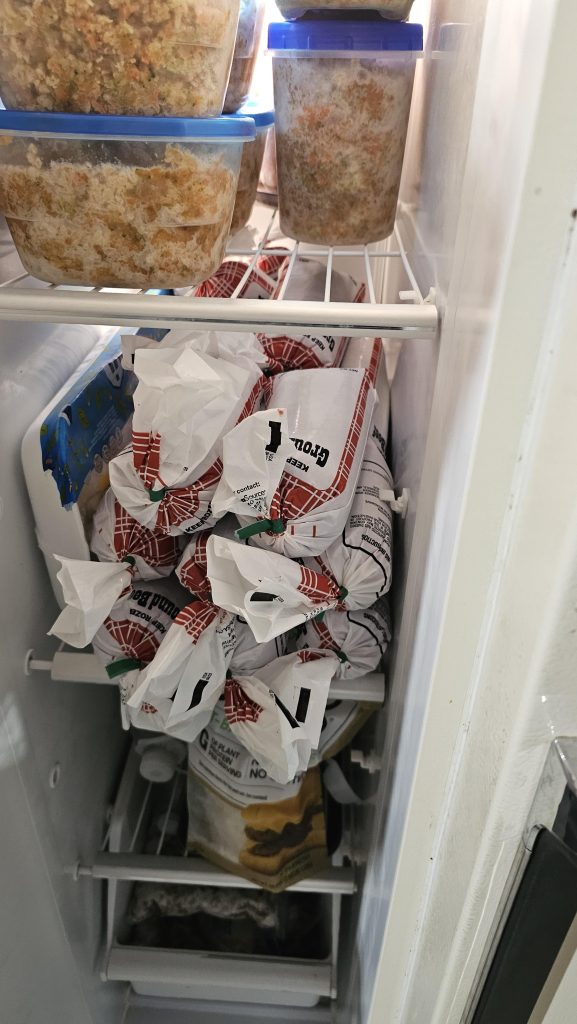
Imagine this: you’ve just invested in a quarter of a cow, filled with high-quality, delicious beef. But now comes the tricky part—how do you store it all?
You might be asking yourself, “How big of a freezer do I actually need for 1/4 cow? ” You’re not alone in this dilemma. Choosing the right freezer size is crucial. It ensures that your beef stays fresh, organized, and ready for whenever you need it.
In this guide, we’ll break down exactly what size freezer you need and why this decision is more important than you might think. Stick around to discover the perfect freezer for your needs and ensure your investment is stored perfectly.
Choosing The Right Freezer Size
Choosing the right freezer size is crucial when storing meat from a 1/4 cow. Too small, and you’ll struggle to fit everything without overcrowding. Too large, and you might waste energy and space. Understanding how much meat you have and your available space helps you make a smart choice.
Estimating Meat Volume From 1/4 Cow
A 1/4 cow usually yields around 100 to 150 pounds of meat, but this depends on the cow’s size and butchering style. You can expect various cuts like steaks, roasts, ground beef, and bones for broth.
On average, 1 pound of meat takes up about 0.5 to 0.6 quarts of freezer space. So, for 125 pounds, you’ll need roughly 60 to 75 quarts (15 to 19 gallons) of freezer space. This is a helpful figure to keep in mind when choosing your freezer size.
Freezer Capacity Options
Freezers come in various sizes, measured in cubic feet. Here’s a quick guide to what might work for your 1/4 cow:
- Chest freezers:Popular for large meat storage, sizes range from 5 to 20 cubic feet. A 15-cubic-foot model often fits a 1/4 cow comfortably.
- Upright freezers:Easier to organize but sometimes less space-efficient. A 12 to 15 cubic-foot upright freezer can also work.
Think about whether you want extra room for other items or future meat purchases. A freezer slightly larger than your current needs can save hassle later.
Space And Location Considerations
Before buying, measure the spot where you plan to place your freezer. Leave room around the unit for ventilation and easy door opening. Tight spaces can make loading and unloading difficult.
Also consider power outlets and floor strength. Freezers can be heavy, especially when full. Placing it in a cool, dry area helps maintain efficiency and prolongs its life.
Have you thought about seasonal changes? A garage might work well in winter but can cause the freezer to work harder in summer heat. Choose a location that keeps your freezer running smoothly year-round.
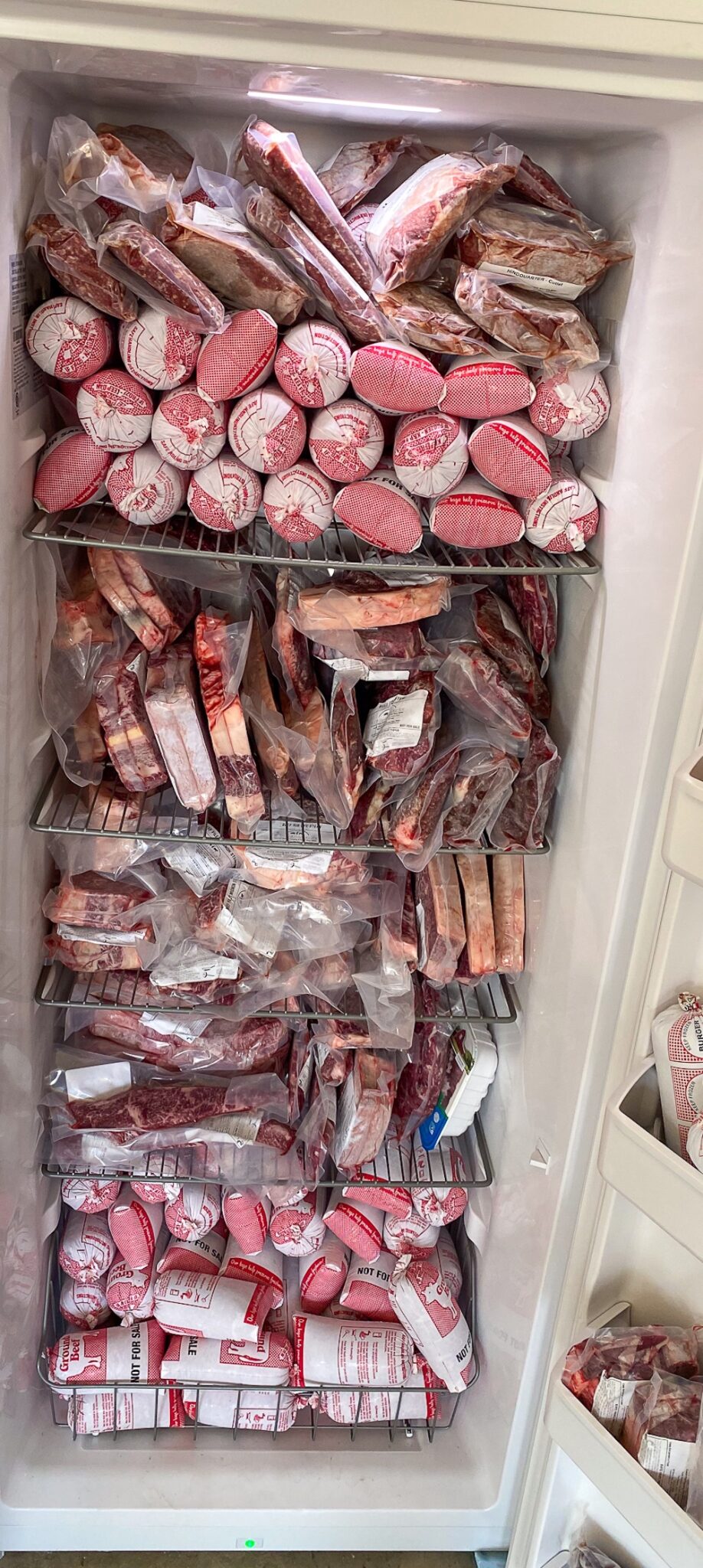
Credit: mytxkitchen.com
Types Of Freezers For Large Storage
Choosing the right freezer is key for storing a large amount of meat, like from one-fourth of a cow. Freezers come in different types, each with unique features. Understanding these types helps pick the best fit for your needs.
Large freezers offer ample space and keep meat fresh for months. Some models save energy, while others provide easy access. The choice depends on your storage space and how often you open the freezer.
Chest Freezers
Chest freezers open from the top, giving deep storage space. They keep cold air inside well, saving energy. These freezers are great for storing big cuts of meat. Organizing items can be harder, but baskets help keep things tidy. Chest freezers often cost less and last longer than other types.
Upright Freezers
Upright freezers open like a fridge door, making it easy to see everything inside. Shelves and drawers help organize meat by type or size. These freezers take up less floor space but need more room around them for door clearance. They may use more energy than chest freezers but offer better access.
Combination Models
Combination freezers mix chest and upright styles in one unit. They provide flexible storage options for different types of meat. Some have sections with different temperatures for various needs. These models are ideal for users who want both space and organization. They tend to be more expensive but very versatile.
Features To Look For
Choosing the right big freezer for storing 1/4 cow meat requires careful attention to specific features. These features ensure your meat stays fresh, safe, and well-organized. Understanding what to look for can save you time, money, and frustration.
Temperature Control And Stability
Precise temperature control is critical when freezing large quantities of meat. Look for freezers with adjustable thermostats that maintain a consistent temperature around -10°F to -20°F. Sudden temperature fluctuations can cause freezer burn and spoilage, so stability matters more than just the coldest setting.
Some models offer digital controls with alarms to alert you if temperatures rise unexpectedly. This feature can protect your investment by preventing unnoticed thawing. Ask yourself: How often will I monitor my freezer? Automated alerts can provide peace of mind if you’re busy or away.
Energy Efficiency
Big freezers consume significant electricity, making energy efficiency a top priority. Choose models with Energy Star certification or those that specify low power consumption. Efficient freezers reduce your utility bills and minimize environmental impact.
Consider freezers with thick insulation and high-quality seals, as these keep cold air in and warm air out. Energy-efficient compressors also help by running only when necessary. Would you rather pay more upfront for a quality freezer or face higher energy costs over time?
Defrosting Methods
Freezers come with manual, automatic, or frost-free defrost options. Manual defrost models require you to turn off and clean the freezer periodically, which can be time-consuming but often more energy efficient. Automatic and frost-free freezers reduce maintenance but might use more electricity.
Think about your schedule and willingness to perform maintenance. If you prefer convenience, a frost-free freezer may suit you better. However, if you want to maximize energy savings, manual defrost might be worth the effort.
Shelving And Organization
Proper shelving and organization make storing and accessing large cuts of meat easier. Look for adjustable shelves or removable baskets that accommodate bulky items without wasting space. Some freezers include dividers or compartments to separate different types of meat or batches.
Good organization helps you avoid digging through piles of frozen meat, reducing the risk of thawing during retrieval. How often will you access the freezer? If frequent, choose a model with easy-to-use storage options that fit your routine.
Preparing Meat For Freezing
Preparing meat for freezing is a crucial step when you have a big freezer for 1/4 cow. Proper preparation ensures your meat stays fresh, tasty, and safe to eat over time. It’s not just about putting meat in the freezer—you need to handle it carefully before freezing to keep its quality intact.
Butchering And Portioning
Cutting the meat into manageable portions makes thawing and cooking easier. Think about how you usually cook—do you prefer steaks, roasts, or ground meat? Portion your cuts accordingly to match your typical meals.
It’s smart to trim excess fat and remove bones if you prefer boneless cuts. This reduces freezer space and minimizes waste. Remember, smaller portions freeze faster and more evenly, which helps maintain freshness.
Packaging Techniques
Choosing the right packaging protects your meat from freezer burn and odors. Use airtight materials like vacuum-seal bags or heavy-duty freezer paper. Avoid plastic wrap alone—it doesn’t seal out air well.
Wrap each portion tightly, removing as much air as possible. Double wrapping can add extra protection, especially for long-term storage. Have you tried vacuum sealing? It can extend your meat’s freezer life significantly.
Labeling And Dating
Clear labeling saves you from guessing what’s inside each package later on. Use waterproof markers or printed labels to write the cut type and date of freezing. This helps you rotate stock and use older meat first.
Keeping a simple log or inventory list of your frozen meat can also be a game changer. It prevents forgotten packages and helps plan your meals efficiently. How often do you check your freezer’s contents before shopping?
Maintaining Your Freezer
Keeping your big freezer in good shape ensures your meat stays fresh longer. Regular care prevents odors and ice buildup. It also saves energy and extends the freezer’s life.
Cleaning Tips
Unplug the freezer before cleaning. Remove all items and store them in a cool place. Use a mix of warm water and mild soap for wiping. Avoid harsh chemicals that can damage surfaces. Clean door seals gently to keep them tight. Dry all surfaces completely before plugging the freezer back in.
Temperature Monitoring
Keep the freezer temperature at or below 0°F (-18°C). Use a freezer thermometer for accuracy. Check the temperature daily to catch any changes early. Adjust the thermostat if temperatures rise. Proper temperature prevents spoilage and freezer burn.
Handling Power Outages
Keep the freezer door closed during outages. This helps keep the cold air inside longer. Use dry ice or frozen gel packs for longer outages. Plan to use or cook the meat soon after power returns. Check the meat for signs of spoilage before use.
Maximizing Storage Efficiency
Maximizing storage efficiency in a big freezer for a quarter cow is vital. It helps keep meat fresh longer and makes it easy to find cuts. Proper storage saves space and reduces waste.
Good organization and smart packing keep your freezer neat. This way, you can store more meat without overcrowding. The following tips will help you use your freezer space wisely.
Organizing Meat Cuts
Sort meat by type and size. Keep steaks, roasts, and ground meat separate. Label packages clearly with cut names and dates. Group similar cuts together for quick access. Use shelves or bins to create zones inside the freezer.
Using Space-saving Containers
Choose containers that fit well in your freezer. Flat, stackable containers save more space than bulky ones. Vacuum-sealed bags reduce air and prevent freezer burn. Use airtight containers to keep meat fresh and odor-free. Avoid overfilling containers to allow proper freezing.
Rotation Strategies
Place newer meat at the back or bottom. Move older meat to the front or top. Use the “first in, first out” rule for freshness. Check dates regularly and consume older cuts first. Keep a list of stored items to track what you have easily.
Budgeting For A Large Freezer
Budgeting for a large freezer to store meat from one-fourth of a cow requires careful planning. You need to consider all the costs involved, not just the price tag on the freezer itself. Proper budgeting helps you avoid unexpected expenses that could disrupt your storage plans.
Initial Costs
The upfront price of a big freezer can vary widely based on size, brand, and features. You might spend anywhere from $500 to over $1,500 for a reliable model that can handle the volume of meat from 1/4 of a cow.
Don’t forget to budget for delivery fees, installation, and any necessary accessories like meat hooks or storage bins. Sometimes, choosing a freezer with energy-efficient settings might cost a bit more initially but save money later.
Operating Expenses
Electricity is the biggest ongoing cost. Large freezers run continuously to keep your meat frozen and safe, which can add significantly to your monthly power bill.
Check the freezer’s energy rating before buying. A model with a high energy efficiency rating can reduce your operating expenses over time.
Maintenance is another factor. Regular defrosting and occasional repairs keep the freezer running smoothly and avoid costly breakdowns.
Long-term Savings
Owning a large freezer can save you money in the long run by allowing you to buy meat in bulk at lower prices. You avoid frequent trips to the store and reduce food waste by freezing leftovers properly.
Think about how often you purchase meat and whether freezing large amounts fits your lifestyle. If you plan to store meat for months, the freezer pays for itself by preserving quality and freshness.
Have you considered how much you currently spend on convenience foods versus buying and freezing your own meat? This comparison might reveal hidden savings you hadn’t thought about before.

Credit: www.reddit.com

Credit: snakeriverfarms.com
Frequently Asked Questions
What Size Freezer Is Needed For 1/4 Cow Storage?
A freezer with at least 15 to 20 cubic feet capacity is ideal for storing 1/4 cow meat. This size ensures enough space for packaging and air circulation, keeping the meat fresh and well-preserved.
How Long Can 1/4 Cow Meat Be Stored In A Freezer?
Properly wrapped and stored, 1/4 cow meat can last 6 to 12 months in a freezer. Maintaining a constant temperature of 0°F (-18°C) preserves meat quality and prevents freezer burn.
What Type Of Freezer Is Best For Storing 1/4 Cow?
Chest freezers are preferred for 1/4 cow storage due to their energy efficiency and ample space. They maintain consistent temperatures and allow easy stacking of large meat packages.
How To Organize 1/4 Cow Meat Inside A Big Freezer?
Use clear, labeled vacuum-sealed bags to organize meat by cut and date. Arrange packages flat and stack neatly to maximize space and improve air circulation for even freezing.
Conclusion
Choosing the right big freezer for 1/4 cow helps keep meat fresh longer. It saves space and reduces waste. A freezer with good size and strong cooling works best. Always check energy use to save money. Proper storage keeps meat safe and tasty.
A good freezer protects your investment and makes life easier. Think about your needs and pick wisely. This way, you enjoy fresh meat whenever you want. Simple and smart.