Have you ever looked at a recipe and wondered, “How big is a full sheet pan?” Knowing the exact size can make a huge difference in your cooking and baking. Whether you’re prepping a family dinner or baking for a crowd, using the right pan helps your food cook evenly and turn out just right.
You’ll discover the standard dimensions of a full sheet pan and why it matters for your kitchen success. Keep reading to make your next meal easier and tastier!
Credit: www.nordicware.com
Full Sheet Pan Dimensions
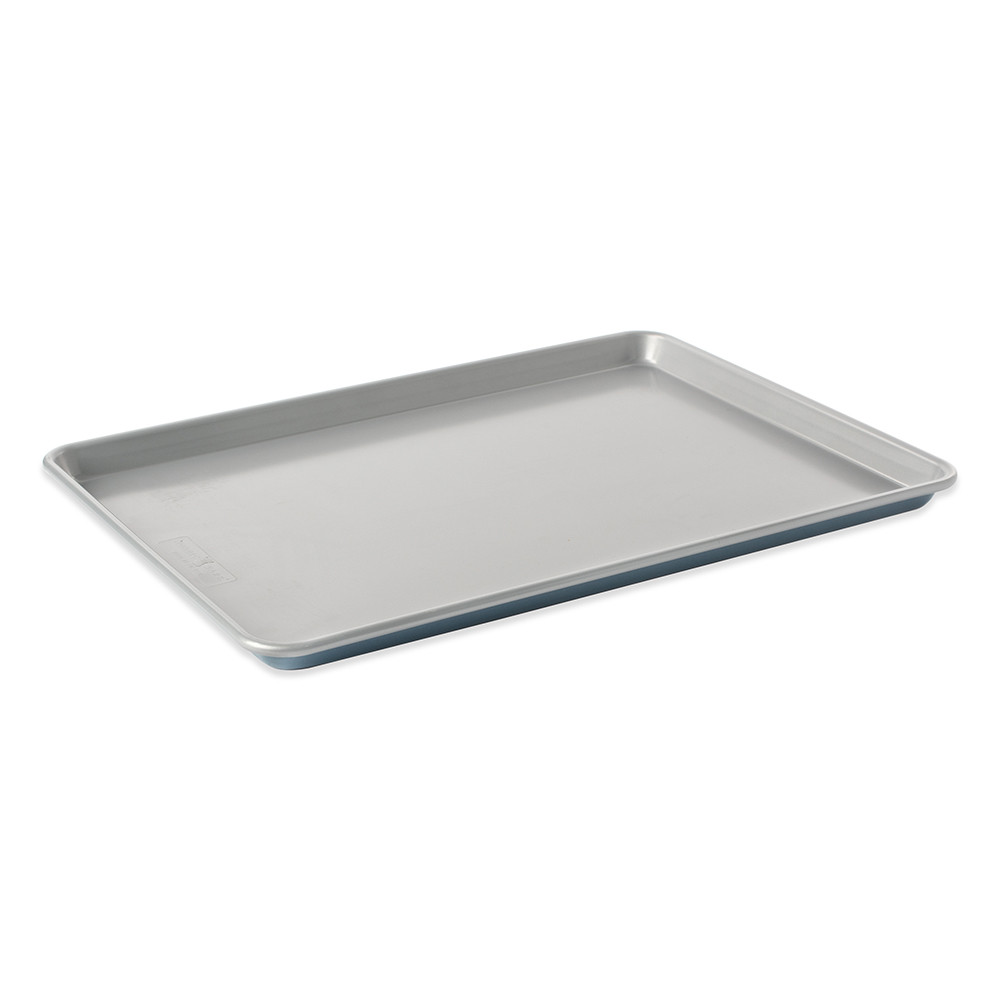
Full sheet pans are common in kitchens for baking and roasting. Knowing their size helps with cooking and storage.
This guide explains the main dimensions of a full sheet pan. It covers measurements, depth, and weight.
Standard Measurements
A full sheet pan usually measures 18 by 26 inches. This size is standard in many kitchens and bakeries.
The large surface area allows cooking many items at once. It fits well in commercial ovens.
Depth And Thickness
Depth varies from 1 to 2 inches for full sheet pans. This depth holds enough food without spilling.
Thickness affects heat distribution and durability. Thicker pans last longer but weigh more.
- Common depth: 1 inch (2.54 cm)
- Deeper pans: 2 inches (5.08 cm)
- Thickness: 0.5 mm to 1 mm
Weight Considerations
Weight depends on the pan’s material and thickness. Aluminum pans are lighter than steel ones.
Heavy pans can be hard to handle but often last longer. Choose a weight that fits your needs.
- Aluminum full sheet pan: about 4 to 6 pounds
- Stainless steel pan: about 6 to 8 pounds
- Thicker pans weigh more
Credit: www.amazon.ca
Comparison With Other Pan Sizes
Sheet pans come in different sizes for various cooking needs. Knowing the size helps you pick the right pan for recipes.
A full sheet pan is the largest common size used in kitchens. Let’s compare it with other popular sheet pan sizes.
Half Sheet Pans
Half sheet pans are half the size of full sheet pans. They measure about 18 by 13 inches.
These pans fit in most home ovens. They are easier to handle and store than full sheet pans.
- Size: 18″ x 13″
- Uses: Baking cookies, roasting vegetables
- Fits standard ovens
Quarter Sheet Pans
Quarter sheet pans are smaller than half sheet pans. They usually measure 9 by 13 inches.
These pans are great for small batches or individual servings. They are easy to store in tight spaces.
- Size: 9″ x 13″
- Uses: Baking small desserts, reheating food
- Compact and lightweight
Jumbo Sheet Pans
Jumbo sheet pans are larger than full sheet pans. They measure about 20 by 30 inches.
These pans are used in commercial kitchens for large batches. They need big ovens to fit.
- Size: 20″ x 30″
- Uses: Cooking large meals, catering
- Requires commercial oven space
Materials And Construction
Full sheet pans are a kitchen staple for many cooks. They come in various materials and builds. These factors affect cooking results and pan lifespan.
Understanding the materials and construction helps you pick the right pan. This guide covers the main types and features.
Aluminum Vs Stainless Steel
Aluminum and stainless steel are the most common materials for full sheet pans. Each has benefits and drawbacks.
| Feature | Aluminum | Stainless Steel |
|---|---|---|
| Heat Conductivity | Excellent, heats quickly and evenly | Poorer, heats slower and less evenly |
| Weight | Lightweight and easy to handle | Heavier and more durable |
| Corrosion Resistance | Can corrode if not anodized | Highly resistant to rust and corrosion |
| Cost | Usually less expensive | Typically more costly |
Non-stick Coatings
Non-stick coatings on sheet pans make cleaning easier. They also prevent food from sticking to the surface.
- PTFE-based coatings are common and easy to clean.
- Ceramic coatings are free of chemicals and eco-friendly.
- Silicone coatings offer good release but wear faster.
- Non-coated pans require oil or liner for easy release.
Durability Factors
Several factors affect how long a sheet pan lasts. These include material strength, thickness, and maintenance.
| Durability Factor | Impact |
|---|---|
| Material Thickness | Thicker pans resist warping and dents better. |
| Surface Coating | Proper coatings prevent scratches and corrosion. |
| Cleaning Method | Hand washing extends life; dishwashers may damage. |
| Usage | Avoid metal utensils to keep surface intact. |
Common Uses For Full Sheet Pans
Full sheet pans are large baking sheets used in many kitchens. They measure about 18 by 26 inches. This size is perfect for cooking large amounts of food at once.
People use full sheet pans for baking, roasting, food prep, and storage. They are common in both home and commercial kitchens.
Baking And Roasting
Full sheet pans hold many baked goods in one batch. They are great for cookies, sheet cakes, and breads. The large surface helps food cook evenly.
These pans also work well for roasting vegetables and meats. The sides keep juices and heat inside for better cooking results.
- Baking large batches of cookies
- Making sheet cakes or brownies
- Roasting vegetables like potatoes and carrots
- Cooking meats such as chicken or pork
Food Prep And Storage
Full sheet pans offer a big space for preparing food. Chefs chop, mix, and arrange ingredients on these pans. It helps keep the kitchen organized.
After cooking, full sheet pans can store food in the refrigerator. The flat surface fits well on fridge shelves and holds many items.
- Chopping and organizing ingredients
- Holding dough or batter before baking
- Cooling baked goods after cooking
- Storing food in the fridge or freezer
Commercial Kitchen Applications
Full sheet pans are essential in commercial kitchens. They allow cooking large quantities of food quickly. This saves time during busy service hours.
These pans also fit standard commercial ovens and racks. This makes it easy to move food through different cooking and storage stages.
- Batch cooking for restaurants and bakeries
- Transporting food in catering services
- Holding trays in warming cabinets
- Organizing large volume food prep areas
Choosing The Right Full Sheet Pan
Full sheet pans are large baking trays used in many kitchens. They help cook many foods at once.
Choosing the right full sheet pan makes cooking easier and fits your oven well.
Size Fit For Your Oven
Full sheet pans usually measure about 18 by 26 inches. Not all ovens fit this size.
Check your oven space before buying. Some ovens only fit half or quarter sheet pans.
- Measure oven interior width, height, and depth
- Allow space for air circulation around the pan
- Consider if you need to fit racks or multiple pans
Material Preferences
Sheet pans come in different materials. Each material cooks food differently.
Pick a material based on how you cook and clean the pan.
- Aluminum pans heat evenly and are lightweight
- Stainless steel pans are durable but may heat unevenly
- Non-stick pans clean easily but can scratch
- Carbon steel pans heat fast and are sturdy
Budget And Brand Options
Full sheet pans vary in price. Your budget affects what you can buy.
Choose brands known for quality to get a pan that lasts longer.
- Budget pans may have thinner metal and lower durability
- Mid-range pans balance quality and cost well
- High-end pans offer better heat conduction and durability
- Read reviews to find reliable brands

Credit: www.amazon.ca
Care And Maintenance Tips
A full sheet pan is a common kitchen tool used for baking and roasting. Keeping it in good shape helps it last longer. Proper care and maintenance make your pan safe and effective for cooking.
Cleaning and handling your sheet pan the right way prevents damage. It also keeps food tasting fresh and avoids stains or rust.
Cleaning Best Practices
Wash your sheet pan soon after use to stop food from sticking. Use warm water and mild soap. Avoid harsh chemicals that can harm the pan’s surface.
For tough spots, soak the pan in warm water for a while. Use a soft sponge or cloth to clean it. Do not use steel wool or metal scrubbers that scratch the pan.
- Wash with warm, soapy water
- Soak for stuck-on food
- Use soft sponges only
- Avoid steel wool and harsh cleaners
Avoiding Warping
Warping happens when the pan bends or twists out of shape. This can make it hard to use or clean. Avoid sudden temperature changes to keep the pan flat.
Do not put a hot sheet pan into cold water right away. Let it cool down before washing. Also, avoid heating an empty pan for too long.
- Cool pan before washing
- Do not heat empty pans
- Avoid sudden temperature changes
Extending Pan Lifespan
Use parchment paper or silicone mats when baking. This protects the pan from scratches and keeps it clean. Store the pan carefully to avoid dents or bends.
Check the pan regularly for signs of rust or damage. Fix small issues quickly to stop them from getting worse. Proper care helps your sheet pan work well for many years.
- Use parchment paper or silicone mats
- Store pan on a flat surface
- Inspect pan for rust or damage
- Fix small problems early
Frequently Asked Questions
What Are The Dimensions Of A Full Sheet Pan?
A full sheet pan typically measures 18 by 26 inches. It’s commonly used in commercial kitchens due to its large size. This pan is perfect for baking in bulk, such as cookies or pastries, and fits standard commercial ovens.
How Does A Full Sheet Pan Differ From Others?
A full sheet pan is larger than half or quarter pans. It offers more surface area for baking. Its dimensions are ideal for professional kitchens. Home ovens often cannot accommodate its size, making smaller pans more common for domestic use.
What Materials Are Full Sheet Pans Made Of?
Full sheet pans are usually made of aluminum or stainless steel. Aluminum pans offer excellent heat distribution. Stainless steel pans are durable and resistant to rust. Both materials are popular in professional kitchens for their reliability and performance.
Why Use A Full Sheet Pan In Baking?
A full sheet pan provides ample space for baking large batches. It’s perfect for commercial kitchens needing efficiency. Its size allows for even heat distribution. This ensures consistent baking results, ideal for cookies, pastries, and more.
Conclusion
A full sheet pan measures about 18 by 26 inches. It offers a large cooking space for many recipes. Knowing its size helps with planning meals and buying accessories. This pan fits well in most ovens and commercial kitchens. Using the right pan size saves time and energy.
Keep these facts in mind for better cooking results. A full sheet pan is a handy tool for home and professional cooks alike.