
Have you ever wondered just how much space a two person tent really offers? When you’re planning your next camping trip, knowing the size of your tent can make all the difference between a cramped night and a comfortable sleep.
You want to make sure there’s enough room for you, your gear, and maybe even a little extra space to move around. This guide will clear up the mystery and help you choose the perfect two person tent that fits your needs perfectly.
Keep reading to discover what “two person” truly means in tent sizes and how to pick the right one for your adventures.

Credit: eu.alpkit.com
Tent Dimensions Explained
Knowing the size of a two person tent helps you plan your camping trip. It tells you how much space you will have inside.
We will look at three key parts: floor area, height, and packed size. Each tells you something important.
Average Floor Area
The floor area is the space on the ground inside the tent. It shows how much room you have to sleep and store gear.
- Most two person tents have 30 to 40 square feet of floor area.
- This size fits two sleeping bags side by side.
- Some tents offer extra space for backpacks or small gear.
- A larger floor area means more comfort but a bigger tent.
Typical Height Range
Height matters for sitting up and moving around inside the tent. It also affects how the tent packs.
| Height Type | Range (inches) |
| Peak Height | 35 to 45 inches |
| Average Interior Height | 30 to 40 inches |
| Wall Height | 15 to 25 inches |
Weight And Packed Size
Weight and packed size show how easy it is to carry and store the tent. Lightweight tents are best for hiking.
- Weight usually ranges from 3 to 6 pounds.
- Packed size varies but often fits in a bag about 18 inches long.
- Smaller packed size means less space in your backpack.
- Some tents use lighter materials to reduce weight.
Types Of Two Person Tents
Two person tents come in different styles for various outdoor activities. Choosing the right type depends on your needs and the environment.
This guide covers three main types: backpacking tents, camping tents, and mountaineering tents. Each has unique features and sizes.
Backpacking Tents
Backpacking tents are light and compact. They are easy to carry on long hikes. These tents focus on weight and pack size.
- Weight usually ranges from 2 to 4 pounds.
- Small packed size fits in a backpack.
- Simple setup for quick use.
- Designed for fair weather and moderate conditions.
Camping Tents
Camping tents offer more space and comfort. They are heavier but provide better headroom and storage. These tents suit car camping or short hikes.
| Feature | Backpacking Tent | Camping Tent |
|---|---|---|
| Weight | 2-4 pounds | 5-10 pounds |
| Space | Compact, snug fit | Roomier, more headspace |
| Setup | Quick and simple | More poles and complexity |
| Use | Long hikes, light loads | Car camping, comfort focus |
Mountaineering Tents
Mountaineering tents are built for tough weather. They use strong materials and designs to resist wind and snow. These tents are heavier but very durable.
- Made with reinforced poles and fabrics.
- Often have extra guy lines for stability.
- Weight ranges from 4 to 7 pounds.
- Designed for extreme conditions and high altitudes.
Space Requirements For Comfort
Choosing the right size tent matters for a good camping experience. A two person tent should offer enough room to sleep and store gear comfortably.
It also needs space to move and breathe without feeling cramped. Let’s look at what space you need inside a two person tent.
Sleeping Space Needs
A two person tent usually fits two sleeping pads side by side. Each person needs about 20 to 25 square feet of floor space for sleeping.
- Length should be at least 7 feet to fit most adults comfortably.
- Width needs to be about 4 to 5 feet for two sleeping pads.
- Extra room helps if you want space for pillows or sleeping bags.
Gear Storage Inside
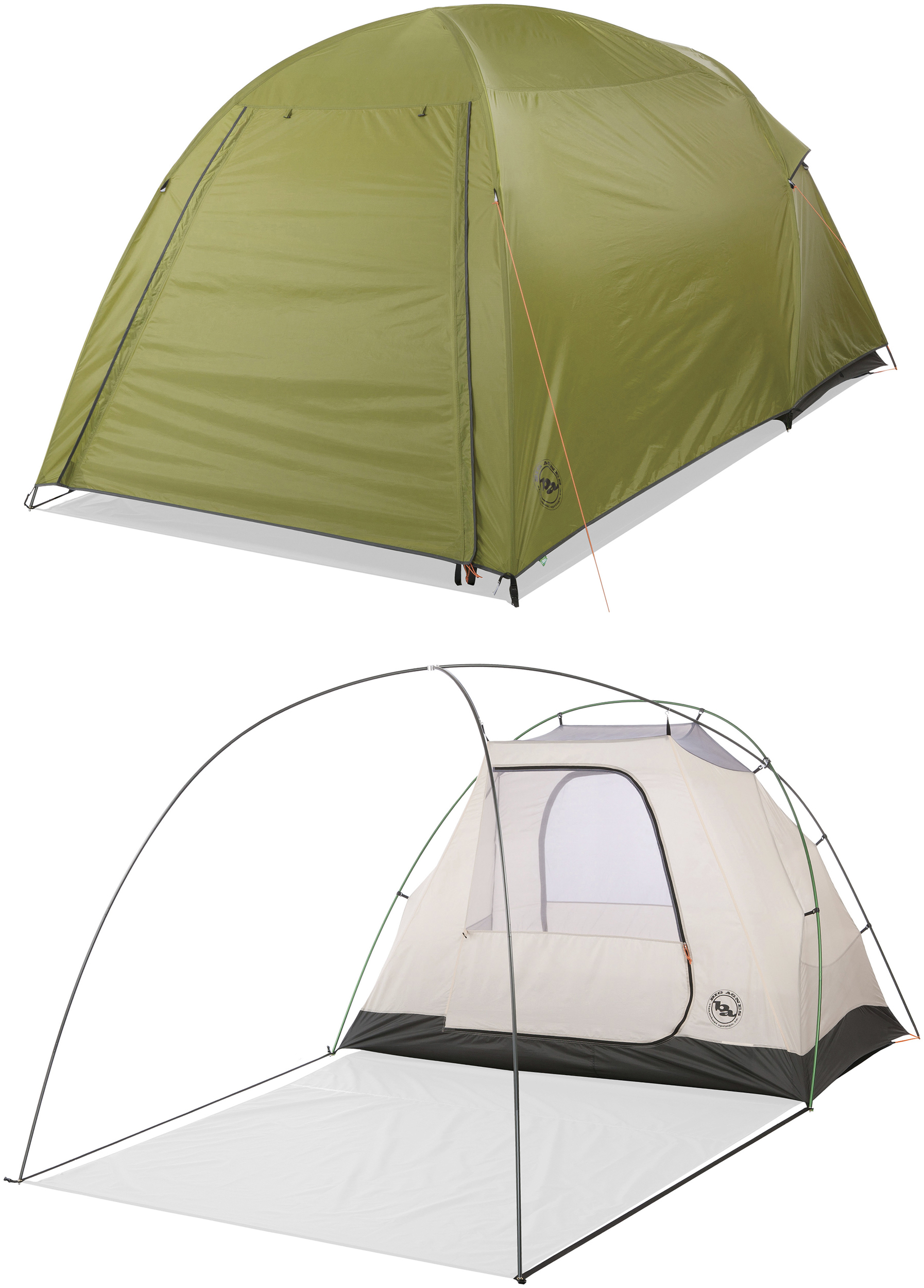
Storing gear inside the tent keeps it dry and safe. Two person tents often have vestibules or small areas for gear storage.
| Storage Area | Purpose | Typical Size |
| Vestibule | Keep boots and backpacks | 5 to 10 sq ft |
| Interior Pockets | Store small items like phones, flashlights | Varies |
| Gear Loft | Hang lightweight items above | Depends on tent model |
Ventilation And Movement
Good airflow prevents condensation and keeps the tent fresh. Two person tents have mesh windows and vents to improve ventilation.
- Mesh panels allow air to flow but keep bugs out.
- Multiple vents near the top help hot air escape.
- Enough room to sit up or change clothes adds comfort.
- Wide doors make entering and exiting easy without bumping gear.
Credit: www.mec.ca
How Tent Size Affects Portability
A two person tent size plays a big role in how easy it is to carry. Larger tents take up more space and weigh more. This can make hiking or camping harder.
Choosing the right tent size balances comfort with how easy it is to move your gear. Understanding the effects of tent size helps you plan better trips.
Pack Size Considerations
The packed size of a two person tent is how much space it takes in your bag. Smaller packed tents fit easier in backpacks. Larger tents need more room.
Think about how you will carry your tent. A big pack size may limit other gear you can bring. Compact tents save space for food, clothes, and tools.
- Measure packed length and diameter
- Choose tents with stuff sacks that compress well
- Consider your backpack size and weight limit
Weight Impact On Carrying
Heavier tents add weight to your load. Carrying extra weight tires you faster on hikes. It also slows you down.
Look for tents made with light materials. Even small weight differences matter on long trips. A lighter tent makes your journey easier and more fun.
- Check the tent’s trail weight, not just packed weight
- Consider poles and stakes weight
- Balance weight with durability needs
Setup Complexity
Bigger tents usually take longer to set up. Complex tents need more poles and steps. This can be hard in bad weather or low light.
Simple tents save time and effort. Easy setup means you can spend more time resting or exploring. Practice setting up your tent before your trip.
- Look for tents with color-coded poles
- Choose designs with fewer parts
- Practice setup at home or in the yard
Choosing The Right Tent Size
Picking the right tent size matters for a good camping experience. Two person tents come in different sizes and shapes.
Understanding how much space you need helps you stay comfortable and organized inside your tent.
Assessing Your Camping Style
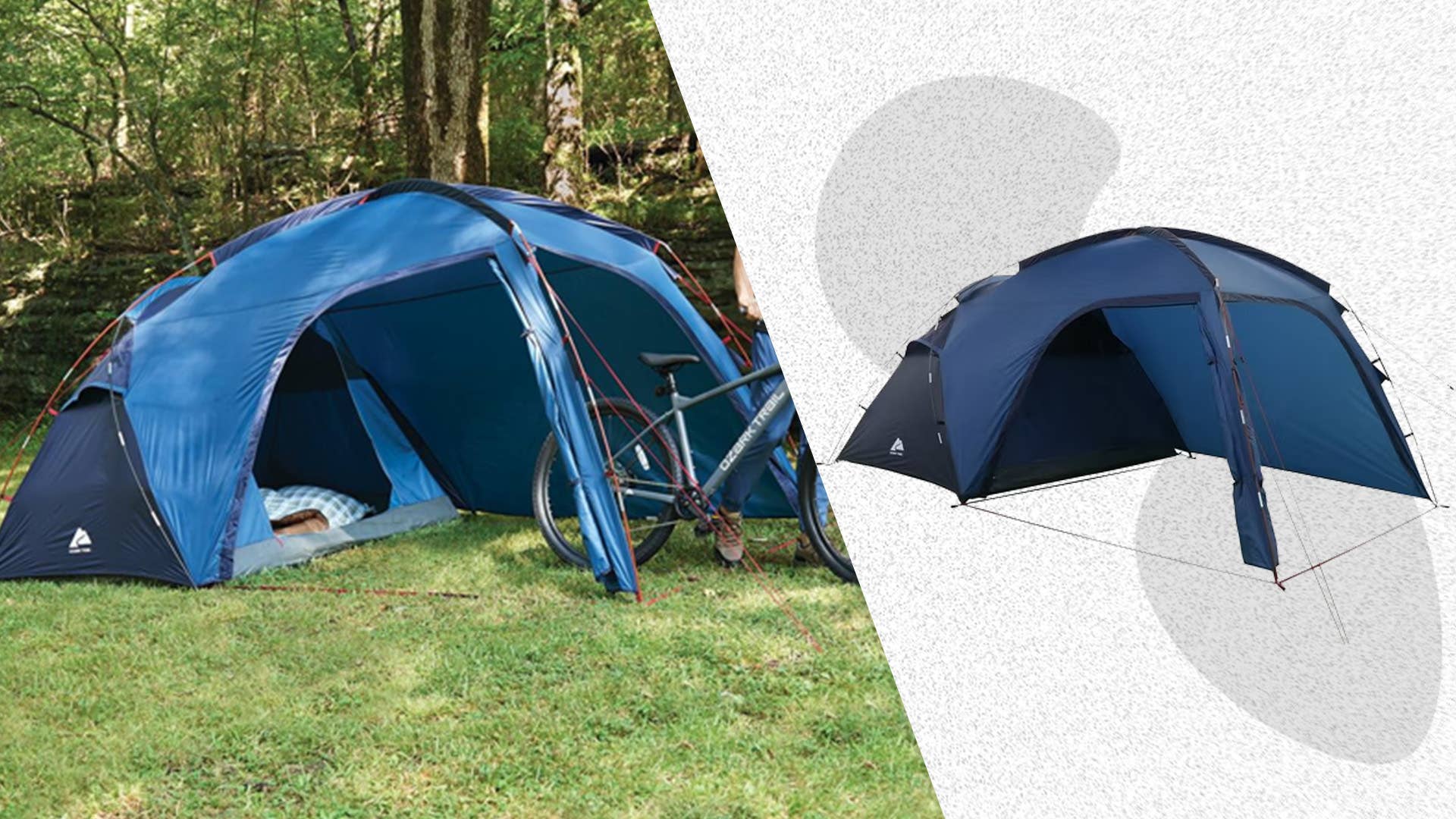
Your camping style affects how much space you need in a tent. If you like extra room for gear, pick a bigger tent.
Some campers want just enough space to sleep. Others want space to sit, change clothes, or store backpacks.
- Light travelers might prefer a compact tent
- Campers with lots of gear need extra space
- People who camp in pairs may want some personal space
Weather Conditions Impact
Weather affects tent size choice. In cold or rainy weather, you may want more room for gear and clothes.
A smaller tent can keep heat better. A larger tent offers more ventilation in warm weather.
- Cold weather: choose a snug tent for warmth
- Rainy weather: extra space for wet gear is useful
- Hot weather: tents with good airflow help keep you cool
Future-proofing Your Tent
Think about future needs before buying a tent. You might camp with friends or bring more gear later.
Buying a tent with a bit of extra space can save money and hassle later on.
- Choose a tent with extra room for growth
- Look for tents that fit extra gear or guests
- Consider tents with flexible layouts or add-ons
Credit: www.mensjournal.com
Measuring Your Tent Space
Knowing the size of a two person tent helps you set it up properly. Measuring the tent space ensures comfort and safety.
Accurate measurements avoid surprises and help you pick the right spot for your tent.
Tools For Accurate Measurement
You need simple tools to measure your tent space. These help you check length, width, and height clearly.
- Measuring tape or ruler for exact length and width
- Marking stakes or flags to outline the tent area
- Notebook and pen to record measurements
- Level tool to check if ground is flat
Diy Tent Layout Tips
Try these tips to plan your tent layout before setting it up.
| Tip | Description |
|---|---|
| Sketch the Tent | Draw the tent shape on paper using your measurements. |
| Use String | Lay string on the ground to mark the tent edges. |
| Check Space | Make sure there is room for gear and movement inside. |
| Test Setup | Place the tent poles and fabric to see if it fits well. |
Frequently Asked Questions
What Are The Typical Dimensions Of A Two Person Tent?
Two person tents usually measure about 7 feet long and 4 to 5 feet wide. Height varies from 3 to 4 feet, providing enough space for sitting and sleeping comfortably.
How Much Floor Space Does A Two Person Tent Offer?
A two person tent offers around 28 to 35 square feet of floor space. This size comfortably fits two sleeping bags and some gear without feeling cramped.
Can Two Person Tents Fit Extra Gear Inside?
Most two person tents have limited extra space for gear. Small backpacks or essentials fit, but larger items are best stored outside or in vestibules.
What Is The Average Weight Of A Two Person Tent?
Two person tents typically weigh between 3 to 6 pounds. Lightweight models prioritize portability, while more durable tents might weigh more for stability and comfort.
Conclusion
Choosing the right tent size is crucial for comfort. Two-person tents offer enough space for two people and gear. Compact and easy to carry, they suit many outdoor adventures. Always check dimensions before buying. This helps ensure a comfortable fit for everyone.
Proper sizing enhances your camping experience. It keeps you relaxed and organized. A well-sized tent means better sleep and enjoyment. So, consider your needs and preferences carefully. Happy camping!