Choosing the right size central air conditioner for your home can feel confusing. If your unit is too small, it won’t cool your space properly.
If it’s too big, you’ll waste energy and money. You want to stay comfortable without paying more than you need to. You’ll discover exactly how to figure out the perfect size for your central air conditioner. Keep reading to avoid costly mistakes and make the best choice for your home and budget.
Credit: www.furnaceprices.ca
Why Proper Sizing Matters
Proper sizingof a central air conditioner is key to saving energy. A unit too big wastes power by cycling on and off often. A unit too small runs constantly, raising energy bills.
Comfort depends on the right size. Too large makes rooms cold and damp. Too small leaves rooms hot and stuffy. Balanced sizing keeps temperature steady and pleasant.
Correctly sized systems last longer. Oversized units face extra wear from frequent starts and stops. Undersized units work too hard and may break sooner.
Factors Influencing Ac Size
The size of a central air conditioner depends on several key factors. Home square footageis one of the biggest. Larger homes need more cooling power to keep all rooms comfortable.
Insulation qualityaffects how well your home holds cool air. Good insulation means your AC can be smaller because less cold air escapes.
Climate considerationsmatter a lot. Hotter climates require bigger units to handle higher temperatures and humidity.
- Number of occupants:More people produce more body heat, so more cooling is needed.
- Appliance heat output:Devices like ovens and computers add heat, increasing cooling needs.
Measuring Cooling Load
The Manual J calculationis a standard way to find out the cooling load of a home. It checks the size, shape, and insulation to see how much cooling is needed. This helps pick the right air conditioner size.
BTUsor British Thermal Units measure how much heat an air conditioner can remove. Knowing the cooling load in BTUs helps match the air conditioner capacity to the home’s needs. Too big or too small units waste energy.
A professional assessmentis often best. Experts check windows, walls, and sun exposure. They use tools and experience to get accurate cooling load numbers. This leads to better comfort and energy savings.
Common Ac Unit Sizes
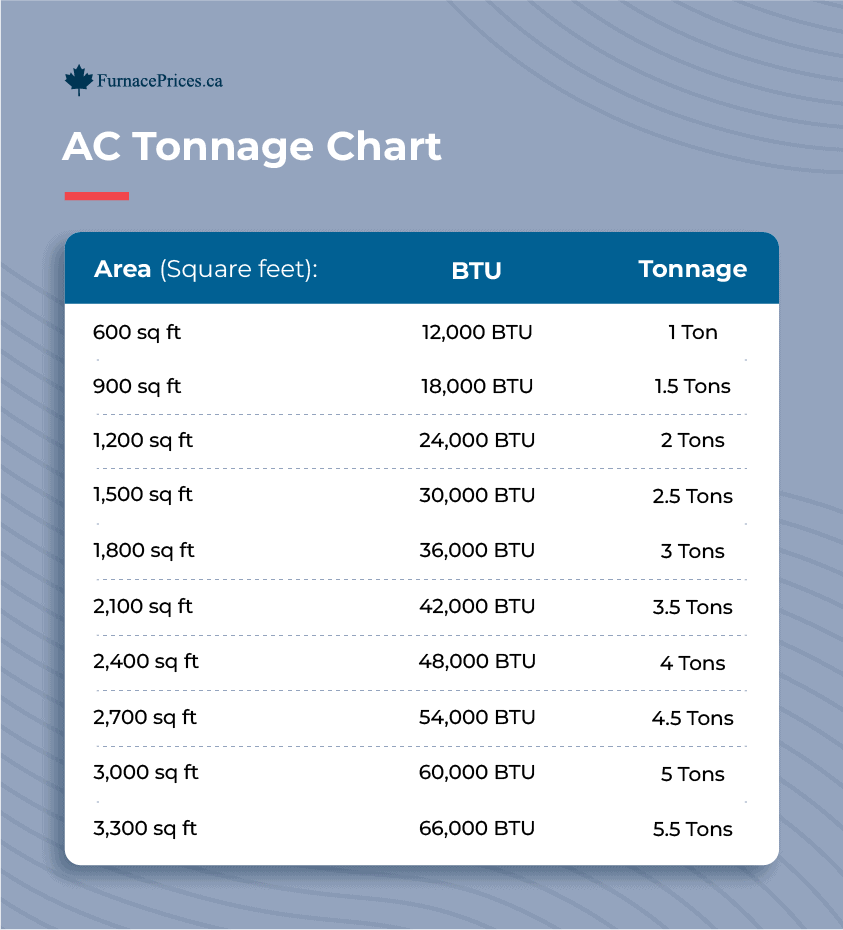
Small homes and apartmentsusually need air conditioners with 5,000 to 12,000 BTUs. These units cool rooms up to about 600 square feet. They are easy to install and use less energy.
Average family homesrequire units with 12,000 to 24,000 BTUs. These systems can cool spaces from 600 to 1,500 square feet. They work well in homes with multiple rooms.
Large residences and open spacesneed air conditioners with more than 24,000 BTUs. They can cool areas larger than 1,500 square feet. Sometimes, multiple units or a central system is best.
Signs Of Incorrect Sizing
Too Small:The unit struggles to cool the space effectively. It runs for long periods, leading to higher energy bills. Overworking can cause early breakdownsand uncomfortable indoor temperatures. Rooms may stay warm or humid.
Too Large:The system cools quickly but shuts off often. This short cycling wastes energy and wears out parts faster. It fails to remove moistureproperly, making the air feel damp. This can lead to mold growthand poor air quality.
Credit: www.carrier.com
Tips For Choosing The Right Unit
Consulting HVAC professionalshelps pick the right size unit. They check your home’s square footage, insulation, and window types. Experts use these to find the best cooling capacity. This avoids buying a unit that is too big or too small.
Considering future home changesis smart. Planning to add rooms or improve insulation? This affects your cooling needs. Choose a unit that can handle extra spaceor changes in heat load.
Balancing cost and efficiencymatters. Bigger units cost more upfront but cool faster. Smaller units save money but may run longer. Look for energy-efficient modelsthat lower bills and keep rooms comfortable.
Installation And Maintenance Insights
Proper installation ensures your central air conditioner works well and lasts longer. It helps the unit cool your home evenly and lowers energy costs. Poor installation can cause frequent repairs and reduce comfort. Hiring a skilled technician is very important for a good setup.
Regular maintenance keeps the system clean and efficient. Changing filters often improves air quality and airflow. Checking for leaks and cleaning coils help the unit run smoothly. Scheduled tune-ups prevent big problems and save money on repairs.
- Proper Installation Importance:Ensures efficiency and comfort
- Regular Maintenance Benefits:Improves air quality and extends system life
Credit: www.furnaceprices.ca
Frequently Asked Questions
How Do I Calculate Ac Size For My Home?
Calculate AC size by multiplying your home’s square footage by 25 to 30 BTUs. Adjust for ceiling height, insulation, and sun exposure for accuracy.
What Happens If My Ac Is Too Large?
An oversized AC cools quickly but cycles on and off frequently. This reduces efficiency, increases wear, and causes uneven cooling and higher energy bills.
Can A Small Ac Unit Cool A Large House?
A small AC unit struggles to cool a large house effectively. It runs constantly, increasing energy costs and causing discomfort due to insufficient cooling.
How Does Insulation Affect Ac Size Needs?
Good insulation reduces heat gain, allowing a smaller AC unit to cool efficiently. Poor insulation means your AC must work harder and be larger to maintain comfort.
Conclusion
Choosing the right central air conditioner size is vital. It ensures comfort and energy efficiency. Too big or too small can lead to problems. Consider your home’s size and climate. Seek professional advice if unsure. An expert can help assess your needs.
Proper sizing saves money and energy. Enjoy a cooler, more comfortable home. Avoid the hassle of improper size. A well-chosen air conditioner brings peace of mind. Take the time to make the right choice. Your comfort and wallet will thank you.