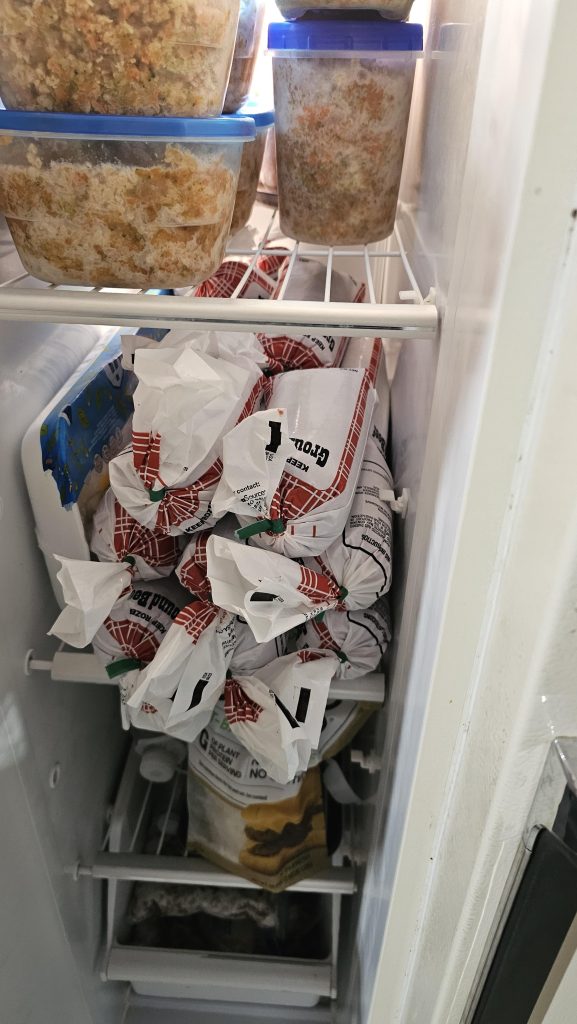
Imagine this: You’ve just made the smart decision to buy a quarter of a cow. Not only will you have a supply of high-quality beef right at your fingertips, but you’ll also be supporting local farmers and potentially saving money in the long run.
However, before you get to enjoy those delicious steaks and roasts, there’s one crucial question you need to answer: How big of a freezer do you need to store it all? Understanding the right freezer size is more than just a logistical decision—it’s about maximizing convenience, efficiency, and value for your investment.
Choosing the correct freezer ensures your meat stays fresh, flavorful, and ready for any occasion, without the headache of space issues. In this guide, we’ll help you navigate the ins and outs of freezer sizes, ensuring that you make an informed decision that suits your needs perfectly. By the end of this article, you’ll be equipped with the knowledge to confidently store your quarter cow, so you can savor each bite without a hitch. Dive in to discover the ideal freezer size for your culinary adventure!

Credit: elkinscattleco.com
Estimating Meat Yield From A Quarter Cow
Estimating the meat yield from a quarter cow helps plan freezer space accurately. Knowing the amount of usable meat ensures efficient storage and reduces waste. This estimation depends on several factors including the animal’s weight and how it is butchered. Understanding these details can help manage expectations and freezer needs better.
Average Weight Of A Quarter Cow
A quarter cow usually weighs between 150 to 200 pounds on average. This weight is the hanging weight after the animal is slaughtered and dressed. The live weight before slaughter is much higher, often around 600 to 800 pounds for a full cow. The quarter represents roughly one-fourth of this hanging weight.
Usable Meat After Butchering
Not all weight from a quarter cow is edible meat. Bone, fat, and trim reduce the total usable meat. Typically, usable meat is about 65% to 70% of the hanging weight. This means from a 180-pound quarter, expect around 117 to 126 pounds of meat. Cuts include steaks, roasts, ground beef, and stew meat.
Factors Affecting Meat Yield
- Breed and size of the cow impact total meat yield.
- Butchering style changes the amount of usable meat.
- Fat trimming preferences affect final meat weight.
- Age and diet of the animal influence meat quality and quantity.
Each factor changes how much meat you will store in your freezer. Planning around these variables helps choose the right freezer size.
Credit: mytxkitchen.com
Freezer Size Recommendations
Choosing the right freezer size is essential for storing a quarter of a cow properly. The freezer must hold all the meat without overcrowding. Proper space helps keep meat fresh and easy to access. Understanding freezer size needs saves time and money in the long run.
Cubic Feet Needed For A Quarter Cow
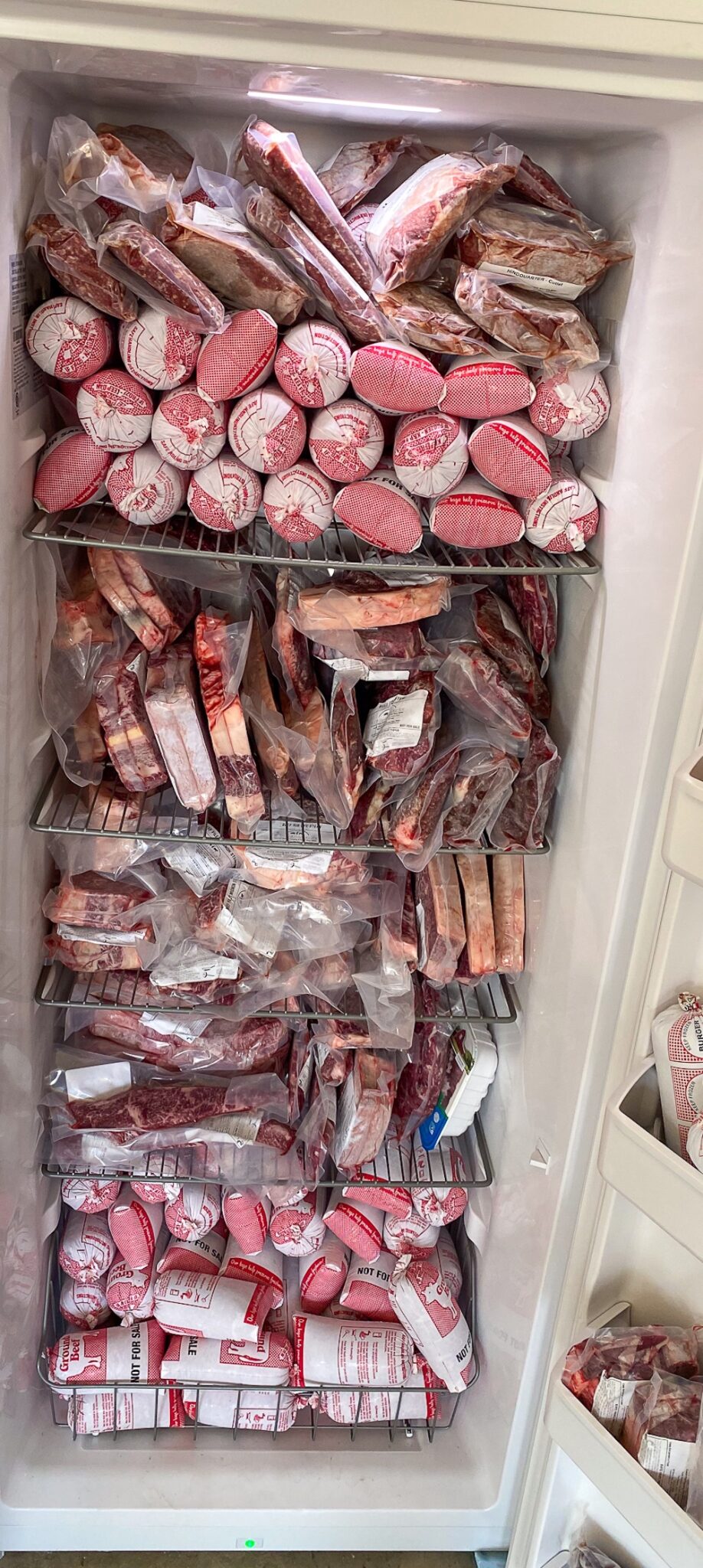
A quarter cow typically requires between 5 to 7 cubic feet of freezer space. The exact size depends on how the meat is cut and packaged. Ground beef takes less space than whole cuts. Always allow extra room for air circulation to keep meat frozen evenly.
Types Of Freezers Suitable
Chest freezers are popular for storing large meat quantities. They offer more space and maintain temperature better. Upright freezers provide easier access and better organization. Choose a freezer with a reliable thermostat and good insulation to keep meat fresh longer.
Space For Packaging And Organization
Proper packaging reduces freezer burn and saves space. Use vacuum-sealed bags or airtight containers. Label each package clearly with the cut and date. Organize meat by type or meal plans to find what you need quickly. Leaving some space between packages improves air flow and freezing efficiency.
Freezer Types And Features
Choosing the right freezer is important for storing a 1/4 cow. Different freezer types offer various benefits and features. Understanding these can help you pick the best option for your needs. Size, energy use, and temperature control matter most.
Chest Freezers Vs Upright Freezers
Chest freezers open from the top and hold more meat for the same size. They keep cold air better when opened. Upright freezers look like regular fridges and have shelves for organized storage. They are easier to access but lose cold air faster.
- Chest freezers: larger capacity, better cold retention
- Upright freezers: space-saving, easier to organize
- Choose based on your space and how you store meat
Energy Efficiency Considerations
Freezers use a lot of electricity. Look for energy-efficient models to save money. Chest freezers usually use less energy because cold air stays inside better. Check for Energy Star ratings. A well-insulated freezer reduces power use and keeps meat frozen longer during outages.
Temperature Control And Storage Benefits
Precise temperature control keeps your meat fresh and safe. Some freezers offer digital thermostats for easy settings. A steady temperature avoids freezer burn and spoilage. Adjustable shelves and baskets help organize different cuts. Good airflow inside keeps cold even throughout the freezer.
Organizing Your Freezer Space
Keeping your freezer organized is key when storing a quarter of a cow. Without a plan, you might waste space or forget what’s inside. Smart organization helps you find cuts quickly and keeps your meat fresh longer.
Packaging Tips For Efficient Storage
Good packaging protects your meat from freezer burn and saves space. Use vacuum-sealed bags or wrap cuts tightly in plastic wrap, then add a layer of foil. This double layer locks in moisture and keeps air out.
Divide large cuts into meal-sized portions before freezing. This way, you only thaw what you need, reducing waste. Have you tried using freezer paper? It’s sturdy and easy to label, which makes a big difference in keeping things neat.
Labeling And Rotation Strategies
Label every package with the cut type and freezing date. Use a permanent marker or printed labels that won’t fade. Clear labels help you avoid guessing and reduce the chance of meat going bad unnoticed.
Apply the “first in, first out” system. Place newer packages behind older ones to use up the oldest meat first. Have you ever found a forgotten package in the back of your freezer? This method helps prevent that.
Maximizing Space With Shelving And Bins
Adding adjustable shelves and bins can transform your freezer. Shelves create layers to separate different cuts, while bins keep small packages together. This makes your freezer look tidy and cuts down on time spent searching.
Use clear bins so you can see what’s inside without digging around. Stack smaller cuts vertically like files in a drawer to save space. Think about how you open your freezer—placing frequently used items in easy-to-reach spots saves effort.
Additional Storage Tips
Storing a quarter cow requires thoughtful planning beyond just freezer size. Proper storage helps keep your meat fresh longer. It also makes managing large quantities easier. Follow these tips to optimize your freezer space and maintain quality.
Dealing With Seasonal Meat Storage
Seasonal changes affect freezer use and meat storage. Cold months allow you to store more without worrying about power outages. Warmer seasons need extra caution to avoid spoilage.
- Separate meat by type and use-by date.
- Label packages clearly with the cut and date.
- Freeze in smaller portions for easy access.
- Rotate older meat to the front.
Maintaining Freezer Performance
Keep your freezer running efficiently to protect your meat. Regular checks prevent freezer burn and loss of flavor.
- Clean the coils every six months.
- Check door seals for tight closure.
- Keep the freezer at a constant 0°F (-18°C).
- Avoid overloading to ensure proper air circulation.
Safety And Hygiene Practices
Good hygiene reduces risks of contamination and spoilage. Handle meat carefully during packaging and storage.
- Wash hands and surfaces before touching meat.
- Use airtight packaging to prevent freezer burn.
- Defrost meat safely in the fridge or cold water.
- Discard meat that smells off or has discoloration.

Credit: snakeriverfarms.com
Frequently Asked Questions
How Much Freezer Space Is Needed For 1/4 Cow?
A 1/4 cow yields about 100-150 pounds of meat. A freezer with 5-7 cubic feet capacity is ideal to store this amount safely and efficiently.
What Type Of Freezer Suits 1/4 Cow Storage?
A chest freezer is best for storing 1/4 cow meat. It offers better temperature stability and maximizes space compared to upright freezers.
How Long Can 1/4 Cow Meat Be Frozen Safely?
Meat from 1/4 cow can be frozen for 6-12 months. Proper packaging and consistent freezer temperatures below 0°F ensure quality and prevent freezer burn.
Can I Store 1/4 Cow In A Regular Fridge Freezer?
A regular fridge freezer is too small for 1/4 cow meat. Dedicated freezers with enough cubic feet are necessary for proper storage and preservation.
Conclusion
Choosing the right freezer size saves space and keeps meat fresh longer. A 1/4 cow needs about 4 to 7 cubic feet of freezer space. This size fits most home freezers and handles the meat well. Remember to leave room for air circulation inside the freezer.
Proper storage helps maintain quality and taste. Plan your freezer space before buying to avoid surprises. This simple step makes storing beef easier and more organized. Keep your meat fresh and enjoy your meals without worry.