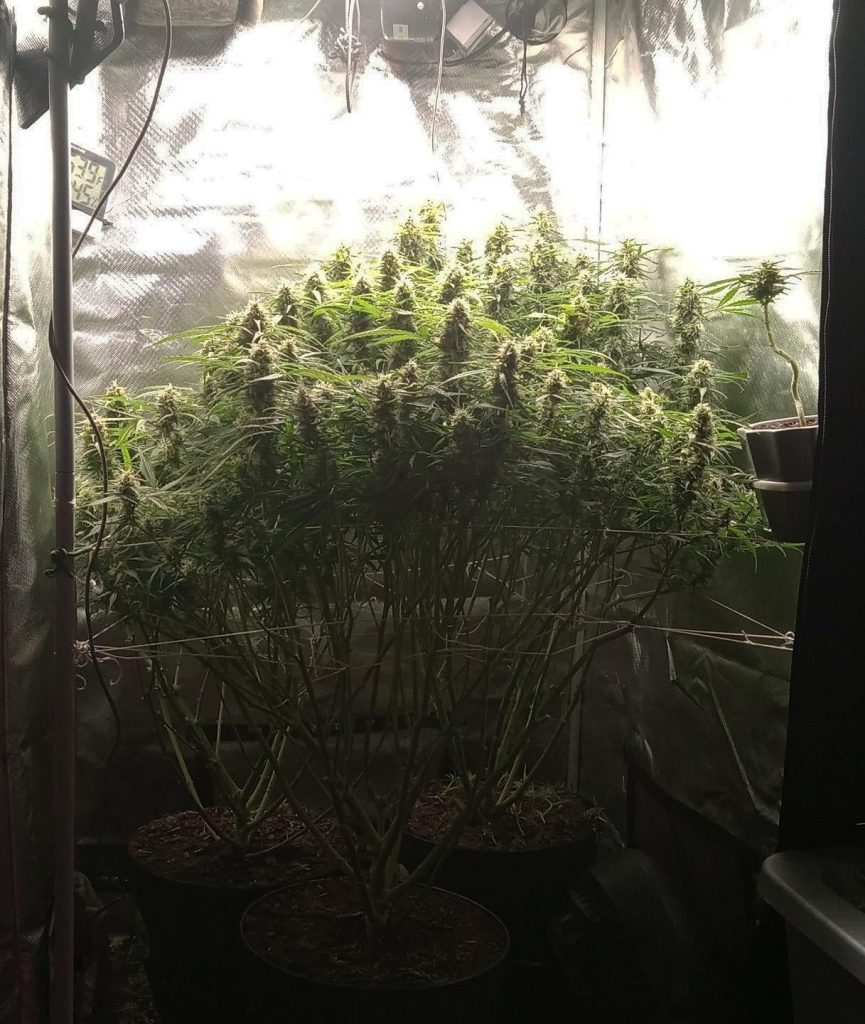
Are you diving into the world of indoor gardening and feeling overwhelmed about choosing the right grow tent size? You’re not alone.
Picking the perfect grow tent is crucial for your plants’ success and your peace of mind. Imagine wasting time and money on a tent that doesn’t fit your needs. Sounds frustrating, right? By understanding the factors that determine the size you need, you’ll ensure your plants have the perfect environment to thrive.
In this guide, we’ll unravel the mystery of grow tent sizes, helping you make a decision that suits your space, plants, and future goals. Ready to discover how big your grow tent should be? Keep reading to make the best choice for your indoor garden.
Factors Affecting Grow Tent Size
Choosing the right grow tent size is important for plant growth. Several factors affect the size you need.
Consider your space, plant type, growth stages, and lighting needs before buying a grow tent.
Available Space
Measure the area where you want to place your grow tent. Make sure there is enough room.
Allow extra space around the tent for moving and ventilation equipment.
- Check ceiling height for tall plants or lights
- Keep space for fans and other tools
- Leave room to access the tent easily
Plant Types
Different plants need different amounts of space. Some plants grow wider or taller than others.
Choose a tent size that fits the number and size of plants you want to grow.
- Small herbs need less space
- Large plants need taller and wider tents
- Consider plant spread and root space
Growth Stages
Plants change size during growth stages. Seedlings are small, but mature plants need more room.
Make sure the tent can hold plants at their biggest size, including space for air circulation.
- Seedling stage needs less space
- Vegetative stage requires medium space
- Flowering stage needs the most space
Lighting Requirements
Lights take up space inside the tent. The type and number of lights affect tent size.
Make sure there is enough room for lights above plants and for heat ventilation.
- LED lights need less space than HID lights
- Lights must be adjustable for plant height
- Allow room for airflow around lights
Common Grow Tent Sizes
Grow tents come in many sizes to fit different spaces and needs. Choosing the right size helps plants grow well.
Understanding common grow tent sizes makes it easier to pick one for your indoor garden. Sizes range from small to large.
Small Tents
Small grow tents are perfect for beginners or limited space. They fit in closets or small rooms easily.
These tents usually measure around 2×2 feet to 3×3 feet. They work well for a few plants or seedlings.
- 2×2 feet: Good for 1-2 small plants
- 2×3 feet: Fits 2-3 plants comfortably
- 3×3 feet: Allows more light and plant space
Medium Tents
Medium grow tents suit hobby growers with more space. They balance size and plant capacity well.
Typical sizes range from 4×4 feet to 5×5 feet. These tents grow several plants or larger varieties.
- 4×4 feet: Space for 4-6 plants
- 4×8 feet: Fits more rows of plants
- 5×5 feet: Room for bigger plants and equipment
Large Tents
Large grow tents work for serious growers or commercial use. They need a dedicated space.
Sizes often start at 6×6 feet and go larger. They support many plants and extra gear.
- 6×6 feet: Room for 9-12 plants
- 8×8 feet: Fits many plants and tools
- 10×10 feet and above: Ideal for large grows
Choosing Tent Size By Plant Count
Selecting the right grow tent size depends on how many plants you want to grow. The size affects plant health and yields.
Use your plant count to decide the best tent size for your setup. Proper space helps plants grow well.
Single Plant Setup
A single plant needs enough room to spread its leaves and roots. A small tent is best for one plant.
- Recommended tent size: 2’x2’ to 3’x3’
- Allows good airflow and light penetration
- Easy to manage environment and humidity
- Ideal for beginners or limited space
Multiple Plants
Growing more than one plant requires a bigger tent. The space must fit all plants comfortably.
| Number of Plants | Recommended Tent Size |
| 2-4 Plants | 3’x3’ to 4’x4’ |
| 5-6 Plants | 4’x4’ to 5’x5’ |
| 7-9 Plants | 5’x5’ to 6’x6’ |
Commercial Scale
Large commercial grows need tents that hold many plants. Size depends on total plant count and workflow.
- Large tents allow better equipment setup
- Provide enough space for walking and maintenance
- Common sizes: 10’x10’ and larger
- Plan tent size based on total plants and growth stages
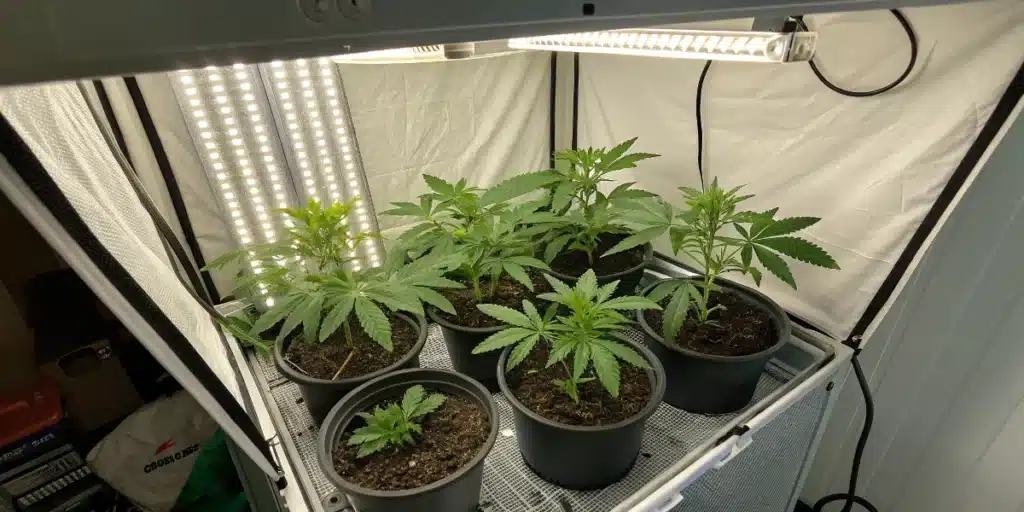
Credit: blimburnseeds.com
Optimizing Space Inside The Tent
Choosing the right grow tent size helps you fit your plants and tools well. Good space use makes growing easier and healthier.
Organizing the inside of your tent is key. This keeps your plants safe and helps them grow better.
Shelving And Racks
Shelves and racks add vertical space for more plants. They keep plants off the floor and save room.
Use metal or plastic shelves that resist water and humidity. Adjustable racks fit different plant sizes.
- Place shorter plants on top shelves
- Keep taller plants on lower racks
- Use stackable trays to hold seedlings
- Leave space between shelves for air flow
Air Circulation
Good air circulation stops mold and keeps plants healthy. It also helps control temperature and humidity.
Place fans to move air evenly inside the tent. Avoid blocking vents with equipment or plants.
- Use small fans on tent walls or ceiling
- Keep vents open for fresh air
- Do not crowd plants to let air flow freely
- Check airflow regularly and adjust as needed
Equipment Placement
Set up lights, filters, and other tools so they do not waste space. Organize cords and tubes neatly.
Keep equipment off the floor to avoid water damage. Use hooks or shelves to hold devices safely.
- Hang lights from tent frame at proper height
- Place filters near vents for better air cleaning
- Use cable ties to bundle cords and tubes
- Keep walkways clear for easy access
Impact Of Tent Size On Plant Growth
Choosing the right grow tent size affects how well plants grow inside. The size controls light, temperature, and humidity.
Small tents may limit growth, while large tents offer more room but need more care. Let’s look at key factors.
Light Distribution
A bigger tent spreads light more evenly. Plants get enough light on all sides. This helps them grow strong and healthy.
- Small tents may cause shadows on plants.
- Large tents allow space for multiple light sources.
- Good light spread means better photosynthesis.
Temperature Control
Size affects how heat moves inside the tent. Bigger tents keep temperature steady but need good ventilation.
| Tent Size | Temperature Control | Ventilation Needs |
| Small | Quick heat changes | Low |
| Medium | Moderate stability | Medium |
| Large | Stable temperature | High |
Humidity Management
Humidity stays more even in larger tents. Smaller tents may need more attention to avoid mold or dryness.
- Small tents: Use a hygrometer and adjust watering carefully.
- Medium tents: Add humidifiers or dehumidifiers as needed.
- Large tents: Use fans and air exchange systems for balance.
Budget Considerations For Tent Size
Choosing the right grow tent size affects your budget. Larger tents cost more upfront and to run.
Think about how much you want to spend now and later. This helps you pick a tent that fits your needs.
Initial Investment
Bigger grow tents need more money at the start. The tent, lights, fans, and other tools cost more.
Smaller tents are cheaper but may not fit all your plants. Decide how many plants you want to grow.
- Large tents cost more to buy
- Extra equipment adds to price
- Small tents save money upfront
- Match size with your plant count
Operating Costs
Big tents use more electricity and water. This raises your monthly bills.
Small tents cost less to run but limit how many plants you can grow. Balance size and energy use.
- Large tents need stronger lights
- More ventilation increases power use
- Small tents use less electricity
- Operating costs add up over time
Future Expansion
Think about growing more plants later. Buying a bigger tent now may save money later.
Small tents may need replacing if your needs grow. This adds cost and work.
- Bigger tents fit future plants
- Save money by not upgrading soon
- Small tents limit growth
- Plan for your goals
Tips For Measuring Your Grow Space
Choosing the right size grow tent is important for your plants to grow well. Measuring your grow space helps you pick a tent that fits perfectly.
Take careful measurements before buying. This guide will help you measure your space correctly.
Accurate Dimensions
Measure the width, length, and height of the space where you want to place the grow tent. Use a tape measure for exact numbers.
Write down these numbers to avoid mistakes. Double-check each measurement to be sure.
Allowing For Equipment
Remember to leave room for all your equipment. This includes lights, fans, and filters.
Make space for air circulation and easy setup. Equipment can take up extra space around your plants.
- Measure the size of your lights and fans
- Add extra space for cords and plugs
- Keep space for air vents and filters
Accessibility
Make sure you can easily enter and work inside the tent. A door or zipper should open wide enough for you.
Think about how often you will need to check your plants. Leave enough space to move around safely.
- Check door size and placement
- Allow space to reach all plants
- Keep walkways clear for easy access

Credit: www.reddit.com

Credit: www.reddit.com
Frequently Asked Questions
How To Choose The Right Grow Tent Size?
Choosing the right grow tent size depends on your available space and plant number. Consider plant type and growth stage. Larger tents offer more flexibility but need more resources. Measure your space carefully and plan for ventilation and lighting needs before selecting a tent size.
What Plants Fit In A 4×4 Grow Tent?
A 4×4 grow tent suits 4 to 6 medium-sized plants. Ideal for herbs, small vegetables, or flowering plants. It balances space and efficiency well. This size supports proper airflow and lighting, promoting healthy plant growth without overcrowding.
Can A Small Grow Tent Yield Good Harvests?
Yes, small grow tents can yield high-quality harvests with proper care. Optimize lighting, ventilation, and nutrient supply. Choose plants suited to limited space. Efficient use of grow techniques maximizes yield despite size constraints.
How Much Space Do Plants Need In A Grow Tent?
Plants typically need 1 to 2 square feet each in a grow tent. Space allows for healthy root growth and airflow. Overcrowding can cause mold and stunt growth. Plan tent size based on plant species and growth habits.
Conclusion
Choosing the right grow tent size matters a lot for your plants. A tent that is too small limits growth and space. Too large, and you waste energy and money. Think about your plant types and how many you want.
Measure your available room carefully before buying. Good ventilation and lighting fit better in the right size. With the right tent, your plants grow healthy and strong. Take your time to decide. Your garden will thank you.