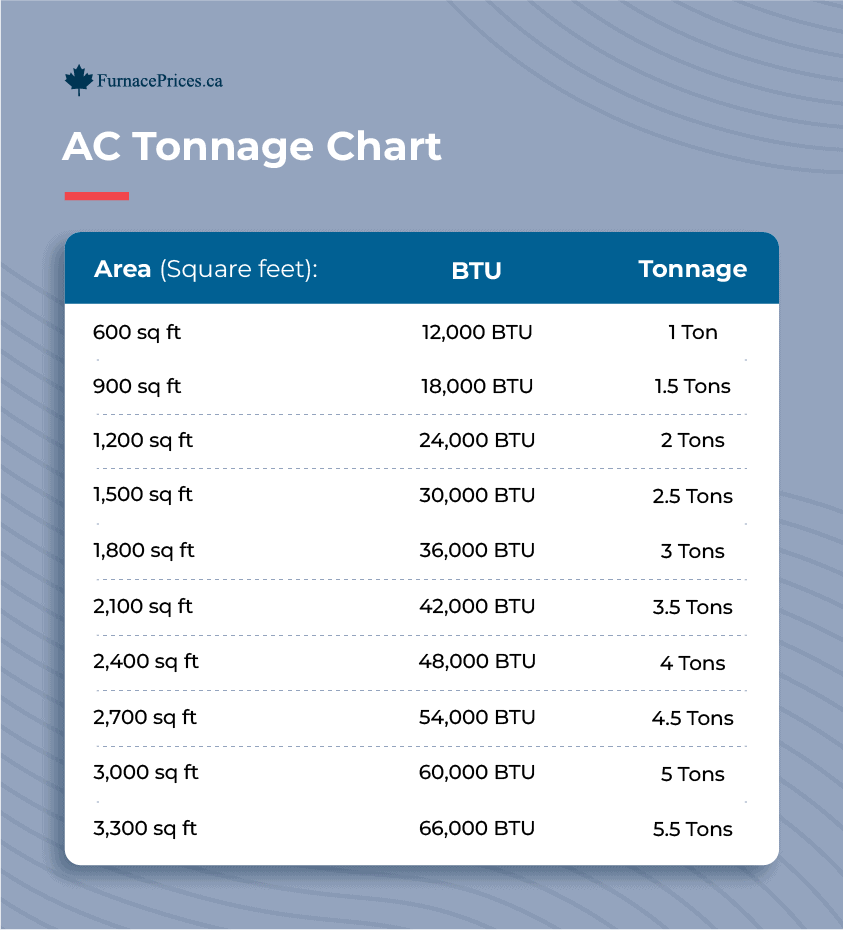
Are you feeling unsure about what size air conditioner will keep your home cool without wasting energy or money? Picking the right air conditioner size is more important than you might think.
Too small, and your space stays hot and uncomfortable. Too big, and you end up with high bills and uneven cooling. But don’t worry—by the time you finish reading, you’ll know exactly how to choose the perfect air conditioner size for your needs.
Let’s make sure your home stays cool, comfortable, and energy-smart all summer long.
Factors Affecting Ac Size
Choosing the right air conditioner size is important. It helps keep your room cool and saves energy.
Several factors affect the size of the AC you need. Understanding these factors helps you pick the best unit.
Room Dimensions
The size of your room is the main factor for AC size. Bigger rooms need more cooling power.
Measure the length and width of the room to find its square footage. This helps estimate the needed capacity.
Ceiling Height
Taller ceilings increase the air volume in a room. This means the AC must cool more space.
Standard ceiling height is 8 feet. If your ceilings are higher, you may need a stronger AC unit.
Sun Exposure
Rooms with a lot of sunlight get warmer during the day. This raises the cooling demand.
Windows facing south or west get the most sun. You might need a bigger AC for these rooms.
- South and west-facing rooms need more cooling
- Shaded rooms need less powerful AC units
Insulation Quality
Good insulation keeps cool air inside and hot air out. Poor insulation makes the AC work harder.
If your walls or windows leak air, choose a larger AC to keep the room comfortable.
Occupant Count
People produce heat, so more occupants raise the cooling load. Each person adds extra heat to the room.
For rooms with many people, select an AC with higher capacity to maintain comfort.
- Each person adds about 600 BTUs of heat
- Adjust AC size based on usual number of occupants
Appliance Heat Output
Appliances like computers, TVs, and ovens release heat. This increases the room temperature.
Rooms with many heat-producing devices need a larger AC to cool properly.

Credit: www.warmzilla.co.uk
Calculating Cooling Capacity
Choosing the right air conditioner size is important for comfort. If the unit is too small, it will not cool well. If it is too large, it wastes energy and money.
Cooling capacity is measured in BTUs. This guide helps you understand how to calculate the needed BTUs for your space.
Btu Basics
BTU stands for British Thermal Unit. It measures the energy needed to cool one pound of water by one degree Fahrenheit. Air conditioners use BTUs to show their cooling power.
A higher BTU number means the unit can cool a larger or hotter room. To pick the right size, know your room size and climate.
Square Footage Method
One simple way to find your needed cooling capacity is by room size. Use the square footage of the space to estimate BTUs.
- Measure the length and width of the room.
- Multiply these numbers to get square feet.
- Use about 20 BTUs per square foot.
For example, a 300 square foot room needs about 6,000 BTUs (300 × 20 = 6,000).
Adjusting For Climate
Climate affects how much cooling you need. Hotter areas need more BTUs. Cooler areas need less.
| Climate Type | BTU Adjustment |
| Hot and humid | Add 10% more BTUs |
| Moderate | No change needed |
| Cool | Reduce BTUs by 10% |
Using Online Calculators
Online calculators make sizing easy. They ask for room size, ceiling height, and climate. Then they show the needed BTUs.
Advantages of online calculators:
- Quick and easy to use
- Accounts for windows and insulation
- Offers specific recommendations
Types Of Air Conditioners
Choosing the right air conditioner depends on your room size and cooling needs. Different types serve different purposes and spaces.
Below are common air conditioner types with details to help you decide which suits you best.
Window Units
Window air conditioners are compact and fit into a window frame. They cool a single room efficiently.
These units are easy to install and usually affordable. They come in different sizes based on room square footage.
Split Systems
Split systems have two parts: an indoor unit and an outdoor compressor. They cool rooms quietly and efficiently.
- Indoor unit mounts on a wall inside the room
- Outdoor unit stays outside to release heat
- Good for cooling multiple rooms with several indoor units
- More expensive but energy-efficient
Portable Acs
Portable air conditioners can move from room to room. They need a vent to the outside for hot air.
These units are easy to use but less efficient for large spaces. They work best for small rooms or temporary cooling.
Central Air Conditioning
Central air conditioning cools the whole house through ducts. It uses one large outdoor unit and an indoor system.
| Feature | Central AC | Window Unit | Split System | Portable AC |
| Cooling Area | Whole house | Single room | One or more rooms | Single room |
| Installation | Complex | Easy | Moderate | Simple |
| Cost | High | Low to medium | Medium to high | Low to medium |
| Portability | No | No | No | Yes |
Common Sizing Mistakes
Choosing the right size air conditioner is important for comfort and energy use. Many people make mistakes that cause problems later.
This guide explains common sizing mistakes and how they affect your cooling system.
Oversizing Issues
Picking an air conditioner that is too big cools the room too fast. This stops the system from removing humidity well.
Oversized units turn on and off often. This wastes energy and wears out the AC quickly.
- Short cooling cycles cause poor humidity control
- Higher electricity bills due to frequent starts
- Louder noise because of constant turning on and off
- Reduced comfort with cold and damp air
Undersizing Problems
An air conditioner that is too small cannot cool the space properly. It runs all the time but still leaves the room warm.
This leads to high energy use and faster wear of the AC parts. The system may fail sooner than expected.
- Room stays too warm during hot days
- System runs nonstop, increasing energy costs
- Compressor and parts wear out faster
- Higher chances of breakdowns and repairs
Ignoring Ventilation
Good ventilation helps your air conditioner work well. Ignoring ventilation can make your AC less efficient.
Without proper airflow, heat and moisture build up. This makes the AC work harder and increases energy use.
- Poor airflow reduces cooling effect
- Higher humidity levels inside the room
- Increased energy consumption and costs
- More wear and tear on the AC system
Energy Efficiency And Sizing
Choosing the right size air conditioner helps save energy and money. An AC that is too big or too small will not work well. Proper sizing improves comfort and lowers utility bills.
Energy efficiency is key when picking an air conditioner. This guide explains how ratings and standards affect your choice.
Seer Ratings
SEER stands for Seasonal Energy Efficiency Ratio. It measures how well an air conditioner cools using energy. A higher SEER number means better efficiency.
Air conditioners with high SEER ratings use less power and cost less to run. They help reduce environmental impact by lowering energy use.
- SEER 13 to 15: Standard efficiency
- SEER 16 to 20: High efficiency
- SEER 21 and above: Very high efficiency, often more expensive upfront
Energy Star Considerations
Energy Star certified air conditioners meet strict efficiency rules set by the EPA. They use less energy than non-certified models.
Choosing Energy Star units can qualify you for rebates. These units also help reduce your home’s carbon footprint.
| Feature | Energy Star | Non-Energy Star |
| Minimum SEER Rating | 15 or higher | Below 15 |
| Energy Use | Lower | Higher |
| Environmental Impact | Reduced | Higher |
| Rebates Available | Often yes | Rarely |
Impact On Utility Bills
Correctly sizing your air conditioner lowers your monthly utility bills. Too large units cool quickly but waste energy. Too small units run longer and wear out faster.
Energy-efficient units cost less to operate. Over time, savings can cover the higher price of efficient models.
- Choose the right size based on room size and insulation.
- Pick units with higher SEER ratings for better savings.
- Consider Energy Star models for rebates and lower energy use.
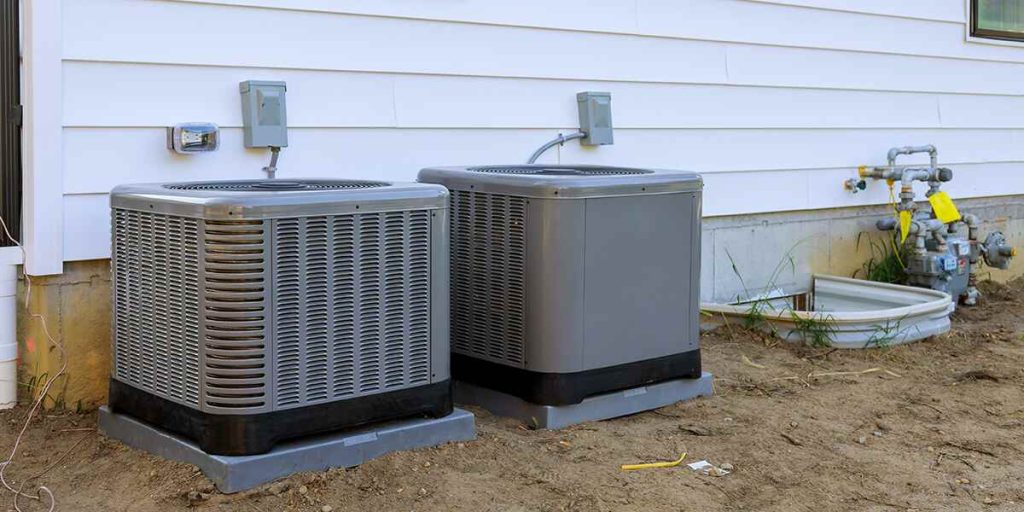
Credit: coolbydesignfl.com
Professional Vs Diy Sizing
Choosing the right size air conditioner is important for comfort and savings. Too small units do not cool well. Too large units waste energy and money.
You can size an air conditioner yourself or hire a professional. Both have benefits and drawbacks. Knowing when to choose each helps get the right fit.
When To Hire Experts
Experts use detailed calculations to find the perfect air conditioner size. They check your home’s size, insulation, windows, and climate.
Hiring a professional is best if you have a large house or complex needs. They can avoid mistakes that waste money and cause discomfort.
- Large or multi-story homes
- Homes with poor insulation or many windows
- Unusual layouts or extensions
- Commercial buildings
- If you want a precise cooling plan
Tools For Diy Measurement
You can size an air conditioner yourself using basic tools and formulas. This works well for small to medium homes with simple layouts.
DIY tools help estimate the cooling power needed based on room size and other factors. They give a quick idea but are less exact than experts.
- Measuring tape to find room length, width, and height
- Online BTU calculators for cooling needs
- Thermometers to check room temperature
- Energy efficiency guides for local climate
- Basic knowledge of insulation and window size
Maintenance Tips For Optimal Cooling
Choosing the right size air conditioner is important. Regular maintenance keeps it working well. Good care helps your AC cool better and last longer.
Follow simple steps to keep your air conditioner clean and efficient. These tips save energy and reduce repair costs.
Filter Cleaning
Dirty filters block airflow and reduce cooling power. Clean or replace filters every month during heavy use.
Regular filter cleaning keeps air fresh and helps your AC run smoothly.
- Turn off the AC before removing the filter
- Vacuum or wash reusable filters with water
- Let filters dry completely before reinstalling
- Replace disposable filters as needed
Regular Inspections
Check your air conditioner parts often. Look for dirt, leaks, or damage. Early fixes prevent bigger problems.
Inspect the outdoor unit for debris and clean the coils yearly. Keep the area around the unit clear.
- Check electrical connections for safety
- Listen for unusual noises
- Ensure the drain line is not clogged
- Schedule professional service once a year
Thermostat Settings
Set your thermostat to a comfortable temperature. Avoid setting it too low to save energy and reduce wear.
Use programmable thermostats to keep your home cool only when needed.
- Set temperature around 78°F (25°C) when home
- Increase temperature when away or at night
- Avoid frequent temperature changes
- Use fan mode to circulate air without cooling

Credit: easycoolair.com.au
Frequently Asked Questions
What Size Air Conditioner Do I Need For My Room?
To determine the right size, measure your room’s square footage. Generally, you need 20 BTUs per square foot. Consider ceiling height, sun exposure, and insulation. For example, a 150-square-foot room needs a 5,000 BTU unit. Always check the manufacturer’s guidelines for specific recommendations.
How Does Room Size Affect Ac Needs?
Room size directly impacts the cooling capacity required. Larger rooms need more BTUs to maintain comfort. An undersized unit will struggle to cool adequately, leading to inefficiency. Conversely, an oversized unit may cool too quickly, causing humidity issues. Proper sizing ensures optimal performance and energy efficiency.
Can I Use One Ac Unit For Multiple Rooms?
Using one AC unit for multiple rooms is possible, but consider the total area. An open floor plan allows better air distribution. However, closed doors can obstruct airflow. Check if the unit’s BTU rating matches the combined room size. A ductless mini-split system might be more effective for multiple rooms.
Why Is Ac Size Important For Efficiency?
The correct AC size ensures efficient cooling and energy use. An oversized unit cycles on and off frequently, wasting energy. An undersized unit runs continuously, increasing wear and tear. Proper sizing balances cooling load and energy consumption, maximizing comfort and reducing utility bills.
Conclusion
Choosing the right air conditioner size saves energy and money. A unit too small won’t cool well. Too big will waste power and cause humidity issues. Measure your room size carefully before buying. Consider factors like sunlight and insulation too.
Proper sizing keeps your home comfortable all summer. A well-chosen AC runs smoothly and lasts longer. Take your time to find the best fit. Stay cool without overspending or stressing your system. Simple steps lead to better comfort and savings.