Choosing the right air conditioner size can make all the difference between staying cool and wasting money. You might think bigger is better, but an oversized unit can actually cause problems like uneven cooling and higher energy bills.
On the other hand, a unit that’s too small won’t keep your space comfortable. So, how big of an air conditioner do you really need? You’ll discover simple tips to find the perfect fit for your home or office. Keep reading to avoid common mistakes and make the smartest choice for your comfort and budget.
Credit: www.furnaceprices.ca
Factors Influencing Ac Size
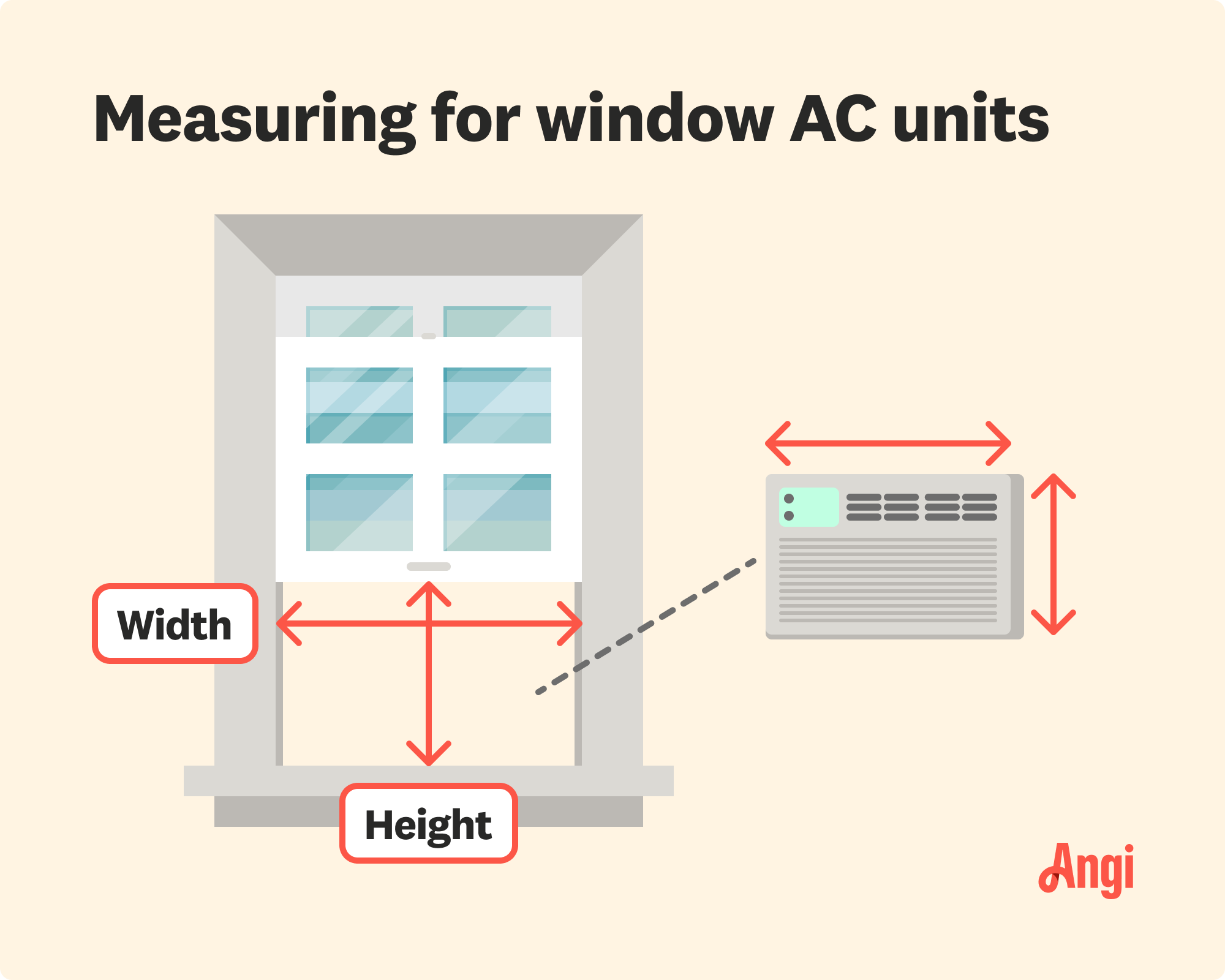
Room dimensionsare key. Bigger rooms need bigger AC units to cool well. Measure length, width, and height for total space.
Ceiling heightmatters too. Higher ceilings mean more air volume to cool. Choose a unit that can handle that extra space.
- Sunlight exposureaffects cooling. Rooms with lots of sun need stronger AC to fight heat.
- Insulation qualityhelps keep cool air inside. Poor insulation means AC works harder and bigger size may be needed.
- Number of occupantsadds heat. More people generate more body heat, increasing cooling needs.
- Electronic appliances heatadds to room temperature. Devices like computers and TVs raise heat load for the AC.
Measuring Your Space
First, measure the length and width of your room in feet. Multiply these numbers to get the square footage. For example, a room 15 feet long and 12 feet wide is 180 square feet.
For oddly shaped rooms, divide the space into smaller rectangles. Measure each section separately, then add the square footages together. This gives a more accurate total.
In case of multiple rooms, measure each room’s square footage. Add all the square footages to find the total area to cool. This helps in choosing an air conditioner that covers the entire space.
Btu And Cooling Capacity
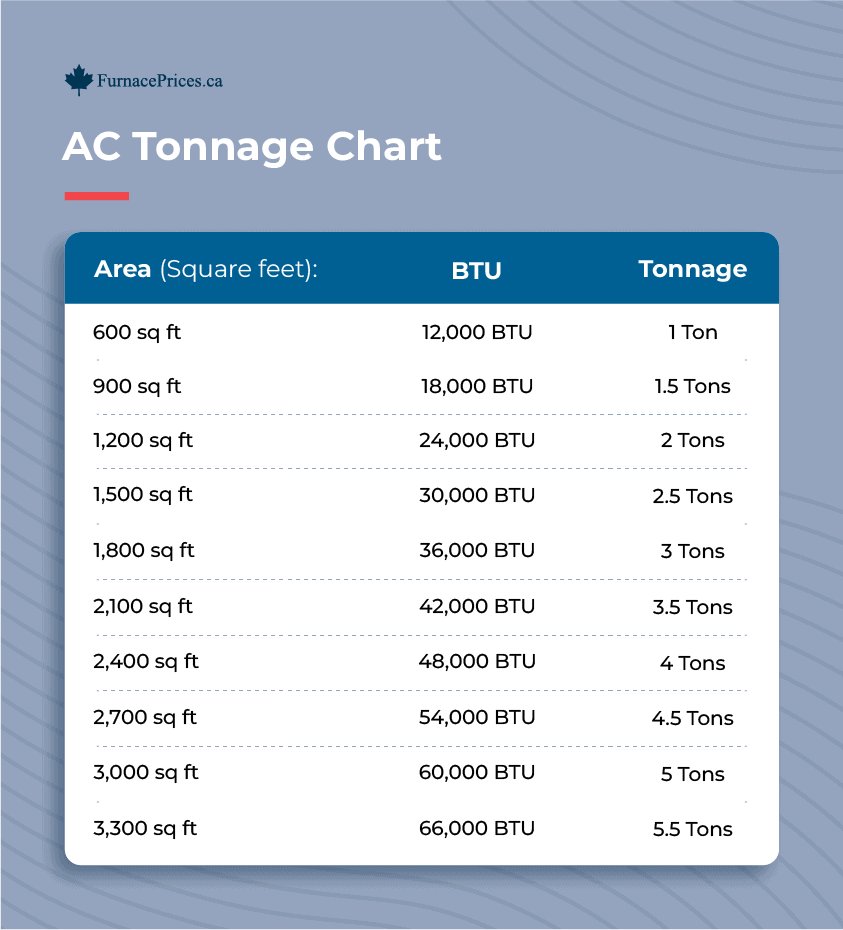
BTUstands for British Thermal Unit. It measures the energy needed to cool or heat one pound of water by one degree Fahrenheit. In air conditioning, BTU shows the cooling powerof the unit.
Each room needs a certain number of BTUs to stay cool. This depends on the size of the room. Usually, about 20 BTUs per square footis a good estimate for cooling.
| Room Size (sq ft) | BTU Needed |
|---|---|
| 100 | 2,000 BTU |
| 200 | 4,000 BTU |
| 300 | 6,000 BTU |
| 400 | 8,000 BTU |
Climate also affects BTU needs. Hotter places need more cooling power. Humid areas may require stronger units to remove moisture.

Credit: www.warmzilla.co.uk
Types Of Air Conditioners
Window unitsfit in a window frame. They cool one room well. Easy to install and affordable. Good for small spaces.
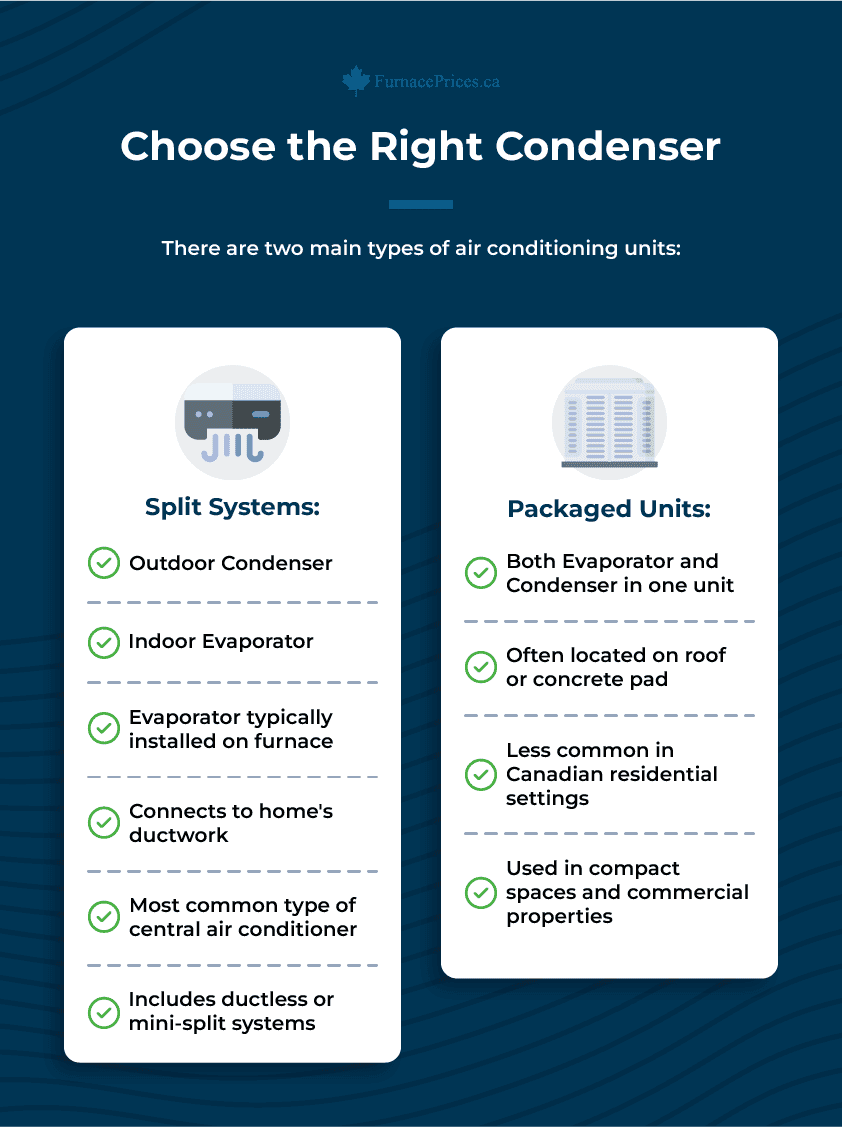
Split systemshave two parts: inside and outside. Quiet operation and better cooling for large rooms. More efficient than window units.
Central air conditioningcools the whole house. Uses ducts to spread cool air. Best for big homes. Requires professional installation.
Portable unitscan move from room to room. Easy to use but less powerful. Need a window for venting hot air.
Selecting The Right Ac Size
Choosing the right air conditioner size is key for comfort and efficiency. The cooling power is measured in BTU (British Thermal Units). Each room size needs a specific BTU range to cool well.
| Room Size (sq ft) | Recommended BTU |
|---|---|
| 100 – 150 | 5,000 – 6,000 |
| 150 – 250 | 6,000 – 8,000 |
| 250 – 350 | 8,000 – 10,000 |
| 350 – 450 | 10,000 – 12,000 |
Avoid oversized units. They cool too fast but do not remove moisture well. This causes a damp and uncomfortable room. Also, it wastes energy and costs more money.
Undersized unitsrun all the time but cannot cool properly. This wears out the AC faster and raises electric bills. The room stays warm and uncomfortable.
Energy Efficiency Considerations
SEER ratingsshow how well an air conditioner uses energy. Higher SEER means better efficiency. Choose an AC unit with a SEER rating of at least 13 for good savings on electricity bills.
Energy Star certificationmeans the air conditioner meets strict energy rules. These units save more power and help the environment. Look for the Energy Star label when buying.
- Keep doors and windows closed while AC runs.
- Use ceiling fans to help cool rooms faster.
- Set the thermostat to 78°F for balance of comfort and savings.
- Clean or replace filters regularly for better airflow.
- Seal leaks around doors and windows to keep cool air inside.
Additional Cooling Tips
Using fans helps to move cool air around the room. This can make the space feel cooler without using more energy. Ceiling fans or portable fans work well. They help your air conditioner cool the room faster and more evenly.
Shading windows blocks sunlight and heat. Use curtains, blinds, or shades to keep rooms cooler. Trees and awnings outside windows also reduce heat from the sun. Keeping direct sunlight out lowers the cooling load on your air conditioner.
Regular maintenance keeps your air conditioner running well. Clean or change filters every month during heavy use. Check for dirt on coils and clean them to improve cooling. Make sure vents are not blocked. A well-maintained AC uses less power and cools better.
Credit: www.angi.com
Frequently Asked Questions
How To Calculate The Right Ac Size For A Room?
Measure your room’s square footage and multiply by 25 to 30 BTUs. This estimate helps find the ideal AC capacity for efficient cooling.
What Happens If My Ac Is Too Big?
An oversized AC cools quickly but causes frequent cycling, wasting energy and reducing humidity control. It leads to higher bills and discomfort.
Can A Small Ac Cool A Large Room Effectively?
No, a small AC struggles to cool large spaces, running continuously and increasing wear. It won’t maintain comfortable temperatures efficiently.
Does Ceiling Height Affect Ac Size Needed?
Yes, higher ceilings increase room volume, requiring more cooling power. Adjust your BTU calculation to consider ceiling height for accurate sizing.
Conclusion
Choosing the right air conditioner size is crucial for comfort. A unit too small won’t cool effectively. One that’s too large wastes energy. Measure your room’s size to find the perfect fit. Consider factors like room insulation and sunlight. These influence your cooling needs.
Consult with a professional if unsure. They can guide you to the best option. Remember, a well-sized unit boosts efficiency. It saves on bills and keeps you cool. A little research goes a long way. Make your choice wisely for a comfortable home.
Stay cool and enjoy your space!