Are you wondering how big drainage holes should be in your planters? Getting this right is key to keeping your plants healthy and thriving.
Too small, and water can pool, causing root rot. Too big, and your soil might wash away, leaving your plants unstable. You’ll discover the perfect size for drainage holes that will help your plants grow strong and vibrant. Keep reading to learn simple tips that make a big difference for your gardening success!

Credit: www.amazon.com
Importance Of Drainage Holes
Drainage holes in planters help water escape. They stop water from pooling at the bottom.
Good drainage is key for healthy plants. It keeps roots safe and soil balanced.
Preventing Root Rot
Drainage holes stop water from staying too long in the soil. This prevents roots from rotting.
- Water can flow out freely
- Roots get oxygen, not waterlogged
- Soil stays healthy and dry enough
Ensuring Soil Aeration
Drainage holes help air reach the soil. Plants need air around their roots to grow strong.
| Effect | Reason |
|---|---|
| Better root growth | Oxygen reaches the roots |
| Healthier soil | Air circulates through soil |
| Less soil compaction | Water drains away |
Balancing Water Retention And Drainage
Drainage holes must be the right size. They keep enough water in soil but let extra water out.
- Small holes hold some water for roots
- Large holes let out extra water fast
- Choose hole size based on plant type and soil
Credit: plantcareforbeginners.com
Factors Influencing Hole Size
Drainage holes in planters help water escape. The right size keeps plants healthy. Too small holes cause water buildup. Too big holes let soil wash out.
Several factors affect how big drainage holes should be. These include the planter’s material, the plant’s size, soil type, and climate conditions.
Planter Material
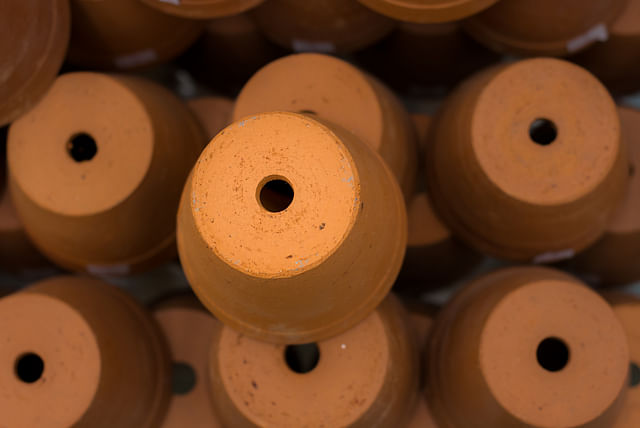
Planter material affects hole size because some materials are fragile. Plastic planters can have bigger holes. Clay or ceramic need smaller holes to avoid cracks.
Porous materials like terracotta absorb water. They may need fewer or smaller holes. Non-porous materials need larger holes to drain well.
Plant Type And Size
Large plants need bigger drainage holes to remove extra water fast. Small plants do fine with smaller holes. Some plants like cacti need quick drainage with bigger holes.
Plants sensitive to overwatering need more drainage space. Plants that like moist soil need smaller holes to keep water longer.
Soil Type And Composition
Sandy soil drains fast and may need smaller holes to keep water. Clay soil holds water and needs bigger holes to drain well. Mixed soil needs medium-sized holes.
- Sandy soil: smaller holes
- Clay soil: larger holes
- Loam or mixed soil: medium holes
Climate And Watering Frequency
In wet climates, bigger holes help prevent water buildup. Dry climates need smaller holes to hold moisture longer. Frequent watering calls for larger holes to avoid waterlogging.
Less frequent watering works better with smaller holes. This keeps soil moist between waterings and helps plants survive dry periods.
Recommended Hole Sizes
Drainage holes are crucial for healthy plant growth. They let excess water escape, preventing root rot.
The size of these holes varies with the planter size. Learn about the recommended sizes below.
Small Planters
Small planters usually need smaller drainage holes. They help maintain the right moisture levels.
- Hole Diameter: 0.25 to 0.5 inches
- Material: Ceramic or plastic
- Number of Holes: 1 to 2
Medium Planters
Medium planters are popular for indoor plants. Their drainage needs are moderate.
| Planter Type | Hole Size | Number of Holes |
| Clay | 0.5 inches | 2 to 3 |
| Plastic | 0.5 to 0.75 inches | 2 to 3 |
Large Planters
Large planters hold more soil and water. They require bigger drainage holes to ensure proper flow.
Recommended hole size is between 0.75 to 1 inch. This ensures quick drainage of excess water.
Specialty Planters
Specialty planters like hanging baskets have unique drainage needs. The material often affects hole size.

Credit: www.reddit.com
Number And Placement Of Holes
Drainage holes in planters let extra water escape. This stops roots from sitting in water and rotting.
The number and placement of holes affect how well water drains. Too few holes can hold water. Too many can weaken the planter.
Optimal Hole Distribution
Holes should spread evenly across the planter’s bottom. This helps water drain from all parts of the soil.
Place holes near the corners and center for good coverage. Avoid putting all holes in one spot.
- Even hole spread prevents water buildup
- More holes near edges help corner drainage
- Center holes drain water from middle soil areas
Avoiding Structural Damage
Drilling many large holes can weaken the planter’s base. This causes cracks or breaks over time.
Keep holes small and balanced in number. Avoid drilling near edges or thin parts of the planter.
- Small holes keep planter strong
- Spread holes to avoid stress spots
- Leave enough material between holes for stability
Using Multiple Smaller Holes Vs Single Large Hole
Multiple small holes drain water well without weakening the planter. They also stop soil from washing out.
A single large hole lets water flow fast. It can cause soil to escape and may make the planter less stable.
- Multiple small holes = steady drainage, soil stays in place
- Single large hole = fast drainage, risk of soil loss
- Small holes reduce planter damage risk
Enhancing Drainage Efficiency
Drainage holes help water flow out of planters. Proper drainage stops water from pooling. This keeps plant roots healthy and avoids rot.
The size of drainage holes matters a lot. Holes that are too small can block water. Holes that are too big may lose soil. Let’s look at ways to improve drainage.
Adding Gravel Or Pebbles
Put a layer of gravel or pebbles at the bottom of the planter. This helps water drain faster and stops soil from clogging holes.
Gravel creates space for water to move. It also keeps plant roots from sitting in water. Use small stones for best results.
- Use 1-2 inches of gravel or pebbles
- Choose stones about 1/4 inch to 1/2 inch wide
- Clean stones before adding to planter
Using Landscape Fabric
Place landscape fabric over the gravel layer. This stops soil from washing out through drainage holes.
The fabric lets water pass but keeps soil inside the planter. Cut the fabric to fit the pot bottom well. This keeps the drainage efficient.
- Use breathable landscape fabric, not plastic
- Cut the fabric to cover the entire bottom
- Secure edges so fabric stays in place
Choosing The Right Potting Mix
Select a potting mix that drains well. Avoid garden soil, which can be too dense. Good potting mix keeps water moving.
Look for mixes with materials like peat, perlite, or sand. These help air reach roots and prevent water buildup.
- Use a mix labeled for container plants
- Check for light, airy texture
- Add perlite or sand if soil feels heavy
Signs Of Poor Drainage
Poor drainage in planters can harm your plants. It causes water to stay too long in the soil. This stops roots from getting air.
Knowing the signs of poor drainage helps you fix the problem fast. Watch for these common issues in your planter.
Water Pooling On Surface
Water that stays on the soil surface after watering shows poor drainage. It means water cannot flow out well. This can lead to root rot and plant stress.
- Check if water sits on top for more than 10 minutes.
- Look for soggy soil or mud around the holes.
- Ensure drainage holes are not blocked by dirt or roots.
Wilting Or Yellowing Leaves
Leaves that wilt or turn yellow may signal poor drainage. Roots drown in waterlogged soil and cannot absorb nutrients. This causes leaves to lose color and droop.
| Symptom | Cause |
| Wilting leaves | Root suffocation from excess water |
| Yellow leaves | Nutrient deficiency due to wet soil |
| Soft stems | Rot from standing water |
Foul Odors From Soil
Smelly soil means poor drainage is causing decay. Anaerobic bacteria grow in wet, oxygen-poor soil. This makes a bad smell and harms plants.
To fix foul odors, try these tips:
- Check planter holes for blockage.
- Use coarse soil mix for better drainage.
- Lift plants and refresh soil if smell stays.
Modifying Existing Planters
Sometimes your planter needs changes to improve drainage. Adjusting holes helps plants stay healthy. You can add, seal, or use liners for better control.
Modifying planters keeps water flowing well. This avoids root rot and helps plants grow strong. Here are ways to change your planter’s drainage.
Drilling Additional Holes
Adding holes lets extra water escape. Use a drill with a bit that fits your planter’s material. Space holes evenly for good drainage.
- Choose drill bit size about ¼ inch wide
- Mark spots evenly around the bottom
- Drill gently to avoid cracking
- Make at least three new holes for small planters
- Use more holes for large or deep planters
Sealing Excess Holes
If your planter has too many holes, seal some to control water flow. Use waterproof materials that last outdoors.
| Material | Use | Durability |
| Silicone Caulk | Flexible seal for plastic/ceramic | High |
| Epoxy Resin | Strong seal for clay or concrete | Very High |
| Waterproof Tape | Temporary fix | Low |
Using Inserts Or Liners
Inserts or liners help control soil and water inside planters. They can cover holes or add drainage layers.
Common liner options:
- Plastic pot inserts with built-in holes
- Landscape fabric for soil separation
- Gravel or small rocks at the bottom
Frequently Asked Questions
How Big Should Drainage Holes Be In Planters?
Drainage holes should be about 0. 5 to 1 inch in diameter. This size allows excess water to escape easily, preventing root rot and promoting healthy plant growth.
Can Too Large Drainage Holes Harm My Plants?
Yes, overly large holes can cause soil to wash out. It may also dry out roots faster, stressing the plant.
How Many Drainage Holes Does A Planter Need?
Typically, 2 to 4 holes provide adequate drainage. This number depends on planter size and plant water needs.
Should I Cover Drainage Holes In Planters?
Yes, use mesh or coffee filters to cover holes. This prevents soil loss while still allowing water to drain effectively.
Conclusion
Choosing the right size for drainage holes helps plants stay healthy. Holes that are too small cause water to build up. Too large holes let soil escape quickly. A good size lets water drain but keeps soil in place. This balance stops root rot and keeps roots strong.
Remember, proper drainage means happy, growing plants. Check your planter’s holes before planting. Adjust them if needed for the best results. Simple steps like this make gardening easier and more fun.