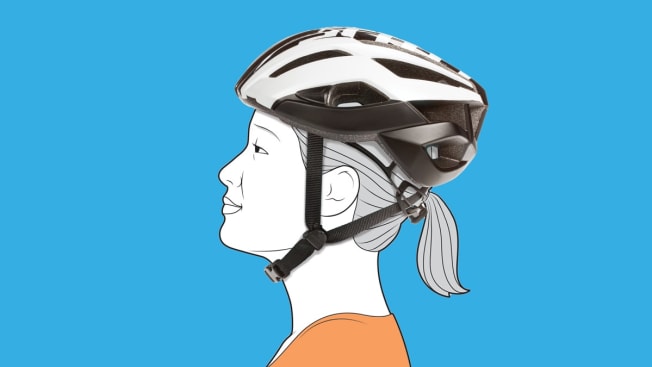
Your safety on a bike starts with one simple but crucial step: making sure your helmet fits perfectly. If your helmet is too loose, it won’t protect you when you need it most.
If it’s too tight, it can be uncomfortable and distracting. You might think any helmet will do, but the right fit can mean the difference between a minor scrape and serious injury. You’ll discover exactly how your bike helmet should fit to keep you safe and comfortable every time you ride.
Keep reading—your head will thank you.

Credit: www.youtube.com
Choosing The Right Helmet Size
Picking the right bike helmet size is very important for safety. A helmet that fits well protects your head better.
To find the right size, you need to measure your head and check size charts. Trying different helmets also helps.
Measuring Your Head
Use a soft tape measure to find your head size. Measure around your head above your eyebrows.
Keep the tape snug but not tight. Write down the measurement in centimeters or inches.
- Place tape 1 inch above eyebrows
- Wrap around the widest part of your head
- Keep the tape level and snug
- Note the measurement for helmet size
Helmet Size Charts
Helmet brands use size charts to match your head measurement to helmet size. Check the chart for your brand.
Sizes usually range from small to extra-large. Each size fits a range of head measurements.
| Helmet Size | Head Circumference (cm) |
|---|---|
| Small (S) | 51 – 55 cm |
| Medium (M) | 55 – 59 cm |
| Large (L) | 59 – 63 cm |
| Extra Large (XL) | 63 – 67 cm |
Trying Different Sizes
Put on helmets that match your size from the chart. Check how each feels on your head.
The helmet should feel snug but not too tight. It should sit level on your head and not move easily.
- Strap helmet firmly under your chin
- Shake your head to test helmet stability
- Check for pressure points or discomfort
- Choose the size that fits best and feels comfortable
Helmet Positioning On Your Head
Wearing a bike helmet correctly protects your head during falls. The helmet must sit right to work well. This guide explains how to position the helmet on your head.
Proper helmet fit keeps you safe and comfortable. Learn how to place the helmet level and avoid tilting for best protection.
Level Placement
The helmet should sit level on your head, not tilted forward or backward. It must cover your forehead without blocking your view. The front edge should be about one to two finger widths above your eyebrows.
- Place the helmet so it rests evenly on your head.
- Check that it covers your forehead well.
- Adjust straps to keep the helmet stable.
- Make sure the helmet does not move when you shake your head.
Avoiding Tilted Helmets
Tilted helmets reduce protection and increase injury risk. A helmet tilted back exposes your forehead. Tilted forward helmets can block your vision and strain your neck.
| Problem | Risk | Fix |
| Helmet tilted back | Exposes forehead, less protection | Push helmet forward to sit level |
| Helmet tilted forward | Blocks vision, neck strain | Raise helmet to clear eyes |
| Loose straps | Helmet moves, unsafe fit | Tighten straps under chin securely |
Adjusting The Straps
A bike helmet must fit snugly to protect your head. Adjusting the straps correctly helps keep the helmet in place. This guide explains how to adjust the chin strap, side straps, and buckle.
Take time to check each strap part to make sure your helmet feels comfortable and secure. Proper fit lowers the risk of injury during a fall or crash.
Chin Strap Fit
The chin strap should be tight enough to hold the helmet firmly but not so tight it hurts. You should be able to fit one or two fingers between the strap and your chin. This ensures the helmet stays on without causing discomfort.
Side Strap Adjustment
Side straps form a “V” shape just below your ears. Adjust the sliders on both sides so the straps meet right under your earlobes. This keeps the helmet balanced and stable on your head.
- Move the sliders to position the straps below your ears.
- Make sure both sides are even and not twisted.
- Test the fit by shaking your head gently; the helmet should not move much.
Buckle Placement
| Check | Why It Matters |
|---|---|
| Buckle Position | Should be centered under your chin for comfort and security. |
| Easy to Fasten | You must quickly open and close the buckle without hassle. |
| Strap Length | Not too long or short to avoid loose or tight fit. |
Securing The Helmet Comfortably
Wearing a bike helmet correctly keeps you safe and comfortable. It should fit snugly without causing pain or pressure.
Adjusting the padding and liner inside the helmet can improve the fit. This helps the helmet stay in place during your ride.
Snug Fit Without Pressure
The helmet should feel tight but not too tight. You want it to stay steady on your head without hurting your skin.
- Check that the helmet does not move when you shake your head.
- Make sure it feels even all around your head.
- Avoid gaps between the helmet and your scalp.
- Adjust straps to keep the helmet in place without pinching.
Padding And Liner Adjustment
Many helmets have removable padding and liners. You can add or remove these to fit your head better.
| Padding Type | Purpose | Adjustment Tip |
| Cheek Pads | Stabilize helmet side-to-side | Use thicker pads for a tighter fit |
| Top Liners | Control helmet height | Remove liners if helmet feels too tight on top |
| Rear Pads | Secure back of the head | Add pads if helmet moves backward |
Checking Helmet Stability
A bike helmet must fit firmly to protect your head well. Checking how stable the helmet is helps keep it safe during rides.
Two simple tests can show if your helmet fits right. These tests help you find any loose parts or wrong sizes.
Shake Test
Put on your helmet and shake your head gently from side to side and up and down. Your helmet should not slide or move much.
- If the helmet moves a lot, tighten the straps and adjust the fit system.
- Try shaking again after adjustment to check stability.
- A stable helmet stays in place without causing discomfort.
Movement Limits
Check how far your helmet moves when you push it. It should not shift more than a small amount in any direction.
| Movement Direction | Maximum Allowed Shift |
| Forward | About 1 inch (2.5 cm) |
| Backward | About 1 inch (2.5 cm) |
| Side to Side | Less than 1 inch (2.5 cm) |
Helmet Safety Standards
Bike helmets protect your head during accidents. Safety standards ensure helmets meet strong protection rules.
Knowing helmet safety standards helps you pick the right helmet for your ride.
Certifications To Look For
Certifications show a helmet passed safety tests. Look for these marks before buying:
- CPSC– Required in the USA, tests impact protection.
- ASTM F1447– Common in the USA for bike helmets.
- EN 1078– European standard for bike helmets.
- Snell B90/B95– A strict safety certification.
Replacing Old Helmets
Old helmets lose protection power. Replace helmets after crashes or every five years.
| Reason | When to Replace |
| After a crash | Immediately |
| Visible damage | Right away |
| Helmet age | Every 5 years |
| Worn straps or pads | When worn out |
Common Helmet Fit Mistakes
A bike helmet must fit well to protect your head properly. Many riders make simple mistakes that reduce helmet safety.
Understanding common fit errors helps you wear your helmet correctly every time. This keeps you safe on every ride.
Too Loose Or Too Tight
A helmet that is too loose can slip off during a crash. It does not protect your head well. Too tight helmets cause discomfort and headaches.
Your helmet should feel snug but not squeeze your head. It should stay in place when you shake your head gently.
- Loose helmets move side to side easily
- Tight helmets leave red marks on your skin
- Try different sizes to find a good fit
- Use the internal adjustment dial if available
Ignoring Strap Adjustments
Straps keep your helmet secure on your head. Many people do not adjust straps properly, making the helmet less safe.
Straps should form a “V” shape under your ears. The chin strap should be snug but allow you to open your mouth easily.
- Check that straps are not twisted
- Adjust side straps to sit just below ears
- Chin strap should fit tight enough to hold helmet
- Test strap tightness by trying to pull helmet off

Credit: ibikesafe.org
Tips For Kids’ Helmet Fit
Choosing the right helmet fit is very important for kids. A helmet that fits well protects better during falls.
Parents should check the fit often as kids grow fast. A helmet that fits today might be too small soon.
Growth Considerations
Children’s heads grow quickly. Check the helmet size every few months to keep it safe and comfy.
Choose helmets with adjustable straps and pads. These features help the helmet fit longer as your child grows.
- Measure head size before buying
- Look for helmets with adjustable fit systems
- Replace helmet if it feels tight or loose
- Never use a helmet that is too big or too small
Comfort For Young Riders
Comfort helps kids wear helmets without fuss. Soft padding and good airflow keep helmets comfy.
Straps should be snug but not tight. Check that the helmet sits level on the head and does not tilt.
- Use helmets with soft, washable padding
- Adjust straps so they fit under the chin firmly
- Make sure the helmet does not move easily on the head
- Pick helmets with vents for better air flow

Credit: riiroo.com
Frequently Asked Questions
How Tight Should A Bike Helmet Be?
A bike helmet should fit snugly without causing discomfort. It should sit level on your head, covering your forehead. The straps should form a V shape under your ears. You should be able to fit one or two fingers between the strap and your chin.
Where Should A Bike Helmet Sit On Your Head?
A bike helmet should sit level and low on your forehead. It should rest just above your eyebrows. This position ensures maximum protection. The helmet should cover the top of your head completely. Make sure it doesn’t tilt back or forward.
How Do I Know If My Helmet Fits Properly?
Check if the helmet is snug but comfortable. Shake your head gently to see if it moves. Adjust the straps so they form a V under your ears. Ensure the chin strap is tight enough. You should only fit one or two fingers under it.
What Happens If A Helmet Is Too Loose?
If a helmet is too loose, it won’t provide adequate protection. It may shift during a crash, exposing your head. This increases the risk of injury. A loose helmet can also be uncomfortable. Always adjust the fit for safety and comfort.
Conclusion
A bike helmet must fit snugly to protect you well. It should sit level on your head, not tilted. Straps need to be tight but comfortable, without pinching. Check the fit often, especially after adjustments. A good fit can save your life in a crash.
Don’t ignore signs of wear or damage. Replace your helmet every few years for safety. A properly fitted helmet gives confidence and peace of mind. Always choose safety first when riding your bike.